Do Crockpots Need To Be Plugged In For Best Results
Yes, crockpots must be plugged in to work. They are electric cooking appliances that rely on a power outlet to generate heat and cook food slowly. Without a plug, your slow cooker cannot function, and your meal prep plans fall flat. Understanding how crockpot electricity works helps you use your device safely and efficiently every single time.
Key Takeaways
- Crockpots must be plugged in: They are electric appliances and cannot operate without a power source.
- Wattage matters: Most crockpots use between 70 and 250 watts, making them energy-efficient cooking options.
- Settings affect power use: Low, high, and warm settings draw different amounts of electricity.
- Safety first: Always plug your crockpot directly into a wall outlet, not an extension cord.
- Proper placement counts: Keep your slow cooker on a flat, heat-resistant surface for best results.
- Unplug when done: Saving energy and reducing fire risk is as simple as pulling the plug after cooking.
📑 Table of Contents
- Do Crockpots Need To Be Plugged In?
- How Does a Crockpot Work?
- Why Your Crockpot Must Be Plugged In
- Crockpot Wattage and Electricity Usage
- Tips for Plugging In Your Crockpot Safely
- Common Mistakes People Make With Crockpots
- Can You Use a Crockpot Without Plugging It In?
- How to Get the Best Results From Your Crockpot
- Energy Efficiency of Crockpots
- Final Thoughts
Do Crockpots Need To Be Plugged In?
The short answer is yes. Crockpots need to be plugged in to cook your food. A crockpot, also known as a slow cooker, is an electric countertop appliance. It uses a heating element powered by electricity to cook food at low temperatures over several hours.
If you have ever wondered whether you can use a crockpot without plugging it in, the answer is no. There is no battery-powered or unplugged version of a standard crockpot. The heating element, the thermostat, and the timer all require a direct power connection to function.
This might seem obvious, but many first-time users or people new to slow cooking want to confirm this. Understanding how your crockpot electricity supply works helps you cook safely and get the best results from every meal.
In this guide, we will walk you through everything you need to know about plugging in your crockpot. We will cover wattage, settings, safety tips, and common mistakes. By the end, you will feel confident about using your slow cooker every day.
How Does a Crockpot Work?
A crockpot is a simple device with a few key parts. The outer shell houses the electrical components. Inside sits a ceramic or stoneware pot that holds your food. A metal heating element wraps around or sits beneath the ceramic pot.
When you plug in the crockpot, electricity flows to the heating element. The element generates heat, which transfers through the ceramic pot to your food. A thermostat regulates the temperature, keeping it steady throughout the cooking process.
The Heating Element
The heating element is the heart of your slow cooker. It converts electrical energy into heat energy. Unlike a stove or oven that uses direct high heat, a crockpot spreads warmth evenly over a long period.
This gentle, consistent heat is what makes slow cooking so effective. Tough cuts of meat become tender. Flavors have time to develop deeply. The heating element depends entirely on a power source to do its job.
The Ceramic Pot
The ceramic or stoneware pot holds your food and distributes heat evenly. It does not generate heat on its own. It relies on the heating element below and around it. This is why your crockpot must be plugged in. Without electricity, the ceramic pot stays cold.
The Control Panel
Modern crockpots come with digital or analog control panels. These let you set the cooking time and temperature. The control panel also needs power to function. Even if you set your crockpot to the warm setting after cooking, it stays plugged in.
Why Your Crockpot Must Be Plugged In
There is no way around it. A crockpot is an electric cooking appliance. It needs a continuous flow of electricity to heat up and maintain temperature. Here is why plugging in matters so much.
No power means no heat. Without a plugged-in connection, the heating element stays cold. Your food will not cook. A frozen meal left out on the counter in a crockpot will not defrost or cook properly.
Consistent temperature is key. Slow cooking works because the crockpot maintains a steady low temperature for hours. This consistency only happens when the appliance is connected to a power source.
Safety features depend on electricity. Many modern crockpots have automatic shut-off timers and overheat protection. These safety features only work when the unit is plugged in and receiving power.
Crockpot Wattage and Electricity Usage
Understanding your crockpot’s wattage helps you manage energy use. Most crockpots range from 70 watts on the low setting to 250 watts on the high setting. This makes them one of the most energy-efficient cooking appliances in your kitchen.
Low Setting vs High Setting
On the low heat setting, a typical crockpot draws about 70 to 150 watts. On the high heat setting, it draws about 150 to 250 watts. The difference is not huge compared to an oven or stovetop.
Here is a quick comparison of common cooking appliances and their power draw:
- Crockpot on low: 70 to 150 watts
- Crockpot on high: 150 to 250 watts
- Oven: 2,000 to 5,000 watts
- Stovetop burner: 1,000 to 3,000 watts
- Microwave: 600 to 1,200 watts
As you can see, a crockpot electricity draw is very modest. This is one reason why slow cooking is so popular among energy-conscious cooks. You can prepare a full meal without spiking your energy bill.
Does the Warm Setting Use Power?
Yes. Even the warm setting requires electricity. The warm setting typically uses less power than cooking settings, usually around 30 to 70 watts. But it still needs a plugged-in connection to keep your food at a safe serving temperature.
If you want to save energy, unplug your crockpot once your meal is ready. Do not leave it on the warm setting for hours after eating. This wastes electricity and can dry out your food.
Tips for Plugging In Your Crockpot Safely
Plugging in your crockpot seems simple, but there are important safety steps to follow. These tips help you avoid accidents and get the best cooking results.
Always Use a Wall Outlet
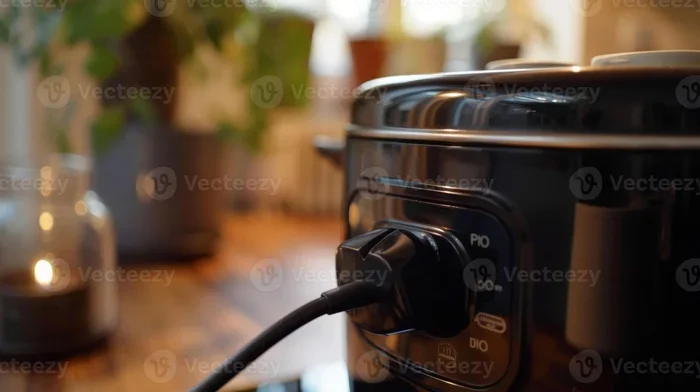
Plug your crockpot directly into a wall outlet. Do not use an extension cord or a power strip. Extension cords can overheat, especially with appliances that draw power for long periods. A direct wall connection ensures a safe and stable power supply.
Check the Cord and Plug
Before each use, inspect the power cord and plug. Look for fraying, cracks, or damage. A damaged cord is a fire hazard. If you notice any wear, replace the cord or stop using the appliance.
Place on a Flat, Heat-Resistant Surface
Set your crockpot on a flat, sturdy surface. Countertops work great. Avoid placing it on cloth, plastic, or other heat-sensitive materials. The bottom of the crockpot gets hot during cooking, and you want to protect your surfaces.
Keep Away from Water
Never place your plugged-in crockpot near water or on a wet surface. Water and electricity do not mix. Keep the cord and plug dry at all times.
Do Not Overfill
Fill your crockpot no more than two-thirds full. Overfilling can cause food to bubble over and reach the electrical components. This creates a mess and a potential safety hazard.
Common Mistakes People Make With Crockpots
Even experienced cooks make mistakes. Here are some common errors to avoid when using your slow cooker.
Leaving the Crockpot Unplugged During Cooking
This one sounds silly, but it happens. People unplug their crockpot to move it or clean around it. Even a few minutes without power can drop the internal temperature. This affects cooking times and food safety. Always keep your crockpot plugged in throughout the entire cooking process.
Using the Wrong Outlet
Do not plug your crockpot into an outlet shared with other high-wattage appliances. Your crockpot draws relatively little power, but sharing an outlet with a toaster oven or microwave can trip a circuit breaker. Use a dedicated outlet for best results.
Forgetting to Preheat
Some crockpots benefit from preheating. Plugging in your empty crockpot and letting it heat up for 20 to 30 minutes before adding food can improve cooking results. This is especially helpful for recipes that need a strong start.
Not Reading the Manual
Every crockpot model is slightly different. The crockpot manual contains specific instructions for plugging in, filling, and operating your unit. Skipping the manual can lead to misuse. Take a few minutes to read it before your first cook.
Can You Use a Crockpot Without Plugging It In?
The honest answer is no. A standard crockpot cannot cook food without being plugged in. There are no battery-operated crockpots on the market that match the performance of a plugged-in electric slow cooker.
Some people wonder about portable or travel-sized crockpots. Even these small units need to be plugged in. They may use less crockpot wattage, but they still require a power outlet to generate heat.
If you are looking for a cooking appliance that does not need a plug, consider alternatives like a thermos cooker or an insulated food warmer. These devices use preheated food or hot water to keep meals warm. They are not true slow cookers, but they serve a similar purpose for certain meals.
For the best slow cooking results, always plug in your crockpot. This ensures even heating, proper temperature control, and safe operation.
How to Get the Best Results From Your Crockpot
Plugging in your crockpot is just the first step. To get the best results, follow these practical tips.
Choose the Right Setting
Most recipes will tell you whether to use the low or high setting. Low settings are great for all-day cooking. High settings work well when you need food ready faster. The crockpot settings make a big difference in texture and flavor.
Use the Right Amount of Liquid
Slow cooking uses less evaporation than oven cooking. Use slightly less liquid than you would for a traditional recipe. Your crockpot traps moisture inside, so your food stays juicy.
Layer Ingredients Properly
Place hardy vegetables like potatoes and carrots on the bottom, near the heating element. Put meat on top. This layering ensures everything cooks evenly.
Resist the Urge to Open the Lid
Every time you lift the lid, you lose heat and extend cooking time. Trust the process. Your crockpot is working hard inside. Let it do its job without interference.
Let It Rest After Cooking
Once the cooking time is up, unplug the crockpot and let your food rest for 10 to 15 minutes. This allows flavors to settle and makes serving easier.
Energy Efficiency of Crockpots
One of the biggest advantages of slow cooking is energy efficiency. A crockpot uses far less electricity than an oven or stovetop. Over an 8-hour cooking session, a crockpot on low uses about the same energy as a standard light bulb.
This makes crockpots perfect for meal prep enthusiasts. You can cook multiple meals throughout the week without worrying about high energy bills. Just remember to unplug the crockpot when you are done to avoid standby power draw.
If you are interested in energy-saving kitchen tips, check out our guide on alternatives to Dish Network and DirectTV for more ways to cut home costs.
Final Thoughts
Do crockpots need to be plugged in for best results? Absolutely. Your crockpot is an electric appliance that depends on a power outlet to heat, cook, and keep your food warm. Without a plug, it is just a decorative ceramic pot on your countertop.
By understanding how your crockpot electricity works, you can cook safely and efficiently. Always plug directly into a wall outlet. Choose the right settings for your recipe. Follow safety guidelines. And unplug when you are finished.
Slow cooking is one of the easiest and most convenient ways to prepare delicious meals. A plugged-in crockpot gives you hands-off cooking that fits perfectly into a busy lifestyle. Follow the tips in this guide, and your crockpot will serve you well for years to come.
For more smart home and kitchen tips, explore our other articles like are baby monitors connected to Wi-Fi for insights on connected home devices.
Frequently Asked Questions
Can I use a crockpot with a power bank or battery?
No. Standard crockpots require a wall outlet and cannot run on batteries or power banks. The wattage needed to generate cooking heat is far too high for portable power sources. Always plug your crockpot into a wall outlet for safe and effective cooking.
How much electricity does a crockpot use per hour?
A crockpot on the low setting uses about 70 to 150 watts per hour. On the high setting, it uses 150 to 250 watts per hour. This is much less than an oven or stovetop, making slow cooking a very energy-efficient way to prepare meals.
Is it safe to leave a plugged-in crockpot unattended?
Yes, it is generally safe to leave a crockpot unattended while plugged in. Modern crockpots have built-in safety features like automatic shut-off and overheat protection. However, always place it on a heat-resistant surface away from flammable materials.
What happens if I unplug my crockpot while cooking?
Unplugging your crockpot mid-cook stops the heating process immediately. The temperature drops, and your food may not cook properly. It can also create food safety risks if the internal temperature falls into the danger zone for bacteria growth. Always keep it plugged in until cooking is complete.
Can I plug my crockpot into a surge protector?
It is best to plug your crockpot directly into a wall outlet. Surge protectors and extension cords can introduce resistance and overheating risks, especially during long cooking sessions. A direct wall connection is the safest option for your electric cooker.
Do crockpots use more electricity than ovens?
No, crockpots use significantly less electricity than ovens. An oven typically draws 2,000 to 5,000 watts, while a crockpot uses only 70 to 250 watts. If you want to save on energy costs, slow cooking is one of the best choices for your kitchen.
=== CONCLUSION ===
Do crockpots need to be plugged in for best results? Yes, without question. Your crockpot is an electric cooking appliance that relies entirely on a power outlet to function. From the heating element to the control panel, every part needs electricity to work properly.
Understanding crockpot wattage, settings, and safety practices helps you cook with confidence. Always plug directly into a wall outlet. Use the right settings for your recipe. Follow basic safety tips. And unplug when you are done.
Slow cooking is a convenient, energy-efficient way to prepare delicious meals. A properly plugged-in crockpot makes it easy. Apply the tips from this guide, and you will enjoy perfectly cooked food every time.