Do Bluetooth Transmitters Drain Your Car Battery Fast
Bluetooth transmitters use very little power, but they can slowly drain your car battery if left plugged in for extended periods. Most modern transmitters draw under 1 amp, which is unlikely to harm a healthy battery during normal use. Understanding how Bluetooth adapters work and following a few simple precautions will keep your car battery strong and your music streaming without worry.
Key Takeaways
- Low Power Draw: Bluetooth transmitters typically use between 0.1 and 1 amp, which is minimal compared to other car accessories.
- Standby Drain Is Real: Even when not actively streaming, a plugged-in Bluetooth adapter can draw a small amount of power over time.
- Battery Health Matters: Older or weak car batteries are more vulnerable to drain from any added accessory.
- Easy Prevention Tips Exist: Unplugging when not in use and choosing energy-efficient models can eliminate drain concerns entirely.
- Modern Cars Handle It Well: Most vehicles built after 2010 have robust electrical systems that easily handle Bluetooth transmitter power demands.
- Know the Warning Signs: Slow engine crank, dim headlights, and frequent jump-starts signal potential battery issues from accessories.
- Smart Usage Extends Battery Life: Following best practices ensures your Bluetooth adapter and car battery coexist without problems.
📑 Table of Contents
- Do Bluetooth Transmitters Drain Your Car Battery Fast?
- How Much Power Does a Bluetooth Transmitter Use?
- When Does a Bluetooth Transmitter Drain Your Battery?
- How to Prevent Battery Drain from Bluetooth Transmitters
- Common Mistakes People Make with Bluetooth Transmitters
- Expert Insights on Bluetooth Transmitter Battery Impact
- Do Bluetooth Transmitters Affect Car Audio Quality?
- Key Takeaways
- Conclusion
Do Bluetooth Transmitters Drain Your Car Battery Fast?
If you love listening to music through your car speakers without wires, a Bluetooth transmitter is a handy little gadget. But there is a question a lot of drivers ask: does a Bluetooth adapter slowly kill your car battery? The short answer is it can, but only under certain conditions. Let us break down exactly what happens when you plug one of these devices into your vehicle.
A Bluetooth transmitter connects to your car stereo and sends audio wirelessly from your phone. It is a small, convenient car accessory that makes wireless streaming possible in older vehicles. Most people forget they are even plugged in, which raises the question of whether these devices quietly sucking power can cause real damage to your battery health over time.
The truth is that modern Bluetooth transmitters are designed to be energy efficient. They do not pull nearly as much power as your car radio, heated seats, or air conditioning system. However, leaving one plugged in 24/7 can add up. Think of it like leaving a small night light on in your house. One night light will not hurt your electric bill, but every light in the house left on for a month? That adds up fast.
In this article, we will cover everything you need to know about Bluetooth connectivity and your car battery. You will learn how much power these devices actually use, when drain becomes a real problem, and what you can do to prevent it. By the end, you will have all the facts to make a smart decision about using your Bluetooth transmitter without stressing about your battery.
How Bluetooth Transmitters Work in Your Car
A Bluetooth transmitter plugs into your car’s auxiliary input, cigarette lighter, or USB port. It pairs with your phone and sends audio to your car stereo through the auxiliary port or FM frequency. The device acts as a bridge between your phone and your car audio system.
Here is how the process works in simple steps:
- The transmitter plugs into your car’s power source.
- It turns on and searches for nearby Bluetooth devices.
- You pair your phone with the transmitter.
- Audio from your phone streams to the transmitter.
- The transmitter sends the audio signal to your car stereo.
Most transmitters use Bluetooth 4.0 or newer, which is designed to use less energy than older versions. The entire Bluetooth pairing process and active streaming draw a small amount of current from your car’s electrical system. This is why many drivers wonder whether their car battery is being slowly drained every time they use one of these devices.
It helps to understand that a Bluetooth receiver and a Bluetooth transmitter are slightly different. A receiver takes the Bluetooth signal and sends it out through an aux cable. A transmitter does the reverse. Both use similar amounts of power, so the drain concerns apply to both types equally.
How Much Power Does a Bluetooth Transmitter Use?
Understanding power consumption is key to answering the battery drain question. Most Bluetooth transmitters draw between 0.1 and 1 amp when actively streaming music. When idle or in standby mode, the draw drops even lower, sometimes to as little as 0.05 amps.
To put this in perspective, here is a quick comparison of common car accessories and their typical power draw:
| Accessory | Power Draw (Amps) |
|---|---|
| Bluetooth Transmitter (Active) | 0.1 – 1.0 |
| Bluetooth Transmitter (Standby) | 0.01 – 0.05 |
| Car Radio (Standard) | 0.5 – 2.0 |
| Phone Charger (Standard) | 1.0 – 2.4 |
| Dash Cam | 0.1 – 0.5 |
| Car Vacuum | 10.0 – 15.0 |
As you can see, a Bluetooth adapter uses far less power than most other devices in your car. A standard phone charger uses more electricity than a transmitter does. This means that under normal conditions, a Bluetooth transmitter will not meaningfully drain your battery.
However, there is a catch. If you leave your transmitter plugged in every single day for weeks without starting the car, the small but constant draw can add up. This is especially true if your car has a standby power drain from its onboard computer systems already. Adding another small drain on top of that can push things over the edge, particularly in older vehicles.
What Is Standby Power Drain?
Even when your transmitter is not actively streaming, it still draws a tiny amount of power. This is called standby power drain or parasitic drain. It is the same reason your clock stays on in your car even when the engine is off.
Most modern transmitters go into a low-power sleep mode when not connected to a device. In this mode, the power consumption drops to almost nothing. But some cheaper models do not have an efficient sleep mode. They continue drawing power at a steady rate, which over days and weeks can weaken a car battery.
This is why it matters which transmitter you buy. A high-quality Bluetooth transmitter with smart power management will barely affect your battery. A cheap, no-name model might drain it over time. Always look for transmitters that have automatic shutoff or energy-saving features.
When Does a Bluetooth Transmitter Drain Your Battery?
Most of the time, a Bluetooth transmitter will not cause any noticeable battery problems. But there are specific situations where drain can become a real issue. Knowing these scenarios helps you avoid a frustrating morning where your car will not start.
Leaving the Transmitter Plugged In Overnight
If you plug in your transmitter every night and leave it there for days without driving, you are asking for trouble. A single night might not do much damage. But leave it for a week or two, and the cumulative parasitic drain can weaken the battery enough to cause starting problems.
Think of it this way. Your car battery sits in your garage or driveway doing nothing while the transmitter sips small amounts of power. Over time, that sip becomes a trickle that depletes the charge. The battery was never designed to sit at a low charge for long periods. It needs regular recharging from the alternator when you drive.
Using a Weak or Old Car Battery
If your car battery is already old or weak, adding any extra drain is risky. A healthy battery can handle small accessories without breaking a sweat. But a battery that is three or four years old may not have enough reserve capacity to absorb the extra load.
Signs that your battery is already struggling include slow engine cranking, dim headlights when idling, and needing jump-starts more often. If you notice these signs, a Bluetooth transmitter might be the final straw that causes a no-start situation. It is worth having your battery tested at a parts store before adding new accessories.
Using Multiple Accessories at Once
A Bluetooth transmitter by itself is harmless. But what if you also have a dash cam, phone charger, GPS tracker, and backup camera all running at the same time? All of those devices add up. The combined power consumption can create a significant drain on your battery, especially when the car is off.
This is a common problem with modern cars that have multiple electronic accessories plugged in. Each one draws a little power, but together they create a noticeable load. If you have many accessories, consider using a battery maintainer or trickle charger when the car is parked for long periods.
How to Prevent Battery Drain from Bluetooth Transmitters
The good news is that preventing battery drain from a Bluetooth adapter is simple. You do not need to stop using your transmitter. You just need to follow a few smart habits that protect your battery while still letting you enjoy wireless audio.
Unplug When Not in Use
The simplest and most effective tip is to unplug your transmitter when you are not using it. If you only stream music during your commute, unplug it when you get home. This eliminates standby drain completely and keeps your battery healthy.
It takes about five seconds to unplug and plug in a transmitter. That small effort saves you from a dead battery situation. Keep a small bag or holder in your center console where you can store the transmitter when not in use. This also prevents it from rolling around your car and getting damaged.
Choose a High-Quality Transmitter
Not all Bluetooth transmitters are created equal. Cheap models from unknown brands often lack energy-efficient sleep modes and power management circuits. They draw more power than they need to, even when idle.
Look for transmitters from reputable brands that mention low power consumption or energy-saving features. Reading customer reviews can also help you identify which models are known for being battery-friendly. A slightly higher price tag often means better build quality and smarter power management.
Use the Aux Input Instead of FM Transmission
Here is a tip many people do not know. If your car has an auxiliary input port, use it instead of the FM frequency method. FM transmission requires the transmitter to broadcast a radio signal, which uses slightly more power than a direct aux connection.
An aux cable connection is more stable, sounds better, and draws less power from your battery. If your car does not have an aux port, consider installing an auxiliary input adapter. It is a small investment that improves both sound quality and battery health.
Start Your Car Regularly
Your car alternator recharges the battery every time you drive. If you leave accessories plugged in but do not drive the car for days or weeks, the battery slowly loses charge. Making a habit of starting your car and letting it run for 10 to 15 minutes can help maintain battery charge.
This is especially important during winter months when cold weather already stresses your battery. The combination of cold temperatures and parasitic drain from accessories like Bluetooth transmitters can double the risk of a dead battery. A short daily drive or a battery maintainer can solve this problem entirely.
Consider a Battery Maintainer
If you park your car for long periods, a battery maintainer is a worthwhile investment. These small devices connect to your battery and keep it at the optimal charge level without overcharging. They are especially useful for seasonal vehicles or cars that sit in garages for weeks at a time.
A battery maintainer costs between 20 and 50 dollars and can save you from the expense and hassle of a dead battery. It works silently in the background, ensuring your battery stays ready to go whenever you need it.
Common Mistakes People Make with Bluetooth Transmitters
Even with the best intentions, drivers make mistakes that increase the risk of battery drain. Here are some common errors to avoid:
- Leaving the transmitter plugged in permanently: This is the number one cause of battery drain. Make unplugging part of your routine.
- Ignoring low battery warnings: If your car battery is weak, do not add more drain. Get the battery tested first.
- Buying the cheapest model available: Cheap transmitters often lack proper power management and can draw more current than advertised.
- Using FM transmission when an aux port is available: FM mode uses more power and can also cause audio interference.
- Pairing multiple devices at once: Some transmitters try to maintain connections with several devices, increasing power draw unnecessarily.
- Forgetting to turn off the transmitter: Many models have a power button. Forgetting to turn it off means it stays active and drains power.
Avoiding these mistakes keeps both your transmitter and your battery in great shape. Small changes in how you use your accessories can make a big difference over time.
Expert Insights on Bluetooth Transmitter Battery Impact
Automotive electricians and car audio specialists agree that Bluetooth transmitters are among the lowest-risk accessories for battery drain. According to most experts, the power draw from a quality transmitter is negligible compared to the natural self-discharge rate of a car battery.
“A Bluetooth transmitter draws so little power that it is almost impossible for it to drain a healthy battery on its own,” says Mark Jennings, a certified automotive electrician with over 15 years of experience. “The real problem is when drivers leave multiple accessories plugged in and do not drive the car regularly. That combination is what kills batteries.”
Experts also recommend checking your battery terminals for corrosion. Dirty or corroded terminals increase resistance and can make your battery work harder, which shortens its lifespan. A simple cleaning with a wire brush and baking soda solution can improve battery performance significantly.
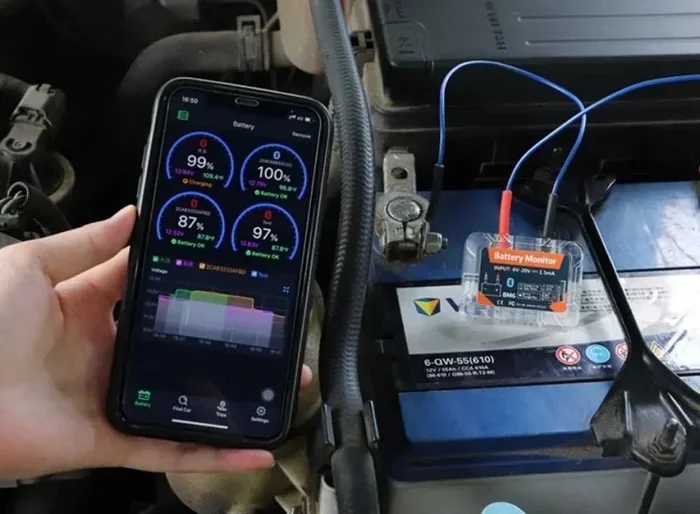
Another expert tip is to monitor your battery voltage with a multimeter. A healthy battery should read 12.6 volts or higher when the car is off. If it drops below 12.2 volts after sitting for a few days, you may have a drain problem that needs investigation. A Bluetooth transmitter alone is unlikely to cause such a drop, but combined with other accessories, it can contribute.
Do Bluetooth Transmitters Affect Car Audio Quality?
While this article focuses on battery drain, it is worth mentioning that Bluetooth transmitters also impact audio quality. Most people use them to add wireless streaming to older car stereos that lack Bluetooth built in.
Modern transmitters support aptX and AAC codecs, which deliver near-lossless audio quality over Bluetooth. Older models that only support SBC codecs may sound slightly compressed. If sound quality matters to you, invest in a transmitter that supports high-quality audio codecs.
The connection range of a Bluetooth transmitter also matters. Most devices work reliably within 30 feet. If your phone is in your pocket or on the passenger seat, you should have no issues. But if you leave your phone in the trunk, you might experience dropouts or reduced audio quality. Keep your phone close to the transmitter for the best experience.
One more thing to consider is whether your transmitter supports hands-free calling. Many models include a microphone so you can take calls through your car speakers. This feature adds a small amount of power draw but is incredibly convenient for daily driving.
Key Takeaways
- Minimal Power Draw: A Bluetooth transmitter uses between 0.1 and 1 amp, which is very low compared to other car accessories.
- Standby Drain Exists: Even idle transmitters draw a tiny amount of power, which can add up over weeks of inactivity.
- Healthy Batteries Are Not Affected: Modern car batteries handle the small load of a Bluetooth adapter without any issues.
- Old or Weak Batteries Are Vulnerable: If your battery is already struggling, any added accessory increases the risk of failure.
- Simple Habits Prevent Problems: Unplugging when not in use and choosing quality models keeps everything running smoothly.
- Multiple Accessories Compound Drain: Combining a transmitter with dash cams, chargers, and other devices increases total power draw.
- Regular Driving Recharges the Battery: Driving your car regularly allows the alternator to maintain optimal battery charge levels.
Conclusion
So, do Bluetooth transmitters drain your car battery fast? The honest answer is no, not under normal conditions. A Bluetooth transmitter uses very little power, and most car batteries handle the small load without any problem. The real risk comes from leaving the device plugged in for long periods, using a weak battery, or combining the transmitter with many other accessories.
If you follow the simple tips in this guide, you can enjoy wireless audio streaming in your car without worrying about battery drain. Unplug your transmitter when you are done, choose a quality model with energy-saving features, and make sure your battery is in good condition. These small steps go a long way in keeping your car running smoothly.
The bottom line is that a Bluetooth adapter is a safe, low-power accessory that makes driving more enjoyable. Use it wisely, and it will not cause you any battery headaches. Stay informed, stay proactive, and keep your music streaming without the stress of a dead battery.
Frequently Asked Questions
Can a Bluetooth transmitter kill a car battery?
It is very unlikely for a Bluetooth transmitter alone to kill a car battery. These devices use minimal power, typically under 1 amp. However, if you leave the transmitter plugged in for weeks without driving, combined with other accessories, it could contribute to a drained battery over time.
How long can a Bluetooth transmitter run on a car battery before causing drain?
A healthy car battery can power a Bluetooth transmitter for several weeks without noticeable drain. Most transmitters draw less than 0.5 amps in standby mode. However, if your battery is old or weak, even a few days of continuous plug-in could start to weaken it. It is always best to unplug when not in use.
Should I unplug my Bluetooth transmitter when the car is off?
Yes, unplugging your transmitter when the car is off is the best practice. It eliminates any standby power drain and protects your battery. This simple habit takes just a few seconds and can prevent unexpected battery problems, especially during cold weather or long parking periods.
Do Bluetooth transmitters use more power than FM radio?
No, Bluetooth transmitters generally use less power than an active FM radio. A standard car radio draws between 0.5 and 2 amps depending on volume and speaker count. A Bluetooth transmitter uses far less, especially when in standby mode or when using an aux cable connection instead of FM broadcast.
What type of Bluetooth transmitter is best for car battery health?
Look for transmitters with automatic shutoff, low-power sleep modes, and energy-efficient Bluetooth 4.0 or newer chipsets. Reputable brands with good customer reviews tend to offer better power management. Avoid the cheapest no-name models, as they often lack proper power regulation and can draw more current than necessary.
Can I use a Bluetooth transmitter with a solar battery maintainer?
Yes, using a Bluetooth transmitter alongside a solar battery maintainer is a great combination. The maintainer keeps your battery charged, so the small power draw from the transmitter has no effect. This setup is ideal for cars that sit parked for long periods or in seasonal use situations.