The Definition Of Communication Devices Explained Simply
The definition of communication devices covers any electronic tool that sends, receives, or processes information between two or more parties. These range from everyday items like smartphones and routers to specialized equipment used in businesses and labs. Understanding these devices helps you make smarter choices about the tools you use every day.
Key Takeaways
- Clear Definition: Communication devices are any hardware or tools that enable the exchange of information between users or systems.
- Wide Variety: They include everything from simple walkie-talkies to complex satellite systems and networking gear.
- Key Features Matter: Range, bandwidth, compatibility, and signal strength are critical factors when choosing a device.
- Real-World Impact: These devices power everything from personal chats to global business operations.
- Future Growth: New innovations like 5G and IoT are expanding what communication devices can do every year.
- Smart Choices: Knowing the basics helps you pick the right device for your needs without overspending.
📑 Table of Contents
- What Is the Definition of Communication Devices?
- Types of Communication Devices
- How Communication Devices Work
- Key Features to Look For in Communication Devices
- Benefits of Using Modern Communication Devices
- Common Mistakes People Make with Communication Devices
- How to Choose the Right Communication Device
- Conclusion
What Is the Definition of Communication Devices?
So, what exactly is the definition of communication devices? At its core, these are any tools or hardware that help people or systems share information. The exchange can happen in many ways. It might be through sound, light, electrical signals, or digital data. The goal is always the same: getting a message from point A to point B.
Think about your morning routine. You might check your phone for messages. You might talk to a smart speaker. You might send an email from your laptop. All of these actions rely on communication devices. They form the invisible backbone of modern life. Without them, the world as we know it would stop.
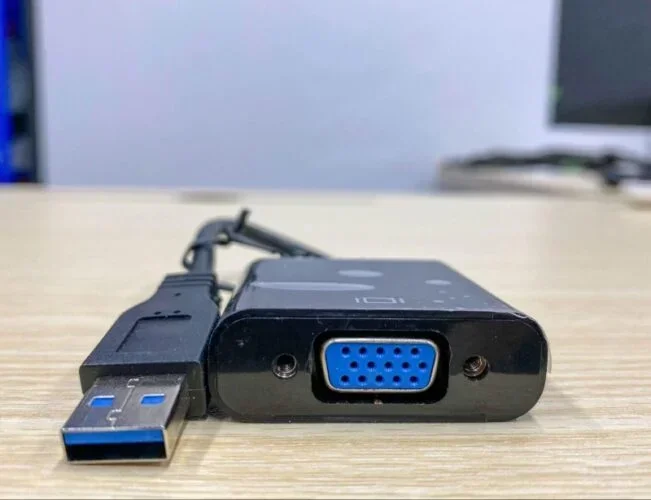
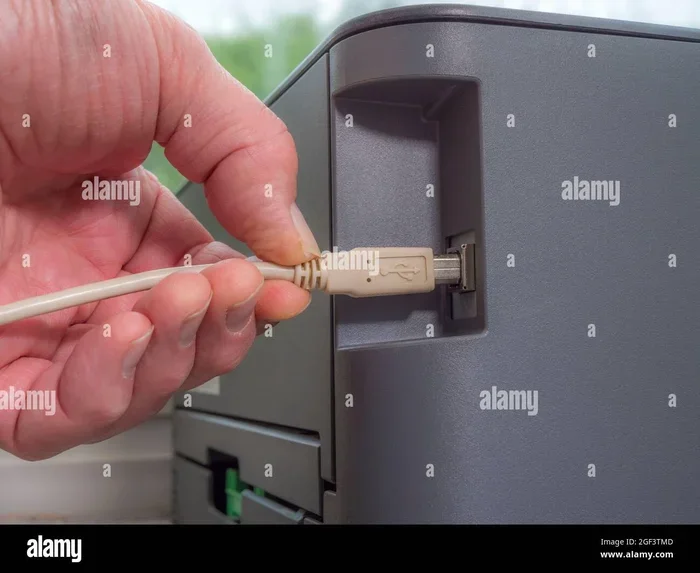
The term covers a huge range of products. It includes simple handheld tools like walkie-talkies. It also covers complex systems like fiber-optic networks and satellite arrays. Even a basic USB cable qualifies because it transmits data between two points. The definition of communication devices is broad on purpose. It captures every tool that enables information exchange.
What makes this topic so important is its relevance to everyone. Whether you are a student, a business owner, or a tech hobbyist, these devices touch your daily life. Understanding them gives you an edge. You will make better buying decisions. You will troubleshoot problems faster. And you will appreciate the technology around you more.
Why This Definition Matters
The definition of communication devices is not just a textbook concept. It has real-world value. When you know what counts as a communication device, you can categorize and compare products more easily. For example, is a Bluetooth earpiece a communication device? Yes. Is a smartwatch? Also yes. The definition helps you draw the line and understand what each product is designed to do.
Another reason this matters is technology evolution. New devices appear every year. The definition gives you a stable framework. It helps you understand where new gadgets fit in. Whether it is a wireless communication gadget or a wired networking equipment piece, the core idea stays the same: sharing information.
Types of Communication Devices
The world of communication devices is diverse. Each type serves a specific purpose. Let us break them down into clear categories so you can see the full picture.
Personal Communication Devices
These are the devices you carry every day. Smartphones top the list. They combine calling, texting, internet browsing, and app usage into one compact tool. Tablets and laptops also fall here because they enable email, video calls, and messaging.
Then there are wearable devices. Smartwatches and fitness trackers can send notifications and make calls. Even wireless earbuds count. They receive audio signals from your phone and deliver them to your ears. These personal tools make digital communication fast and convenient.
Networking and Connectivity Devices
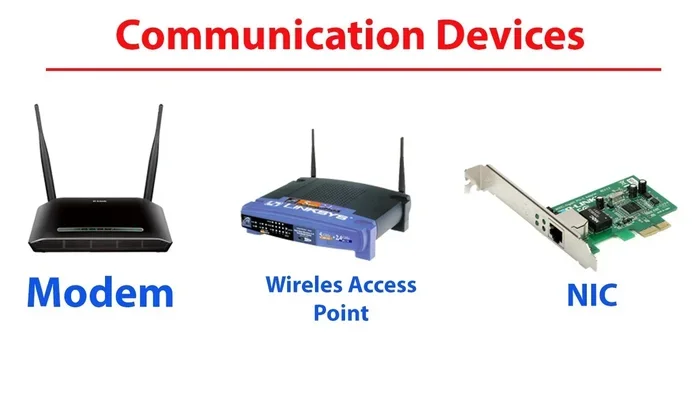
These devices keep networks running. Routers direct data traffic between your devices and the internet. Modems convert signals so your computer can talk to your internet provider. Switches and hubs connect multiple devices within a local network.
Access points extend wireless coverage in homes and offices. They are essential for Wi-Fi connectivity. Without these devices, your internet experience would be slow or nonexistent. They are the unsung heroes of the communication technology world.
Professional and Industrial Communication Devices
Businesses rely on specialized tools. Two-way radios and walkie-talkies are common in construction, security, and event management. They allow instant voice communication over short distances without needing a cellular network.
Satellite phones serve remote areas where cell towers do not reach. Telecommunication systems in offices include PBX phones, conference calling systems, and VoIP desk phones. These tools keep teams connected and productive. They are built for reliability and clarity.
Specialized and Emerging Communication Devices
This category includes cutting-edge tools. IoT devices like smart thermostats and connected sensors exchange data automatically. They do not always need human input. Drone communication systems transmit video and control signals over long distances.
Even virtual instrumentation tools fit here. These devices use software and hardware to simulate traditional instruments. They rely on data transmission protocols to function. You can learn more about the pros and cons of these systems in our article on the advantage and disadvantages of virtual instrumentation.
How Communication Devices Work
Understanding how these devices function makes the definition of communication devices much clearer. At a basic level, every communication device follows a simple process. It takes a message, converts it into a signal, sends the signal, and then converts it back at the receiving end.
The Sending Process
When you speak into a phone, your voice creates sound waves. The device’s microphone converts these waves into electrical signals. Those signals are then processed and encoded for transmission. This encoding might compress the data or add error-checking codes. The goal is to send a clean, accurate copy of your message.
For digital devices, the process is similar but uses binary code. Your text message becomes a series of ones and zeros. These bits are packed into data packets. Each packet travels through transmission media like cables, radio waves, or light fibers.
The Receiving Process
On the other side, the receiving device picks up the signal. It decodes and decompresses the data. Then it converts the signal back into its original form. If it is a voice call, the speaker turns electrical signals back into sound waves. If it is a text message, the screen displays the decoded text.
This entire process happens in milliseconds. You barely notice it is happening. But behind the scenes, signal processing and communication protocols are working hard. These rules ensure that your message arrives correctly and in the right order.
Wireless vs. Wired Communication
Wireless devices use radio waves, infrared, or Bluetooth to send signals through the air. They offer freedom of movement. You can walk around your house while on a call. However, wireless signals can face interference from walls, other devices, or distance.
Wired devices use physical cables like Ethernet cords or fiber optics. They tend to offer faster speeds and more stable connections. The trade-off is less mobility. Many modern setups use a mix of both. Your home router might connect to the internet through a cable while your phone connects wirelessly.
Key Features to Look For in Communication Devices
Not all communication devices are created equal. When shopping for one, certain features make a big difference. Here is what you should consider.
Range and Coverage
Range tells you how far a device can send or receive signals. A walkie-talkie might work up to a few miles. A satellite phone can connect from anywhere on Earth. For home networking, your router’s range depends on its power and your home’s layout.
Always match the range to your needs. If you work on a large campus, a long-range radio makes sense. If you are mostly at home, a standard router will do fine. Consider also the environment. Buildings, trees, and hills can weaken signals.
Bandwidth and Speed
Bandwidth is the amount of data a device can handle at once. Higher bandwidth means faster downloads and smoother video calls. For casual browsing, moderate bandwidth works well. For streaming 4K video or uploading large files, you need more.
Speed and bandwidth are closely related but not the same. Speed refers to how fast data moves. Bandwidth refers to how much data can move at a time. Think of it like a highway. Speed is how fast the cars go. Bandwidth is how many lanes the highway has.
Compatibility and Connectivity
Your device should work with your existing setup. Check if it supports the right network interface standards. Does it work with Wi-Fi 6? Bluetooth 5.0? USB-C? Compatibility issues can cause frustration and extra costs.
Connectivity options also matter. Some devices offer multiple connection types. A modern smartphone might support Wi-Fi, Bluetooth, NFC, and cellular data all at once. This flexibility is a huge advantage. It lets you switch between networks seamlessly.
Battery Life and Portability
For handheld and mobile devices, battery life is critical. A communication device that dies after two hours is not very useful. Look for devices with at least 8 to 12 hours of active use. Quick charging features are a nice bonus.
Portability matters too. If you travel often, a lightweight and compact device is ideal. Bulky equipment has its place in offices and labs. But for on-the-go use, smaller is usually better.
Benefits of Using Modern Communication Devices
Modern communication devices bring a lot to the table. Let us look at the biggest advantages they offer.
Speed and Efficiency
The most obvious benefit is speed. You can send a message across the world in seconds. What used to take days by mail now takes milliseconds. This speed boosts productivity in every field. Businesses can make decisions faster. Families can stay connected no matter the distance.
Efficiency goes hand in hand with speed. Automated devices reduce the need for manual work. Sensors can send data without human intervention. This frees up time for more important tasks.
Accessibility and Convenience
Communication devices make information accessible to almost everyone. You do not need to be in an office to work. You do not need a landline to make a call. A smartphone gives you access to voice, text, video, and internet from nearly anywhere.
This convenience has transformed how we live. Students can attend online classes. Doctors can consult patients remotely. Artists can share their work globally. The communication technology revolution has leveled the playing field in many ways.
Enhanced Collaboration
Teams can collaborate in real time thanks to modern devices. Video conferencing tools let people see and hear each other from different cities. Shared documents allow multiple users to edit the same file simultaneously. These capabilities make remote work not just possible but effective.
Even simple tools like group messaging apps improve teamwork. They keep everyone on the same page. The connectivity tools available today are powerful and often free or low-cost.
Common Mistakes People Make with Communication Devices
Even with the best devices, mistakes happen. Here are some common pitfalls and how to avoid them.
Ignoring Security Settings
Many people skip security setup. They use default passwords or leave Bluetooth open in public. This leaves devices vulnerable to hacking. Always change default passwords and enable encryption. Keep your firmware updated to patch known flaws.
Overlooking Compatibility
Buying a device without checking compatibility is a common error. A new router might not support your older devices. A headset might not pair with your phone. Always check specifications before purchasing. A little research saves time and money.
Neglecting Maintenance
Communication devices need regular care. Clean your ports and screens. Update software regularly. Replace worn-out cables and batteries. Neglect leads to poor performance and shorter device life. A few minutes of maintenance goes a long way.
How to Choose the Right Communication Device
With so many options available, picking the right one can feel overwhelming. Here is a simple guide to help you decide.
Identify Your Primary Need
Ask yourself what you need the device for most. Is it for personal calls? Office meetings? Remote work? Creative projects? Your primary need should guide your choice. A photographer might prioritize a communication device with excellent file transfer speed. A gamer might focus on low-latency audio gear.
For broader creative work, understanding the basic building blocks of visual communication can also help. You might explore the 7 basic elements of photography to see how visual and digital communication overlap.
Set a Budget
Communication devices come at all price points. Set a realistic budget before shopping. Remember that the most expensive option is not always the best. Focus on features that matter for your use case. A mid-range router might serve a small home perfectly well.
Read Reviews and Compare
Check reviews from trusted sources. Look for real-world performance data, not just marketing claims. Compare at least three options before buying. Pay attention to durability, warranty, and customer support. These factors often matter more than fancy features.
Consider Future Needs
Think about where you will be in one or two years. Will your needs grow? If you plan to expand your home office, invest in scalable networking equipment. If you see yourself using more IoT devices, choose a router that handles high device counts.
Conclusion
The definition of communication devices is broader than most people realize. It covers everything from your pocket smartphone to massive satellite systems. These tools enable the information exchange that powers our world. They make personal connections stronger and business operations smoother.
Understanding the basics helps you navigate the tech landscape with confidence. You will know what to look for. You will avoid common pitfalls. And you will get more value from every device you own. The world of communication technology keeps evolving. But the core idea remains simple: connecting people and systems through smart tools.
Take what you have learned here and apply it. Whether you are upgrading your home network or buying a new phone, the right knowledge makes all the difference. The definition of communication devices is your starting point for smarter tech choices.
Frequently Asked Questions
What is the simple definition of a communication device?
A communication device is any electronic tool that sends, receives, or processes information between two or more users or systems. This includes smartphones, routers, radios, and even USB cables. The key feature is that it enables the exchange of data, voice, or video.
What are the most common examples of communication devices?
Smartphones, laptops, routers, modems, walkie-talkies, satellite phones, and smartwatches are all common examples. Even Bluetooth earbuds count because they receive and transmit audio signals. Any device that helps share information qualifies.
How do communication devices differ from computing devices?
Computing devices focus on processing and storing data, like a desktop computer or server. Communication devices focus specifically on transmitting and receiving information between points. However, many modern devices do both, such as smartphones and tablets.
Can communication devices work without the internet?
Yes, many can. Walkie-talkies, two-way radios, and Bluetooth devices work without internet access. They use radio waves or direct connections instead. The internet is just one of many transmission media available.
Why is the definition of communication devices important for buyers?
Knowing the definition helps buyers understand what they are actually purchasing. It prevents confusion between similar products. It also helps you identify which features matter most for your specific needs. This knowledge leads to smarter buying decisions.
Are communication devices only used for personal use?
Not at all. Communication devices are essential in businesses, hospitals, schools, and government agencies. They power emergency response systems, global supply chains, and scientific research. Their use extends far beyond personal or household applications.