Can You Repair A Usb Port With These Easy Solutions
Can you repair a USB port? Yes, in many cases you can fix a broken USB port without spending a fortune. Whether your USB port is loose, not charging, or completely dead, there are several USB port repair methods you can try at home. This guide walks you through simple fix USB port steps, professional options, and preventive tips to keep your ports working for years.
Have you ever plugged in a USB cable only to find that your port is loose, wobbly, or not working at all? It is a frustrating experience, especially when you need to transfer files or charge your device. The good news is that can you repair a USB port has a positive answer in most situations. You do not need to be a tech expert to bring your port back to life.
USB ports are everywhere. They are on your laptops, desktops, tablets, gaming consoles, and even some smart home devices. Over time, these ports can become loose, dirty, or damaged. The good thing is that many common issues have simple solutions. This guide covers everything you need to know about USB port repair and fix USB port methods that actually work.
We will walk you through diagnosing the problem, trying DIY fixes, knowing when to call a professional, and preventing future damage. By the end, you will feel confident tackling most USB port issues on your own. Let us get into it.
Key Takeaways
- DIY Repairs Work: Many USB port problems can be fixed with basic tools and simple cleaning or reseating techniques.
- Diagnosis Is Key: Identifying the root cause saves time and prevents unnecessary part replacements.
- Professional Help Has Limits: Know when a repair is worth it versus when a replacement makes more sense.
- Prevention Beats Repair: Simple habits like gentle cable insertion and regular cleaning can avoid most port damage.
- Costs Vary Widely: Professional USB port repair costs range from $20 to $200 depending on the device and damage level.
- Warranty Matters: Always check your warranty before attempting any repair to avoid voiding coverage.
📑 Table of Contents
Understanding USB Port Problems
Before you jump into fixing anything, it helps to understand what is actually wrong. USB port problems come in different shapes and sizes. Each type of issue has a different cause and a different solution. Let us break down the most common problems you will encounter.
Loose or Wobbly USB Port
This is the most common issue. You plug in a cable, and it feels like it is going to fall out. A loose USB port usually happens because the internal connector has worn out or broken. Frequent plugging and unplugging over time causes the metal contacts to lose their grip. On laptops, this problem gets worse when you carry your device around a lot.
Sometimes the plastic housing inside the port cracks. When that happens, the port physically shifts when you insert a cable. A loose port is not just annoying. It can also lead to poor data transfer and inconsistent charging.
USB Port Not Charging
If your device charges slowly or not at all, the port might be the culprit. But before you assume the port is broken, rule out the cable and power adapter first. A damaged cable can mimic port problems perfectly. Try a different cable and power source to confirm the issue is in the port itself.
Charging issues often come from debris buildup inside the port. Dust and lint block the connection between the cable and the port contacts. In other cases, the charging pins inside the port bend or break. This requires a bit more work to fix, but it is still doable.
USB Port Not Recognizing Devices
You plug in a flash drive or external hard drive, and nothing happens. Your computer does not detect the device. This problem can stem from a few different sources. The port itself might be damaged, or the issue could be a driver problem. Sometimes the port’s internal data pins are bent or corroded.
Before assuming hardware failure, try plugging the device into a different port. If it works in another port, the original port is likely the problem. If it fails everywhere, the issue might be software-related, not hardware.
Physical Damage to the USB Port
Physical damage is the most severe type of USB port problem. This includes bent pins, cracked solder joints, or a completely broken port. Physical damage usually happens from dropping a device or yanking a cable out too hard. Kids and pets can also cause accidental damage.
A physically damaged port might still work partially. You might notice that you have to hold the cable at a specific angle for it to connect. This is a clear sign that something inside the port is broken. In these cases, repair is still possible, but it depends on the extent of the damage.
How to Diagnose a Faulty USB Port
Not every USB port problem requires a repair. Some issues are quick to identify and even quicker to fix. Diagnosing the problem correctly saves you time, money, and effort. Here is a step-by-step approach to figuring out what is wrong.
Step 1: Check the Cable and Device First
Always start with the simplest checks. Try your cable on a different device. Try a different cable on your device. This eliminates the cable as the source of the problem. If the cable works on another device and your device works with another cable, you know the port is the issue.
Also test the port with multiple devices. Plug in a flash drive, a phone, and a USB hub if you have one. If none of them work, the port is likely the problem. If only one device fails, the device itself might be faulty.
Step 2: Inspect the Port Visually
Grab a flashlight and look closely at the port. Check for debris, dust, or visible damage. Bent pins are a clear sign of physical damage. Look for any discoloration or burn marks, which could indicate an electrical short. A healthy USB port should look clean and symmetrical.
On USB-C ports, check if the middle connector is pushed in or out of place. USB-C ports have a more complex internal structure, and even a slight shift can cause connection issues.
Step 3: Test with Software Tools
On Windows, open Device Manager and look under Universal Serial Bus controllers. If you see a yellow warning icon, the system has detected a problem. On Mac, use the System Information tool to check USB connections. These tools can tell you whether the operating system recognizes the port at all.
You can also use a USB testing tool to check data transfer speeds. If the speed is significantly slower than expected, the port might have partial damage. These software checks help you determine whether the problem is hardware or software related.
Step 4: Check for Driver Issues
Sometimes a USB port stops working because of outdated or corrupted drivers. This is not a physical problem at all. Updating your USB drivers through Device Manager or your device manufacturer’s website can resolve the issue. After updating, restart your device and test the port again.
Driver problems are common after system updates. If a port worked fine yesterday and stopped today, a driver update or rollback might be all you need. This is the easiest fix of all, and it costs nothing.
Easy DIY Fixes for USB Port Issues
Now that you know what is wrong, let us fix it. Many USB port problems can be solved with simple household items and basic tools. These DIY fixes are safe, effective, and do not require any technical expertise.
Clean the USB Port
Dust and debris are the number one cause of USB port problems. Over time, lint from pockets and dust from the environment build up inside the port. This blocks the connection and causes intermittent or complete failure.
Here is how to clean a USB port properly:
- Turn off your device and unplug it from any power source.
- Use a can of compressed air to blow out loose debris. Hold the can upright to avoid moisture.
- For stubborn dirt, use a wooden toothpick. Gently scrape the inside of the port. Do not use metal objects, as they can damage the pins.
- Dip a cotton swab in isopropyl alcohol and gently clean the port contacts. Let it dry completely before plugging anything in.
- For USB-C ports, use a thin plastic pick to clean out the center connector.
Regular cleaning can prevent most connection issues. Make it a habit to clean your ports every few months. This simple maintenance step goes a long way.
Reseat or Repair Loose USB Connectors
If your port is loose but not broken, reseating the connector can help. This involves opening the device and physically pushing the port back into place. On laptops, the USB port is usually attached to the motherboard with small screws or soldered connections.
For a wobbly port that is not broken, try using a small piece of tape or a tiny shim inside the port to tighten the fit. This is a temporary fix, but it can buy you time until you get a proper repair.
Some people use USB port fillers or caps when the port is not in use. These small plastic covers keep dust out and add structural support to the port. They are inexpensive and available online.
Fix Bent USB Pins
Bent pins are a common problem, especially in USB-A ports. When you force a cable in at an angle, the internal pins can bend. If the pins are only slightly bent, you can carefully straighten them with a tiny flathead screwdriver or tweezers.
Work slowly and gently. Pushing too hard will snap the pin. Insert the cable and check if the connection improves. If the pins are badly bent or broken, you will need to replace the port entirely.
For USB-C ports, pin repair is more complex. The connector has multiple pins arranged in a specific pattern. Unless you have experience with electronics repair, it is better to seek professional help for USB-C pin issues.
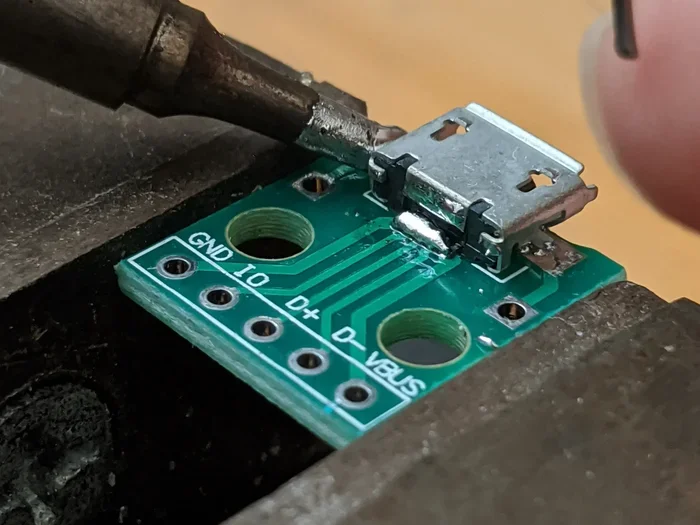
Re-Solder a Broken USB Port
If the USB port is completely detached from the motherboard or has broken solder joints, re-soldering is the fix. This requires a soldering iron, solder wire, and some basic soldering skills. If you have never soldered before, practice on a scrap board first.
Here is the basic process:
- Remove the device casing and locate the USB port on the motherboard.
- Heat the existing solder joints with a soldering iron and remove old solder using a solder sucker or wick.
- Position the port back in place and apply fresh solder to each joint.
- Let the solder cool completely before testing the port.
- Reassemble the device and test with multiple USB devices.
If soldering sounds intimidating, you are not alone. Many people prefer to have this done professionally. It is a worthwhile investment if you are not comfortable with electronics work.
Replace the USB Port Entirely
When repair is not enough, replacement is the answer. You can buy replacement USB ports online for most popular devices. The process involves removing the old port and installing a new one. This is more involved than cleaning or reseating, but it is a permanent fix.
Make sure you buy the exact same model of USB port. USB-A, USB-B, USB-C, and Micro-USB ports all look similar but have different pin configurations. Using the wrong port can cause further damage. Check your device manual or the manufacturer’s website for the correct part number.
When to Seek Professional Repair
Not every USB port problem is a DIY project. Some situations call for professional help. Knowing when to stop and call an expert saves you from making things worse.
Complex Motherboard Damage
If the USB port damage extends to the motherboard, professional repair is almost always the best choice. Motherboard-level repairs require specialized equipment and expertise. Attempting to fix motherboard issues on your own can turn a small problem into a big one.
Signs of motherboard damage include multiple ports failing at once, burning smells, or visible scorch marks on the circuit board. If you notice any of these symptoms, power off your device immediately and seek professional help.
Warranty Considerations
Before you open up your device, check the warranty status. Many manufacturers cover USB port defects under warranty, especially within the first year of purchase. Opening the device yourself can void the warranty, leaving you responsible for all repair costs.
Contact the manufacturer or retailer first. They may offer a free repair or replacement. Even if the warranty has expired, some manufacturers provide paid repair services at reasonable rates. Always explore these options before attempting a DIY fix.
When the Device Is Outdated
Sometimes the cost of repair does not make sense. If you have an older device and the repair cost exceeds the device value, replacement might be the smarter choice. A professional repair for a USB port typically costs between $20 and $200, depending on the device and the extent of damage.
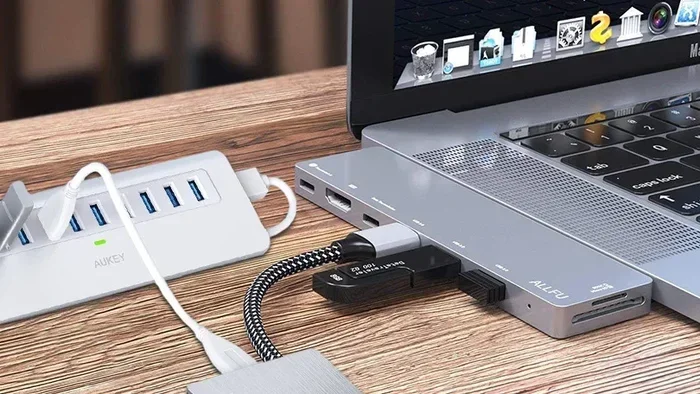
For budget devices or older laptops, spending $150 on a port repair might not be worthwhile. In these cases, using a USB hub or adapter can be a cost-effective alternative. A USB hub lets you connect multiple devices through a single working port, bypassing the damaged one entirely.
Preventing USB Port Damage
Prevention is always better than repair. A few simple habits can keep your USB ports in great shape for years. These tips apply to all devices, from laptops to desktops to gaming consoles.
- Insert cables gently. Never force a USB cable into the port. If it does not fit easily, check the cable type and the port orientation.
- Pull from the connector, not the cable. Yanking a cable out by the wire puts stress on the port. Always grip the plug and pull straight out.
- Keep ports clean. Regular cleaning with compressed air or a soft brush prevents dust buildup. Make this part of your routine device maintenance.
- Use cable management. Avoid letting cables hang or pull on ports. Use cable clips or holders to keep cables secure and reduce strain on the port.
- Invest in quality cables. Cheap cables with poor connectors can damage ports over time. Look for cables with reinforced connectors and good strain relief.
- Use port covers. If a port is not in use, cover it with a dust cap or filler plug. This keeps debris out and adds structural support.
- Avoid extreme temperatures. Heat and moisture can damage internal port components. Keep your devices in cool, dry environments.
These habits take seconds to follow but save you hours of trouble. A little prevention goes a long way toward avoiding USB port repair altogether.
USB Port Repair Costs and Considerations
If you decide to go the professional route, understanding the costs helps you make an informed decision. Repair costs vary based on the device, the type of port, and the extent of the damage.
| Repair Type | Average Cost | Time to Complete |
|---|---|---|
| USB Port Cleaning | $0 (DIY) | 10-15 minutes |
| USB Port Reseating | $20-$50 | 30-60 minutes |
| USB Pin Straightening | $15-$40 | 20-40 minutes |
| USB Port Re-Soldering | $40-$100 | 1-2 hours |
| USB Port Replacement | $50-$200 | 2-4 hours |
| Motherboard USB Repair | $100-$300+ | 4-8 hours |
These are general estimates. Actual costs depend on your location, the repair shop, and the specific device. Always ask for a diagnostic fee upfront and get a quote before approving any repair work.
Some repair shops offer free diagnostics. This lets you understand the problem and the cost before committing. Take advantage of this when available. It saves you from surprises and helps you decide whether repair or replacement makes more sense.
DIY vs Professional Repair
Deciding between DIY and professional repair depends on your skill level, the device value, and the warranty status. Simple fixes like cleaning and reseating are great DIY projects. More complex repairs like soldering and port replacement are better left to professionals.
If you are comfortable with basic electronics, many fix USB port tasks are within your reach. Start with the simplest solutions and work your way up. There is no shame in calling a professional when the job is beyond your comfort zone.
Final Thoughts
So, can you repair a USB port? Absolutely. Most USB port problems are fixable with the right approach and a bit of patience. From simple cleaning to professional replacement, you have options at every level of complexity. The key is to diagnose the problem accurately and choose the right fix for your situation.
Start with the easiest solutions first. Clean the port, check the cable, and update your drivers. If those steps do not work, move on to reseating, pin straightening, or soldering. And when the repair is beyond your skill level, trust a professional to get the job done right.
Remember that prevention is your best tool. A little care and regular maintenance can keep your USB ports working flawlessly for the life of your device. You do not need to be a technician to take care of your tech. With the right knowledge, you can handle most USB port issues yourself and save time and money in the process.
Now that you know the answers to can you repair a USB port, you are ready to tackle any port problem that comes your way. Grab your tools, follow the steps in this guide, and get your devices back in working order. Your USB ports will thank you for it.
Frequently Asked Questions
Can a loose USB port be fixed without replacing it?
Yes, a loose USB port can often be fixed without replacement. Cleaning out debris, reseating the port, or using a small shim to tighten the fit can restore a snug connection. These are simple fixes you can do at home with basic tools.
How much does it cost to repair a USB port?
The cost depends on the type of repair needed. Simple cleaning costs nothing. Reseating or pin straightening typically runs $20 to $50. Full port replacement can cost $50 to $200. Professional motherboard-level repairs can go higher, depending on the device and damage.
Can I use a USB hub instead of repairing a damaged port?
Yes, a USB hub is a great alternative to repairing a damaged port. It lets you connect multiple devices through a single working port. This is a quick and affordable workaround, especially if the repair cost exceeds the value of your device.
Is it safe to solder a USB port myself?
Soldering a USB port is safe if you have basic electronics experience and the right tools. Use a temperature-controlled soldering iron and practice on scrap boards first. If you have never soldered before, consider watching tutorials or seeking professional help to avoid damaging your device.
What causes USB ports to stop working?
USB ports stop working for several reasons. Debris buildup, loose connections, bent pins, and worn-out solder joints are the most common causes. Physical damage from drops or yanking cables out also leads to port failure. Sometimes driver issues or software problems mimic hardware damage.
How can I prevent USB port damage in the future?
Preventing USB port damage is easy with a few good habits. Insert and remove cables gently, pull from the plug not the wire, keep ports clean, and use quality cables. Port covers and cable management also reduce strain and keep your ports in great shape for years.