Can You Plug A Washer And Dryer Into A Power Strip Safely
Plugging a washer and dryer into a power strip is generally unsafe and not recommended. These high-wattage appliances draw far more electricity than a standard power strip can handle, creating serious fire hazards. Always use a dedicated grounded outlet for laundry appliances to keep your home and family safe.
You walk into your laundry room and notice the only electrical outlet is across the room. The dryer plug does not quite reach. Your first thought might be to grab a power strip or an extension cord. It seems like an easy fix. But is it safe?
Many people wonder about plugging a washer and dryer into a power strip. It is a common question, especially in older homes where outlets are few and far between. The truth is, laundry appliances have specific voltage requirements and power capacity needs that standard power strips simply cannot meet. Understanding why this matters can save you from serious danger, costly repairs, and even the loss of your home.
Key Takeaways
- Power strips are not designed for high-wattage laundry appliances and can overheat, causing electrical fires.
- The National Electrical Code requires dedicated circuits for both washers and dryers in the laundry room.
- Using an extension cord or power strip voids most appliance warranties and violates electrical code.
- A licensed electrician can install dedicated outlets that safely handle the power needs of your machines.
- GFCI outlets add an extra layer of protection in laundry rooms where water and electricity are close.
- Hardwired installation is the safest permanent option for electric dryers in newer homes.
- Never ignore warning signs like warm outlets or frequent breaker trips in your laundry room.
📑 Table of Contents
- Why Plugging Your Washer and Dryer Into a Power Strip Is Risky
- The Electrical Code and Manufacturer Guidelines
- The Real Dangers: Fire Hazards and Electrical Damage
- Safe Alternatives for Powering Your Laundry Appliances
- Quick Tips for Laundry Room Electrical Safety
- Common Mistakes People Make With Laundry Room Electricity
- When to Call a Licensed Electrician
- Conclusion
Why Plugging Your Washer and Dryer Into a Power Strip Is Risky
Washers and dryers are not like your phone or laptop charger. They are high-wattage appliances that need a lot of energy to run properly. A typical electric dryer uses between 1,800 and 5,000 watts. A gas dryer still pulls around 700 watts. A standard washing machine uses about 400 to 1,400 watts during a normal cycle but can spike much higher during the spin cycle.
Most household power strips are rated for 15 amps and around 1,800 watts total. That means even a single electric dryer could push a power strip past its limits. When you exceed the amperage rating, the strip overheats. This is the number one cause of electrical fires in homes across the country.
How Much Power Do Laundry Appliances Actually Use?
Understanding power capacity is the first step toward staying safe. Here is a quick breakdown of what your laundry appliances actually draw:
- Electric dryer: 1,800 to 5,000 watts
- Gas dryer: 700 to 1,500 watts
- Washing machine: 400 to 1,400 watts
- Combined load: up to 6,500 watts
Your home’s electrical panel is designed to handle these loads through dedicated circuits. A dedicated circuit means the outlet has its own direct line to the circuit breaker. This setup prevents overloads and keeps your laundry room running safely. A power strip simply cannot provide that level of dedicated power delivery.
What Happens When You Overload a Power Strip
When you plug a high-wattage appliance into a power strip, several bad things can happen quickly:
- The strip overheats and begins to melt
- The circuit breaker trips repeatedly
- Wall wiring gets damaged behind the outlet
- Fire hazards develop inside walls where you cannot see them
- The surge protector component fails and stops working entirely
A surge protector is not the same as a basic power strip. Even a quality surge protector is not built to handle the constant, heavy draw of a washer and dryer. These devices are meant for electronics like computers, TVs, and phone chargers. They are not designed for the sustained power demands of laundry machines.
If you have been using a power strip in your laundry room, stop right now. Unplug the appliances and move them to a proper wall outlet. The risk is simply not worth it.
The Electrical Code and Manufacturer Guidelines
What the National Electrical Code Says
The National Electrical Code, also known as the NEC, has clear rules about laundry room wiring. According to the NEC, dryers must be connected to a dedicated 240-volt circuit. Washers should be on a dedicated 120-volt circuit. These rules exist to protect you, your family, and your home from electrical disasters.
Using a power strip or extension cord for a permanent appliance setup violates electrical code in most areas. This is not just a suggestion or a best practice. It is a safety standard backed by years of research and real-world incidents. Inspectors look for these violations during home sales and inspections.
Some homeowners think they can get away with a temporary setup. But “temporary” often turns into permanent without anyone noticing. Over time, the risks compound. What starts as a small overheating issue can become a full-blown electrical fire hidden inside your walls.
What Your Washer and Dryer Manual Recommends
Open your appliance manual. Go ahead. Look at the electrical requirements section. Every single manufacturer will tell you the same thing. Do not use a power strip or extension cord. These appliances need a direct connection to a grounded outlet.
Ignoring the appliance manual can also void your warranty. If something goes wrong and you were using a power strip, the manufacturer may refuse to cover the damage. That is a costly mistake no one wants to make. Repairing or replacing a washer or dryer can cost hundreds or even thousands of dollars.
Take a few minutes to read the manual or look up the specifications online. Knowing your appliance’s exact voltage requirement and amperage rating helps you make informed decisions about your laundry room setup.
The Real Dangers: Fire Hazards and Electrical Damage
Fire Risks in the Laundry Room
The laundry room is one of the most overlooked areas when it comes to electrical safety. Clothes, lint, and heat create a perfect storm for fire hazards. Adding an overloaded power strip into that mix makes things even more dangerous.
According to the National Fire Protection Association, washers and dryers cause thousands of house fires each year. Many of these fires start with electrical problems. A power strip that is not rated for the load can overheat and ignite nearby materials like cardboard, lint, or cleaning supplies. The fire can spread quickly behind walls before you even notice the smoke.
Lint buildup is already a major fire risk for dryers. Adding an electrical hazard on top of that doubles the danger. Your laundry room should be a safe space, not a risk zone.
Damage to Your Appliances
Beyond fire risks, using the wrong electrical outlet can seriously damage your machines. Power surges from an unstable connection can harm the motor and electronic controls inside your washer and dryer. A grounded outlet provides the stable, consistent current your appliances need to last for years.
If you have ever noticed your dryer taking longer to dry clothes or your washer making strange noises during a cycle, the power supply might be the culprit. An unstable connection wears down your machines faster than you might think. Over time, this leads to premature failure and expensive replacement costs.
Proper electrical outlet setup also protects the electronic components in modern smart washers and dryers. These machines have sensitive circuit boards and digital controls that are vulnerable to power fluctuations. A stable, dedicated circuit keeps everything running smoothly.
Safe Alternatives for Powering Your Laundry Appliances
Use a Dedicated Wall Outlet
The safest and most common solution is a dedicated wall outlet. This is a permanent electrical outlet installed specifically for your washer or dryer. A licensed electrician can add one to your laundry room in just a few hours.
A dedicated outlet means your appliance gets the full power it needs without sharing circuits with other devices. This setup keeps everything running smoothly and safely. It is the standard for a reason, and it is the simplest way to eliminate the need for a power strip altogether.
If your laundry room has enough wall space, consider installing outlets on both sides of the room. This gives you flexibility for washer placement and dryer placement without stretching cords or relying on unsafe workarounds.
Consider Hardwired Installation Options
Some dryers, especially electric models, can be hardwired directly into your home’s electrical system. This removes the need for a plug and outlet altogether. Hardwired setups are common in newer construction and are considered the safest option available.
If you are building a new home or doing a major renovation, talk to your electrician about hardwired installation. It is a permanent, code-compliant solution that eliminates the need for any power strip or extension cord entirely. You never have to worry about a cord coming loose or a strip overheating.
Alternatives To Unsafe Electrical Setups
If you have been using a power strip or extension cord for your laundry appliances, it is time to make a change. There are much better ways to handle your laundry room setup safely. For more ideas on upgrading your home’s electrical and appliance setup, check out this guide on Alternatives To Dish Network And Directtv for general tips on making smart home upgrades that prioritize safety and efficiency.
A licensed electrician can assess your laundry room and recommend the best electrical outlet configuration for your needs. Whether you need a new circuit added, a GFCI outlet installed, or your electrical panel upgraded, professional guidance ensures everything is up to code and built to last.
Quick Tips for Laundry Room Electrical Safety
Here are some simple steps you can take right now to improve electrical safety in your laundry room:
- Always plug washers and dryers directly into wall outlets
- Never use an extension cord as a permanent solution
- Check your appliance manual for specific electrical requirements
- Install a GFCI outlet near water sources in the laundry room
- Have a licensed electrician inspect your laundry room wiring annually
- Keep lint and clutter away from electrical outlets to prevent fire risks
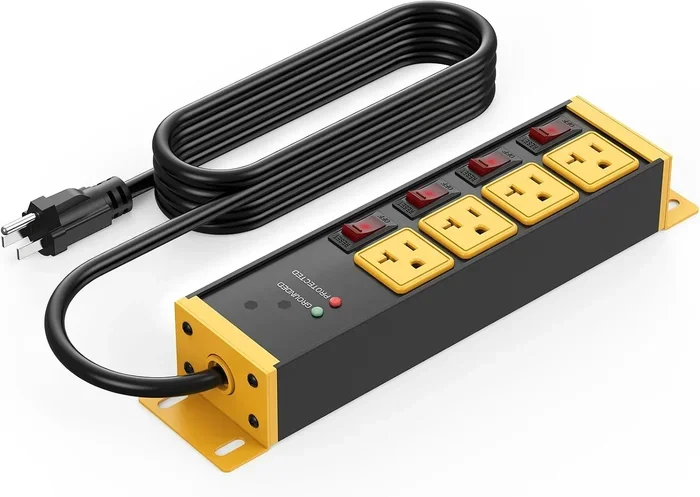
- Use a heavy-duty strip only for temporary, low-wattage devices like a fan or iron
- Label your circuit breaker so you know which breaker controls the laundry room
- Never daisy-chain multiple power strips together
- Replace any power strip that feels warm to the touch
These small steps add up to a much safer laundry room. Electrical safety is not something you want to cut corners on. A few minutes of prevention can save you from a major disaster and protect your investment in your appliances.
Common Mistakes People Make With Laundry Room Electricity
Using the Wrong Type of Outlet
One of the biggest mistakes is using a standard 120-volt outlet for an electric dryer that needs 240 volts. This mismatch can cause the appliance to underperform, overheat, or fail entirely. Always match your outlet type to your appliance’s voltage requirement. If you are not sure what your dryer needs, check the nameplate on the back of the machine or consult the manual.
Overloading a Single Circuit
Some homeowners try to run both the washer and dryer on the same circuit. While a gas dryer and washer might share a 120-volt circuit in some setups, electric dryers need their own dedicated line. Overloading a single circuit breaker causes tripping, overheating, and potential fire hazards. Each major appliance should have its own dedicated circuit for safe operation.
Ignoring Warning Signs
Flickering lights, warm outlets, and frequent breaker trips are all warning signs. Do not ignore them. These symptoms mean your electrical system is under stress. Addressing them early can prevent costly repairs and keep your family safe. A quick call to a licensed electrician can identify the problem before it becomes a serious issue.
Using Old or Damaged Cords
Another common mistake is using frayed or damaged power cords on laundry appliances. A damaged cord exposes live wires and creates shock and fire risks. Inspect your appliance cords regularly. If you see any cracking, fraying, or damage, replace the cord or have a professional repair it immediately.
When to Call a Licensed Electrician
You should call a licensed electrician if you notice any of these warning signs:
- Your outlets feel warm to the touch
- Breakers trip frequently when you run laundry appliances
- You see scorch marks or discoloration around outlets
- Your laundry room has fewer outlets than you need
- You are unsure whether your home meets current electrical code
- You smell burning near any electrical outlet
- Your lights dim when you start the dryer
A professional can evaluate your home’s electrical panel, add dedicated circuits, and install the right grounded outlets for your laundry appliances. Investing in proper wiring now saves you money and headaches later. A well-designed laundry room electrical setup also increases your home’s value and makes daily chores safer and more efficient.
Do not wait for a problem to appear. Proactive electrical safety is always better than reactive repairs. Schedule an inspection with a licensed professional and enjoy peace of mind knowing your laundry room is up to code.
Conclusion
So, can you plug a washer and dryer into a power strip? The answer is a clear and firm no. These high-wattage appliances need dedicated, grounded outlets to operate safely. Using a power strip creates fire hazards, damages your machines, and violates electrical code. There is no safe way to make it work as a permanent solution.
The good news is that the fix is simple and affordable. A licensed electrician can install the right electrical outlet for your laundry room in a single visit. Once you have a proper setup, you can run your machines with confidence and peace of mind every day.
Take electrical safety seriously. Your laundry appliances are important investments that keep your household running smoothly. Protect them with the right power supply and keep your home safe for years to come. A few smart choices today can prevent disaster tomorrow.
If you are looking for more ways to improve your home’s electrical setup and appliance arrangements, explore resources like Alternatives To Dish Network And Directtv for additional home upgrade tips that focus on safety and efficiency.
Make the switch to proper electrical connections now. Your laundry room, your appliances, and your family will all be better for it.
Frequently Asked Questions
Can I use a surge protector instead of a power strip for my washer and dryer?
No. Even a quality surge protector is not designed to handle the heavy, sustained power draw of laundry appliances. Surge protectors are meant for electronics like computers and TVs, not high-wattage machines like washers and dryers. Always plug these appliances directly into a dedicated wall outlet.
What happens if my dryer is plugged into an overloaded power strip?
An overloaded power strip can overheat, melt, and cause an electrical fire. The circuit breaker may trip repeatedly, and the wiring behind your walls can get damaged. In the worst case, a fire can start inside the walls where it is hidden and hard to detect until it is too late.
Is it okay to use an extension cord temporarily for my laundry appliances?
No. Extension cords are not meant for permanent appliance use. They create the same risks as power strips, including overheating and fire hazards. If your outlet does not reach your machine, hire a licensed electrician to install a properly placed outlet instead of relying on a temporary workaround.
Do gas dryers have different electrical requirements than electric dryers?
Yes. Gas dryers use less electricity than electric dryers because they rely on gas for heat. However, they still need a dedicated 120-volt grounded outlet. They should never be plugged into a power strip or extension cord. Always follow the manufacturer’s electrical requirements listed in the appliance manual.
How can I tell if my laundry room outlet is up to code?
A licensed electrician can inspect your laundry room outlet and tell you if it meets current electrical code requirements. Signs that your outlet may not be up to code include warm outlets, frequent breaker trips, two-prong ungrounded outlets, and outlets that are not dedicated to the appliance. When in doubt, have a professional take a look.
Can I install a laundry room outlet myself?
Electrical work should always be done by a licensed professional. DIY electrical installations can be dangerous and may not meet local electrical code. A licensed electrician ensures the job is done safely, correctly, and up to code. This protects both your home and your warranty.