Can You Get Male To Female HDMI Cable Everything You Need
A male to female HDMI cable is a simple adapter that lets you connect devices with different HDMI connector types. It converts a standard HDMI plug into a port so you can extend or adapt your display setup with ease. Whether you are setting up a home theater, office display, or streaming station, understanding these cables helps you avoid compatibility headaches and get the best signal quality every time.
Key Takeaways
- Male to female HDMI cables are real and widely available: They serve as simple adapters to extend or convert HDMI connections between devices.
- Multiple types exist for different needs: Standard, high-speed, and Ethernet-enabled male to female HDMI adapters all serve unique purposes.
- Choosing the right cable matters for signal quality: Cable length, HDMI version, and build quality directly impact your audio and video performance.
- Common uses include home theaters, office setups, and streaming devices: These adapters solve real-world connection problems every day.
- Avoiding common mistakes saves time and money: Issues like signal loss and incompatible ports are easy to prevent with the right knowledge.
- Explore more connectivity options: For broader device compatibility, check out alternatives to Dish Network and DirectTV that may include HDMI-based solutions.
📑 Table of Contents
- Can You Get Male To Female HDMI Cable? Everything You Need to Know
- What Is a Male to Female HDMI Cable?
- Types of Male to Female HDMI Cables Available
- Common Uses for Male to Female HDMI Cables
- How to Choose the Right Male to Female HDMI Cable
- Comparison: Male to Female HDMI Cable Types
- Common Mistakes and How to Avoid Them
- Expert Tips for Better HDMI Connections
- Final Thoughts
Can You Get Male To Female HDMI Cable? Everything You Need to Know
Yes, you absolutely can get a male to female HDMI cable. These adapters are one of the most popular and practical tools in the world of digital connectivity. They solve a simple but annoying problem: what happens when your device has a male HDMI plug but your display or setup needs a female HDMI port. Whether you are a home theater enthusiast, a business professional, or just someone trying to get your gadgets talking to each other, a male to female HDMI cable can be a lifesaver.
In this guide, we will walk you through everything you need to know about male to female HDMI cables. You will learn what they are, how they work, the different types available, and how to pick the right one for your setup. We will also cover common mistakes to avoid and expert tips that will help you get the best performance out of your HDMI adapter setup. By the end, you will feel confident choosing and using these cables for any situation.
Let us start with the basics. Understanding how HDMI connectors work makes everything else much easier to grasp.
What Is a Male to Female HDMI Cable?
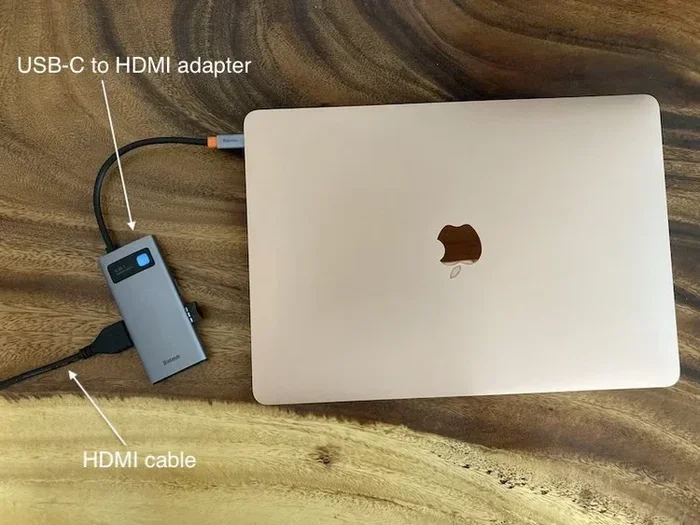
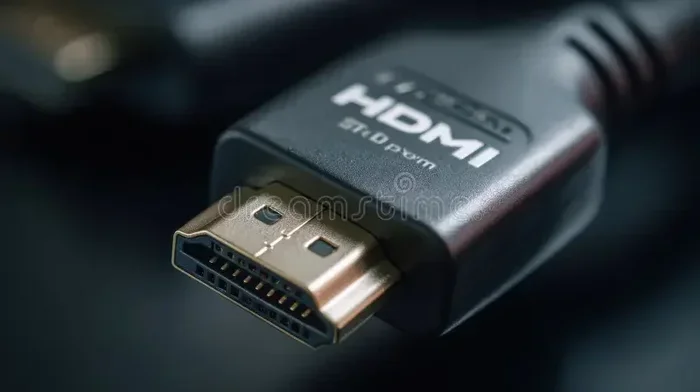
A male to female HDMI cable is an adapter that has a male HDMI plug on one end and a female HDMI port on the other. The male side plugs into your source device, like a laptop, gaming console, or streaming stick. The female side accepts another HDMI cable or directly connects to a display. This simple design lets you bridge two devices that would not otherwise connect easily.
The term “male to female” refers to the physical connector types. A male connector has pins that stick out. A female connector has slots that receive those pins. When you combine them, you create a solid electrical connection that carries both audio and video signals. This is the foundation of how all HDMI connections work.
How HDMI Connectors Work
HDMI stands for High-Definition Multimedia Interface. It is a standard for transmitting uncompressed digital audio and video over a single cable. The male plug contains tiny pins that align with the female port’s slots. When they connect, the signal flows seamlessly from one device to another.
A standard HDMI cable has 19 pins inside the connector. These pins handle different tasks like video resolution, audio channels, and control signals. A male to female HDMI cable simply passes all of these signals through without altering them. That means you get the same quality on both ends of the connection.
One important thing to know is that the adapter itself does not convert the signal. It just changes the physical shape of the connection. The digital signal stays intact. This is why these adapters are often called “passive” adapters. They do not need power to work.
Types of Male to Female HDMI Cables Available
Not all male to female HDMI adapters are the same. Different types serve different needs. Understanding the options helps you make the right choice for your setup.
Standard HDMI Adapters
A standard male to female HDMI adapter handles basic 1080p video and multi-channel audio. It works great for most everyday setups. If you are connecting a Blu-ray player to a TV or a laptop to a monitor, a standard adapter gets the job done. These are the most affordable and widely available options on the market.
High-Speed HDMI Adapters
High-speed male to female HDMI adapters support 4K resolution and even 3D content. They are ideal for modern home theater setups and gaming consoles. If you want to enjoy ultra-high-definition video, you need a high-speed adapter. Look for cables labeled “Premium High Speed” or “Ultra High Speed” to ensure they meet the latest HDMI standards.
HDMI Adapters with Ethernet
Some male to female HDMI adapters include an Ethernet channel. This lets you share an internet connection between devices without a separate network cable. While not everyone needs this feature, it can be handy in smart home setups or office environments where networking simplicity matters.
Right-Angle Male to Female HDMI Adapters
Right-angle adapters bend the cable at a 90-degree angle. They are perfect for tight spaces where a straight connector would not fit. These are especially popular in entertainment centers and wall-mounted TV setups. A right-angle HDMI adapter keeps your cables neat and prevents damage from tight bending.
Common Uses for Male to Female HDMI Cables
Male to female HDMI cables are incredibly versatile. People use them in many different scenarios every single day. Here are some of the most common applications.
Home Theater Setups
If you have a soundbar, AV receiver, or projector, a male to female HDMI cable can extend your connection reach. Sometimes your devices are too far apart for a single cable to reach. An adapter lets you add length or change the direction of the connection without buying a longer cable. This is especially useful in dedicated home theater rooms where cable management matters.
For those exploring broader entertainment options, you might also want to check out alternatives to Dish Network and DirectTV that could complement your HDMI setup with different streaming or satellite solutions.
Office and Business Displays
In office environments, presentations often require connecting a laptop to a projector or large monitor. A male to female HDMI adapter makes this quick and easy. IT departments frequently keep these adapters on hand because they solve compatibility issues between different brands and models of equipment. They are small, affordable, and incredibly useful.
Streaming Device Setups
Streaming sticks and boxes like Roku, Amazon Fire TV, and Apple TV all use HDMI connections. Sometimes the HDMI port on your TV is already occupied by another device. A male to female HDMI cable lets you daisy-chain devices or switch between them without unplugging and replugging cables constantly.
For broader connectivity advice and options, exploring resources like alternatives to Dish Network and DirectTV can give you more ideas for optimizing your entire entertainment setup around your HDMI connections.
Gaming Consoles and PCs
Gamers often need to connect multiple devices to a single display. A male to female HDMI adapter can help manage these connections. Whether you are hooking up a PlayStation, Xbox, or gaming PC to a monitor or TV, these adapters provide the flexibility to switch between devices effortlessly.
How to Choose the Right Male to Female HDMI Cable
Picking the right adapter might seem simple, but a few key factors can make a big difference in your experience. Here is what you should consider before buying.
Cable Length and Signal Quality
The length of your cable matters more than most people realize. A longer cable can lead to signal degradation, especially with lower-quality adapters. For the best results, keep your male to female HDMI cable as short as possible while still reaching your devices. If you need a longer run, consider using a high-quality active HDMI cable or a signal booster.
As a general rule, standard HDMI cables work well up to about 15 feet. Beyond that, you may notice a drop in signal quality. For runs longer than 25 feet, invest in a premium high-speed cable or an active HDMI extension.
Compatibility Considerations
Not all HDMI adapters work with all devices. Check the HDMI version on both your source device and your display. HDMI 2.0 supports 4K at 60Hz, while HDMI 2.1 supports 4K at 120Hz and even 8K. Make sure your male to female HDMI cable supports the version you need. Using an older adapter with a newer device can limit your resolution and refresh rate.
Also check the connector size. Standard HDMI is the most common, but some devices use mini HDMI or micro HDMI. You can find adapters for all sizes, so make sure you buy the right one for your specific devices.
Build Quality and Durability
Cheap adapters can cause all sorts of problems. Loose connections, intermittent signal loss, and poor audio quality are common issues with low-quality cables. Look for adapters with solid metal housings and secure click-fit connections. A well-built male to female HDMI cable will last for years without any issues.
Price vs. Performance
You do not need to spend a fortune on an HDMI adapter. A basic standard adapter costs just a few dollars. High-speed and premium adapters with Ethernet may cost a bit more but offer better performance and durability. The key is to match the adapter quality to your actual needs. If you only need a simple connection for a laptop and monitor, a basic adapter works perfectly.
Comparison: Male to Female HDMI Cable Types
Here is a quick comparison of the most common male to female HDMI cable types to help you decide which one fits your needs best.
| Type | Max Resolution | Best For | Price Range |
|---|---|---|---|
| Standard HDMI Adapter | 1080p | Basic setups, office displays | $3 – $8 |
| High-Speed HDMI Adapter | 4K @ 60Hz | Home theater, gaming | $8 – $20 |
| Ultra High-Speed HDMI Adapter | 4K @ 120Hz / 8K | Premium gaming, 4K streaming | $15 – $35 |
| HDMI Adapter with Ethernet | 4K @ 60Hz | Smart home, networked setups | $10 – $25 |
| Right-Angle HDMI Adapter | Varies by model | Tight spaces, wall-mounted TVs | $5 – $15 |
Common Mistakes and How to Avoid Them
Even though male to female HDMI cables are simple devices, people still make mistakes that cause frustration. Here are the most common errors and how to avoid them.
Buying the wrong HDMI version. This is the number one mistake. If your TV supports 4K but your adapter only supports 1080p, you will not get the resolution you paid for. Always check the HDMI version of both your devices and your adapter before purchasing.
Using too long a cable without a signal booster. Long cables can weaken the digital signal. If you need to run a cable more than 15 feet, use a high-quality cable or add an active signal booster to maintain picture and sound quality.
Ignoring cable management. A messy cable setup can lead to accidental disconnections and damage. Use cable ties, clips, or raceways to keep your male to female HDMI cable arrangement neat and secure.
Forcing a connector that does not fit. HDMI connectors come in standard, mini, and micro sizes. Forcing the wrong connector can damage both the adapter and your device. Always double-check the connector type before plugging anything in.
Skipping the handshake test. After connecting everything, always power on your devices and check the display. Sometimes the connection needs a moment to “handshake” and establish the link. If you see no signal, try unplugging and replugging the adapter.
Expert Tips for Better HDMI Connections
Getting the most out of your male to female HDMI cable is easier than you think. Here are some expert tips that make a real difference.
First, always clean your HDMI ports before connecting anything. Dust and lint can block the pins and cause poor connections. A quick blast of compressed air or a gentle brush works wonders.
Second, label your cables. If you have multiple HDMI devices in your setup, a simple label on each cable saves a lot of confusion when troubleshooting issues later.
Third, invest in adapters with gold-plated connectors. Gold plating reduces corrosion and ensures a reliable connection over time. It is a small upgrade that pays off in the long run.
Fourth, keep your firmware updated. Many HDMI issues stem from outdated device software. A simple firmware update on your TV or source device can resolve compatibility problems with your male to female HDMI cable.
Fifth, test each connection individually. If you have a complex setup with multiple adapters, test each one separately before connecting everything together. This helps you isolate any problem quickly.
Sixth, store spare adapters properly. Keep them in a small pouch or case to prevent damage. A well-protected adapter lasts much longer than one tossed in a drawer.
Finally, do not hesitate to replace old cables. HDMI technology evolves quickly. An adapter that worked perfectly five years ago may not support the latest resolutions and features. Upgrading your cables ensures you always get the best picture and sound possible.
Final Thoughts
A male to female HDMI cable is one of those small accessories that makes a huge difference in your daily tech life. Whether you are setting up a home theater, connecting office equipment, or managing a complex streaming setup, these adapters solve real problems. They are affordable, easy to use, and widely available.
The key takeaway is simple: know your devices, choose the right adapter type, and pay attention to cable quality. With the right male to female HDMI cable in hand, you will enjoy clean, reliable audio and video connections every single time. Take a few minutes to assess your setup today, and you will wonder how you ever managed without one.
Start by identifying which devices need connection, measure the distance between them, and pick the appropriate adapter type. You will be up and running in minutes. Happy connecting.
Frequently Asked Questions
Can you get male to female HDMI cables at any electronics store?
Yes, male to female HDMI cables are available at most electronics stores, online retailers, and even grocery stores. They are one of the most common and affordable HDMI accessories you can buy. Popular online marketplaces also carry a wide variety of options at different price points.
Do male to female HDMI cables reduce signal quality?
A quality male to female HDMI cable does not reduce signal quality because it is a passive adapter. It simply changes the connector shape without altering the digital signal. However, a poorly made or overly long cable can lead to signal degradation, so always choose reputable brands.
Can I use a male to female HDMI cable for 4K video?
Yes, but you need a high-speed or ultra high-speed male to female HDMI adapter. Standard adapters only support up to 1080p resolution. Check the HDMI version and speed rating on the packaging to make sure it supports 4K or higher.
Are male to female HDMI adapters plug and play?
Absolutely. Most male to female HDMI cables are plug and play, meaning you do not need to install any drivers or software. Simply plug the male end into your source device and the female end into your display or another cable. The connection should work immediately.
How long do male to female HDMI cables typically last?
A well-built male to female HDMI cable can last for many years. Metal-housed adapters tend to outlast plastic ones. The lifespan also depends on how often you plug and unplug the cable. With proper care, a quality adapter should serve you reliably for a long time.
Can I daisy-chain multiple male to female HDMI adapters together?
You can daisy-chain adapters, but doing so may weaken the signal over distance. Each additional connection introduces a potential point of failure. For best results, limit daisy-chaining and use a single high-quality cable or active HDMI extender for longer runs.