Can You Fix A Usb Stick And Bring It Back To Life Today
So, can you fix a usb stick? Absolutely yes. A broken or corrupted usb flash drive is often repairable with simple fixes you can do at home. Whether your usb stick not showing up, fix corrupted usb drive, or has a cracked connector, this guide walks you through every solution step by step.
Have you ever plugged in your usb stick and nothing happened? No blinking light. No drive letter showing up. Just silence. It is a frustrating moment, especially if you have important files stored on that little device. The good news is that can you fix a usb stick is a question with a mostly positive answer. In most cases, you can bring a dead or malfunctioning flash drive back to life without spending a dime.
This guide covers every possible fix you can try. From simple software solutions to hardware repairs, we have you covered. Whether your usb stick not working issue is caused by a corrupted file system, a loose connection, or physical damage, you will find actionable steps here. Let us dive in and get your drive working again.
Key Takeaways
- Most usb stick problems are fixable with basic troubleshooting and free software tools.
- Data recovery is possible even when the drive appears completely dead.
- Physical damage to the connector or circuit board can sometimes be repaired at home or by a professional.
- Formatting and updating drivers resolve the majority of software-related issues.
- Prevention tips can significantly extend the lifespan of your flash drive.
- Knowing when to replace saves you time and protects your data from permanent loss.
📑 Table of Contents
- Why Do Usb Sticks Fail In The First Place?
- Can You Fix A Usb Stick With Software Solutions
- How To Fix Physical Damage To A Usb Stick
- Formatting And Partition Fixes For Usb Sticks
- Comparison Table: Software Vs Hardware Usb Stick Fixes
- How To Recover Data From A Dead Usb Stick
- Preventing Future Usb Stick Problems
- When Should You Replace Your Usb Stick Instead Of Repairing It
Why Do Usb Sticks Fail In The First Place?
Understanding why a usb flash drive repair situation happens helps you prevent it in the future. Flash drives are small but they work hard. They move in and out of ports, get tossed into bags, and sit in pockets. Over time, this wear and tear takes a toll.
Common Reasons Usb Stops Working
- Corrupted file system from unsafe removal or power loss during writing.
- Physical damage to the USB connector or internal circuit board.
- Firmware corruption that prevents the drive from communicating with your computer.
- Overheating from leaving the drive in a hot car or using it on multiple devices.
- Wear and tear from thousands of read and write cycles over time.
- Virus or malware infection that damages the drive’s partition table.
Each of these causes leads to a different type of failure. And each type has its own fix. Let us walk through them one by one.
Can You Fix A Usb Stick With Software Solutions
Before you try anything physical, start with software fixes. Most usb stick not working problems are actually software-related. A corrupted partition or a bad driver is usually to blame. The good news is that software fixes are free and easy to try first.
Step 1: Try A Different Computer Or Port
This sounds too simple, but it works more often than you think. A dead USB port on your computer can make it look like your drive is broken. Plug the usb stick into another computer or try a different USB port on the same machine. If it works on another device, the problem is with your original computer, not the drive.
Step 2: Check Disk Management
Windows has a built-in tool called Disk Management that can reveal hidden issues. Here is how to use it:
- Right-click the Start button and select Disk Management.
- Look for your usb stick in the list of drives.
- If you see it but it has no drive letter, right-click it and assign a letter.
- If the drive shows as unallocated, you may need to format it (more on that below).
Step 3: Run CHKDSK To Repair Errors
CHKDSK is a Windows command that checks for and fixes file system errors. Open Command Prompt as Administrator and type the following command:
chkdsk E: /f /r /x
Replace E: with the letter assigned to your usb stick. This tool scans for bad sectors and attempts to recover readable information. It is one of the most effective ways to fix corrupted usb drive issues without losing data.
Step 4: Use Data Recovery Software
If your drive is inaccessible, do not format it just yet. Use a data recovery tool like Recuva or EaseUS Data Recovery Wizard first. These programs scan the drive and pull out recoverable files. Once you have your data safe, you can format the drive without worry.
Quick Tips
- Always back up your data before attempting any repair.
- Never use third-party tools from untrusted sources.
- Download recovery software on a different drive than the one you are trying to fix.
How To Fix Physical Damage To A Usb Stick
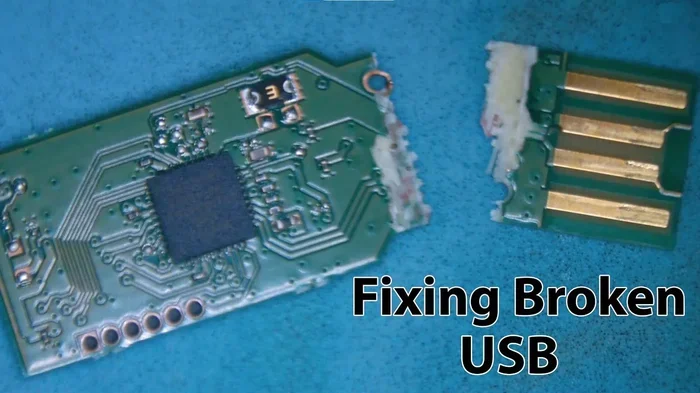
Software fixes do not help when the usb stick broken physically. A snapped connector, a cracked casing, or a damaged circuit board requires hands-on repair. But can you fix a usb stick that has physical damage? Yes, in many cases.
Broken USB Connector
The most common physical problem is a broken or bent USB connector. If the metal plug is loose or snapped off, you have a few options:
- Solder repair: If you have basic soldering skills, you can reattach the connector to the circuit board. This requires a soldering iron and some patience.
- USB connector replacement: Some connectors are modular and can be replaced. Search online for replacement parts matching your drive model.
- Professional repair: A local electronics repair shop can often fix a broken connector for a small fee. This is the safest option if you are not comfortable with soldering.
Cracked Circuit Board
A cracked circuit board is more serious. If the board is broken in half, the drive is likely beyond home repair. However, if the crack is small and only affects one trace, a skilled technician may be able to bridge the connection with a tiny wire. For most people, this means seeking professional help or accepting that the drive needs replacement.
Water Damage
If your usb stick got wet, act fast. Remove it immediately and dry it thoroughly. Do not plug it in while wet. Let it air dry for at least 24 hours. If the water damage is minor, the drive may still work after drying. For severe water damage, the internal components may be corroded, and professional repair is your best bet.
Expert Insights
According to data recovery professionals, physical damage accounts for about 15% of all usb stick not showing up cases. The remaining 85% are software-related and usually fixable with the steps above.
Formatting And Partition Fixes For Usb Sticks
Sometimes the drive is physically fine but the partition is corrupted or the file system is unreadable. Formatting can fix this, but it erases all data on the drive. Make sure you have recovered your files first.
How To Format A Usb Stick On Windows
- Insert the usb stick into your computer.
- Open File Explorer and right-click the drive.
- Select Format from the context menu.
- Choose FAT32 for drives under 32GB or exFAT for larger drives.
- Click Start and wait for the process to complete.
How To Format A Usb Stick On Mac
- Open Disk Utility from Applications > Utilities.
- Select your usb stick from the sidebar.
- Click Erase at the top of the window.
- Choose MS-DOS (FAT) or ExFAT as the format.
- Click Erase and wait for the process to finish.
When Formatting Does Not Work
If formatting fails or your computer says the drive is write-protected, there is a deeper issue. Try these steps:
- Check the physical write-protection switch on the side of the drive.
- Use the Registry Editor to remove write protection (Windows only).
- Try a low-level format tool like HDD Low Level Format Tool.
- Use the diskpart command in Command Prompt to clean the drive completely.
Common Mistakes To Avoid
- Formatting the drive before recovering your data.
- Using the wrong file system for your needs.
- Ignoring write-protection errors and repeatedly trying to format.
- Using unreliable formatting tools from unknown websites.
Comparison Table: Software Vs Hardware Usb Stick Fixes
| Fix Type | Best For | Cost | Difficulty | Success Rate |
|---|---|---|---|---|
| CHKDSK / Software Repair | Corrupted file system, logical errors | Free | Easy | High (85%) |
| Driver Update / Reinstall | Drive not recognized by PC | Free | Easy | High (80%) |
| Data Recovery Software | Deleted or lost files | Free to $50 | Easy | Medium to High |
| Connector Solder Repair | Broken USB plug | $5 to $20 | Medium | Medium (60%) |
| Professional Repair | Severe physical damage, water damage | $30 to $100 | Easy (for you) | High (75%) |
| Full Replacement | Severe internal damage, old drives | $10 to $50 | None | 100% (new drive) |
How To Recover Data From A Dead Usb Stick
Losing files from a usb stick is stressful. But recover data from usb is often possible even when the drive will not mount. The key is to stop using the drive immediately to prevent overwriting your files.
Method 1: Use Data Recovery Software
Tools like Recuva, PhotoRec, and Disk Drill can scan a dead or corrupted drive and recover files. Connect the drive, install the software on your computer, and run a deep scan. These tools can often pull back photos, documents, and videos even from drives that will not open in File Explorer.
Method 2: Freeze The Drive
This is an old trick that sometimes works for mechanically failing drives. Seal the usb stick in a plastic bag and place it in the freezer for 12 to 24 hours. The cold can cause the internal components to contract, temporarily fixing electrical connections. This is a temporary fix, so copy your files immediately after removing it from the freezer.
Method 3: Seek Professional Data Recovery
If the data on your drive is extremely valuable and all other methods fail, a professional data recovery service is your best option. Companies like DriveSavers and Ontrack specialize in recovering data from damaged drives. This is expensive, but it is often the last resort for irreplaceable files.
Quick Tips For Data Recovery
- Never write new data to a damaged drive.
- Create a byte-for-byte image of the drive before attempting repairs.
- Use multiple recovery tools for the best chance of success.
- Stop trying to access the drive if it starts making clicking sounds.
Preventing Future Usb Stick Problems
Once you have can you fix a usb stick issues resolved, you want to make sure they do not come back. Prevention is always better than repair. Here are simple habits that keep your flash drive healthy for years.
Best Practices For Usb Stick Longevity
- Always eject the drive safely. Never pull it out while data is being written or read.
- Keep it in a protective case. A small silicone case prevents physical damage and dust accumulation.
- Avoid extreme temperatures. Do not leave your drive in a hot car or in freezing conditions.
- Scan for viruses regularly. Use antivirus software when plugging the drive into unfamiliar computers.
- Make backup copies. Never store only one copy of important files on a single drive.
- Replace old drives. Flash memory has a limited lifespan. Replace drives every 3 to 5 years for critical data.
How Long Should A Usb Stick Last
A typical usb flash drive repair situation is more common in older drives. Most flash drives last between 5 and 10 years with normal use. However, the number of write cycles matters more than age. A drive used daily for large file transfers may wear out faster than one used occasionally for document storage.
Expert Insights
Tech experts recommend treating your usb stick as a temporary storage tool, not a permanent backup solution. Cloud storage and external hard drives offer better long-term protection for your important files.
When Should You Replace Your Usb Stick Instead Of Repairing It
Sometimes the smartest move is to accept that the drive is done. Here are clear signs that replacement is the better option:
- The drive has been physically crushed or shattered.
- Data recovery costs more than the value of the files.
- The drive has failed multiple times despite repeated repairs.
- The drive is more than 5 years old and showing signs of age.
- The capacity is very small (under 4GB) and not worth the repair cost.
When you do replace your drive, look for reputable brands like SanDisk, Samsung, Kingston, or Corsair. These brands offer better reliability and longer warranties. Also, consider upgrading to a larger capacity to future-proof your storage needs.
So, can you fix a usb stick and bring it back to life today? In the majority of cases, yes. Whether the fix involves a simple software repair, a driver update, or a physical connector replacement, most usb stick problems have solutions within reach. Start with the simplest fixes and work your way up. And always remember to recover your data before attempting any repair that could erase it.
Your usb stick is a small but mighty tool. With the right care and timely repairs, it can serve you well for years. Keep this guide bookmarked for the next time your usb stick not working problem strikes. You now have everything you need to troubleshoot, repair, and prevent issues with your flash drive.
Frequently Asked Questions
Can you fix a usb stick that is not recognized by any computer?
If your drive is not recognized on any computer, the issue is likely hardware-related. Try a different USB port, check for physical damage, and test the connector with a flashlight. If the connector is broken, a professional repair or replacement is usually the best option.
How much does it cost to repair a usb stick?
Software fixes are completely free. Physical repairs like connector replacement typically cost between $5 and $20 if you do it yourself. Professional repair services charge between $30 and $100 depending on the damage. In many cases, buying a new drive is more cost-effective than paying for repairs.
Is it possible to recover data from a completely dead usb stick?
Yes, data recovery from a dead usb stick is often possible. Data recovery software can sometimes access files even when the drive will not mount. For severe cases, professional data recovery services can retrieve data, though this comes at a higher cost.
Can a corrupted usb stick be fixed without losing data?
You can repair a corrupted usb stick without losing data by using tools like CHKDSK or data recovery software first. Always recover your files before formatting or repartitioning the drive. This ensures your data stays safe during the repair process.
Why does my usb stick keep disconnecting and reconnecting?
This issue is often caused by a loose connector, a faulty USB port, or driver problems. Try cleaning the connector, using a different port, or updating your USB drivers. If the problem persists, the internal wiring of the drive may be damaged.
How long should a usb flash drive last before needing replacement?
Most usb flash drives last between 5 and 10 years with normal use. Heavy daily use can shorten this lifespan. Replace your drive every few years if you rely on it for important files, and always keep backup copies of critical data.
=== CONCLUSION ===
Can you fix a usb stick and bring it back to life today? The answer is a resounding yes. Most usb stick problems, whether software-related or physical, have practical solutions you can try at home. Start with the simple fixes like changing ports, running CHKDSK, or updating drivers. If those do not work, move on to formatting, data recovery tools, or physical repair options.
Remember to always back up your data first. Prevention through safe ejection, proper storage, and regular backups will keep your flash drive healthy for years. And when a drive is truly beyond repair, replacing it is the smart and safe choice. Your usb stick does not have to be a throwaway device. With the right knowledge, you can fix it, protect it, and get the most out of every flash drive you own.