Can You Build A Bluetooth Speaker And Start Making Music
Yes, you absolutely can build a Bluetooth speaker and start making music right at home. This guide walks you through every step, from picking the right Bluetooth module to crafting your own speaker enclosure. You do not need advanced electronics skills to create a portable wireless speaker that sounds great. We cover DIY Bluetooth speaker kits, wiring diagrams, and real-world tips to help you succeed. By the end, you will have the confidence to build your own homemade Bluetooth speaker and enjoy Bluetooth audio on your terms.
Have you ever wondered if you can build a Bluetooth speaker and start making music? The answer is a loud and clear yes. Building your own DIY Bluetooth speaker is one of the most satisfying electronics projects you can try at home. It does not matter if you are a complete beginner or a seasoned tinkerer. This guide will show you exactly how to do it.
When you build a Bluetooth speaker from scratch, you gain full control over the sound, the design, and the features. You are not stuck with whatever is on the store shelf. You get to choose every component, every color, and every detail. Plus, there is something incredibly rewarding about playing music through a speaker you built with your own hands. Let us dive into everything you need to know.
Key Takeaways
- You Can Build A Bluetooth Speaker: With basic tools and a clear guide, anyone can create a working wireless speaker at home.
- Core Components Matter: A Bluetooth module, amplifier, speaker driver, and battery form the foundation of every build.
- Enclosure Design Affects Sound: The box you build directly impacts bass, clarity, and overall audio performance.
- Start Simple: Beginner-friendly kits and pre-built boards make the process much easier for first-timers.
- Avoid Common Mistakes: Skipping proper wiring, ignoring impedance matching, and poor enclosure sealing are the top errors to watch for.
- Customization Is the Fun Part: You can choose colors, shapes, and materials to make your speaker truly unique.
- It Is a Rewarding Project: Building a wireless speaker teaches real electronics skills and delivers a usable product you can be proud of.
📑 Table of Contents
- Why Build A Bluetooth Speaker?
- What You Need to Build A Bluetooth Speaker
- Step-by-Step Guide to Building Your Bluetooth Speaker
- Common Mistakes to Avoid When Building A Bluetooth Speaker
- Comparison: Buy vs Build A Bluetooth Speaker
- Advanced Tips to Improve Sound Quality
- Where to Find Parts and Kits for Building A Bluetooth Speaker
- Final Thoughts on Building A Bluetooth Speaker
Why Build A Bluetooth Speaker?
Before we get into the nuts and bolts, let us talk about why this project is worth your time. Building a wireless speaker is more than just a fun weekend activity. It is a chance to learn real skills and create something useful.
It Saves Money
Store-bought Bluetooth speakers can cost anywhere from 30 to 300 dollars or more. When you build your own, you spend a fraction of that. A basic Bluetooth speaker kit can cost as little as 20 to 40 dollars. You end up with a custom speaker that sounds just as good, if not better.
You Learn Real Electronics Skills
Every build teaches you something new. You will understand how Bluetooth audio works, how amplifiers boost sound, and how speaker drivers turn electrical signals into music. These are practical skills that apply to many other DIY electronics projects too.
Total Creative Freedom
Want a speaker shaped like a rocket? A cube? A retro radio? You decide. When you build a wireless speaker yourself, the design is completely up to you. You can match it to your decor, your personality, or your mood.
What You Need to Build A Bluetooth Speaker
Now let us talk about the actual parts. You do not need a massive toolbox or a lab full of expensive gear. Here is everything you need to get started.
Core Components for Your Build
Every Bluetooth speaker needs a few essential parts. Without these, your project will not work. Here are the key components:
- Bluetooth Module: This is the brain that receives wireless signals from your phone or tablet. Popular choices include the HC-05, CSR8645, and the LM4871-based boards.
- Audio Amplifier: This boosts the weak signal from the Bluetooth module so it can drive the speaker driver. The PAM8403 and TPA3116 are favorite picks among builders.
- Speaker Driver: This is the actual cone that creates sound. Sizes range from 3 inches to 8 inches. Bigger drivers generally produce deeper bass.
- Rechargeable Battery: A 3.7V lithium-ion battery or a 12V sealed lead-acid battery keeps your speaker portable. Make sure it has enough capacity for several hours of playtime.
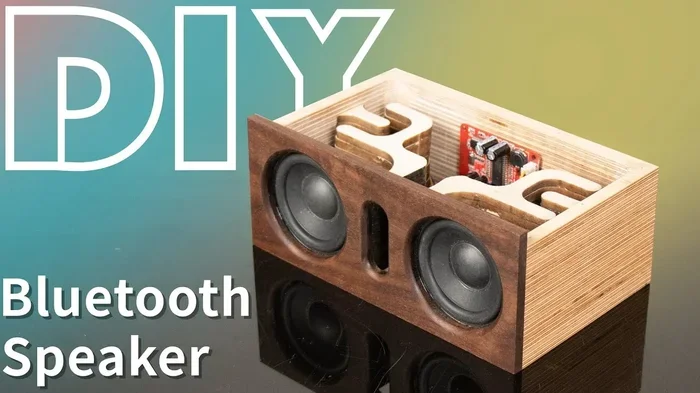
- Speaker Enclosure: This is the box that holds everything together. You can buy one or build one from wood, acrylic, or even a 3D printer.
- Charging Module: A TP4056 module handles safe battery charging. It prevents overcharging and extends battery life.
- Wires and Connectors: You will need solder, wire strippers, and various connectors to tie everything together.
Recommended Tools
You do not need a professional workshop. Here are the basic tools that will get the job done:
- A soldering iron with solder
- A multimeter to test connections
- A hot glue gun for securing parts
- A drill for mounting holes
- Sandpaper for smoothing enclosure edges
- Wire cutters and strippers
Step-by-Step Guide to Building Your Bluetooth Speaker
Now comes the fun part. Let us walk through the process of building a Bluetooth speaker step by step. Follow these instructions carefully, and you will have a working speaker in no time.
Step 1: Plan Your Design
Before you touch any components, sketch out your design. Decide on the size, shape, and layout of your speaker enclosure. Think about where the Bluetooth module, amplifier, and battery will sit. A quick sketch saves time and prevents mistakes later. Many builders use online tools like SketchUp or even pen and paper for this step.
Step 2: Prepare the Enclosure
Your enclosure is the body of your speaker. It needs to be sturdy and well-sealed to prevent air leaks. Here is how to prepare it:
- Cut your wood or acrylic to the right dimensions
- Sand all edges smooth to avoid splinters
- Drill holes for the speaker driver, charging port, and power switch
- Test-fit all components before moving on
Quick Tip: Use a sealed enclosure for tighter bass. A ported design gives louder bass but requires more precise calculations. For beginners, a sealed box is the easiest and most forgiving option.
Step 3: Wire the Amplifier and Bluetooth Module
This is the heart of your DIY Bluetooth speaker. Follow these steps carefully:
- Connect the Bluetooth module output to the amplifier input using short, clean wires
- Solder each connection firmly and apply heat shrink tubing for insulation
- Connect the amplifier output to the speaker driver
- Wire the battery to the amplifier and Bluetooth module power inputs
- Double-check every connection with your multimeter before powering on
Expert Insight: Always match impedance. If your speaker driver is 4 ohms, make sure your amplifier is rated for 4 ohms. Mismatched impedance can damage your components and ruin your sound quality.
Step 4: Install the Battery and Charging Module
Place the battery inside the enclosure securely. Use double-sided tape or a small bracket to prevent it from moving. Connect the TP4056 charging module to the battery and to your power input jack. This allows you to recharge your speaker using a standard USB cable.
Step 5: Test and Fine-Tune
Once everything is wired, power on your speaker and try pairing it with your phone. Play some music and listen carefully. Check for:
- Clear, distortion-free sound at all volumes
- Strong Bluetooth pairing range (typically 30 feet or more)
- Battery life that lasts several hours on a single charge
- No strange buzzing or humming noises
If you hear distortion, check your wiring. If the battery dies too quickly, consider a larger capacity battery. Tweaking is part of the process, and every build gets better with iteration.
Common Mistakes to Avoid When Building A Bluetooth Speaker
Even experienced builders make mistakes. Knowing what to avoid saves time, money, and frustration. Here are the most common errors people make when they build a Bluetooth speaker.
Skipping the Enclosure Seal
Air leaks are the enemy of good bass. If your speaker enclosure is not airtight, you will lose low-end sound and your speaker will sound thin. Always use wood glue or silicone sealant on every seam. Press the speaker driver firmly into its mount and use gasket material if needed.
Using the Wrong Amplifier
Not all amplifiers are created equal. Some are designed for specific speaker sizes and impedances. Using the wrong amplifier can lead to weak sound, overheating, or even fried components. Always check the specifications before you buy.
Ignoring Battery Safety
Lithium-ion batteries can be dangerous if handled improperly. Never short-circuit a lithium battery. Always use a charging module with built-in protection. Do not leave your speaker charging unattended for long periods.
Rushing the Wiring
Cold solder joints and loose connections cause more problems than almost anything else. Take your time. Make clean solder joints. Test each section before moving on. A few extra minutes of care now save hours of troubleshooting later.
Comparison: Buy vs Build A Bluetooth Speaker
Still on the fence? Let us compare buying a speaker versus building one side by side.
| Factor | Buy a Speaker | Build a Speaker |
|---|---|---|
| Cost | 30 to 300+ dollars | 20 to 80 dollars |
| Customization | Limited to what is available | Total freedom over design and parts |
| Sound Quality | Good, but fixed | Can exceed store-bought with the right parts |
| Learning Value | None | High, real electronics skills |
| Time Investment | Minutes to buy | A few hours to a weekend |
| Portability | Depends on model | You choose the size and battery |
| Satisfaction | Good | Incredibly rewarding |
As you can see, building your own Bluetooth speaker offers advantages that buying simply cannot match. Yes, it takes more time upfront. But the result is a custom, high-quality portable speaker that you can be genuinely proud of.
Advanced Tips to Improve Sound Quality
Once you have built your first DIY Bluetooth speaker, you might want to improve it further. Here are some advanced tips that experienced builders swear by.
Add a Crossover Circuit
A crossover separates high frequencies from low frequencies and sends each to the right driver. This dramatically improves clarity and detail in your music. You can buy a passive crossover or build an active one using a simple circuit board.
Use Damping Material Inside the Enclosure
Adding polyfill, acoustic foam, or even old cotton fabric inside your enclosure reduces unwanted resonance. This makes your sound cleaner and more natural. Stuff the enclosure loosely, not tightly. You want just enough to absorb stray sound waves.
Upgrade Your Bluetooth Module
Basic Bluetooth modules work fine, but newer ones support Bluetooth 5.0 or higher. These offer better range, lower latency, and support for codecs like aptX and LDAC. If you want the best Bluetooth audio quality, consider upgrading your module.
Experiment With Different Speaker Drivers
Not all drivers sound the same. A full-range driver gives a balanced sound. A tweeter adds sparkle to high notes. A dedicated woofer delivers punchy bass. Many builders use a combination of drivers for a richer, more dynamic sound profile.
Where to Find Parts and Kits for Building A Bluetooth Speaker
If you are ready to start, you need to know where to find quality parts. Here are some trusted sources for Bluetooth speaker kits and individual components.
- Amazon: Wide selection of Bluetooth modules, amplifier boards, and speaker drivers at competitive prices.
- AliExpress: Great for bulk components and budget-friendly kits. Shipping takes longer but prices are hard to beat.
- Adafruit and SparkFun: Premium quality components with excellent documentation and community support.
- Local Electronics Shops: Sometimes the best option. You can ask questions, test parts, and get hands-on advice.
- eBay: Good for finding deals on individual components and used parts.
For beginners, buying a complete Bluetooth speaker kit is the easiest path. These kits include everything you need and often come with detailed instructions. They remove the guesswork and let you focus on the fun part: building and customizing.
Final Thoughts on Building A Bluetooth Speaker
So, can you build a Bluetooth speaker and start making music? Absolutely. The process is straightforward, the parts are affordable, and the results are incredibly rewarding. Whether you build a tiny pocket speaker or a powerful boombox, the experience of creating something with your own hands is unmatched.
Start simple. Use a basic kit, follow the steps, and learn as you go. Each build makes you better. Soon, you will be designing custom enclosures, experimenting with advanced audio circuits, and sharing your creations with friends and family. The world of DIY electronics projects is wide open, and building a Bluetooth speaker is the perfect place to start.
Grab your tools, pick up a Bluetooth speaker kit, and start making music today. Your custom wireless speaker is waiting to come to life.
Frequently Asked Questions
Can a beginner really build a Bluetooth speaker?
Yes, absolutely. Many beginners start with a pre-made kit that includes all the parts and a detailed guide. You do not need any prior electronics experience. As long as you can follow basic instructions and use a soldering iron carefully, you can build a working Bluetooth speaker in a single weekend.
How much does it cost to build a Bluetooth speaker?
A basic Bluetooth speaker build costs between 20 and 50 dollars for all the essential components. If you want premium parts like a high-quality amplifier or a 3D-printed enclosure, you might spend 80 to 120 dollars. Either way, it is still cheaper than most store-bought options.
What kind of battery should I use for my Bluetooth speaker?
A 3.7V lithium-ion battery is the most popular choice for portable builds. It is lightweight, rechargeable, and provides several hours of playtime. For bigger speakers, a 12V sealed lead-acid battery works well, though it is heavier. Always use a TP4056 charging module to keep your battery safe.
How long does it take to build a Bluetooth speaker?
A first-time build typically takes 3 to 5 hours. Experienced builders can finish a speaker in under 2 hours. The time depends on your skill level, the complexity of your design, and whether you are building the enclosure from scratch or using a pre-made one.
Do I need to know how to solder for this project?
Basic soldering skills are very helpful, but not strictly required. You can use screw terminals and plug-in connectors to avoid soldering entirely. However, learning to solder opens up many more possibilities for future electronics projects, and it is not as hard as it looks.
Can I build a waterproof Bluetooth speaker?
Yes, you can. To make a waterproof version, use a sealed enclosure made from plastic or coated wood. Add rubber gaskets around the speaker driver and all openings. Use conformal coating on your circuit boards for extra protection. Just be careful with the charging port, as it is the most vulnerable spot for water damage.
=== CONCLUSION ===
Building a Bluetooth speaker is one of the most enjoyable and rewarding electronics projects you can tackle. It is affordable, educational, and the result is something you will actually use every day. From choosing the right Bluetooth module to designing your own speaker enclosure, every step brings you closer to a finished product that is uniquely yours.
Remember to start simple, avoid the common mistakes we covered, and take your time with the wiring. Each build teaches you something new and improves your skills. Soon, you will be making music through a speaker you built with your own two hands. So grab your components, fire up your soldering iron, and start making music today.