Can You Put A Gobo On An Led Light And How To Do It
Yes, you can put a gobo on an LED light, and it is one of the easiest ways to transform any space with custom patterns and designs. A gobo is a small stencil or template that slides or attaches in front of your LED light source to project shapes, logos, textures, or scenes onto walls and surfaces. Whether you are planning a backyard party, a wedding reception, or just want to add ambiance to your living room, using a gobo with your LED light opens up a world of creative possibilities. In this guide, we will walk you through everything you need to know, from choosing the right gobo to setting it up like a pro.
Have you ever walked into a party or event and noticed those amazing patterns projected on the walls or ceiling? Maybe you saw a starry night scene, a company logo, or a romantic heart shape floating across the room. Those projections are made using something called a gobo, and the good news is that you can use one with an LED light in your own home. Can you put a gobo on an LED light? Absolutely. And once you learn how, you will wonder how you ever lived without one.
A gobo, which stands for “goes before optics,” is simply a stencil or template that sits in front of a light source. When the light shines through or reflects off the gobo, it projects a pattern onto any surface. LED lights are perfect for this because they produce a bright, focused beam that makes patterns pop. Whether you are a party planner, a content creator, or just someone who loves cool lighting effects, adding a gobo to your LED light is a game changer.
In this article, we will cover everything from what a gobo is, to the different types you can buy, to a step-by-step setup guide. By the end, you will have all the knowledge you need to start projecting like a pro. Let us dive in.
Key Takeaways
- Gobos work with most LED lights: You can use gobos with LED projectors, spotlights, and even some standard LED lamps with the right adapter.
- You need the right type of gobo: Metal gobos, glass gobos, and printed plastic gobos each have different use cases and durability levels.
- Distance and focus matter: The farther your light is from the surface, the sharper and larger your projected pattern will be.
- DIY gobos are easy to make: You can create custom stencils using cardstock, metal sheets, or even printed templates for a personal touch.
- Indoor and outdoor use is possible: Gobos look great on walls, ceilings, and even outdoor surfaces, especially when paired with a projector screen setup or dark surface.
- Safety first: Always check heat levels and never place flammable materials too close to your LED light source.
📑 Table of Contents
- What Is a Gobo and Why Use It with LED Lights?
- Types of Gobos You Can Use with LED Lights
- How to Put a Gobo on an LED Light: Step-by-Step
- Best Practices for Using a Gobo with LED Lights
- Common Mistakes to Avoid When Using Gobos with LED Lights
- Expert Tips for Stunning Gobo Projections
- Where to Buy Gobos and LED Projectors
- Conclusion
What Is a Gobo and Why Use It with LED Lights?
A gobo is a thin piece of material, usually metal, glass, or plastic, that has a design cut or etched into it. You place the gobo in front of a light source, and the design gets projected onto a wall, ceiling, or floor. Think of it like a stencil, but instead of spraying paint, you are using light.
LED lights are ideal for gobo use because they are energy efficient, long lasting, and produce very little heat compared to traditional bulbs. This means you can safely place a gobo close to the light without worrying about melting or fire hazards. LED gobo projectors are widely available and come in many shapes and sizes to fit different needs.
How Gobos Create Projection Effects
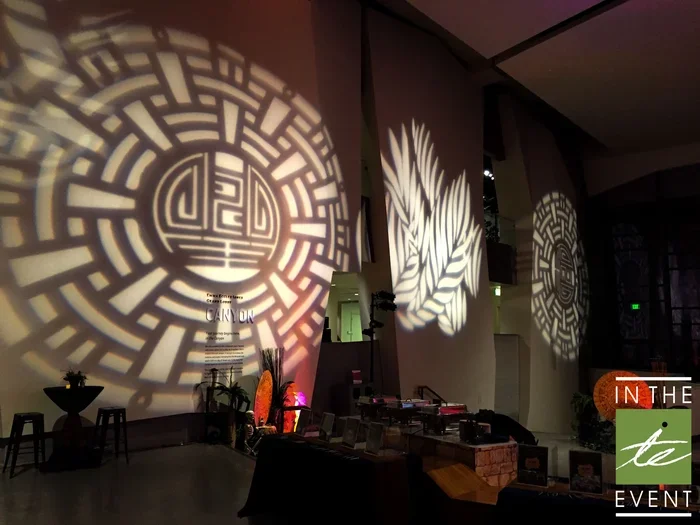
When you turn on an LED light with a gobo attached, the beam of light passes through the cut-out design. The areas where the material is solid block the light, and the areas where it is cut away let the light through. This creates a high-contrast image on whatever surface the light hits. The result is a clean, sharp pattern that can transform any room in seconds.
Some LED lights come with a built-in gobo wheel, which is a rotating disc with multiple designs. This lets you switch between patterns without changing the gobo. It is a great feature if you like variety or are using the light for different occasions.
Common Uses for Gobos with LED Lights
People use gobos with LED lights for all kinds of purposes. Here are some of the most popular ones:
- Parties and events: Project logos, names, or fun shapes onto walls and ceilings.
- Home decor: Create a starry sky effect in a bedroom or a cozy pattern in a living room.
- Photography and videography: Add textured lighting backgrounds for creative shots.
- Outdoor gatherings: Project patterns onto fences, tents, or walls for a festive atmosphere.
- Retail and business: Display branding or promotional messages in store windows or on building exteriors.
No matter what your goal is, a gobo paired with an LED light gives you a professional-looking result without the professional price tag.
Types of Gobos You Can Use with LED Lights
Not all gobos are the same. Different materials and designs serve different purposes. Understanding the options will help you choose the right one for your setup.
Metal Gobos
Metal gobos are the most popular and durable option. They are made from thin sheets of steel or aluminum that are laser-cut into the desired design. Metal gobos produce very crisp, detailed images and can handle high heat, so they work well with powerful LED lights. They are also long lasting and can be used indoors and outdoors.
Glass Gobos
Glass gobos are made from etched or printed glass. They produce the highest quality images with smooth edges and beautiful gradients. Glass gobos are ideal for high-end events, weddings, and professional settings. However, they are more fragile than metal gobos and tend to cost more.
Printed Plastic Gobos
Printed plastic gobos are the budget-friendly option. They are made by printing a design onto a transparent or semi-transparent plastic sheet. These gobos work well for simple patterns and short-term use. They are not as durable as metal or glass gobos, but they are perfect for one-time events or experimenting with gobo lighting for the first time.
DIY Gobos
If you want to create a custom design without spending much money, you can make your own gobo. You can cut a design out of cardstock, thin cardboard, or even a metal file folder. Just make sure the material is heat resistant enough to sit close to your LED light. Some people also print designs on transparency sheets using a laser printer, though inkjet prints will melt from the heat.
How to Put a Gobo on an LED Light: Step-by-Step
Now for the fun part. Setting up a gobo on your LED light is easier than you might think. Follow these steps for a clean, professional-looking projection.
Step 1: Choose the Right LED Light
Not every LED light will work well with a gobo. You want a light that has a focused beam and a housing that can hold a gobo in place. LED spotlights and LED gobo projectors are the best choices. Some LED flashlights and even certain LED panels can work if you can attach a gobo holder in front of the lens.
If you are not sure whether your current LED light will work, look for a model with a removable lens or a built-in gobo slot. Many LED projectors designed for home theater or outdoor use already have this feature.
Step 2: Select and Prepare Your Gobo
Choose a gobo that matches your desired pattern or design. Make sure the gobo is the correct size for your light holder. Most gobos come in standard sizes, but it is always a good idea to double-check the measurements before you buy.
If you are using a DIY gobo, make sure the edges are clean and the design is clear. Any rough or jagged edges can create blurry or distorted projections.
Step 3: Attach the Gobo to the Light
Most LED projectors have a gobo holder or a slot near the front of the light where you can slide the gobo in. If your light does not have a built-in holder, you can use a simple gobo clamp or holder that attaches to the light housing. These are inexpensive and widely available online.
Make sure the gobo is positioned flat and centered in front of the LED lens. Even a slight tilt can cause the projected image to look uneven or distorted.
Step 4: Adjust the Focus and Distance
Turn on your LED light and point it at the surface where you want the pattern to appear. Adjust the focus ring on the light until the pattern looks sharp and clear. The distance between the light and the surface will also affect the size of the projection. Move the light closer for a smaller, sharper image, or farther away for a larger, softer image.
If you are projecting onto a wall, you can also adjust the angle of the light to change the shape of the projection. For the best results, make sure the surface is flat and clean.
Step 5: Fine-Tune and Enjoy
Once you have the focus and distance set, take a step back and admire your work. You may want to adjust the brightness or angle slightly to get the perfect look. If your LED light has color settings, try different colors to see how they affect the gobo pattern. Colored lights can add a whole new mood to your projection.
Best Practices for Using a Gobo with LED Lights
To get the best results from your gobo setup, keep these tips in mind. They will save you time, frustration, and help you create the most impressive projections possible.
Use a Dark Surface for Better Contrast
Gobo projections look their best on darker surfaces. White or very light walls can wash out the pattern and reduce contrast. If you want a vivid image, try projecting onto a dark wall, a curtain, or even a sheet hung on a wall. You can also use blackout curtains as a projector screen for a clean, dark projection surface that makes your gobo patterns really pop.
Keep the Light Stable
Any movement or vibration will make your projected pattern shaky or blurry. Place your LED light on a stable surface or mount it securely. If you are using the light outdoors, make sure it is protected from wind and other elements that could cause it to shift.
Check the Heat Output
Even though LED lights produce much less heat than traditional bulbs, it is still important to check the temperature near the gobo. If the gobo material feels hot to the touch after a few minutes of use, move it slightly further from the lens or switch to a more heat-resistant material. Safety always comes first.
Experiment with Distance and Angle
One of the best things about using a gobo is that you can experiment. Try different distances, angles, and surfaces to see what works best. Sometimes the most creative effects come from unexpected setups. You might be surprised at how a simple pattern looks when projected at an angle or onto an unusual surface.
Pair Your Setup with Other Lighting
For a more dynamic effect, combine your gobo projection with other lighting. You can use ambient LED strips, fairy lights, or even a wall projector alongside your gobo setup. Layering different light sources creates depth and visual interest that will make any space feel more immersive.
Clean Your Gobos Regularly
Dust and fingerprints on your gobo can create spots or shadows in the projected image. Wipe your gobo gently with a soft, lint-free cloth before each use. For metal and glass gobos, a mild glass cleaner works well. Keeping your gobos clean will ensure crisp, clear projections every time.
Common Mistakes to Avoid When Using Gobos with LED Lights
Even with the best intentions, there are some common mistakes that people make when setting up gobos. Avoiding these will help you get better results from the start.
Using the wrong type of gobo for the light. Not every gobo fits every LED light. Make sure the size and shape of your gobo match the holder or slot on your light. Using the wrong size can cause the gobo to shift, fall out, or block too much of the light beam.
Placing the gobo too close to the heat source. While LED lights run cool, some models can still generate noticeable heat near the lens. Always check that your gobo material is heat safe, especially if you are using a DIY cardboard or paper gobo.
Projecting onto a reflective or shiny surface. Shiny walls, mirrors, and glossy surfaces will scatter the light and make the pattern hard to see. Stick to matte, flat surfaces for the clearest projection.
Ignoring the beam angle. Every LED light has a beam angle, which is the width of the light cone. A narrow beam angle creates a smaller, more focused projection, while a wide beam angle creates a larger but dimmer one. Choose a light with the right beam angle for your space.
Not testing the setup before the event. Always set up and test your gobo and LED light well before any party or event. This gives you time to adjust the focus, angle, and distance, and to troubleshoot any issues that come up.
Expert Tips for Stunning Gobo Projections
Want to take your gobo game to the next level? Here are some expert tips that professionals use to create jaw-dropping effects.
- Use multiple gobos at once: Some LED projectors can hold more than one gobo. By using two or three gobos in sequence, you can create moving or layered patterns that add depth to your projection.
- Add color gels: Place a colored gel or filter over your LED light to change the color of the projected pattern. A red gobo on a blue-lit wall creates a dramatic purple effect that looks incredible at events.
- Play with gobo distance: Moving the gobo slightly closer to or further from the LED lens changes the sharpness and size of the projection. Small adjustments can make a big difference.
- Use gobos with text for personal events: If you are projecting a name, date, or message, make sure the text is large and bold. Small or thin letters can be hard to read from a distance.
- Combine gobos with music: If you have a smart LED light that syncs with music, the combination of moving light patterns and sound creates a truly immersive experience.
For those who love experimenting with projection setups, you might also enjoy learning about turning your iPhone into a projector for even more creative possibilities with your lighting effects.
Where to Buy Gobos and LED Projectors
You can find gobos and LED gobo projectors at many online and offline retailers. Here are some popular places to shop:
- Amazon: Wide selection of gobos at various price points, from budget plastic to premium metal and glass.
- Lighting specialty stores: Stores that specialize in stage and event lighting often carry high-quality gobos and custom options.
- Online gobo manufacturers: Many companies sell custom gobos directly, allowing you to upload your own design for a truly unique projection.
- Party supply stores: Some party supply stores carry basic gobo kits that include an LED projector and a few gobo designs.
When shopping, look for gobos that are compatible with your specific LED light model. Check the size, material, and design options before making a purchase. Reading customer reviews can also help you find the best quality for your budget.
Conclusion
So, can you put a gobo on an LED light? Yes, and it is one of the most rewarding and creative upgrades you can make to your lighting setup. Whether you are hosting a party, decorating for a special occasion, or just want to add some visual interest to your home, a gobo paired with an LED light delivers professional-quality results with minimal effort.
The key is to choose the right type of gobo, set up your light correctly, and experiment until you find the look you love. With metal, glass, plastic, or DIY gobos, the possibilities are virtually endless. You now have all the knowledge you need to get started, from understanding the different gobo types to avoiding common setup mistakes.
Go ahead and try it. Set up your LED light, attach a gobo, and watch as your space transforms with beautiful projected patterns. Once you see the magic of gobo lighting, you will not want to stop. Start creating, experimenting, and enjoying the incredible world of gobo lighting effects today.
Frequently Asked Questions
Can any LED light work with a gobo?
Most LED spotlights and projectors can work with a gobo, but the light needs a focused beam and a housing where you can attach a gobo holder. Standard LED bulbs without a reflector or housing are not ideal for gobo use because the light spreads too much to create a clear pattern.
What is the best material for a DIY gobo?
Thin metal, such as an aluminum can or a metal file folder, works best for DIY gobos because it is heat resistant and durable. Cardstock and paper can work for very low-heat LED lights, but they may burn or discolor if the light is too close or too powerful.
How far should the LED light be from the wall for the best projection?
Generally, placing the LED light about 3 to 10 feet from the wall works well for most setups. The farther the light is from the wall, the larger the projection will be. You can adjust the distance until the pattern looks sharp and the size is right for your space.
Can I use a gobo with a color-changing LED light?
Yes, you can. Color-changing LED lights add a fun twist to gobo projections because the pattern color changes along with the light. This creates dynamic, layered effects that look especially impressive at parties and events.
Are glass gobos worth the extra cost?
If you need the highest quality image with smooth edges and beautiful detail, glass gobos are worth the investment. They are more durable than printed plastic gobos and produce the sharpest projections. However, for casual or one-time use, metal or plastic gobos work just fine.
Can I project a gobo outdoors during the day?
Projecting a gobo outdoors during the day is very difficult because sunlight washes out the pattern. Gobos work best in low-light or dark environments. For outdoor use at night, a powerful LED gobo projector will give you the best results.