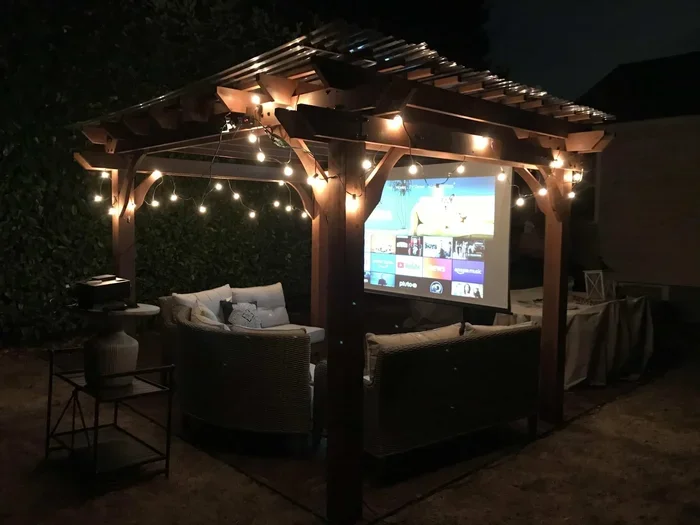
How Big Should My Outdoor Projector Screen Actually Be
Choosing the right outdoor projector screen size can make or break your backyard movie experience. The ideal dimensions depend on your viewing distance, projector type, and the space you have available. This guide walks you through everything you need to know about outdoor projector screen size so you can enjoy crisp, vivid images every time.
There is nothing quite like a backyard movie night under the stars. But the experience can fall flat fast if your outdoor projector screen size is off. Too small, and everyone squints. Too big, and the image looks fuzzy and washed out. Finding that sweet spot is easier than you think.
Whether you are setting up a portable projector screen for a family gathering or building a permanent setup for your outdoor cinema, getting the dimensions right is the single most important step. This guide covers everything from basic measurements to pro tips that will help you pick the perfect projector screen dimensions for your space.
The good news is that you do not need a degree in engineering to figure this out. With a few simple calculations and some practical know-how, you can create an amazing outdoor viewing experience that will have everyone talking. Let us dive in.
Key Takeaways
- Viewing distance is king: The further your seating, the larger your screen needs to be for a comfortable watch.
- Aspect ratio matters: Most projectors use 16:9, which affects how wide and tall your screen should be.
- Ambient light plays a role: Brighter environments may require a larger screen surface to maintain image clarity.
- DIY options are flexible: You can build or repurpose surfaces to match your ideal outdoor projector screen size.
- There is no one-size-fits-all: Your perfect screen depends on your specific setup, space, and preferences.
📑 Table of Contents
- Why Screen Size Matters for Outdoor Projections
- How to Measure the Right Projector Screen Size
- Common Outdoor Projector Screen Sizes Compared
- Factors That Determine Your Ideal Screen Dimensions
- Quick Tips for Sizing Your Outdoor Projector Screen
- Common Mistakes to Avoid When Choosing Screen Size
- Final Thoughts on Outdoor Projector Screen Size
Why Screen Size Matters for Outdoor Projections
You might wonder why screen size gets so much attention. After all, the projector does the heavy lifting, right? Not exactly. The projector screen size directly impacts how your audience perceives the image. A screen that is too small forces viewers to strain their eyes. One that is too large can make the picture look pixelated and lose sharpness.
Outdoor settings add another layer of complexity. Unlike a dark living room, your backyard deals with moonlight, streetlights, and neighbor porch lights. All of these affect how clearly the image appears on your projection surface. A bigger screen can help compensate for some ambient light, but only if it is paired with the right projector brightness and screen material.
Think of it this way. You would not buy shoes that are two sizes too big just because they are available. Your screen needs to fit your space and your viewers. Getting the outdoor projector screen size right is the foundation of a great outdoor movie setup.
Understanding Aspect Ratio and Why It Counts
Before you pick a size, you need to understand aspect ratio. This is the proportional relationship between the width and height of your screen. Most modern projectors use a 16:9 ratio, which matches standard HDTVs and streaming content like Netflix or YouTube. Some projectors use 4:3 or 2.35:1 for a more cinematic feel.
Your aspect ratio shapes how your screen looks in your outdoor space. A 16:9 screen is wider and shorter, making it great for wide seating areas. A 2.35:1 screen is very wide and short, perfect for a true cinema feel but it needs more horizontal space. Choose your ratio first, then build your projector screen dimensions around it.
How to Measure the Right Projector Screen Size
Measuring the right screen size comes down to two main factors: your throw distance and your viewing distance. Let us break both down so you can confidently decide how big should my outdoor projector screen be for your specific setup.
Step One: Measure Your Viewing Distance
Viewing distance is the space between the screen and your audience. This is the most important measurement you will take. The general rule is that the ideal viewing distance should be about 1.5 to 2.5 times the diagonal size of the screen.
For example, if your screen is 100 inches diagonal, your viewers should sit somewhere between 12.5 and 20 feet away. Closer viewers will see the image clearly, while those further back will still enjoy a crisp picture without squinting.
Here is a quick reference to keep in mind:
- Small screen (80 inches): Best for 10 to 16 feet of viewing distance.
- Medium screen (100 to 120 inches): Ideal for 13 to 25 feet of viewing distance.
- Large screen (150 inches and up): Works well for 19 to 37 feet of viewing distance.
Measure the area where your audience will sit. Then work backward to find the screen size that fits. This simple step saves a lot of guesswork and ensures everyone has a great view.
Step Two: Check Your Projector Throw Distance
Throw distance is the space between your projector and the screen. Every projector has a specific throw ratio that tells you how far it needs to be from the screen to produce a given image size. You can find this ratio in your projector manual or on the manufacturer website.
If you have a short throw projector, you can place it closer to the screen and still get a large image. Long throw projectors need more space between the device and the wall or screen. Make sure your outdoor setup has enough room to accommodate this distance before you commit to a specific outdoor projector screen size.
A quick tip. Use an online throw distance calculator. It takes the guesswork out of the equation and gives you precise numbers based on your specific projector model. This is especially helpful when you are planning a permanent setup.
Step Three: Account for Your Available Space
Your backyard or patio has physical limits. You might have a large wall or fence to project onto, or you might be using a freestanding screen. Measure the available surface area first. Then adjust your projector screen dimensions to fit within that space.
Also consider the height of the screen. If the projector is placed on the ground or on a low table, you may need a taller screen or a way to angle the projection upward. Make sure no trees, bushes, or structures block the light path between the projector and the screen.
Common Outdoor Projector Screen Sizes Compared
Not sure where to start? Here is a look at common outdoor projector screen sizes and what they work best for. Use this as a starting point to narrow down your options.
| Screen Size (Diagonal) | Best For | Approximate Viewing Distance | Space Needed |
|---|---|---|---|
| 80 inches | Small patios, intimate gatherings | 10 to 16 feet | 7 x 4.5 feet |
| 100 inches | Medium yards, family movie nights | 13 to 20 feet | 8.7 x 4.9 feet |
| 120 inches | Larger groups, backyard events | 15 to 25 feet | 10.5 x 5.9 feet |
| 150 inches | Big gatherings, outdoor cinema nights | 19 to 30 feet | 13 x 7.3 feet |
| 200 inches | Large open spaces, premium setups | 25 to 40 feet | 17.4 x 9.8 feet |
These numbers assume a 16:9 aspect ratio. Your actual dimensions may vary if you use a different ratio. The key takeaway is to match the screen size to your audience size and seating arrangement. A screen that is too small for a large group will leave people on the edges straining to see.
Factors That Determine Your Ideal Screen Dimensions
Several factors go into choosing the right outdoor projector screen size. Let us walk through the most important ones so you can make a confident decision.
Number of Viewers
How many people will watch at once? A small family of four can enjoy a 100-inch screen comfortably from 15 feet away. A group of 15 or more will likely need a 150-inch or larger screen to ensure everyone sees the image clearly. Think about your typical audience size and plan accordingly.
Ambient Light Conditions
Outdoor environments are naturally brighter than indoor rooms. During the day, ambient light can wash out your projection. At night, streetlights and porch lights can create hotspots on your screen. A larger screen surface helps distribute the projected light more evenly, which can improve visibility in mixed lighting conditions.
If you are dealing with a lot of ambient light, consider using a screen with ambient light rejection technology. These screens are designed to maintain contrast and color accuracy even in bright environments. Pair that with a bright projector, and you will have a vivid image regardless of the time of day.
Screen Material and Gain
Not all screen surfaces are created equal. Screen gain refers to how much light the surface reflects back to the viewer. A high-gain screen reflects more light, which can make the image appear brighter. However, high-gain screens often have a narrower viewing angle, meaning people sitting off to the sides may not see the image as clearly.
A matte white screen with a gain of 1.0 is a safe, versatile choice for most outdoor setups. It offers a wide viewing angle and natural color reproduction. If you want a brighter image, you can opt for a screen with a gain of 1.1 to 1.3. Just be aware of the trade-off in viewing angle.
Portability vs. Permanence
Do you want a setup you can take down after movie night, or are you building something permanent? Portable projector screens come in various sizes and are easy to set up and store. They are perfect for occasional use or if you have limited storage space.
On the other hand, a permanent setup lets you invest in a larger, higher-quality screen. You can build a fixed frame on your fence or wall and use a tensioned screen material for a wrinkle-free surface. If you are handy, you might even consider Can I Make My Own Projector Screen for a budget-friendly custom solution that fits your exact dimensions.
Projector Brightness and Resolution
Your projector capabilities directly impact the ideal screen size. A projector with 3,000 lumens or more can push a large, bright image even in partially lit outdoor areas. A lower-lumen projector will produce a better image on a smaller screen where the light is not spread too thin.
Resolution matters too. A 1080p projector on a 200-inch screen might show visible pixel structure up close. A 4K projector handles larger screens with ease. Match your projector specs to your chosen outdoor projector screen size for the best results.
Quick Tips for Sizing Your Outdoor Projector Screen
Here are some fast, practical tips to keep in mind when you are sizing up your setup:
- Start with your seating area. Measure where people will sit and work backward to the screen size.
- Use a tape measure and masking tape. Mark the proposed screen size on your wall or fence before committing. Step back and see how it looks from the viewing area.
- Test with your actual projector. If possible, do a test run with your projector at the planned throw distance. This gives you a real feel for the image size and brightness.
- Go one size up if you are between options. A slightly larger screen is almost always better than one that is too small. Viewers can adjust their seating, but a small screen cannot stretch to fill a large area.
- Consider a white bedsheet as a budget-friendly screen for testing before you invest in a proper outdoor setup.
- Check your projector manual. Look for the recommended screen size range. Staying within that range ensures optimal image quality.
Common Mistakes to Avoid When Choosing Screen Size
Even with the best intentions, mistakes happen. Here are a few pitfalls to watch out for when planning your outdoor projector screen size.
Skipping the throw distance calculation. Many people pick a screen size and then realize their projector cannot reach it from where they plan to place it. Always calculate throw distance first.
Ignoring the aspect ratio. A 16:9 screen will look different than a 4:3 screen at the same diagonal measurement. Make sure your content matches your screen ratio to avoid black bars or stretched images.
Forgetting about screen height. If your projector is placed low and shoots upward, the bottom of the image may be cut off or distorted. Make sure the entire screen is visible and properly aligned with the projector lens.
Choosing a screen that is too large for the space. Oversized screens can look impressive in photos but often produce poor image quality in real life. Stick to measurements that match your projector and viewing distance.
Not testing in actual conditions. A screen that looks perfect in your living room might behave differently outdoors. Always test your setup in the actual environment where you plan to use it.
Final Thoughts on Outdoor Projector Screen Size
Getting the outdoor projector screen size right transforms an ordinary evening into an unforgettable experience. There is no single perfect size for everyone. Your ideal screen depends on your space, your projector, your audience, and your personal preferences.
Start with the basics. Measure your viewing distance. Check your throw distance. Choose an aspect ratio that suits your content. Then pick a screen size that fits comfortably within those parameters. A little planning goes a long way.
Remember, the goal is to create a setup where everyone can sit back, relax, and enjoy the show without squinting or straining. Whether you go with a compact 80-inch setup for a quiet evening or a massive 200-inch display for a big party, the right outdoor projector screen size makes all the difference.
Now that you have the knowledge to make an informed choice, it is time to set up your outdoor cinema. Grab some popcorn, dim the lights, and enjoy the show. Your perfect screen is waiting.
Frequently Asked Questions
What is the best outdoor projector screen size for a backyard?
A 100 to 120-inch screen works well for most backyard setups. It offers a large enough image for groups of 5 to 15 people while still maintaining sharp image quality. Adjust up or down based on your seating distance and projector brightness.
How do I calculate the right projector screen size for my space?
Measure the distance from the screen to your seating area. Then use the 1.5 to 2.5 times rule. For example, if your seating is 15 feet away, a 100 to 120-inch screen will work well. Also check your projector throw ratio to ensure it can produce that size from your placement distance.
Can I use a wall instead of a dedicated projector screen outdoors?
Yes, you can use a wall, but make sure it is smooth and light-colored. A flat white surface works best for outdoor use. You can also explore painting a dedicated surface for better image quality and contrast.
Does ambient light affect the ideal screen size?
Yes, it does. In brighter conditions, a larger screen helps distribute the projected light more evenly, which can improve visibility. However, pairing a larger screen with a high-lumen projector and an ambient light rejection screen material will give you the best results.
What aspect ratio should I use for my outdoor projector screen?
16:9 is the most common and versatile choice. It matches most streaming content and modern projectors. If you want a cinematic widescreen feel, consider 2.35:1, but keep in mind it requires more horizontal space and may show black bars for standard content.
Is a bigger outdoor projector screen always better?
Not necessarily. A screen that is too large for your projector or viewing distance will look blurry and pixelated. The best size balances your projector brightness, throw distance, seating arrangement, and available space for the clearest possible image.