How Are Fogged Camera Lenses Repaired Quickly Today
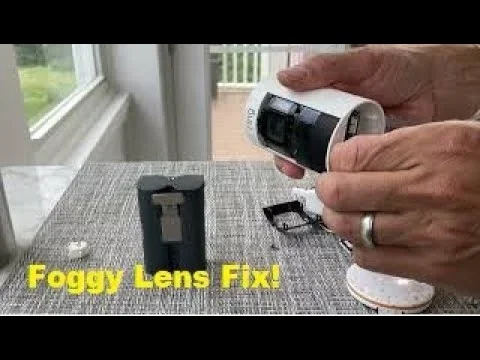
Fogged camera lenses are a common frustration, but they can be repaired quickly with the right techniques. Whether your lens fogs up from temperature changes, humidity, or moisture buildup, this guide covers simple DIY fixes and professional repair options. You will learn how to defog, clean, and protect your camera lens so you never miss a shot again.
Have you ever reached for your camera only to find the lens completely fogged up? It is one of the most frustrating moments for photographers and casual users alike. A fogged lens turns your clear shots into blurry, hazy messes. The good news is that repairing a fogged camera lens is often quick, easy, and something you can do at home.
Fogged camera lenses happen for many reasons. Temperature changes, high humidity, and even breathing on the lens can cause condensation. When moisture gets trapped between lens elements or settles on the surface, it scatters light and ruins image quality. This guide walks you through every method to repair fogged camera lenses quickly and effectively.
Before we dive into solutions, let us understand why lenses fog up in the first place. When warm, moist air touches a cooler lens surface, water droplets form. This is the same science behind why your eyeglasses fog up when you walk into a warm room from the cold. Camera lenses are especially vulnerable because they often move between different environments fast.
Key Takeaways
- DIY Defogging: Simple household items like microfiber cloths and lens cleaning solution can remove fog from camera lenses fast.
- Prevention Matters: Using anti-fog coatings and proper storage prevents lens fogging before it starts.
- Professional Help: Severe fog damage may require professional lens repair or replacement.
- Know Your Camera: Different camera types need different fog removal approaches.
- Quick Fixes Work: Several methods take less than five minutes and need no special tools.
📑 Table of Contents
- Why Do Camera Lenses Fog Up?
- How to Diagnose a Fogged Camera Lens
- Quick DIY Methods to Repair Fogged Camera Lenses
- Preventing Fog on Camera Lenses
- When to Seek Professional Repair
- Best Tools for Repairing Fogged Camera Lenses
- Common Mistakes to Avoid When Repairing Fogged Lenses
- Expert Tips for Long-Term Lens Clarity
- Conclusion
Why Do Camera Lenses Fog Up?
Understanding the cause helps you pick the best fix. Fogging is not just about being cold or warm. Several factors play a role.
Temperature Changes
The most common cause of lens fogging is moving your camera between hot and cold environments. Think about taking an indoor camera outside on a winter day. The cold air hits the warm lens, and condensation forms instantly. This is why camera lens fog happens so often during seasonal transitions.
High Humidity
Living in a humid area or using your camera near water increases fog risk. Rainy days, beaches, and even bathrooms can introduce excess moisture into the air around your lens. The moisture settles on the glass and creates that hazy film.
Sealed vs. Non-Sealed Lenses
Some cameras have weather-sealed lenses that resist moisture better. Others have open lens designs that let air and moisture pass through easily. If your camera has a non-sealed lens, you need to be extra careful about fog prevention.
Internal Fogging
Sometimes fog forms inside the lens itself, between glass elements. This is more serious than surface fog. Internal fog usually means moisture has gotten inside the lens barrel. This type of fog is harder to fix and may need professional attention.
How to Diagnose a Fogged Camera Lens
Not all fog looks the same. Before you start repairing, figure out what kind of fog you are dealing with. This step saves time and prevents damage.
Surface Fog
Surface fog sits on the outermost lens element. It looks like a thin white haze or water droplets. You can usually wipe this away with a cloth. Surface fog is the easiest type to repair and does not require special tools.
Internal Fog
Internal fog appears as a cloudy or misty layer between lens elements. You cannot reach it with a simple wipe. If you see fog that does not clear when you breathe on the lens or wipe the surface, it is likely internal fog. This requires deeper repair or professional service.
Condensation Between Lens Elements
Condensation between elements is a more severe form of internal fog. It happens when moisture seeps past the lens seals. You might see droplets or a milky film inside the lens barrel. This is a serious issue that often needs professional lens repair or replacement.
Quick DIY Methods to Repair Fogged Camera Lenses
The good news is that most fogging issues can be fixed at home with items you already have. Here are the best quick methods to clear up a fogged lens.
Method 1: Use a Microfiber Cloth
A clean microfiber cloth is your first line of defense. Gently wipe the lens surface in circular motions. Do not press hard. Use light, gentle strokes to absorb moisture without scratching the glass.
Always carry a microfiber cloth in your camera bag. These cloths are soft and designed specifically for optical surfaces. They lift moisture away without leaving lint or scratches behind.
Method 2: Lens Cleaning Solution
For stubborn fog, a dedicated lens cleaning solution works wonders. Apply a few drops to a microfiber cloth, not directly on the lens. Wipe gently in circular motions until the fog clears.
Avoid using household cleaners like glass spray or window cleaner. These contain chemicals that can damage lens coatings. Stick to products made specifically for camera lenses and optical glass.
Method 3: Breath and Wipe Technique
This old-school trick still works. Breathe gently onto the lens to create a thin layer of moisture, then immediately wipe it away with a clean cloth. This helps even out moisture distribution and removes hazy patches.
Method 4: Use a Lens Pen
A lens pen has a brush on one end and a cleaning tip on the other. The brush removes loose dust, and the tip applies a gentle cleaning compound. Lens pens are compact and perfect for on-the-go camera maintenance.
Method 5: Silica Gel Packs
For internal fog, place your camera in a sealed bag with silica gel packs. The gel absorbs moisture from inside the lens barrel over several hours. This method works best for mild internal condensation and takes patience.
Method 6: Gentle Heat
Warming the lens slightly can evaporate surface moisture. Use your hands to gently cup warmth around the lens, or place the camera near a warm (not hot) surface. Never use direct heat like a hairdryer or heater, as this can damage lens coatings and internal glue.
Preventing Fog on Camera Lenses
Repair is great, but prevention is even better. Once you fix a fogged lens, take steps to stop it from happening again.
Use Anti-Fog Coatings
Anti-fog coatings create a thin barrier on the lens surface that prevents water droplets from forming. You can buy spray-on anti-fog treatments designed for camera lenses. Apply according to the product instructions for the best results.
Store Your Camera Properly
When not in use, store your camera in a dry, cool place. Use a sealed camera bag with silica gel packets to control moisture. This is especially important if you live in a humid climate or store your gear in a basement or garage.
Acclimate Your Camera Gradually
When moving your camera between temperature zones, let it adjust slowly. Place it in a sealed bag for 15 to 20 minutes before taking it into a new environment. This prevents the sudden temperature change that causes fogging.
Use Lens Hoods and Caps
Keeping a lens cap on when the camera is not in use protects the glass from moisture and dust. A lens hood also shields the front element from rain, splashes, and accidental breaths.
If you use a hidden camera or security camera setup, consider placing it in a protected enclosure. This reduces exposure to the elements and keeps the lens clear longer. You can learn more about proper camera placement in our guide on setting up a hidden camera at your desk.
When to Seek Professional Repair
Not every fog issue can be solved at home. Knowing when to call a professional saves you from making things worse.
Signs You Need Professional Help
- Fog returns immediately after cleaning, even in dry conditions.
- You see droplets or moisture inside the lens barrel.
- The fog is between lens elements and does not clear with surface cleaning.
- Your camera has been exposed to water or heavy rain.
- The lens makes unusual sounds or the focus feels loose.
What Professional Repair Involves
A professional technician will disassemble the lens, clean internal elements, and replace any damaged seals. This process requires specialized tools and a clean environment. For most cameras, professional repair costs between $50 and $200 depending on the lens type and damage level.
If your camera is a USB or mobile-connected model, check whether the manufacturer offers warranty support. Some brands cover fog damage if it results from a manufacturing defect. You can also explore options for connecting external cameras to your phone as an alternative while your main lens is being repaired. Visit our article on plugging a USB camera into your phone for helpful tips.
Best Tools for Repairing Fogged Camera Lenses
Having the right tools makes the repair process faster and safer. Here is a quick comparison of the most useful tools for fogged lens repair.
| Tool | Best For | Price Range |
|---|---|---|
| Microfiber Cloth | Surface fog, quick wipes | $5 – $15 |
| Lens Cleaning Solution | Stubborn fog, sticky residue | $8 – $20 |
| Lens Pen | On-the-go cleaning, dust and fog | $10 – $25 |
| Silica Gel Packs | Internal moisture, long-term storage | $5 – $12 |
| Anti-Fog Spray | Prevention, repeated fogging | $10 – $18 |
| Professional Service | Internal fog, sealed lens damage | $50 – $200 |
Investing in a basic lens cleaning kit is one of the best decisions any camera owner can make. These kits usually include a microfiber cloth, cleaning solution, and lens pen for under $25. They handle most fogging issues with ease.
Common Mistakes to Avoid When Repairing Fogged Lenses
Even with good intentions, some repair attempts cause more harm than good. Here are common mistakes to watch out for.
Using Your Shirt or Tissue
Wiping your lens with your shirt or a paper tissue sounds convenient, but it scratches the lens coating. Always use a dedicated microfiber cloth. Tissues contain wood fibers that leave micro-scratches over time.
Applying Cleaning Solution Directly to the Lens
Pouring or spraying solution directly onto the lens lets liquid seep inside the lens barrel. Always apply solution to the cloth first, then wipe the lens gently.
Using Excessive Heat
A hairdryer or heat gun might clear fog fast, but the intense heat warps lens elements and melts internal adhesives. Stick to gentle warmth from your hands or room-temperature air.
Ignoring the Root Cause
If your lens fogs up repeatedly, cleaning it every time is just a band-aid. Find the source of the moisture and address it. Check your lens seals, storage conditions, and how you transport your camera.
Delaying Repair for Internal Fog
Internal fog rarely goes away on its own. The longer moisture sits inside the lens, the more damage it can cause to coatings and optical elements. Address internal fog as soon as you notice it.
Expert Tips for Long-Term Lens Clarity
Keeping your camera lens clear over the long term comes down to a few smart habits. Here are expert-backed tips that make a real difference.
- Clean your lens regularly. A quick wipe before each use prevents buildup that attracts moisture.
- Use a camera rain cover. If you shoot in wet conditions, a rain cover protects the lens from water and humidity.
- Store silica gel packs with your gear. These tiny packs absorb moisture in your camera bag and keep your lenses dry.
- Avoid changing lenses in humid environments. Dust and moisture enter the camera body more easily during lens swaps in damp conditions.
- Check lens seals annually. Worn seals let moisture in and cause repeated fogging. A quick inspection at a camera shop keeps seals in good shape.
Taking care of your lens also means taking care of the whole camera system. If you are dealing with connectivity issues alongside lens problems, check out our guide on connecting your PC to the internet without Ethernet for troubleshooting tips that cover broader device issues.
For those who rely on wireless setups, maintaining a strong connection is just as important as maintaining a clear lens. Learn how to check your Wi-Fi signal strength to ensure your smart camera setup stays reliable and responsive.
Conclusion
Repairing a fogged camera lens does not have to be complicated or expensive. From simple microfiber wipes to silica gel moisture absorption, you have many effective tools at your disposal. The key is to act quickly, use the right method for the type of fog, and take preventive steps to keep your lens clear in the future.
Remember that surface fog is easy to fix at home, while internal fog may need a professional touch. Invest in basic cleaning tools, store your camera properly, and acclimate your gear to temperature changes gradually. With these habits, your camera lens will stay clear and ready for every shot.
Whether you are a casual photographer or a professional, a clear lens means better photos and fewer frustrations. Start with the quick DIY methods in this guide, and you will have your lens fog-free in minutes. Your camera deserves the best care, and now you have the knowledge to give it exactly that.
Frequently Asked Questions
Can I use water to clean a fogged camera lens?
Distilled water is safe in a pinch, but it is not ideal. Tap water contains minerals that can leave streaks or spots on the lens. Use a dedicated lens cleaning solution and a microfiber cloth for the best results.
How long does it take for a fogged lens to clear on its own?
Surface fog often clears within a few minutes as the lens temperature equalizes with the surrounding air. Internal fog can take hours or may not clear without intervention. If fog persists, try silica gel packs or seek professional help.
Is fog damage permanent on a camera lens?
Most fog does not cause permanent damage if addressed quickly. However, prolonged moisture exposure can degrade lens coatings and cause internal mold growth. Clean fog promptly and dry your lens thoroughly to prevent lasting harm.
Can I use anti-fog wipes meant for glasses on my camera lens?
It is best to avoid this. Anti-fog wipes for glasses may contain ingredients not safe for camera lens coatings. Purchase anti-fog products specifically designed for camera lenses or optical equipment.
What should I do if moisture gets inside my camera body?
Remove the battery and memory card immediately. Place the camera in a sealed bag with silica gel packs and let it dry for 24 to 48 hours. If moisture persists, take the camera to a professional repair shop for internal cleaning.
How can I tell if my lens seal is broken?
Signs of a broken lens seal include repeated fogging, dust inside the lens barrel, and moisture that appears even in dry conditions. A camera technician can inspect the seal and recommend repair or replacement if needed.