How To Find My Local Area Connection Password Quickly
Finding your local area connection password is easier than you think. Whether you need it for a new device or you simply forgot it, this guide walks you through every reliable method. You will learn to retrieve your network password from Windows settings, the command prompt, your router, and even through network sharing. Follow these simple steps to get back online in minutes.
Key Takeaways
- Check Windows Network Settings: Your local area connection password is stored in your Windows network profile and can be viewed in just a few clicks.
- Use Command Prompt for Quick Access: The netsh command lets you retrieve your wireless or network password instantly without extra software.
- Log Into Your Router: Your router admin panel stores the network security key, which is the same as your Wi-Fi or network password.
- View Passwords on Shared Devices: If another device is already connected, you can check the saved password through its network settings.
- Reset If Needed: You can always reset your network password through your router if you cannot retrieve the old one.
📑 Table of Contents
- How To Find My Local Area Connection Password Quickly
- Method 1: Find Password Through Windows Settings
- Method 2: Use Command Prompt to Retrieve Your Password
- Method 3: Check Your Router for the Network Password
- Method 4: View Password on Another Connected Device
- Method 5: Reset Your Network Password Through the Router
- Common Mistakes People Make When Looking for Their Password
- Expert Tips for Managing Your Network Passwords
- How To Tell If Your Network Password Is Compromised
- Frequently Asked Questions
- Conclusion
How To Find My Local Area Connection Password Quickly
Ever stood in front of a new device, trying to connect to your network, and realized you do not remember your password? It happens to all of us. Finding your local area connection password does not have to be a frustrating experience. Whether you are setting up a laptop, a smart TV, or a gaming console, knowing where to look makes all the difference. This guide gives you every practical method to retrieve your password fast. No technical degree needed. Just clear, simple steps you can follow right now.
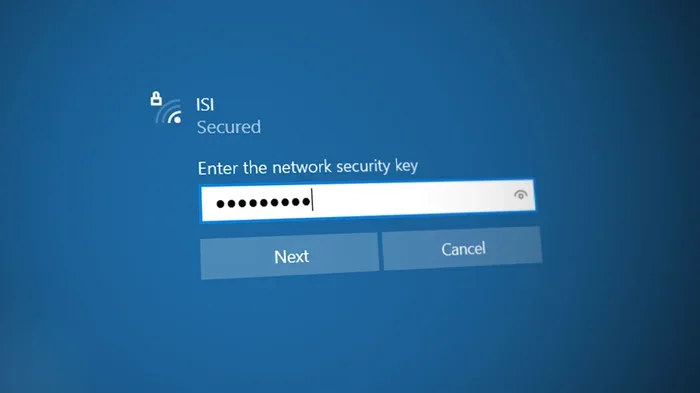
Your local area connection password is also known as your network security key or Wi-Fi password. It is the secret code that keeps your network safe from strangers. Windows stores this password on your device once you connect. That means you can find it right from your own computer. You can also check your router, use the command prompt, or look at another device that is already connected. Let us walk through each method so you can pick the one that works best for you.
Why You Might Need Your Local Area Connection Password
There are many reasons you might need to look up your network password. Maybe you bought a new phone and want to connect it. Perhaps a friend is visiting and needs your Wi-Fi. Or maybe your laptop lost the saved password after a system update. Whatever the reason, having a few ways to retrieve it saves you a lot of time and stress.
Here are the most common situations where you need your password:
- Setting up a new device on your home network
- Reconnecting after a Windows update or system reset
- Sharing your network with a guest or family member
- Troubleshooting a connection error that asks for credentials
- Switching from one router to another and need the old key
No matter which situation you are in, the methods below will help you find what you need. Let us start with the easiest approach.
Method 1: Find Password Through Windows Settings
The most straightforward way to see your local area connection password is through your Windows settings. This method works on Windows 10 and Windows 11. You do not need any third-party tools. Everything you need is already built into your operating system.
Step-by-Step Guide for Windows 11
Follow these steps carefully. Each one takes only a few seconds.
- Click the Start menu and open Settings.
- Go to Network & Internet in the left sidebar.
- Click on Wi-Fi or Ethernet, depending on your connection type.
- Find your connected network and click on it.
- Look for the option that says View network properties or Manage known networks.
- Select Wireless properties and go to the Security tab.
- Check the box that says Show characters to reveal your password.
Step-by-Step Guide for Windows 10
The process is very similar on Windows 10. Here is what you need to do:
- Right-click the network icon in your taskbar.
- Select Open Network & Internet Settings.
- Click on Change adapter options in the right panel.
- Double-click your Local Area Connection or Wi-Fi icon.
- Go to the Wireless Properties window.
- Switch to the Security tab.
- Check Show characters to display your network password.
Quick Tip: If you do not see the Show Characters checkbox, make sure you are logged in as an administrator. Standard user accounts may not have permission to view saved passwords.
Method 2: Use Command Prompt to Retrieve Your Password
The command prompt is a powerful tool that many people overlook. It can show you your saved network password in seconds. You do not need to install anything or dig through menus. Just a few typed commands and your password appears on screen.
How to Use the netsh Command
The netsh command is a built-in Windows tool for managing network settings. Here is how to use it to find your local area connection password:
- Press Windows + R to open the Run dialog.
- Type cmd and press Enter to open Command Prompt.
- Type the following command and press Enter:
netsh wlan show profiles
This command lists all the Wi-Fi networks you have ever connected to. Find the name of the network you want the password for. Then type this command:
netsh wlan show profile name=”YourNetworkName” key=clear
Replace YourNetworkName with the actual name of your network. Look for the line that says Key Content. That is your local area connection password.
Finding Password for Wired Connections
If you use an Ethernet cable, the command is slightly different. You can still use netsh to view your network profile. The key difference is that wired connections are labeled as Local Area Connection rather than Wi-Fi. The steps remain the same. Open Command Prompt, list your profiles, and view the details with the key=clear option.
Quick Tip: Always run Command Prompt as an administrator for the best results. Right-click the Command Prompt app and select Run as administrator. This ensures you have full access to all network data.
Method 3: Check Your Router for the Network Password
Your router is the heart of your home network. It stores your network password, also called the network security key. If you have never changed the default password, you can find it printed on a sticker on the back or bottom of your router. If you have changed it, you can log into the router settings to view or reset it.
How to Log Into Your Router
Every router has a web-based admin panel. You can access it from any device connected to your network. Here is how:
- Open your web browser on a connected device.
- Type your router’s IP address in the address bar. Common addresses are 192.168.1.1 or 192.168.0.1.
- Enter your admin username and password. These are often admin and admin or printed on the router label.
- Navigate to the Wireless Settings or Wi-Fi Settings section.
- Look for the Network Security Key or Password field.
Once you find it, you can view the password or change it to something new. If you have forgotten your router admin password, you can reset the router to factory settings by pressing and holding the small reset button on the back for about 10 seconds.
Where to Find Default Router Passwords
Most routers have a sticker that lists the default login credentials. Check the bottom or back panel of your device. You will usually find:
- The default IP address
- The admin username
- The admin password
- The Wi-Fi network name (SSID)
- The Wi-Fi password or network security key
Keep this information in a safe place. You can also take a photo of the sticker with your phone for quick reference later.
Method 4: View Password on Another Connected Device
If you have another device that is already connected to your network, you can use it to find the password. This works great when you are trying to connect a new device and do not have access to the first one anymore.
Check Password on a Mac
Mac users can retrieve their network password through the Keychain Access app. Open Keychain Access, search for your network name, double-click it, and check the box to show the password. You will need your Mac login password to confirm.
Check Password on a Phone or Tablet
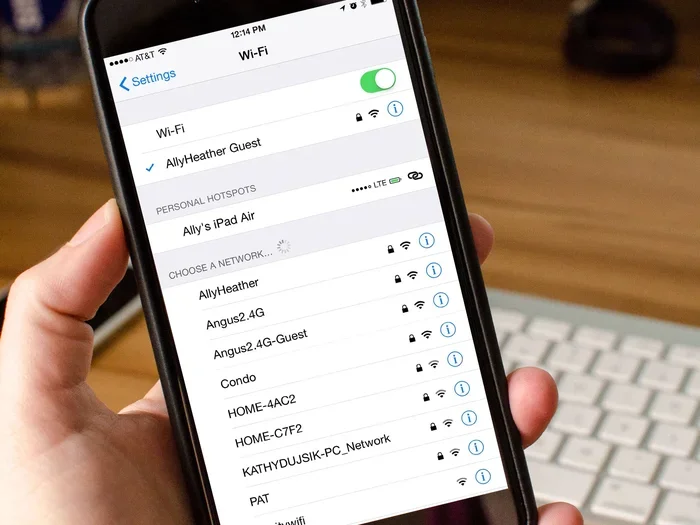
On Android phones running version 10 or later, you can share your Wi-Fi password directly with another device. Go to Settings > Wi-Fi, tap on the connected network, and select Share. A QR code will appear that the other device can scan. For iPhone users, you can share the password directly between Apple devices using AirDrop or by asking another Apple device on the same network.
Method 5: Reset Your Network Password Through the Router
If you cannot retrieve your old password, you can always reset it. This is the most reliable option when you have lost access to all saved passwords. You will need physical access to your router for this method.
Steps to Reset Your Network Password
- Log into your router admin panel using the steps above.
- Go to the Wireless Settings section.
- Delete the old password and enter a new one.
- Choose a strong password that is easy for you to remember but hard for others to guess.
- Save your settings and reconnect all your devices.
Important: After resetting your password, every device on your network will need to reconnect with the new password. Make sure you have the new password written down before saving the changes.
Common Mistakes People Make When Looking for Their Password
Many people make simple mistakes that waste their time. Here are the most common ones and how to avoid them:
- Confusing the Wi-Fi password with the router admin password. These are two different passwords. The Wi-Fi password connects your devices to the network. The router admin password lets you change router settings.
- Looking in the wrong Windows version. The steps differ slightly between Windows 10, Windows 11, and older versions. Make sure you follow the steps for your specific version.
- Not running Command Prompt as administrator. This can limit the information you can access and cause errors.
- Forgetting to check Show Characters. The password field hides characters by default. Always check the box to reveal the text.
- Assuming the sticker on the router is still the current password. If you or someone else changed the password, the sticker will show the old one.
Avoiding these mistakes will save you a lot of frustration and help you find your password faster.
Expert Tips for Managing Your Network Passwords
Once you find your local area connection password, it is smart to keep it stored safely. Here are some expert tips to help you manage your network passwords better:
- Use a password manager. Apps like LastPass, 1Password, or Bitwarden can securely store all your passwords in one place. You only need to remember one master password.
- Write it down and keep it in a safe place. A physical notebook kept in a drawer works well for home network passwords.
- Change your password regularly. A good practice is to update your network password every few months for better security.
- Use a strong password. Mix uppercase letters, lowercase letters, numbers, and symbols. Aim for at least 12 characters.
- Share it wisely. Only share your network password with people you trust. Consider setting up a guest network for visitors instead of giving them your main password.
These habits will keep your network secure and make it easy to reconnect devices whenever you need to.
How To Tell If Your Network Password Is Compromised
Sometimes, even with a strong password, your network security can be at risk. Here are signs that someone else might be using your network without permission:
- Your internet speed drops suddenly without explanation
- You see unknown devices in your router’s connected device list
- Your data usage is higher than usual
- You receive alerts from your router about unfamiliar logins
If you notice any of these signs, change your local area connection password immediately. Also check your router settings to make sure WPA3 or WPA2 encryption is enabled. This adds an extra layer of protection to your network.
Frequently Asked Questions
How do I find my local area connection password on Windows?
You can find it through Windows Settings by going to Network & Internet, selecting your connection, and viewing the wireless properties under the Security tab. Alternatively, use the Command Prompt with the netsh command to retrieve your saved password instantly.
What is the difference between a local area connection password and a Wi-Fi password?
There is no real difference. Both terms refer to the same network security key that allows devices to connect to your network. The term local area connection is more commonly used for wired Ethernet connections, while Wi-Fi password refers to wireless connections.
Can I find my network password without admin access?
On most Windows devices, you need administrator privileges to view saved network passwords. Standard user accounts may not have permission to see the key content in the security settings or through Command Prompt commands.
What should I do if I forgot my router admin password?
You can reset your router to factory settings by pressing and holding the reset button on the back for about 10 seconds. This will restore all default settings, including the default admin password that is printed on the router label.
Is it safe to save my network password in a password manager?
Yes, it is completely safe. Reputable password managers use strong encryption to protect your data. They are a much safer option than writing passwords on sticky notes or storing them in unencrypted files on your computer.
How often should I change my local area connection password?
Security experts recommend changing your network password every three to six months. You should also change it immediately if you suspect unauthorized access or if a former household member still has the old password.
Conclusion
Finding your local area connection password is simple once you know where to look. Whether you use Windows Settings, Command Prompt, your router admin panel, or another connected device, you have multiple reliable options. Each method is quick, free, and does not require any special software. Start with the Windows Settings approach if you are already on the computer. Try Command Prompt if you want the fastest route. Check your router if you need the password for a completely new device.
Remember to keep your password safe and secure. Use a strong combination of characters, store it in a trusted password manager, and change it regularly. These small habits protect your home network and keep your internet experience smooth and worry-free. Now that you know how to find your local area connection password quickly, you are ready to connect any device without the stress and frustration of searching for hours.