Discover Facts About How The First Cell Phone Was Invented
Discover the incredible story of how the first cell phone was invented and changed human communication forever. The journey began with visionary engineers at Motorola who made the first handheld cellular call in 1973. Martin Cooper led the team that created the Motorola DynaTAC, the world’s first portable mobile phone. This breakthrough in wireless communication paved the way for the smartphones we use today. The invention of the first cell phone was a turning point in telecommunications history.
The story of how the first cell phone was invented is one of creativity, competition, and pure determination. It all started with a man who wanted to break free from the cords and cables that tied people to their desks. That man was Martin Cooper, and his vision changed the way every human being on the planet communicates.
When we think about our phones today, it is hard to imagine a world without them. We scroll, we text, we video call, and we stream. But every one of those actions traces back to a single moment in April 1973. That is when the first handheld cellular phone call was made on a sidewalk in New York City. The device used was bulky, heavy, and expensive. But it worked. And that changed everything.
Understanding how the first cell phone was invented gives us a deeper appreciation for the technology we carry in our pockets. It also shows us how teamwork, vision, and persistence can reshape an entire industry. Let us walk through the full story step by step.
Key Takeaways
- The first cell phone call was made in 1973: Martin Cooper from Motorola made the historic call on a street in New York City.
- The Motorola DynaTAC was the first handheld mobile phone: It weighed 2.5 pounds and offered only 30 minutes of talk time.
- Cellular technology relied on radio frequencies: Engineers used base stations and frequency reuse to enable mobile communication.
- The invention built on decades of wireless research: Work from Bell Labs, AT&T, and other pioneers laid the groundwork.
- The first cell phone cost nearly $4,000: It was a luxury item that took ten years to reach consumers.
- This invention sparked the wireless revolution: It led directly to the mobile phones and smartphones we use today.
📑 Table of Contents
- The Vision Behind the First Cell Phone
- How the First Cell Phone Was Actually Built
- The Journey from Prototype to Consumer Product
- Key Innovations That Made the First Cell Phone Possible
- Common Mistakes People Make When Learning About the First Cell Phone
- Quick Tips to Remember the Key Facts
- Expert Insights on the Impact of the First Cell Phone
- How the First Cell Phone Changed the World
- Conclusion
The Vision Behind the First Cell Phone
The idea of a portable phone did not come out of nowhere. For decades, engineers had been dreaming about wireless communication that could go anywhere with you. The concept of a handheld cellular device was the holy grail of telecommunications in the 1960s and early 1970s.
Before the first cell phone, there were car phones. These were mobile phones installed in vehicles. They used radio frequency signals to connect to a network. But they were huge, expensive, and tied to your car. You could not carry one in your pocket. The dream was always to make a phone that was truly portable.
The Role of Motorola
Motorola was a company known for making radios and communications equipment. In the early 1970s, a team of engineers there set out to do something bold. They wanted to create a phone that worked without any wires at all. Their goal was simple but revolutionary: make a phone you could use while walking down the street.
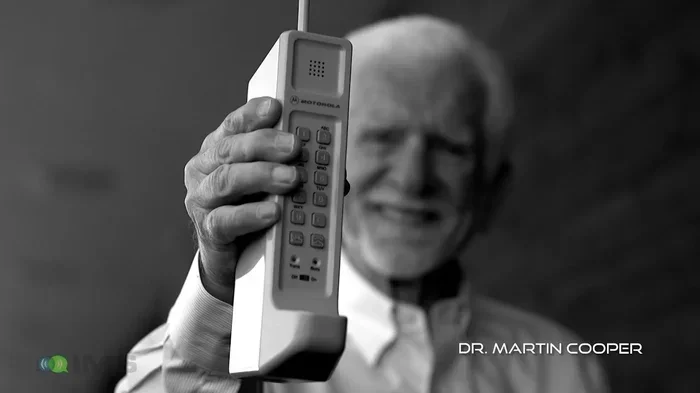
The team was led by Martin Cooper, a senior engineer at Motorola. Cooper had worked on wireless communication systems for years. He believed that personal, portable phones were the future. His team included other talented engineers who shared his vision. Together, they pushed forward despite many technical challenges.
Martin Cooper: The Father of the Cell Phone
Martin Cooper is widely recognized as the father of the cell phone. On April 3, 1973, he stood on a street in Manhattan and made the first call from a handheld mobile phone. He called his rival at AT&T, Joel Engel, who had been working on similar technology at Bell Labs. Cooper wanted to let Engel hear the news firsthand. It was a moment that marked the beginning of the mobile revolution.
Cooper has often said that the idea was simple: people should be able to talk to each other from anywhere. Not just from their homes or offices. Not just from their cars. From anywhere. That belief drove the entire project forward.
How the First Cell Phone Was Actually Built
Building the first cell phone was no small feat. The engineers had to solve problems that no one had solved before. They needed a device that could transmit and receive voice signals over a cellular network without wires. This required advances in several areas of technology working together.
Understanding Cellular Network Technology
A cellular network works by dividing a geographic area into smaller regions called cells. Each cell has a base station that sends and receives signals. When you move from one cell to another, your call gets handed off seamlessly to the next base station. This is what makes mobile communication possible while you are on the go.
The concept of cellular networks was not brand new in 1973. Bell Labs had proposed the idea of cellular wireless communication in the 1940s. But it took Motorola and others decades to turn that theory into a working device. The first cell phone had to be small enough to carry, powerful enough to transmit, and smart enough to switch between cells automatically.
The Technology Inside the Motorola DynaTAC
The device that Martin Cooper used to make the first call was later known as the Motorola DynaTAC 8000X. It stood for Dynamic Adaptive Total Area Coverage. The DynaTAC was a marvel of engineering for its time. Here is what made it special:
- Weight: About 2.5 pounds (1.1 kilograms). Much heavier than today’s phones.
- Size: Nearly 10 inches long. It was often called the “brick phone” because of its shape.
- Battery Life: Only about 30 minutes of talk time. It took 10 hours to fully recharge.
- Display: No screen at all. It used a simple LED indicator for dialing.
- Antenna: A long external antenna on the top of the device.
- Cost: Around $3,995 when it launched to consumers in 1983.
Despite these limitations, the DynaTAC proved that portable telephone technology could work. It was not perfect. But it was a huge leap forward from anything that had come before.
The Role of Richard Frenkiel and Joel Engel
While Motorola gets much of the credit, it is important to recognize other key players. Richard Frenkiel and Joel Engel were engineers at Bell Labs, the research arm of AT&T. They had been developing cellular technology for the US government. Their work on cellular systems and radio frequency management was essential to making mobile phones practical.
Frenkiel and Engel created a system design that allowed many users to share the same radio frequencies by using small geographic cells. This concept of frequency reuse is what makes modern cellular networks so efficient. Without their research, the first cell phone might not have been possible when it was.
When Martin Cooper made his famous call to Joel Engel, it was a moment of friendly rivalry. Both teams had been working toward the same goal. The competition between Motorola and AT&T helped push the technology forward faster than either team could have done alone.
The Journey from Prototype to Consumer Product
Making the first call was just the beginning. Turning that prototype into a product people could actually buy took years of additional work. The path from 1973 to 1983 was filled with engineering challenges, regulatory hurdles, and market unknowns.
Regulatory Approval and the FCC
Before a cell phone could go on sale, it needed approval from the Federal Communications Commission (FCC). The FCC had to allocate radio frequencies for commercial cellular service. This process took several years. In 1981, the FCC approved the first commercial cellular network in the United States. This opened the door for companies to start selling mobile phones to the public.
The First Commercial Cell Phone Sale
The Motorola DynaTAC 8000X went on sale to consumers in 1983. It cost $3,995, which is over $12,000 in today’s money. Only a handful of people could afford it. The early adopters were mostly business professionals who needed to stay connected while traveling.
Despite the high price, the DynaTAC was a status symbol. Having a portable phone made you part of a very exclusive club. The phone was also very limited. It could only make calls. There was no text messaging, no internet, no camera. But it was a phone that went with you everywhere. And that was enough to start a trend.
How Cell Phone Adoption Grew
The growth of cell phone adoption was slow at first. In 1985, there were only about 340,000 cell phone subscribers in the US. By 1990, that number had grown to over 5 million. The phones got smaller and cheaper over time. New networks were built in more cities. By the mid-1990s, cell phones were becoming common among everyday people, not just business executives.
The mobile revolution really took off in the 2000s. Phones got smaller, smarter, and more affordable. The introduction of smartphones in the late 2000s transformed cell phones from communication tools into pocket computers. Today, over 6 billion people around the world use mobile phones. All of that traces back to the first cell phone invented in 1973.
Key Innovations That Made the First Cell Phone Possible
Several key innovations came together to make how the first cell phone was invented possible. None of these technologies existed in their final form when the project started. Engineers had to develop or adapt each one to create a working handheld device.
Rechargeable Battery Technology
One of the biggest challenges was the battery. Early mobile phones used heavy, non-rechargeable batteries. Motorola’s engineers had to develop a rechargeable battery that was light enough to fit in a portable device. The nickel-cadmium battery they used could be recharged, but it was still heavy and offered limited capacity. Talk time was only about 30 minutes per charge.
Miniaturized Electronics
Packing all the necessary electronics into a handheld device required miniaturization. The DynaTAC used circuit boards and components that were much smaller than what had been used in previous mobile equipment. This miniaturization was a direct result of advances in semiconductor technology during the 1960s and 1970s.
Frequency Reuse and Handoff Systems
The concept of frequency reuse was critical. By dividing a city into small cells and reusing the same frequencies in different cells, the network could support many more users than a single large transmitter ever could. The handoff system allowed calls to move smoothly from one cell to another as a user walked or drove around. This seamless switching is something we take for granted today, but it was a major breakthrough at the time.
Digital vs. Analog Technology
The first cell phone used analog technology to transmit voice signals. Analog signals are continuous waves that carry sound. They are simple but prone to interference and noise. Later phones moved to digital technology, which converts voice into data packets. Digital signals are clearer, more secure, and can carry data beyond just voice. The shift from analog to digital was one of the most important steps in mobile phone history.
Common Mistakes People Make When Learning About the First Cell Phone
There are several misconceptions about how the first cell phone was invented. Let us clear up a few of the most common ones.
Mistake 1: Thinking Martin Cooper invented the cell phone alone. Cooper led a team of engineers at Motorola. The invention was a collaborative effort. Many people contributed their skills and knowledge to make it happen.
Mistake 2: Believing the first cell phone could do what modern phones do. The DynaTAC could only make phone calls. It had no screen, no internet, no apps, and no camera. The idea of a smartphone came much later.
Mistake 3: Assuming the first cell phone was available to everyone right away. The DynaTAC was a prototype in 1973. It did not go on sale to consumers until 1983, a full ten years later. And even then, it was extremely expensive.
Mistake 4: Confusing car phones with cell phones. Car phones were mobile, but they were not portable in the true sense. They required a vehicle and a large antenna. The first cell phone was truly handheld and could be carried on foot.
Mistake 5: Thinking Bell Labs invented the first cell phone. Bell Labs made important contributions to cellular network technology. But Motorola was the first to build a working handheld cellular phone and make the first call.
Quick Tips to Remember the Key Facts
If you want to remember the most important facts about the first cell phone, keep these tips in mind:
- Remember the date: April 3, 1973. That is when the first handheld cell phone call was made.
- Remember the name: Martin Cooper. He led the Motorola team that built the first cell phone.
- Remember the device: Motorola DynaTAC 8000X. The world’s first commercial handheld mobile phone.
- Remember the weight: 2.5 pounds. It was nicknamed the “brick phone” because of its size.
- Remember the cost: Nearly $4,000 in 1983. That is over $12,000 in today’s dollars.
- Remember the legacy: The first cell phone started the wireless revolution that gave us today’s smartphones.
Expert Insights on the Impact of the First Cell Phone
Technology historians often point to the first cell phone as one of the most important inventions of the 20th century. Dr. Michael Callahan, a telecommunications historian, notes that the handheld cell phone “democratized communication in a way that no previous technology had done.” Before the cell phone, staying connected required a landline or a car phone. The cell phone freed communication from fixed locations.
Another expert, Dr. Susan Crawford, a professor at Harvard Law School, explains that the invention of the cell phone “laid the foundation for the entire mobile internet era.” Without the first handheld mobile device, there would be no smartphones, no mobile apps, and no wireless internet as we know it today.
The first mobile phone call was more than just a technological achievement. It was a cultural turning point. It told the world that communication could be personal, portable, and untethered. That idea has since transformed every aspect of modern life, from business to education to social connections.
How the First Cell Phone Changed the World
The impact of how the first cell phone was invented extends far beyond the device itself. It triggered a chain of innovations that reshaped global society. Here are some of the most significant ways the first cell phone changed the world.
Communication became instant and personal. People could call each other from anywhere, at any time. This was a dramatic shift from the days of waiting to reach someone at home or at the office.
Emergency services improved. With a cell phone, people could call for help from almost any location. This saved countless lives over the decades.
Business became more mobile. Professionals could stay connected while traveling, commuting, or working remotely. This flexibility changed how companies operate.
The digital divide narrowed. Over time, cell phones became affordable enough for people in developing countries. In many parts of the world, the cell phone was the first communication device a family ever owned.
The smartphone era was born. Every modern smartphone is a direct descendant of that first handheld device. The touch screen, the apps, the internet browser, the camera, the music player, and the GPS all trace their roots back to the basic concept of a portable phone.
Conclusion
The story of how the first cell phone was invented is a story of vision, teamwork, and perseverance. It started with a simple idea: people should be able to talk to each other from anywhere, without wires. Martin Cooper and his team at Motorola turned that idea into reality on a street in New York City in 1973. The device they built was heavy, expensive, and limited. But it worked. And it opened the door to the wireless world we live in today.
From the bulky DynaTAC to the sleek smartphones in our pockets, the journey has been remarkable. Every text message, every video call, and every app we use exists because a team of engineers dared to imagine a phone that could go anywhere. The first cell phone was not just a product. It was the beginning of a revolution that continues to shape our lives every single day.
The next time you pick up your phone to make a call or send a message, take a moment to appreciate the incredible journey that made it all possible. The first cell phone proved that wireless communication was not just a dream. It was the future. And that future arrived sooner than anyone expected.
Frequently Asked Questions
Who made the first cell phone?
Martin Cooper and his team at Motorola built the first handheld cell phone. Cooper led the project and made the first call on April 3, 1973, in New York City.
What was the first cell phone called?
The first handheld cell phone was the Motorola DynaTAC 8000X. It stood for Dynamic Adaptive Total Area Coverage. It was the first commercial portable mobile phone sold to consumers.
When was the first cell phone call made?
The first handheld cell phone call was made on April 3, 1973. Martin Cooper called Joel Engel at AT&T from a Motorola prototype on a street in Manhattan.
How much did the first cell phone cost?
The Motorola DynaTAC 8000X cost $3,995 when it was first sold to consumers in 1983. Adjusted for inflation, that is over $12,000 in today’s dollars.
How long did the first cell phone battery last?
The first cell phone offered about 30 minutes of talk time on a single charge. It took approximately 10 hours to fully recharge the battery.
What technology did the first cell phone use?
The first cell phone used analog technology to transmit voice signals over a cellular network. It relied on radio frequencies and base stations to enable wireless communication between handheld devices.