Do Wi Fi Speakers Need An Amplifier For Better Sound
WiFi speakers don’t always need an amplifier, but adding one can significantly improve your audio experience. Whether you want louder volume, richer bass, or better sound coverage across your home, understanding how amplifiers work with wireless speakers helps you make the right choice. This guide covers everything you need to know about WiFi speaker power, amplifier matching, and getting the best sound without wasting money.
Do WiFi speakers need an amplifier for better sound? It’s a question a lot of people ask when they’re setting up a home audio system. The short answer is: it depends. Some WiFi speakers come with built-in amplifiers that handle the job just fine. Others need an external amplifier to truly shine. In this guide, we’ll walk through everything you need to know about WiFi speakers, amplifiers, and how to get the best audio experience for your home.
If you love listening to music wirelessly, you already know how convenient WiFi speakers can be. They connect to your home network, stream music from apps, and fill your rooms with sound. But convenience doesn’t always mean great audio quality. That’s where amplifiers come in. They take the audio signal and boost it, giving your speakers more power to produce clearer, louder, and richer sound.
Whether you’re setting up a backyard party with WiFi speakers outside or building a full home theater system, understanding the relationship between WiFi speakers and amplifiers is key. Let’s dive in and break it all down.
Key Takeaways
- WiFi speakers vary in power needs: Some built-in amplifiers are enough for small rooms, while larger spaces often need external amplification.
- An amplifier boosts audio clarity and volume: It gives your wireless speakers the power they need to perform at their best.
- Matching your amplifier to your speaker matters: Wrong pairing can damage equipment or deliver poor sound quality.
- Not all WiFi speakers need extra power: Smart speakers and portable units often have amplifiers built right in.
- External amplifiers unlock deeper bass and richer highs: They bring a noticeable upgrade to any wireless speaker setup.
- Setup is simpler than most people think: You don’t need to be an audio expert to connect an amplifier to your WiFi speakers.
- Consider your room size and usage: The need for an amplifier depends on where and how you use your speakers.
📑 Table of Contents
- What Are WiFi Speakers and How Do They Work?
- Do WiFi Speakers Actually Need an Amplifier?
- How Amplifiers Improve WiFi Speaker Sound Quality
- Types of Amplifiers for WiFi Speakers
- How to Choose the Right Amplifier for Your WiFi Speakers
- Common Mistakes People Make with WiFi Speakers and Amplifiers
- Quick Tips for Getting the Best Sound from WiFi Speakers
- Final Thoughts
What Are WiFi Speakers and How Do They Work?
WiFi speakers are wireless devices that connect to your home network to stream audio. Unlike Bluetooth speakers, they use your WiFi signal to receive music and other audio content. This means they can offer better range and more stable connections in most cases.
How WiFi Speakers Connect to Your Network
Most WiFi speakers connect directly to your home router. You use a smartphone app to set them up, and then they pull audio from streaming services like Spotify, Apple Music, or Amazon Music. The speaker itself processes the audio signal and turns it into sound through built-in drivers and amplifiers.
The wireless connectivity between your router and speaker depends on signal strength. If your WiFi signal is weak in certain areas of your home, the audio might stutter or drop. This is why some people choose to add an external antenna to their router to improve coverage for all WiFi devices, including speakers.
Built-In Amplifiers vs. External Amplifiers
Many modern WiFi speakers have amplifiers built right inside the unit. These are called active speakers. They don’t need any extra equipment to work. You plug them in, connect them to WiFi, and they’re ready to go.
Passive speakers, on the other hand, don’t have built-in amplifiers. They need an external amplifier or receiver to power them. Most standalone WiFi speakers on the market today are active, meaning they handle amplification on their own. But that doesn’t mean they always deliver the best possible sound.
Do WiFi Speakers Actually Need an Amplifier?
This is where things get interesting. The answer isn’t a simple yes or no. It depends on several factors, including your speaker type, room size, and what kind of audio quality you’re after.
When WiFi Speakers Don’t Need an Amplifier
For small to medium-sized rooms, most WiFi speakers work perfectly fine without an external amplifier. If you’re using a smart speaker like an Amazon Echo or Google Nest Audio for casual listening, the built-in amplifier is usually more than enough. These devices are designed to deliver good sound at reasonable volumes for everyday use.
Portable WiFi speakers also tend to have built-in amplifiers that work well for personal use or small gatherings. If you’re not looking to fill a large space with sound, you probably don’t need to invest in an external amplifier.
When You Should Consider Adding an Amplifier
There are several situations where an amplifier makes a real difference:
- Large rooms or open floor plans: Built-in amplifiers in small speakers may struggle to fill big spaces with clear, powerful sound.
- Home theater setups: If you want deep bass and cinematic audio quality, an external amplifier gives your speakers the power they need.
- Outdoor gatherings: WiFi speakers used outside, especially over longer distances, often benefit from extra amplification.
- High-quality audio listening: Audiophiles who want the best possible sound quality will notice a big difference with a dedicated amplifier.
- Multiple speaker setups: When you connect several speakers together, an amplifier ensures each one gets enough power.
If you’re comparing WiFi speakers to wired speakers, keep in mind that wired options like those from traditional brands often work better with external amplifiers from the start. Many people wonder if wired speakers are becoming obsolete, and while wireless options are growing fast, wired systems still hold an edge in pure audio performance when paired with quality amplifiers.
How Amplifiers Improve WiFi Speaker Sound Quality
So what exactly does an amplifier do for your WiFi speakers? Let’s look at the specific ways it enhances your audio experience.
More Power Means Louder, Cleaner Sound
An amplifier takes the weak audio signal from your WiFi speaker and boosts it. This extra power allows the speaker drivers to move more air, which creates louder and clearer sound. Without enough power, speakers can distort at high volumes. An amplifier prevents that distortion and keeps your audio clean even when you crank up the volume.
Better Bass Response
One of the biggest differences an amplifier makes is in bass performance. Low-frequency sounds require a lot of power to reproduce properly. Built-in amplifiers in compact WiFi speakers often can’t deliver enough power for deep, rich bass. An external amplifier gives your speakers the headroom they need to produce thunderous low-end without straining.
Improved Audio Detail and Clarity
Amplifiers don’t just make sound louder. They also improve the detail and clarity of what you hear. With more stable power delivery, your speakers can reproduce subtle nuances in music that built-in amplifiers might miss. You’ll hear more texture in vocals, more sparkle in cymbals, and more depth in instrument separation.
Reduced Strain on Speaker Drivers
When a built-in amplifier has to work too hard, it puts strain on the speaker drivers. Over time, this can lead to audio quality degradation or even speaker damage. An external amplifier shares the workload, keeping your speakers running cooler and lasting longer.
Types of Amplifiers for WiFi Speakers
Not all amplifiers are the same. There are several types you might consider depending on your setup and budget.
Integrated Amplifiers
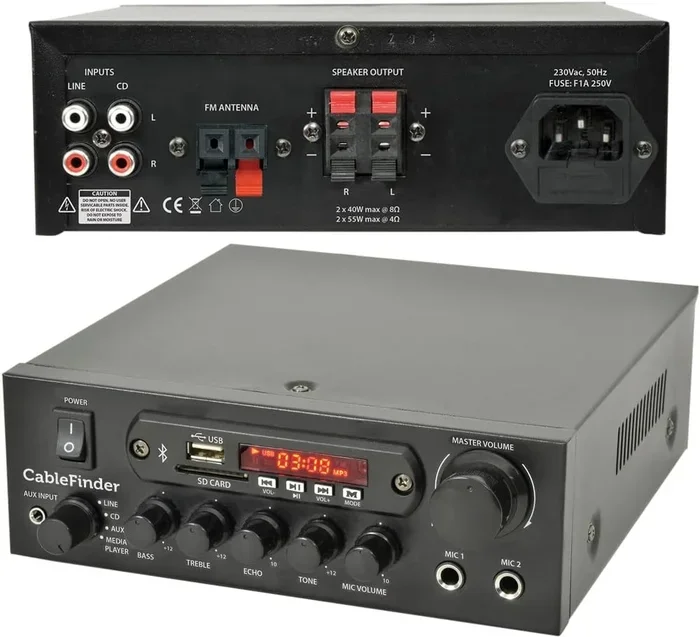
Integrated amplifiers combine a preamplifier and power amplifier in one unit. They’re the most common choice for home audio setups. You connect your WiFi speaker system to the integrated amp, and it handles all the amplification. These are versatile and work well with most speaker configurations.
AV Receivers
Audio/Video receivers are the heavy hitters of the amplifier world. They amplify audio signals and also process video for home theater systems. If you’re building a multi-speaker setup with a TV connection, an AV receiver is a great choice. These are especially useful if you also connect your WiFi directly to your TV for a full home entertainment experience.
Portable Amplifiers
For people who want amplification on the go, portable amplifiers are a compact option. They’re small enough to fit in a bag and can boost the output of portable WiFi speakers. They’re perfect for outdoor trips, picnics, or camping where you want better sound without a big setup.
Wireless Amplifiers
Some modern amplifiers connect wirelessly to your WiFi network. These are ideal for WiFi speaker setups because they eliminate the need for extra cables. You place the wireless amplifier anywhere in your home, and it receives the audio signal over WiFi before amplifying it. This keeps your setup clean and clutter-free.
How to Choose the Right Amplifier for Your WiFi Speakers
Choosing the right amplifier can feel overwhelming with so many options available. Here are the key factors to consider.
Match the Power Ratings
The most important thing is matching the amplifier’s power output to your speaker’s power handling capability. This is measured in watts. If your amplifier is too weak, your speakers won’t get enough power. If it’s too strong, you could damage the speakers.
As a general rule, choose an amplifier that delivers 1.2 to 1.5 times the RMS power rating of your speakers. This gives you enough headroom for clean, dynamic sound without overloading your speakers.
Consider the Impedance
Speaker impedance is measured in ohms and affects how much power your speakers draw from the amplifier. Most WiFi speakers have an impedance of 4, 6, or 8 ohms. Make sure your amplifier is compatible with your speaker’s impedance rating to get the best performance.
Think About Connectivity Options
Check what inputs and outputs the amplifier offers. Do you need HDMI, optical, RCA, or Bluetooth connections? If you’re using WiFi speakers, look for amplifiers with wireless connectivity options to keep your setup simple and flexible.
Budget Considerations
Amplifiers range from budget-friendly options under $100 to high-end units costing several thousand dollars. You don’t need to spend a fortune to get better sound. A mid-range amplifier in the $200 to $500 range can make a dramatic improvement for most home setups.
Room Size and Speaker Placement
Think about where your speakers will be placed and how big the room is. A small bedroom doesn’t need the same amplifier as a large living room or backyard. Match the amplifier power to your space for the best results.
Common Mistakes People Make with WiFi Speakers and Amplifiers
Avoiding these common mistakes can save you money and frustration.
- Buying an overpowered amplifier: More watts don’t always mean better sound. Too much power can actually distort your audio and damage speakers.
- Ignoring impedance matching: Mismatched impedance is one of the fastest ways to degrade sound quality or blow out speaker drivers.
- Skipping speaker placement: Even the best amplifier won’t sound good if your speakers are placed in poor positions. Keep them at ear level and away from corners for the best results.
- Using cheap cables: The cables connecting your amplifier to your speakers matter. Cheap cables can introduce interference and reduce audio quality.
- Not testing before final setup: Always test your amplifier and speaker combination before mounting or permanently placing equipment. Listen for distortion, crackling, or uneven sound.
Quick Tips for Getting the Best Sound from WiFi Speakers
Want to squeeze every bit of audio quality out of your WiFi speakers? Here are some quick tips:
- Place your router close to your speakers: A strong WiFi signal means fewer audio dropouts and smoother streaming.
- Use a dedicated WiFi network for audio: If your home network is crowded, consider setting up a separate network for your audio devices.
- Keep firmware updated: Manufacturers regularly release updates that improve audio performance and fix bugs.
- Experiment with speaker placement: Even small changes in speaker position can make a big difference in sound quality.
- Use high-quality audio sources: Streaming in the highest available quality setting makes a noticeable difference in sound.
- Consider a WiFi mesh system: If you have a large home, a mesh WiFi system keeps your signal strong throughout, which benefits all WiFi devices including speakers.
Final Thoughts
So do WiFi speakers need an amplifier for better sound? The answer really comes down to your specific situation. If you’re happy with your current audio quality and your speakers fill your room adequately, you might not need one. But if you want to take your listening experience to the next level, adding an amplifier is one of the best upgrades you can make.
Start by assessing your room size, speaker type, and listening goals. Choose an amplifier that matches your speaker’s power and impedance requirements. And don’t forget the basics like proper placement and a strong WiFi connection. With the right setup, your WiFi speakers can deliver audio quality that rivals even the most expensive wired systems.
Whether you’re a casual listener or an audio enthusiast, understanding the role of amplifiers in your WiFi speaker setup empowers you to make smarter decisions. You’ll get better sound, longer speaker life, and a more enjoyable listening experience every single day.
Frequently Asked Questions
Can I use an amplifier with any WiFi speaker?
Most WiFi speakers with built-in amplifiers cannot be connected to an external amplifier. You can only add an external amp to passive speakers that lack built-in amplification. Check your speaker’s manual to confirm whether it has a built-in amplifier or needs external power.
Will an amplifier make my WiFi speakers louder?
Yes, an amplifier increases the power delivered to your speakers, which results in louder and cleaner sound. However, the actual volume increase depends on the amplifier’s wattage and how well it matches your speaker’s power handling capacity.
Do I need an amplifier for outdoor WiFi speakers?
For small outdoor areas, most WiFi speakers work fine without an amplifier. But if you’re covering a large backyard or patio, an amplifier helps maintain clear, powerful sound over a wider area. Check out tips on boosting your WiFi signal outside to ensure stable connectivity.
How much should I spend on an amplifier for WiFi speakers?
You don’t need to spend a fortune. A quality amplifier in the $200 to $500 range works well for most home setups. Focus on matching the amplifier’s power output and impedance to your speaker specifications rather than just buying the most expensive option.
Can WiFi speakers work without any internet connection?
Most WiFi speakers need an active WiFi connection to stream audio. However, some models support offline playback through stored music or Bluetooth fallback. If you’re concerned about connectivity, you might explore options like a portable WiFi hotspot to keep your speakers connected anywhere.
Are WiFi speakers better than Bluetooth speakers?
WiFi speakers generally offer better range, more stable connections, and higher audio quality than Bluetooth speakers. They also support multi-room setups more easily. Bluetooth speakers are more portable but have shorter range and can experience audio compression that reduces sound quality.