Different Types Of Modem Connections And How They Work
Understanding the different types of modem connections is essential for anyone setting up or upgrading their internet. This guide breaks down dial-up, DSL, cable, fiber optic, and wireless modem connections in simple terms. You will learn how each technology works, its speed capabilities, and which type fits your needs best.
Not all internet connections are created equal. When you plug in your device and browse the web, a modem is working behind the scenes to make that happen. But not every modem is the same. The type of modem connection you use shapes your speed, reliability, and overall online experience.
This guide walks you through the different types of modem connections and how they work. Whether you are a casual user, a remote worker, or a small business owner, understanding your options helps you make a smarter choice. Let us break it down in a way that is easy to follow.
Key Takeaways
- Dial-up modem connections are the oldest form and are now mostly obsolete, but they still exist in very remote areas.
- DSL modem connections use existing phone lines to deliver broadband internet with decent speeds.
- Cable modem connections offer faster speeds than DSL by using the same coaxial cables that deliver TV.
- Fiber optic modem connections provide the fastest and most reliable internet available today.
- Wireless and satellite modem connections serve areas where wired options are not available.
- Choosing the right modem connection depends on your location, budget, speed needs, and internet service provider options.
📑 Table of Contents
- What Are Modem Connections and Why Do They Matter?
- Dial-Up Modem Connections: The Original Internet
- DSL Modem Connections: Reliable Broadband Over Phone Lines
- Cable Modem Connections: Fast Internet Through TV Lines
- Fiber Optic Modem Connections: The Gold Standard
- Wireless and Satellite Modem Connections: Internet Without Wires
- How to Choose the Right Modem Connection for Your Needs
- The Future of Modem Connections
- Conclusion
What Are Modem Connections and Why Do They Matter?
A modem is a device that connects your home or office to the wider internet. The word modem stands for modulator-demodulator. It takes digital signals from your computer and converts them into analog signals that can travel over a phone line, cable, or fiber. Then it does the reverse to bring data back to you.
The type of modem connection you have determines how fast your internet is and how stable it feels. Think of it like a highway. A narrow road handles fewer cars, while a wide highway lets traffic flow freely. Your modem connection is that road for your data.
Most people do not think about their modem until something goes wrong. But knowing your connection type helps you troubleshoot issues, choose a better plan, and even decide which internet service provider to use. It is a small thing that makes a big difference in your daily online life.
Dial-Up Modem Connections: The Original Internet
How Dial-Up Modem Connections Work
Dial-up modem connections are the oldest form of internet access. They date back to the 1980s and 1990s. A dial-up modem uses a standard phone line to connect to the internet. When you want to go online, the modem dials a number just like a telephone call.
The modem converts digital data from your computer into audio signals. These signals travel through the phone line to your internet service provider. The ISP then routes you to the internet. When you are done, you hang up the connection, and the phone line becomes free again.
Dial-up modem connections are extremely slow by today’s standards. They typically max out at around 56 kilobits per second. That is not enough to load most modern websites smoothly. Streaming a video or even viewing a photo-heavy page can take forever.
Pros and Cons of Dial-Up Modem Connections
Dial-up modem connections do have a few advantages. They are widely available, even in very remote rural areas. They are also inexpensive. If you only need to check email or do very light browsing, dial-up can still work.
However, the drawbacks far outweigh the benefits for most users. The speeds are painfully slow. The connection ties up your phone line, so you cannot make or receive calls while online. And dial-up modem connections are highly susceptible to interference and dropped connections.
Today, dial-up modem connections are mostly a thing of the past. A small number of users in developing countries or extremely isolated areas still rely on them. But for the vast majority of people, there are much better options available.
DSL Modem Connections: Reliable Broadband Over Phone Lines
How DSL Modem Connections Work
DSL stands for Digital Subscriber Line. DSL modem connections use the same copper phone lines that dial-up used, but they work very differently. Unlike dial-up, DSL does not tie up your phone line. You can browse the internet and make phone calls at the same time without any issues.
DSL modem connections send data at higher frequencies than voice calls. This means the internet signal and phone signal can travel on the same line without interfering with each other. A DSL filter or splitter is often used to keep the signals separate.
There are several types of DSL technology. ADSL, or Asymmetric DSL, offers faster download speeds than upload speeds. This works well for most home users who do more downloading than uploading. VDSL, or Very High Bitrate DSL, provides much faster speeds but works over shorter distances from the provider’s equipment.
Speed and Performance of DSL Modem Connections
DSL modem connections typically offer speeds ranging from 1 megabit per second to 100 megabits per second. The actual speed depends on how far your home is from the ISP’s central office. The farther you are, the weaker the signal and the slower the connection.
One of the biggest advantages of DSL modem connections is consistency. Because the connection is dedicated to your home, you do not experience the slowdowns that come with shared connections. Your neighbor using the internet does not affect your speed.
DSL is a solid choice for users who need reliable broadband for browsing, streaming, and working from home. It is widely available in suburban and urban areas but may be harder to find in very rural locations.
Cable Modem Connections: Fast Internet Through TV Lines
How Cable Modem Connections Work
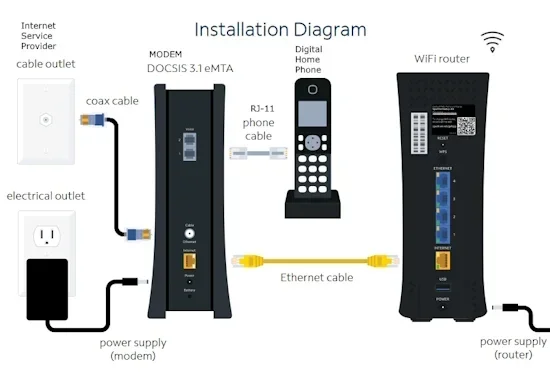
Cable modem connections use the same coaxial cables that deliver television to your home. These cables are capable of carrying much more data than traditional phone lines. A cable modem connects to a coaxial outlet on your wall and translates the signal into internet data your devices can use.
The cable modem works with a technology called DOCSIS, which stands for Data Over Cable Service Interface Specification. This is the standard that allows cable TV infrastructure to carry high-speed internet. Most modern cable modems support DOCSIS 3.0 or DOCSIS 3.1, which offer much faster speeds.
Cable modem connections share bandwidth with other users in your neighborhood. This means your speed can fluctuate depending on how many people are online at the same time. During peak hours in the evening, you might notice a slight slowdown.
Speed and Performance of Cable Modem Connections
Cable modem connections can deliver speeds from 10 megabits per second all the way up to 1 gigabit per second or more. This makes them a popular choice for households with multiple users and devices. Streaming movies, online gaming, and video calls all work well on cable modem connections.
The main downside of cable modem connections is the shared nature of the network. If your entire neighborhood is streaming content at the same time, you may experience reduced speeds. However, for most users, the impact is minimal and the speeds are still very good.
Cable modem connections also tend to be more expensive than DSL in some areas. But the speed advantage often makes them worth the extra cost. Many internet service providers offer bundle deals that include cable internet and TV service.
Fiber Optic Modem Connections: The Gold Standard
How Fiber Optic Modem Connections Work
Fiber optic modem connections are the most advanced type of internet connection available today. Instead of using copper wires or coaxial cables, fiber optic connections use thin glass or plastic strands that carry data as pulses of light. This allows for incredibly fast speeds and very low latency.
A fiber optic modem, sometimes called an optical network terminal or ONT, converts the light signals into electrical signals your devices can understand. The connection runs directly from the ISP to your home, which is why fiber is often called fiber-to-the-home or FTTH.
Fiber optic modem connections are symmetrical, meaning your upload speed matches your download speed. This is a huge advantage for people who video conference, upload large files, or stream content. Most other connection types have much slower upload speeds.
Speed and Performance of Fiber Optic Modem Connections
Fiber optic modem connections can deliver speeds from 100 megabits per second to 10 gigabits per second or more. Latency is extremely low, which means less lag during online gaming and smoother video calls. The connection is also very stable and less affected by weather or distance.
The biggest drawback of fiber optic modem connections is availability. Fiber infrastructure is still being rolled out in many areas. Rural regions and smaller towns may not have access to fiber yet. The cost of installation can also be higher than other connection types.
If fiber is available in your area, it is almost always the best choice. The speed, reliability, and consistency of fiber optic modem connections are unmatched by any other technology. It is worth checking if your address qualifies for fiber service.
Wireless and Satellite Modem Connections: Internet Without Wires
How Wireless Modem Connections Work
Wireless modem connections use radio waves to transmit data between a tower and your modem. This is similar to how your smartphone connects to the cellular network. A wireless modem picks up the signal from a nearby cell tower and converts it into an internet connection for your devices.
Fixed wireless internet is different from mobile data. Fixed wireless modem connections are designed for home use. They require a modem with a directional antenna that points toward a nearby broadcast tower. These connections are often used in rural areas where wired options are not available.
Wireless modem connections can offer decent speeds for basic browsing, streaming, and light work tasks. However, they are affected by distance from the tower, obstacles like trees and buildings, and weather conditions. A clear line of sight to the tower helps maintain a strong signal.
How Satellite Modem Connections Work
Satellite modem connections beam internet data from space to a dish installed on your property. The dish sends and receives signals to and from a satellite orbiting the Earth. This makes satellite modem connections available almost anywhere, including the most remote locations on the planet.
Satellite internet has improved significantly in recent years. Newer systems offer lower latency and faster speeds compared to older satellite technology. However, satellite modem connections still suffer from higher latency than wired connections because the data has to travel a very long distance to reach orbit and back.
Weather can also impact satellite modem connections. Heavy rain, snow, or thick clouds can interfere with the signal. And data caps are common with satellite plans, which means you may face slower speeds after using a certain amount of data each month.
How to Choose the Right Modem Connection for Your Needs
Factors to Consider When Picking a Modem Connection
Choosing the right modem connection depends on several factors. First, consider what is available in your area. Not every connection type is offered everywhere. Check with local internet service providers to see what options exist for your address.
Next, think about your internet usage habits. If you mostly browse the web and check email, a basic DSL or cable modem connection may be enough. If you stream 4K videos, play online games, or have a household with many users, you will want faster speeds from cable or fiber optic modem connections.
Budget also plays a role. Dial-up modem connections are the cheapest but offer the worst performance. Fiber optic modem connections tend to be the most expensive but deliver the best value for the speed you get. Cable modem connections strike a good balance between cost and performance for most users.
Quick Tips for Getting the Most From Your Modem Connection
Here are some practical tips to help you get the best performance from your modem connection:
- Place your modem in a central location in your home for the best coverage.
- Keep your modem away from walls, metal objects, and electronics that cause interference.
- Restart your modem regularly to clear its memory and maintain a stable connection.
- Update your modem firmware when new versions are available from the manufacturer.
- Use an Ethernet cable for devices that need the fastest and most stable connection.
- Check your internet speed regularly to make sure you are getting what you pay for.
Common Mistakes People Make With Modem Connections
One common mistake is buying a modem that is not compatible with your internet service provider. Every ISP supports specific modem models, so always check the compatibility list before you buy. Using an incompatible modem can lead to poor performance or no connection at all.
Another mistake is ignoring the age of your modem. Technology advances quickly, and older modems may not support the latest speeds and standards. If your modem is more than five years old, it may be time to upgrade. A newer modem can make a noticeable difference in your internet experience.
Some people also place their modem in a poor location, like a closet or basement. This weakens the signal and can cause slow speeds or dropped connections. A central, elevated spot works best for most modem connections.
The Future of Modem Connections
The world of modem connections is always evolving. Fiber optic technology is expanding to more homes every year. Internet service providers are investing heavily in fiber infrastructure because it offers the best performance and future-proofing.
5G wireless technology is also changing the landscape. 5G fixed wireless modem connections promise speeds that rival cable and even fiber in some cases. As 5G networks grow, they could become a viable alternative to wired connections in more areas.
Satellite internet is improving too. New satellite constellations in low Earth orbit aim to reduce latency and increase speeds. This could make satellite modem connections a much better option for rural and remote users in the near future.
No matter what technology comes next, the basics remain the same. A good modem connection gives you fast, reliable access to the internet. Understanding your options ensures you always pick the best one for your situation.
Conclusion
The different types of modem connections each have their own strengths and weaknesses. Dial-up modem connections are slow but available almost everywhere. DSL modem connections offer reliable broadband using phone lines. Cable modem connections deliver fast speeds through TV infrastructure. Fiber optic modem connections provide the best performance available today. And wireless and satellite modem connections fill the gaps where wired options are not practical.
Your choice of modem connection should match your location, your budget, and your internet habits. Take the time to compare what is available in your area. Read reviews, check speeds, and ask your neighbors what they use. The right modem connection makes every online experience better, from browsing and streaming to working and gaming.
Stay informed about new technologies as they emerge. The internet landscape is always changing, and the best modem connection today might not be the best one tomorrow. But with the knowledge in this guide, you are well equipped to make smart decisions about your internet setup.
Frequently Asked Questions
What is the fastest type of modem connection?
Fiber optic modem connections are the fastest type available today. They can deliver speeds up to 10 gigabits per second or more with very low latency. Cable modem connections also offer very fast speeds, often up to 1 gigabit per second, but fiber is the clear winner for raw performance.
Can I use any modem with my internet service provider?
No, not every modem works with every ISP. Each internet service provider supports specific modem models that are compatible with their network. Always check your ISP’s approved modem list before purchasing a modem to ensure it will work properly with your connection type.
Is dial-up still used anywhere today?
Yes, a small number of people still use dial-up modem connections in very remote or rural areas where other options are not available. It is also used in some developing countries where internet infrastructure is still limited. However, dial-up is largely considered obsolete for everyday use.
What is the difference between a modem and a router?
A modem connects your home to the internet. A router distributes that internet connection to multiple devices, either through wires or Wi-Fi. Many people use a modem router combo device that handles both functions in one unit. This simplifies setup and saves space.
Do I need a special modem for fiber optic connections?
Yes, fiber optic modem connections require a special device called an optical network terminal or ONT. This device converts the light signals from the fiber cable into electrical signals your devices can use. Your internet service provider typically provides or installs the ONT for you.
How can I improve my modem connection speed?
You can improve your modem connection speed by placing the modem in a central location, restarting it regularly, updating its firmware, and using an Ethernet cable for devices that need the fastest connection. You should also check if your ISP plan matches your speed needs and consider upgrading if necessary.