Do Projectors Consume A Lot Of Electricity Find Out Now
Do projectors consume a lot of electricity? The answer depends on the type, size, and usage habits. Most home projectors use between 150 and 800 watts, which is less than many people expect. LED and laser projectors are far more energy efficient than traditional lamp models. Understanding your projector’s power draw helps you manage your electricity bill and make smarter buying decisions.
Have you ever wondered, do projectors consume a lot of electricity? Maybe you are thinking about buying one for your living room or home theater setup. You might be worried about your monthly electricity bill going through the roof. Or perhaps you already own a projector and want to understand what it is costing you each month.
The good news is that projectors are generally quite energy efficient, especially compared to older TV models. But the answer is not a simple yes or no. Different projector types use very different amounts of power. A small portable LED projector sips electricity like a phone charger, while a bulky lamp projector can use as much as a microwave oven.
In this article, we will break down everything you need to know about projector electricity usage. You will learn how many watts different projectors use, what affects their power draw, and how to estimate your monthly costs. By the end, you will know exactly whether a projector is a budget-friendly choice for your entertainment setup.
Key Takeaways
- Projector wattage varies widely: LED models use as little as 30 watts, while high-end lamp projectors can pull over 800 watts.
- Running costs are surprisingly low: A typical home projector costs just a few cents to a few dollars per day to operate.
- Laser projectors are the most efficient: They use less power and last longer than traditional lamp projectors.
- Standby power still matters: Even when turned off, projectors draw a small amount of electricity if plugged in.
- Brightness affects power use: Higher brightness settings mean more electricity consumed.
- Projectors often use less than TVs: A large projector screen can be more energy efficient than a big LED TV.
- Simple habits save energy: Eco mode, proper ventilation, and smart power strips reduce electricity use significantly.
📑 Table of Contents
Understanding Projector Power Consumption
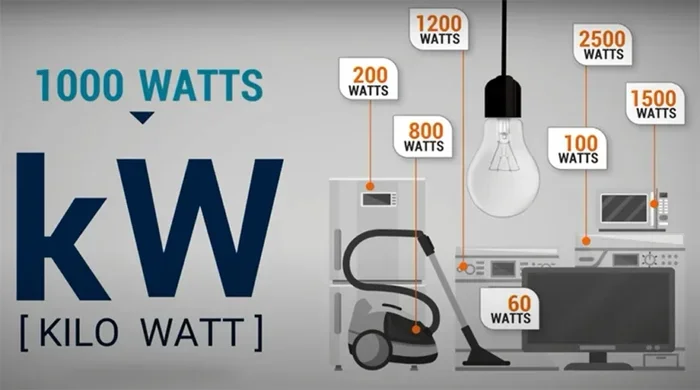
When we talk about electricity usage, we measure it in watts. A projector’s wattage tells you how much power it draws during operation. But wattage is not the same as total energy cost. To understand the real impact, you need to look at both the wattage and the number of hours you use the device each day.
Most home entertainment projectors fall into three main categories: lamp projectors, LED projectors, and laser projectors. Each type has a very different power profile. Let us take a closer look at what drives projector power consumption.
Lamp Projectors
Traditional lamp projectors are the older technology. They use a bright bulb to create the image on your screen. These projectors tend to use more electricity, typically ranging from 200 to 800 watts. The bulb itself is the biggest power hog. Higher brightness models pull more watts because they need a stronger light source.
If you are using a lamp projector for a movie night that lasts two hours, it could consume around 1.6 kWh of electricity. That does not sound like much, but it adds up over weeks and months of regular use. This is why many people are switching to newer technologies.
LED Projectors
LED projectors use light-emitting diodes instead of a traditional bulb. They are much more energy efficient. A typical LED projector uses between 30 and 150 watts. Some ultra-compact models even run on less than 30 watts, making them perfect for portable use.
The low power draw of LED technology is one of the biggest selling points. If you are concerned about electricity costs, an LED projector is a great choice. They also last much longer because the LEDs do not burn out the way traditional bulbs do.
Laser Projectors
Laser projectors are the newest and most advanced option. They use laser diodes to produce bright, vivid images. These projectors strike a nice balance between brightness and energy efficiency. Most laser projectors use between 150 and 350 watts.
They are more efficient than lamp projectors but can use slightly more power than LED models. However, laser projectors offer excellent brightness without needing to run at maximum power. This makes them a smart pick for people who want a big picture without a huge electricity bill.
What Factors Affect Projector Electricity Use?
Not all projectors use the same amount of power, even if they are the same type. Several factors influence how much electricity your projector consumes. Understanding these factors helps you make smarter choices about how and when to use your device.
Brightness Settings
The brighter your projector, the more electricity it uses. Most projectors let you adjust the brightness level. Running your projector at full brightness can increase power consumption by 20 to 40 percent compared to a lower setting. For a dark room movie night, you do not need maximum brightness anyway.
A quick tip: dim the brightness to a comfortable level and you will save energy. Your eyes will also thank you because a slightly dimmer image is easier on them in a dark room. This is one of the easiest ways to reduce your projector’s electricity use.
Projector Size and Resolution
Larger projectors with higher resolution tend to use more power. A 4K projector needs more processing power and brighter light output than a standard 1080p model. If you are looking for an energy efficient option, a 1080p projector will use less electricity than a 4K model.
That said, the difference is not huge. The projector type matters more than the resolution when it comes to electricity use. An LED 4K projector might still use less power than a lamp 1080p model.
Usage Duration
This one is obvious but important. The longer you run your projector, the more electricity it uses. A projector running for eight hours a day will use far more power than one used for two hours a day. If you use your projector for long gaming sessions or movie marathons, keep this in mind.
Using a projector screen that is properly sized also helps. If the image is too large for the room, you might be tempted to crank up the brightness, which wastes energy. A correctly sized screen lets you keep the brightness at a moderate level.
How Much Does It Cost to Run a Projector?
Now let us talk money. Understanding the cost of running a projector helps you decide if it fits your budget. The calculation is simple: take the wattage, multiply it by your hours of use, and divide by 1000 to get kilowatt hours. Then multiply by your electricity rate.
For example, if your projector uses 200 watts and you watch movies for three hours a day, that is 0.6 kWh per day. At an average US electricity rate of about $0.15 per kWh, that costs roughly $0.09 per day, or about $2.70 per month. That is very affordable for most households.
Compare this to a large 65-inch LED TV, which typically uses around 100 to 200 watts. A projector and a TV of similar screen size can cost about the same to run. But projectors offer a much bigger screen experience for the same or lower electricity cost.
Projector vs Television Electricity Cost
Many people wonder whether a projector or a TV uses more electricity. The answer depends on the specific models you compare. Here is a quick comparison of common setups:
- LED TV (55-inch): Uses about 60 to 120 watts
- LED Projector (100-inch screen): Uses about 30 to 150 watts
- Laser Projector (120-inch screen): Uses about 200 to 350 watts
- Lamp Projector (100-inch screen): Uses about 200 to 800 watts
As you can see, a projector can use less electricity than a TV in many cases. The bigger the TV screen, the more power it typically draws. A projector gives you a massive 100-inch or larger image without a proportional increase in electricity use.
Tips to Reduce Projector Electricity Costs
Want to keep your projector energy use low? Here are some practical tips that actually work. These are simple changes that can make a real difference in your monthly electricity bill.
Use Eco Mode
Most modern projectors come with an Eco Mode or energy-saving mode. This setting reduces the brightness slightly but significantly cuts power consumption. Eco Mode can reduce electricity use by 20 to 40 percent. For casual movie nights, the slight brightness reduction is barely noticeable.
Turn It Off When Not in Use
This sounds obvious, but many people leave their projectors on standby. A projector in standby mode still draws a small amount of power. Some models use 1 to 5 watts even when not actively projecting. Over time, this standby power adds up. Unplug the projector when you are not using it, or use a smart power strip to cut power completely.
Keep the Ventilation Clean
Projectors generate heat, and they use fans to cool down. If the vents are clogged with dust, the fans work harder and use more electricity. Regularly clean the air filters and make sure the projector has good airflow. This keeps the device running efficiently and extends its lifespan.
Choose the Right Projector for Your Needs
Before buying, think about how you will use the projector. If you only watch movies a few times a week, an LED projector is a great low-power choice. If you need a bright image for a well-lit room, a laser projector offers good brightness without excessive power use. Avoid lamp projectors if energy efficiency is a top priority for you.
Use a Timer or Smart Plug
A smart plug lets you schedule when your projector turns on and off. You can set it to shut down after a movie ends or to turn on 30 minutes before your scheduled watch time. This prevents accidental long-running sessions and saves energy automatically.
Do Projectors Use More Electricity Than You Think?
Here is a common myth: projectors are power-hungry machines that will destroy your electricity bill. The truth is quite different. Most modern home projectors use less electricity than a gaming console or a desktop computer. A typical home projector costs just a few dollars per month to run, even with regular use.
People often overestimate projector electricity use because the devices produce such a bright, large image. It feels like they must be using a lot of power. But technology has come a long way. LED and laser projectors are remarkably efficient for the size of the image they produce.
If you are comparing a projector to a large TV, the projector often wins on energy efficiency. A 100-inch projected image uses less power than a 75-inch or 85-inch TV. The bigger the screen, the more this advantage holds true.
If you are setting up a home theater, consider using a projector screen instead of a plain wall. A proper screen improves image quality and lets you use lower brightness settings. This further reduces electricity use. You can learn more about screen options in our guide on whether you can use blackout curtains as a projector screen.
For those who like flexibility, you might also enjoy our article on turning your iPhone into a projector. It is a fun and low-power alternative for casual viewing.
Final Thoughts on Projector Electricity Use
So, do projectors consume a lot of electricity? The short answer is no. Most projectors use a moderate amount of power, and many modern models are incredibly energy efficient. LED and laser projectors are especially kind to your electricity bill.
The key is to choose the right type of projector for your needs and use smart habits. Turn on Eco Mode, clean the vents, and avoid leaving the device on standby. These small steps add up to meaningful savings over time.
Whether you are building a home theater or just want a big screen for movie nights, a projector is a practical and affordable choice. The electricity cost is low, the image quality is excellent, and the experience is hard to beat. Enjoy your movies, games, and presentations without worrying about your power bill.
Remember, the best projector is one that fits your lifestyle and budget. Now that you know the facts about electricity use, you can make a confident decision. Happy watching!
Frequently Asked Questions
Do projectors use a lot of electricity compared to TVs?
Generally, projectors use less electricity than TVs of similar screen size. A 100-inch projector image often uses fewer watts than a 65-inch LED TV. However, high-end lamp projectors can use more power than a standard TV. LED and laser projectors are the most efficient options.
How many watts does a typical home projector use?
A typical home projector uses between 150 and 400 watts. LED projectors can use as little as 30 watts, while lamp projectors may draw 600 watts or more. The exact wattage depends on the model, brightness, and settings you use.
Can using a projector save money on electricity?
Yes, especially if you choose an LED or laser projector and use Eco Mode. Projectors often cost less to run per hour than large TVs. Over time, the savings can be significant, especially if you watch several hours of content each day.
Does projector brightness affect electricity use?
Yes, higher brightness settings increase electricity consumption. Running your projector at full brightness can use 20 to 40 percent more power than a lower setting. For dark rooms, reducing brightness saves energy without sacrificing image quality.
How much does it cost to run a projector for 4 hours a day?
At an average electricity rate of $0.15 per kWh, running a 200-watt projector for 4 hours a day costs about $0.12 per day, or roughly $3.60 per month. LED projectors cost even less. Laser projectors may cost a bit more depending on their wattage.
Do projectors use electricity on standby?
Yes, most projectors draw a small amount of power on standby, typically 1 to 5 watts. While this is minimal, it can add up over weeks and months. Unplugging the projector or using a smart power strip eliminates standby power use completely.
=== CONCLUSION ===
Do projectors consume a lot of electricity? The answer is a reassuring no for most users. Modern projectors, especially LED and laser models, are designed to be energy efficient while delivering stunning image quality. Whether you are setting up a home theater or using a projector for work presentations, the electricity cost is manageable and often lower than you might expect.
By choosing the right projector type, using Eco Mode, and adopting a few simple energy-saving habits, you can enjoy a big-screen experience without worrying about your power bill. The key takeaway is that projectors are a smart, budget-friendly choice for anyone who loves a large, immersive display.
Start applying these tips today and enjoy your projector with confidence. You now have the knowledge to make informed decisions about your entertainment setup and electricity usage.