Create Family Tree Word And Discover Your Roots Today
Creating a family tree in Word is one of the simplest and most affordable ways to map out your ancestry. This guide walks you through everything you need to know about create family tree word, from choosing the right template to adding generations of family records. You will learn practical steps, design tips, and expert advice that make the process fun and rewarding. Whether you are a beginner or a seasoned genealogist, this guide has something valuable for you. Let us help you bring your family history to life in a Word document you can be proud of.
Have you ever wondered where your family comes from? Create family tree word documents give you a powerful yet simple way to explore your ancestry. A family tree is more than just a chart with names and dates. It is a visual story of who you are and where you come from. In this guide, we will show you exactly how to build one using Microsoft Word. You do not need to be a tech expert or a professional genealogist. All you need is a computer, a bit of curiosity, and the desire to learn more about your roots.
Many people think building a family tree requires expensive software or complicated tools. That is simply not true. Word is already on most computers, and it has everything you need to get started. From free templates to easy-to-use design tools, Word makes genealogy accessible to everyone. This article will cover every step of the process. You will learn how to choose the right template, add family details, design your chart, and avoid common mistakes along the way.
Key Takeaways
- Easy Access: Microsoft Word offers built-in tools and templates that make creating a family tree simple for everyone.
- Customizable Designs: You can personalize your ancestry chart with colors, shapes, photos, and text to match your family style.
- Free Templates: Word provides free family tree templates that save you time and effort in the design process.
- Scalable Structure: You can start small with a few names and expand your family lineage as you discover more records.
- Preserves History: A Word family tree document serves as a digital heirloom that can be shared, printed, and stored safely.
- Beginner-Friendly: No special skills or expensive software are needed to build a professional-looking genealogy chart in Word.
📑 Table of Contents
- What Is Create Family Tree Word and Why Does It Matter?
- Why Choose Word for Your Family Tree Project?
- How to Create Family Tree Word: A Step-by-Step Guide
- Best Templates and Design Ideas for Your Family Tree
- Tips for Building a Detailed Family History
- Common Mistakes to Avoid When Creating a Family Tree in Word
- Frequently Asked Questions
- Conclusion
What Is Create Family Tree Word and Why Does It Matter?
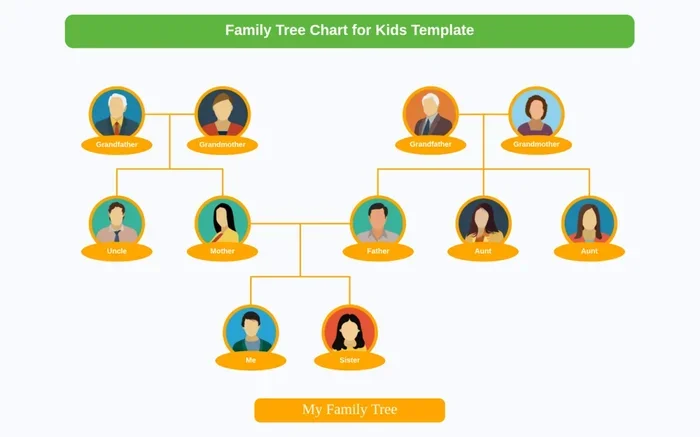
When we talk about create family tree word, we mean using Microsoft Word to design a visual representation of your family history. This can be a simple chart with three generations or a complex diagram spanning centuries. A family tree template in Word gives you a starting point that you can customize to fit your needs. Think of it as a blank canvas where your family story comes to life.
Why does this matter? Your family history is important. It connects you to your past and helps you understand your identity. Many people discover surprising facts about their ancestors when they start building a tree. You might find out that your great-grandparent was an immigrant or that your family has a long line of farmers or artists. These stories make your family unique. They also give your children and grandchildren something precious to cherish.
Using Word for this project has several advantages. It is familiar to most people. You do not need to download new software or learn a complicated interface. Your document is easy to edit, save, and share. You can also print it out and frame it as a family heirloom. The flexibility of Word means you can start simple and make your design as detailed as you want.
Who Should Create a Family Tree?
Anyone with an interest in their heritage can benefit from building a family tree. Here are some people who often find this project rewarding:
- Beginners exploring their ancestry for the first time
- Parents and grandparents who want to document their family for future generations
- Teachers and students working on school projects about genealogy
- History enthusiasts who love researching the past
- Adoptees looking to learn more about their biological roots
- Families planning reunions who want to connect with distant relatives
No matter who you are, create family tree word is a project that welcomes everyone. There is no wrong way to start. Every name you add brings you closer to understanding your full story.
Why Choose Word for Your Family Tree Project?
You might be wondering why you should use Word instead of dedicated genealogy software. The answer comes down to simplicity and accessibility. Let us look at some of the top reasons why create family tree word is a great choice.
It Is Already on Your Computer
Most people already have Microsoft Word installed. You do not need to buy anything extra or sign up for a new service. This makes it the easiest starting point for anyone who wants to build a family tree without friction. You open the program, pick a template, and start working right away.
No Learning Curve
Word is designed for everyday use. You already know how to type, format text, and insert images. These same skills apply directly to creating your family tree. There is no steep learning curve or confusing interface to navigate. You can focus on the fun part, which is researching and adding your family details.
Easy to Share and Print
Once your family tree is complete, sharing it is effortless. You can send the Word file to relatives through email or upload it to a cloud drive. You can also print it in different sizes. A printed family tree makes a wonderful gift for holidays, reunions, or special family milestones.
Cost Effective
Many family tree tools require subscriptions or one-time purchases. Word, on the other hand, is often included with an Office license or available through free online versions. The built-in templates are free, and the tools you need are already there. This makes create family tree word one of the most budget-friendly options available.
Flexible and Customizable
Word gives you full control over the look and feel of your family tree. You can change colors, fonts, shapes, and layouts. You can add photos of each family member. You can even include small stories or notes beside each name. This level of customization means your final product truly reflects your family’s personality and history.
How to Create Family Tree Word: A Step-by-Step Guide
Now that you understand why Word is a great choice, let us walk through the actual process. Follow these steps to create your family tree from start to finish.
Step 1: Gather Your Family Information
Before you open Word, take some time to collect information about your family. Start with what you already know. Write down names, birth dates, death dates, and relationships. Talk to older family members. They are living history books. Ask them about their parents, grandparents, and great-grandparents. Write everything down, even if you are not sure it is accurate. You can verify details later.
Here are some helpful sources to gather family records:
- Old family photographs with names written on the back
- Birth, marriage, and death certificates
- Family Bibles or journals
- Conversations with parents, aunts, uncles, and grandparents
- Online genealogy databases and historical records
Step 2: Open Word and Choose a Template
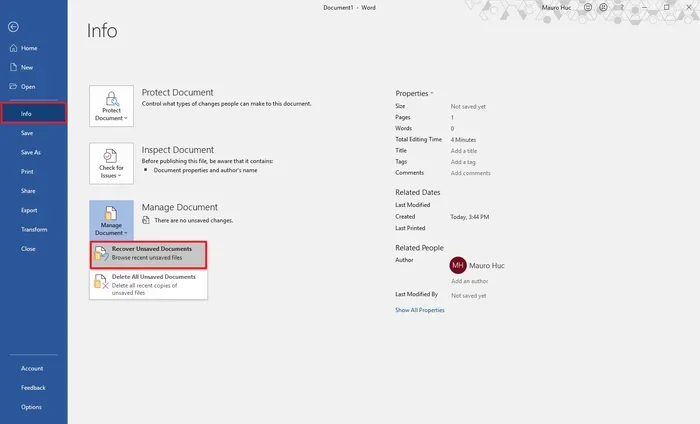
Once you have your information ready, open Microsoft Word. Click on the File menu and select New. In the search bar, type family tree or ancestry chart. Word will show you several free templates. Browse through them and pick one that fits the size of your family and your personal style.
Some templates are designed for small families with just a few generations. Others can accommodate larger family trees with many branches. Choose the one that matches what you have in mind. You can always switch templates later if you decide to expand your tree.
Step 3: Customize the Template
After you select a template, it is time to make it your own. Click on the text boxes and start replacing the placeholder names with your real family members. Add birth dates, marriage dates, and any notes you want to include.
Here are some ways to personalize your family tree design:
- Change the color scheme to match your family’s preferences
- Insert photos of each family member into the boxes
- Adjust the font style and size for better readability
- Add a title at the top, such as “The Johnson Family Tree”
- Include a small legend that explains your symbols or color codes
Step 4: Add More Generations
As you research more, you will likely want to add more generations to your tree. Word makes this relatively easy. You can insert additional shapes, lines, and text boxes to extend your chart. Simply drag and drop elements to arrange them neatly.
If your tree becomes very large, consider breaking it into multiple pages or creating separate charts for each branch of the family. This keeps the design clean and easy to read. A well-organized pedigree chart is much more useful than a cluttered one.
Step 5: Review and Save
Before you finalize your family tree, take a close look at it. Check all names and dates for accuracy. Ask a family member to review it too. A fresh pair of eyes can catch mistakes you might have missed. Once you are satisfied, save the file in multiple formats. Save a Word copy so you can edit it later. Also save a PDF version for sharing and printing.
Step 6: Share Your Creation
The final step is the most rewarding. Share your family tree with your relatives. You can email the file, print copies for a family gathering, or even post it on a private family website. Your family connections will appreciate the effort you put into documenting your shared history.
Best Templates and Design Ideas for Your Family Tree
The design of your family tree matters. A well-designed chart is not only informative but also beautiful. It becomes something your family wants to display and share. Let us explore some of the best options for designing your tree in Word.
Popular Family Tree Layouts
Word offers several layout options for your ancestry chart. Here are the most common ones:
- Vertical Tree: Names go from top to bottom. This is the classic look and works well for smaller family trees.
- Horizontal Tree: Names go from left to right. This layout is great for wide family trees with many generations side by side.
- Fan Chart: This circular design spreads out from the center. It looks elegant and is perfect for showing multiple generations at once.
- Pedigree Chart: This focuses on one person and traces their ancestors upward. It is ideal for detailed genealogical research.
- Group Family Chart: This shows siblings and their families together. It is excellent for documenting a single generation in detail.
Design Tips for a Professional Look
You do not need to be a graphic designer to create a stunning family tree. Follow these simple tips to make your document look polished and professional:
- Use consistent colors throughout the chart
- Keep text aligned and evenly spaced
- Use high-quality photos that are clearly visible
- Add a border or background color for a finished look
- Include a date and your name as the creator at the bottom
Adding Photos and Personal Touches
One of the best things about creating your tree in Word is the ability to add photos. Insert a picture of each family member into their respective box. This transforms a simple chart into a meaningful family portrait. You can also add short descriptions or memorable quotes beside each person. These personal touches make your family tree truly special and give future generations a deeper connection to their heritage.
Tips for Building a Detailed Family History
Building a family tree is not just about filling in names and dates. It is about uncovering stories and preserving memories. Here are some expert tips to help you get the most out of your genealogical research.
Start with What You Know
Always begin with the information you already have. You know your own name, your parents’ names, and your grandparents’ names. Build outward from there. Each new piece of information leads to the next discovery. This approach keeps your research organized and prevents you from feeling overwhelmed.
Talk to Your Relatives
Your oldest living relatives are your greatest resource. Sit down with them and ask questions. Record their stories, even if they seem small or insignificant. You might learn about a family tradition, a favorite recipe, or a historical event your ancestor lived through. These details add richness to your family tree that no chart alone can capture.
Use Online Resources
The internet has made genealogical research easier than ever. Websites like Ancestry.com, FamilySearch.org, and MyHeritage offer vast databases of historical records. You can search for birth records, census data, immigration records, and more. Many of these sites are free or offer free trial periods. Use them to verify the information you have and discover new branches of your family.
Keep Your Records Organized
As your research grows, stay organized. Create folders on your computer for different branches of your family. Save copies of important documents. Keep a research log to track what you have found and where you found it. Good organization now will save you a lot of time and confusion later.
Update Your Tree Regularly
A family tree is never truly finished. As you discover new information, go back and update your Word document. Add new generations, correct errors, and include fresh photos. Think of your family tree as a living document that grows with your family.
Common Mistakes to Avoid When Creating a Family Tree in Word
Even with the best intentions, mistakes can happen when building a family tree. Here are some common pitfalls to watch out for.
Skipping the Research Phase
Some people jump straight into Word without doing proper research. This leads to incomplete or inaccurate trees. Always gather your information first. Verify dates and relationships before adding them to your chart. A little extra research upfront saves you from having to redo work later.
Using the Wrong Template Size
Not all templates work for every family. If you have a large extended family, a small template will become cramped and hard to read. Choose a template that gives you enough space to add all the details you need. You can always adjust the layout or create additional pages.
Ignoring Spelling and Dates
It is easy to make typos or mix up similar names. Double-check every entry for accuracy. A misspelled name or wrong date can confuse future generations. Take the time to get it right. Your future self and your descendants will thank you.
Forgetting to Save and Backup
Nothing is more frustrating than losing your work. Save your file frequently. Use cloud storage like OneDrive or Google Drive to keep a backup. This ensures your family tree is safe even if your computer crashes or your file gets corrupted.
Making It Too Complicated
While it is great to be thorough, overcomplicating your design can make the tree hard to read. Keep the layout clean and the text legible. Focus on clarity. A beautiful but confusing chart is less useful than a simple and clear one.
Frequently Asked Questions
Can I create a family tree in Word for free?
Yes, you can. Microsoft Word offers free family tree templates that you can access directly within the application. Even if you do not have a paid version of Word, the free online version at Office.com includes many of the same templates and tools you need to get started.
What is the best family tree layout for beginners?
The vertical tree layout is the best choice for beginners. It is simple, intuitive, and easy to follow. You start with one person at the top and add parents, grandparents, and great-grandparents going downward. This layout works well for small to medium-sized family trees and is the most commonly used format.
How many generations can I include in a Word family tree?
The number of generations depends on the template you choose and the size of your document. Most standard templates comfortably fit three to five generations. If you want to include more, you can adjust the page layout, use a larger paper size, or split your tree across multiple pages or documents.
Can I add photos to my family tree in Word?
Absolutely. Word makes it easy to insert photos into your family tree. Simply click on the Insert tab, select Pictures, and choose the image you want to add. You can resize and position the photo within each family member’s box. Adding photos brings your tree to life and makes it a truly personal document.
Is Word better than dedicated genealogy software?
It depends on your needs. Word is perfect for creating simple, visually appealing family trees that you can share and print. Dedicated genealogy software offers more advanced features like automated research tools and large database integration. However, for most casual family historians, Word is more than sufficient and much easier to use.
How do I share my Word family tree with family members?
You can share your family tree in several ways. Email the Word file directly to relatives. Save it as a PDF and send it as an attachment. Upload it to a shared cloud folder like OneDrive or Google Drive. You can also print copies and distribute them at family gatherings. Each method has its advantages, so choose the one that works best for your family.
Conclusion
Create family tree word documents are a wonderful way to explore your ancestry and preserve your family history for generations to come. With free templates, easy-to-use design tools, and the familiarity of Microsoft Word, there has never been a better time to start. Whether you are just curious about your roots or you are a dedicated genealogist, Word gives you everything you need to build a beautiful and meaningful family tree.
Remember to start with what you know, gather information from your relatives, and take your time with the design process. Your family tree is a personal project that reflects your unique family story. It deserves care, attention, and love. So open Word today, choose a template, and take the first step toward discovering your roots. The journey of a thousand miles begins with a single name, and your family story is waiting to be told.