Can You Put A Laptop On A Desk Here Is What To Know
Yes, you can absolutely put a laptop on a desk — but how you do it matters more than you think. Proper laptop desk placement affects cooling, ergonomics, and device longevity. In this guide, we cover everything you need to know about setting up your laptop on a desk safely and effectively.
Key Takeaways
- Desk placement affects performance: Where you place your laptop on a desk impacts airflow, heat dissipation, and overall device health.
- Ergonomics matter: A proper laptop desk setup reduces neck strain, back pain, and repetitive stress injuries.
- Ventilation is critical: Blocking your laptop’s vents on a desk can lead to overheating and long-term damage.
- Use protective accessories: Desk mats, cooling pads, and laptop stands help protect surfaces and improve airflow.
- Weight and surface type count: Not every desk surface is safe for laptop placement — some can scratch or damage your device.
- Follow best practices: Simple habits like keeping vents clear and adjusting screen height go a long way in protecting your laptop.
📑 Table of Contents
Can You Put A Laptop On A Desk? Here Is What To Know
Almost everyone uses a laptop on a desk every single day. Whether you are working from home, studying at the library, or gaming in your room, your laptop likely spends a lot of time sitting on a desk surface. But have you ever stopped to think about whether this is actually safe? Can you put a laptop on a desk without worrying about damage or performance issues?
The short answer is yes. You can definitely place your laptop on a desk. However, the real question is whether you are doing it the right way. Proper laptop desk placement involves more than just setting your device down and getting to work. Things like airflow, surface material, screen height, and even the weight of your laptop all play a role in how safe your setup really is.
In this comprehensive guide, we will walk you through everything you need to know about putting a laptop on a desk. We will cover the risks, the best practices, cooling tips, and ergonomic advice to keep your device running smoothly for years to come.
Why Your Laptop Placement Matters
Where you place your laptop on a desk matters more than most people realize. Your laptop is a compact machine that generates heat during normal use. It relies on vents and fans to stay cool. When you place it on a surface that blocks those vents, you create a real problem.
Heat And Ventilation Concerns
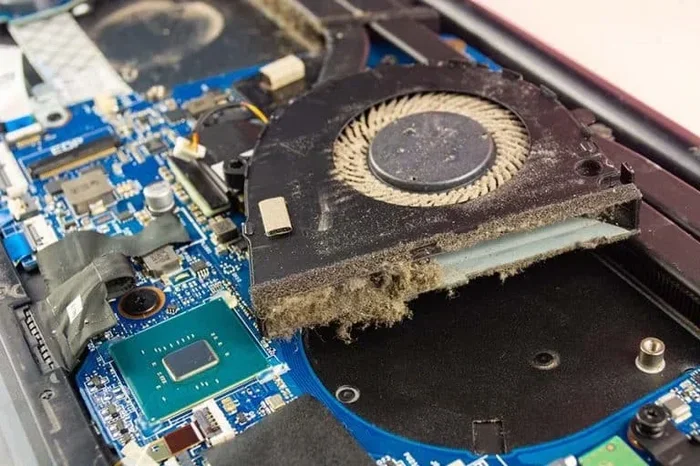
Laptops pull in cool air from the bottom or sides and push hot air out through exhaust vents. When your laptop sits flat on a desk, those intake vents can get completely blocked. This traps heat inside the device and causes internal temperatures to rise quickly.
Overheating is one of the most common issues linked to poor desk placement. High heat can slow down your processor, reduce battery life, and even damage internal components over time. In severe cases, it can cause sudden shutdowns or permanent hardware failure.
Here are some quick facts about laptop heat:
- Most laptops operate safely between 140°F and 194°F (60°C to 90°C).
- Temperatures above 194°F can start to affect performance.
- Blocked vents can push temperatures above safe limits within minutes during heavy use.
Impact On Device Longevity
Using your laptop on a desk without proper care can shorten its lifespan. Heat is the number one enemy of electronic components. Prolonged exposure to high temperatures degrades batteries, weakens solder joints, and can damage your hard drive or SSD.
Your laptop is an investment. Taking a few extra minutes to set it up correctly on your desk can add years to its useful life. Device longevity starts with simple placement decisions that you make every day.
Ergonomic Health Risks
Beyond hardware, your laptop desk setup affects your body. Using a laptop directly on a desk often means looking down at a low screen. This awkward angle strains your neck, shoulders, and upper back. Over months and years, it can lead to chronic pain and posture problems.
Laptop ergonomics is a big topic, but the core idea is simple: your screen should be at eye level, and your keyboard should be at a comfortable typing height. We will cover how to achieve this later in the article.
How To Safely Place A Laptop On A Desk
Now that you understand why placement matters, let us talk about how to do it right. Setting up your laptop on a desk safely requires attention to a few key factors.
Choose The Right Desk Surface
Not all desk surfaces are created equal. The material of your desk affects both your laptop’s safety and your comfort.
- Wooden desks: A solid wood surface works well. It is smooth, stable, and does not retain excessive heat. Just make sure the finish is not too rough, as it could scratch your laptop’s bottom panel.
- Glass desks: These look sleek but can be risky. Glass can scratch easily, and it does not absorb heat well. Your laptop may slide around too. Always use a desk mat on glass surfaces.
- Metal desks: Metal conducts heat away from your laptop, which sounds good. But it can also make the bottom of your laptop very hot to the touch. Use a protective mat in this case.
- Laminate or veneer desks: These are generally safe. They provide a smooth, flat surface that works fine for most laptops.
No matter what material your desk is made of, consider using a desk mat or laptop pad. This adds a layer of protection against scratches and minor heat buildup.
Keep Vents Clear At All Times
This is the single most important rule. Never block your laptop’s air vents. Most laptops have intake vents on the bottom and exhaust vents on the sides or back. When placed on a desk, make sure at least a few inches of clearance exist around the device, especially near the vents.
Avoid placing your laptop near walls, curtains, or other objects that restrict airflow. A cluttered desk is a common cause of laptop overheating issues.
Use A Laptop Stand For Better Airflow
A laptop stand is one of the best accessories you can buy. It elevates your device, creating space underneath for air to circulate freely. Many stands are adjustable, allowing you to raise the screen to a better viewing angle too.
Even a simple, inexpensive stand makes a big difference. Some stands fold flat and are easy to carry in your laptop bag. This is a small investment that pays off in better cooling and improved ergonomics.
Check The Weight Limit
This is especially important if you use a standing desk or a desk with a thin top. Most standard desks handle laptop weight easily, but some lighter or older desks may not support heavier laptops or docking stations. A typical laptop weighs between 2 and 5 pounds, which is well within safe limits for nearly any desk. However, if you add external monitors, speakers, and other gear, make sure the desk can handle the total load.
Best Desk Setups For Your Laptop
Your ideal laptop desk setup depends on how you use your laptop. Different tasks require different configurations. Let us explore the most popular setups.
The Standard Work Setup
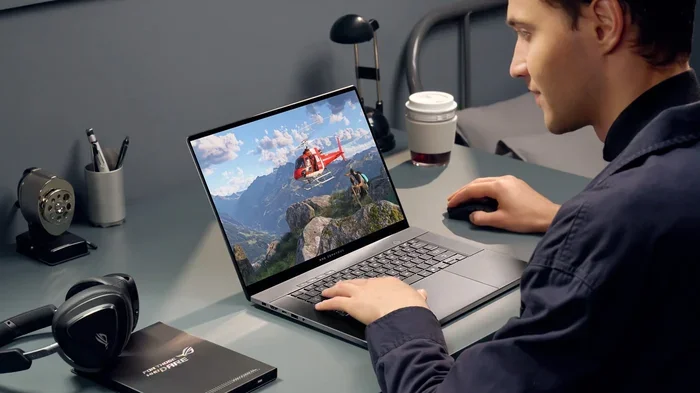
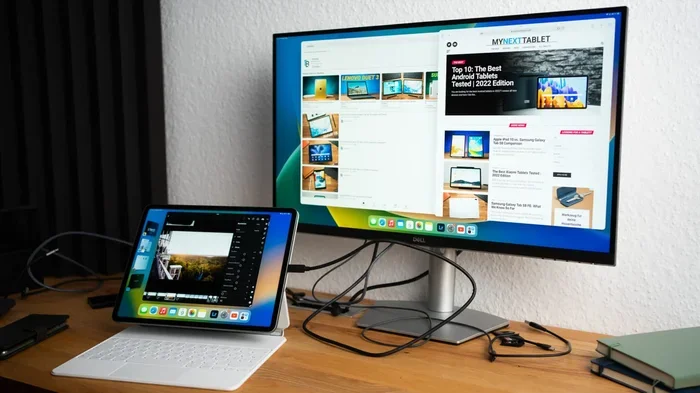
This is the most common configuration. Your laptop sits on the desk, possibly connected to an external monitor, keyboard, and mouse. This setup works well for office work, writing, and web browsing.
To optimize this setup:
- Place your laptop on a stand or riser to improve airflow and raise the screen closer to eye level.
- Use an external keyboard and mouse so you can type in a more natural position.
- Keep the desk surface clean and free of dust, which can clog vents.
- Add a desk organizer to reduce clutter and improve workspace productivity.
The Gaming Setup
Gamers often push their laptops harder than any other user group. Heavy games cause CPUs and GPUs to work at full capacity, generating a lot of heat. A proper desk setup is critical for gaming laptops.
For gaming, consider these tips:
- Use a laptop cooling pad with multiple fans to supplement your device’s built-in cooling system.
- Position your laptop so that all vents face open air, away from the desk edge or wall.
- Keep the room well-ventilated. A small fan or open window helps significantly.
- Avoid using your gaming laptop on soft surfaces like beds or couches, even if the desk is nearby.
The Minimalist Setup
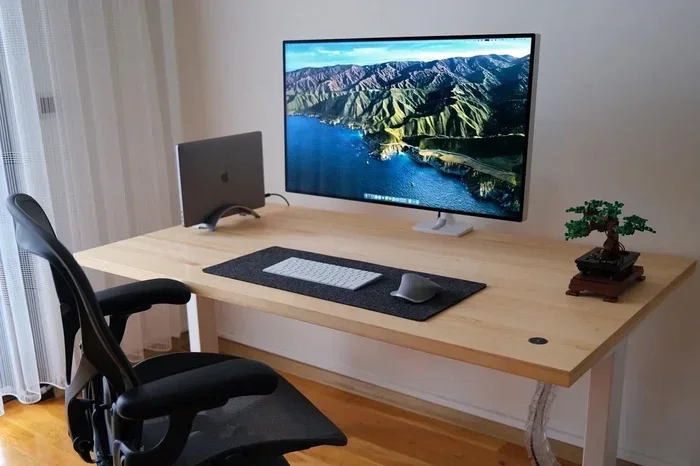
Some people prefer a clean, simple desk with just a laptop and a notebook. This setup works well if you keep your workload light. However, even in a minimalist setup, you should still pay attention to ventilation and screen height.
A small laptop riser can elevate your screen without adding clutter. It fits perfectly into a workspace organization plan and keeps your desk looking tidy.
Comparison Of Popular Desk Setups
| Setup Type | Best For | Cooling Need | Ergonomic Rating |
|---|---|---|---|
| Standard Work | Office tasks, writing | Moderate | Good with stand |
| Gaming | High-performance use | High (cooling pad needed) | Fair (needs monitor) |
| Minimalist | Light browsing, reading | Low | Fair (needs riser) |
| Standing Desk | Active work, health focus | Moderate | Very Good |
Common Mistakes When Placing A Laptop On A Desk
Even people who think they are setting up their laptop correctly often make avoidable mistakes. Here are the most frequent errors we see when it comes to placing a laptop on a desk.
Mistake 1: Blocking The Vents
This is the most common problem. Many people place their laptop directly against a wall or push it to the back of a crowded desk. The exhaust vents get blocked, and heat builds up inside. Always leave space behind your laptop for hot air to escape freely.
Mistake 2: Using The Laptop On A Uneven Surface
An uneven desk or a desk with a slight warp can block one side of the laptop’s vent grid. This creates imbalanced airflow and causes one side to run hotter than the other. Make sure your desk surface is flat and stable before placing your laptop down.
Mistake 3: Ignoring Screen Height
When your laptop sits flat on a desk, the screen is usually too low. You end up hunching over to see it, which causes neck and shoulder strain. The simplest fix is a laptop stand or a separate monitor. Screen height adjustment is one of the easiest ergonomic upgrades you can make.
Mistake 4: Skipping The Desk Mat
A desk mat protects both your laptop and your desk surface. Without one, you risk scratches on the bottom panel of your laptop and scratches on the desk. A good mat also provides slight elevation, which improves airflow just a little. It is a small detail that makes a big difference.
Mistake 5: Overloading The Desk
Cluttering your desk with heavy items, stacked books, or unnecessary accessories restricts airflow and creates a chaotic workspace. A clean, organized desk promotes better workspace productivity and keeps your laptop safe. Keep only what you need within arm’s reach.
Quick Tips To Avoid These Mistakes
- Always check that all vents are open and unobstructed before starting work.
- Invest in a basic laptop stand — even a $15 one makes a difference.
- Clean your desk and your laptop vents every few weeks.
- Use a desk mat or protective pad as a barrier between your laptop and the desk.
- Take breaks every hour to stretch and reset your posture.
How To Keep Your Laptop Cool On A Desk
Keeping your laptop cool while it sits on a desk is one of the biggest concerns for users. Laptop cooling solutions range from free habits to affordable accessories. Here is a complete breakdown.
Free And Easy Methods
Before you spend any money, try these simple techniques:
- Elevate the back of your laptop: Place a small object like a book or a folded towel under the back edge of your laptop. This creates a slant that improves natural airflow underneath.
- Keep your room cool: Air conditioning or a fan in the room helps your laptop dissipate heat much faster.
- Close unused programs: Background apps and browser tabs consume processing power and generate extra heat. Close what you do not need.
- Clean your vents regularly: Dust buildup inside the vents is a leading cause of overheating. Use compressed air to blow dust out every month or so.
Best Accessories For Desk Cooling
Sometimes free methods are not enough. Here are some accessories that help:
- Cooling pads: These are flat platforms with built-in fans that blow cool air directly into your laptop’s intake vents. They are especially useful for gaming laptops. Look for one with at least two fans and adjustable fan speed.
- Laptop stands with fans: Some stands combine elevation and active cooling in one product. These are great space-saving options.
- Desk fans: A small USB-powered desk fan pointed toward your laptop can make a noticeable difference during heavy workloads.
- Heat-dissipating desk mats: Some mats are designed with materials that absorb and release heat, helping to regulate your laptop’s temperature passively.
Monitor Your Temperatures
If you want to stay on top of your laptop’s health, use free software to monitor internal temperatures. Programs like HWMonitor, Core Temp, or your laptop manufacturer’s built-in diagnostic tool can show you real-time readings. If your CPU or GPU regularly exceeds 90°C (194°F), it is time to improve your cooling setup.
Laptop battery health is also affected by heat. Lithium-ion batteries degrade faster in high-temperature environments. Keeping your laptop cool extends battery life and maintains charge capacity over time. This is one of the best ways to protect your investment.
Final Thoughts On Putting A Laptop On A Desk
So, can you put a laptop on a desk? Absolutely. But as we have covered, doing it the right way makes all the difference. Proper laptop desk setup protects your device from overheating, extends its lifespan, and keeps your body comfortable during long work sessions.
Remember the essentials: keep vents clear, use a stand or mat for better airflow and protection, adjust your screen height for good posture, and consider a cooling pad if you push your laptop hard. These are simple habits that anyone can adopt, and they add up to serious protection over time.
Your workspace should support your productivity, not work against it. Whether you are using your laptop for work, study, or play, taking a few extra minutes to set it up correctly on your desk pays off in performance, comfort, and peace of mind. Start implementing these tips today, and your laptop will thank you for it.
Frequently Asked Questions
Can I place my laptop directly on a wooden desk without a mat?
Yes, you can, but using a desk mat is recommended. A mat protects your laptop’s bottom panel from scratches and provides a small gap for airflow. If you skip the mat, just make sure the desk surface is smooth and clean with no rough spots.
Is it bad to put a heavy laptop on a desk for long hours?
Not inherently, as long as the desk surface is flat and the laptop vents are not blocked. However, prolonged use in one position can affect battery health due to heat buildup. It is a good idea to take breaks and occasionally adjust your setup to promote better cooling.
Do I need a laptop cooling pad if I use a desk?
It depends on how you use your laptop. For basic tasks like browsing and writing, a cooling pad is optional. For gaming, video editing, or other heavy workloads, a cooling pad is highly recommended to prevent overheating and maintain performance.
Can putting a laptop on a desk void my warranty?
No, simply placing your laptop on a desk does not void your warranty. However, damage caused by overheating due to blocked vents or using the device on surfaces that retain excessive heat could potentially be considered user-inflicted damage by the manufacturer. Following proper placement guidelines keeps you covered.
What is the best height to elevate a laptop on a desk?
The ideal screen height is when the top of the laptop screen is at or slightly below your eye level. This typically requires an elevation of 4 to 8 inches, depending on your desk and chair height. An adjustable laptop stand makes it easy to find the perfect position for comfortable viewing and typing.
Does desk surface color affect laptop temperature?
Minimal effect, but darker surfaces absorb more heat than lighter ones. While the impact is small, using a light-colored desk mat can slightly help with heat management. The bigger factors are ventilation, airflow around the laptop, and ambient room temperature.