Can You Make Old Stereo Speakers Bluetooth With This Guide
Yes, you can make old stereo speakers Bluetooth with a Bluetooth adapter or receiver. This guide walks you through every method, from plug-in receivers to DIY solutions, so your vintage stereo system can stream wirelessly. You do not need expensive equipment or advanced tech skills to get started.
There is something magical about old stereo speakers. They have a warm, rich sound that modern Bluetooth speakers often struggle to match. But here is the problem — most of them lack wireless connectivity. You are stuck with cables, limited placement, and the frustration of a system that feels stuck in another era. The good news is that you can make old stereo speakers Bluetooth without spending a fortune or hiring a technician.
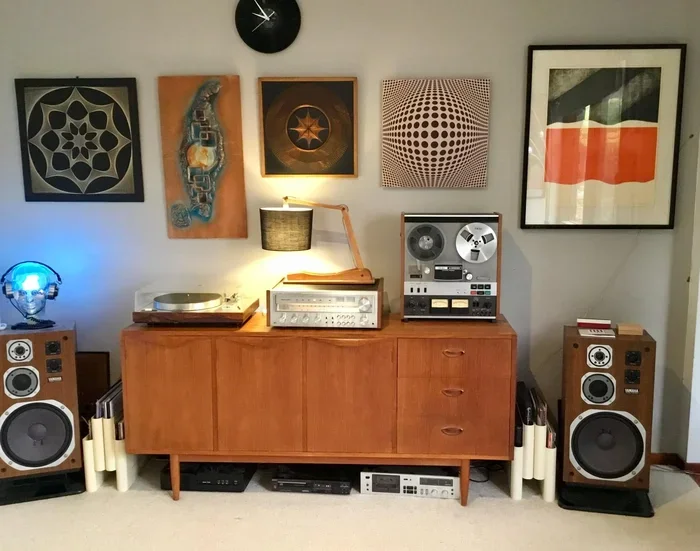
Whether you have a vintage floor-standing pair, a classic desktop speaker set, or a beloved shelf system, this guide covers every method you need. From plug-in Bluetooth receivers to full DIY projects, you will find the right approach for your setup. Making old stereo speakers Bluetooth is easier than you think, and the results are well worth the effort.
Key Takeaways
- A Bluetooth receiver is the easiest and most affordable way to add wireless capability to old stereo speakers.
- You can use a 3.5mm aux cable, USB adapter, or dedicated Bluetooth module depending on your speaker setup.
- Most methods cost between $10 and $50, making it far cheaper than buying new wireless speakers.
- Pairing your phone or laptop is simple and usually takes less than two minutes once the adapter is connected.
- Audio quality loss is minimal with modern Bluetooth 5.0 adapters and proper connection methods.
- You can also use smart assistants like Alexa as a Bluetooth bridge for your old stereo system.
- Avoid common mistakes like cheap adapters with poor range to ensure a smooth wireless experience.
📑 Table of Contents
- Why Make Old Stereo Speakers Bluetooth?
- Understanding How Bluetooth Works with Speakers
- Method 1: Using a Bluetooth Receiver (Easiest Method)
- Method 2: Using a Bluetooth Transmitter and Receiver Pair
- Method 3: Using a Bluetooth Adapter with an Amplifier
- Method 4: DIY Bluetooth Speaker Conversion
- Comparing the Methods
- Common Mistakes to Avoid
- Expert Insights: Getting the Best Sound Quality
Why Make Old Stereo Speakers Bluetooth?
You might wonder why you should bother upgrading an old stereo system. The truth is, there are many compelling reasons to add Bluetooth capability to your existing speakers. Let us explore the biggest benefits.
Save Money and Reduce Waste
Buying a new set of wireless speakers can cost anywhere from $50 to $500 or more. Your old stereo speakers might still sound fantastic. By adding a Bluetooth adapter, you extend their life and avoid sending perfectly good equipment to the landfill. This is a win for your wallet and the environment.
Enjoy Wireless Freedom
Once your speakers are Bluetooth-enabled, you can stream music from any device. Your phone, tablet, laptop, or even your smart TV becomes a music source. You are no longer tethered to a cable or a specific device. You can move around your room, your house, or even your backyard without missing a beat.
Keep the Sound Quality You Love
Old stereo speakers were built with quality components that many modern budget speakers cannot match. By keeping your existing speakers and just adding wireless functionality, you get the best of both worlds. High-quality audio with modern convenience is exactly what you get when you make this upgrade.
Understanding How Bluetooth Works with Speakers
Before you dive into the methods, it helps to understand the basics. Bluetooth is a short-range wireless technology that sends audio data between devices. Your phone or computer acts as the source, and the Bluetooth receiver in your speaker handles the playback. Old stereo speakers do not have built-in Bluetooth chips, which is why you need an external solution.
The Role of a Bluetooth Receiver
A Bluetooth receiver is a small device that plugs into your speaker’s audio input. It receives the wireless signal from your phone and converts it into an audio signal the speaker can play. Think of it as a translator between your wireless device and your wired speaker. These receivers are small, affordable, and incredibly effective.
Bluetooth Versions and What They Mean
Not all Bluetooth is the same. Here is a quick look at what you should know:
- Bluetooth 4.0 — Older but still works well for basic audio streaming. Range is typically around 30 feet.
- Bluetooth 5.0 — The current standard for most adapters. Offers better range, stronger connection, and less audio lag.
- Bluetooth 5.3 — The newest version available in some premium adapters. Delivers the best sound quality and stability.
For most people, a Bluetooth 5.0 receiver strikes the perfect balance between price and performance. You do not need the latest version unless you want the absolute best connection quality.
Method 1: Using a Bluetooth Receiver (Easiest Method)
The simplest and most popular way to add Bluetooth to old stereo speakers is by using a standalone Bluetooth receiver. These small devices plug directly into your speaker’s input jack and create a wireless bridge between your source device and your speakers.
What You Need
- A Bluetooth receiver (models from brands like 1Mii, TaoTronics, or Avantree work great)
- A 3.5mm auxiliary cable (usually included with the receiver)
- Your old stereo speakers with an available input jack
- A power source for the receiver (USB or battery)
Step-by-Step Setup
- Plug the Bluetooth receiver into your speaker’s aux input or RCA input using the provided cable.
- Power on the receiver using the USB cable or batteries.
- Put the receiver in pairing mode by pressing and holding the power button until the LED light flashes.
- On your phone or device, go to Bluetooth settings and search for available devices.
- Select the receiver from the list to complete pairing.
- Play music on your device and enjoy wireless audio through your old speakers.
This method works with virtually any speaker that has a standard audio input. It is plug-and-play, which means no software installation or technical expertise is required. If your speakers have RCA inputs instead of a 3.5mm jack, most receivers come with RCA cables as well.
Quick Tips for Best Results
- Keep the receiver within 30 feet of your source device for a stable connection.
- Place the receiver in a clear, open area away from walls that might block the signal.
- If you experience static, try moving the receiver closer to your phone or reducing interference from other wireless devices.
Method 2: Using a Bluetooth Transmitter and Receiver Pair
Sometimes you need a two-part solution. A Bluetooth transmitter and receiver combo gives you more flexibility, especially if your speaker setup is more complex. This method works well when you want to connect multiple speakers or when your speaker system does not have a direct aux input.
How This Method Works
The transmitter connects to your audio source (like a TV or computer), and the receiver connects to your speaker. The transmitter sends the audio signal wirelessly to the receiver, which then plays it through your speakers. This setup is very similar to how you can use Alexa as a Bluetooth speaker for your TV, where a bridge device connects the source to the speaker wirelessly.
When to Choose This Method
- Your speaker only has speaker wire inputs and no aux or RCA jacks.
- You want to connect multiple speakers to a single Bluetooth source.
- You are connecting a device like a TV that does not have built-in Bluetooth.
- You want to stream audio over longer distances with better stability.
This method takes a bit more setup than a single receiver, but it opens up more possibilities. You can even use it to connect your old stereo to a smart home system and control playback with voice commands.
Method 3: Using a Bluetooth Adapter with an Amplifier
If your old stereo system includes a separate amplifier or receiver, you have even more options. Many amplifiers have inputs that can accept a Bluetooth adapter directly. This is a great approach because the amplifier handles all the power and sound processing, giving you the best possible audio quality.
Connecting a Bluetooth Adapter to an Amplifier
Start by connecting the Bluetooth adapter to one of the amplifier’s input channels. Use an aux cable or RCA cable depending on the available inputs. Once paired with your phone, the amplifier will process the wireless signal just like it would with a wired connection. The result is rich, powerful sound that fills your room.
This approach is especially popular for people with vintage hi-fi systems. You get to keep the classic amplifier and speaker combination while gaining the convenience of wireless streaming. It is one of the best ways to modernize a retro audio setup without compromising on sound quality.
Method 4: DIY Bluetooth Speaker Conversion
For the hands-on reader, a DIY approach can be very rewarding. You can buy a Bluetooth amplifier board and integrate it directly into your speaker system. This method is more advanced but gives you complete control over the setup.
What You Need for a DIY Project
- A small Bluetooth amplifier board (available online for $15 to $30)
- Basic soldering tools and wire
- Your old speaker with accessible internal connections
- Basic knowledge of speaker wiring and polarity
Steps to Build Your Own Bluetooth Speaker
- Open your speaker enclosure and locate the existing input connections.
- Disconnect the input wires from the original input jack.
- Solder the Bluetooth amplifier board to the input connections, matching positive and negative wires correctly.
- Mount the Bluetooth board inside the speaker enclosure, ensuring it has access to power.
- Close the enclosure and test the Bluetooth connection.
This method is ideal for someone who enjoys tinkering and wants a permanent, clean solution. It eliminates the need for external adapters and keeps your setup looking streamlined. Just be careful with soldering and always double-check your wiring before powering on.
Comparing the Methods
Not sure which method is right for you? Here is a quick comparison to help you decide:
| Method | Difficulty | Cost | Best For |
|---|---|---|---|
| Bluetooth Receiver | Easy | $10-$30 | Quick plug-and-play setup |
| Transmitter + Receiver Pair | Medium | $20-$50 | Complex setups and multiple speakers |
| Bluetooth Adapter with Amp | Easy | $15-$40 | Systems with separate amplifiers |
| DIY Conversion | Hard | $15-$35 | Tinkerers who want a permanent solution |
For most people, Method 1 — the Bluetooth receiver — is the best starting point. It is simple, affordable, and works immediately. You can always explore the other methods later if you want a more integrated solution.
Common Mistakes to Avoid
Even though adding Bluetooth to old speakers is straightforward, there are a few mistakes that can cause frustration. Here is what to watch out for:
- Buying a cheap, low-quality Bluetooth adapter. These often have poor range, connection drops, and noticeable audio lag. Spend a little more for a reliable brand.
- Ignoring audio input compatibility. Make sure the adapter matches your speaker’s input type — aux, RCA, or speaker wire. Using the wrong connection can damage your equipment.
- Placing the receiver too far from the source device. Bluetooth has a limited range, and walls and furniture can weaken the signal. Keep devices within reasonable distance.
- Forgetting to update firmware. Some Bluetooth receivers have firmware updates that improve performance. Check the manufacturer’s website after setup.
- Not charging the battery. If your receiver runs on batteries, keep them charged. A dead battery means no wireless audio until you replace or recharge them.
Avoiding these pitfalls will save you time and ensure a smooth, enjoyable experience every time you stream music.
Expert Insights: Getting the Best Sound Quality
One concern people often have is whether Bluetooth affects sound quality. The short answer is: it depends on your setup. Modern Bluetooth technology, especially version 5.0 and above, supports high-quality audio codecs like aptX and LDAC. These codecs deliver near-lossless sound over a wireless connection.
To get the best audio from your upgraded speakers, follow these tips:
- Choose a Bluetooth receiver that supports aptX or aptX HD codecs for superior sound quality.
- Keep your source device close to the receiver to maintain a strong, stable signal.
- Use high-quality cables for the physical connections between the adapter and your speakers.
- Avoid placing the receiver near Wi-Fi routers or microwave ovens, which can cause interference.
- If sound quality is your top priority, consider a wired connection for critical listening and use Bluetooth for casual streaming.
The difference between a good Bluetooth receiver and a great one can be significant. Spending $25 on a quality adapter instead of $10 on a cheap one can make a real difference in what you hear. Your old stereo speakers deserve the best signal possible.
Once you have your old stereo speakers streaming wirelessly, you will wonder how you ever lived without it. The convenience is unbeatable. You can play music from any room, answer calls through your speakers, and even use your stereo as a Bluetooth speaker for your TV or computer. The possibilities expand dramatically once you add wireless capability.
If you are interested in exploring more ways to enhance your audio setup, check out how you can play radio using Bluetooth to discover even more streaming options. You can also learn about connecting speakers to other devices like laptops for a complete wireless audio experience throughout your home.
The beauty of this upgrade is that it works with almost any speaker system. Whether you are looking to breathe new life into a vintage pair or simply want the convenience of wireless streaming, making old stereo speakers Bluetooth is one of the best investments you can make. Your ears — and your wallet — will thank you.
So go ahead, pick your method, and start streaming. Your old stereo speakers have plenty of life left in them, and now they can keep up with the way you listen to music today.
Frequently Asked Questions
Can any old stereo speaker be made Bluetooth?
Most old stereo speakers can be made Bluetooth as long as they have an available audio input, such as a 3.5mm aux jack, RCA input, or speaker wire terminals. If your speakers have no input at all, you may need a more advanced setup like a Bluetooth amplifier board. The vast majority of speakers from the last 40 years have at least one usable input.
Does adding Bluetooth reduce sound quality?
Modern Bluetooth adapters, especially those supporting aptX or aptX HD codecs, deliver excellent sound quality with minimal loss. You may notice a slight difference compared to a pure wired connection, but for everyday listening, the quality is more than acceptable. Choosing a reputable adapter makes a big difference in preserving audio fidelity.
How much does it cost to make old speakers Bluetooth?
A basic Bluetooth receiver costs between $10 and $30. More advanced models with better codecs and longer range run $30 to $50. DIY Bluetooth amplifier boards cost $15 to $35. Overall, this upgrade is far cheaper than buying a new set of wireless speakers, which can easily cost $100 or more.
Can I connect multiple old speakers to one Bluetooth adapter?
Yes, but it depends on your setup. If your speakers connect to a single amplifier, you can pair the Bluetooth adapter with the amplifier and play through both speakers simultaneously. For standalone speakers, you would need either a transmitter-receiver pair or a separate adapter for each speaker.
What is the best Bluetooth adapter for old stereo speakers?
Popular and reliable options include the 1Mii B06 Bluetooth 5.0 receiver, the TaoTronics TT-BA07, and the Avantree Leaf Classic. These models offer good range, solid sound quality, and easy pairing. Look for models that support aptX or aptX HD for the best audio performance.
Can I use Bluetooth speakers with other devices like a TV or gaming console?
Yes, once your old stereo speakers are Bluetooth-enabled, they can connect to any device with Bluetooth output, including TVs, gaming consoles, and computers. Some setups may require a Bluetooth transmitter if the source device does not have built-in Bluetooth. This makes your upgraded speakers versatile across your entire entertainment setup.
=== CONCLUSION ===
Making old stereo speakers Bluetooth is one of the smartest upgrades you can do for your home audio setup. It is affordable, easy, and preserves the quality you already love about your vintage speakers. Whether you choose a simple Bluetooth receiver, a transmitter-receiver pair, or a full DIY project, the result is the same — wireless freedom with great sound.
Start with the method that fits your budget and skill level. A basic Bluetooth receiver is the perfect entry point for most people. Once you experience the convenience of streaming wirelessly to your favorite old speakers, you will never go back to cables. Give your stereo speakers a new lease on life and enjoy your music the way it was meant to be heard — freely and wirelessly.