Can You Do Aux To Hdmi And Get Crystal Clear Sound Today
Yes, you can do aux to HDMI with the right converter or adapter. This simple guide shows you exactly how to connect your older aux devices to modern HDMI displays and get crystal clear sound. We break down every option, from budget adapters to premium converter boxes, so you can choose the best solution for your setup.
Have you ever stared at your TV, game console, or sound system and wondered if you could just plug in that old aux cable and get great sound? Maybe you have a vintage music player, an older laptop, or a gaming setup that only has a 3.5mm aux output. And your fancy new TV or monitor only has HDMI ports. It is a frustrating situation. But here is the good news. Aux to HDMI conversion is absolutely possible, and it is easier than you think.
In this guide, we will walk you through everything you need to know about connecting aux devices to HDMI displays. You will learn how the conversion works, which products to buy, and how to get the best sound quality every time. Whether you are a tech beginner or someone who just wants a simple fix, this article has you covered.
The short answer to “can you do aux to HDMI” is yes. But the details matter. There are different types of converters, different connection methods, and different sound quality outcomes. We will break all of that down so you can make the right choice for your setup. Let us dive in.
Key Takeaways
- Aux to HDMI is possible: You need an analog-to-digital converter or an HDMI adapter with an aux input to make the connection work.
- Sound quality improves significantly: Converting aux audio to HDMI gives you digital sound that is much cleaner than standard aux cables.
- Multiple options exist: From simple adapters to full converter boxes, there is a solution for every budget and setup.
- Compatibility matters: Check your devices for aux output and HDMI input before buying any adapter or converter.
- Setup is easy: Most aux to HDMI solutions plug and play with no technical skills required.
- Consider alternatives: If you are exploring other ways to connect devices, look into alternatives to Dish Network and DirectTV for modern streaming and audio solutions.
📑 Table of Contents
- What Is Aux to HDMI and Why Does It Matter?
- How Aux to HDMI Conversion Works
- Types of Aux to HDMI Adapters and Converters
- Step-by-Step Guide to Set Up Aux to HDMI
- Common Problems and How to Fix Them
- Benefits of Using Aux to HDMI Converters
- Top Tips for Getting Crystal Clear Sound
- Quick Tips Section
- Expert Insights on Aux to HDMI Connections
- Frequently Asked Questions About Aux to HDMI
- Conclusion
What Is Aux to HDMI and Why Does It Matter?
Before we get into the how, let us talk about the what. Aux to HDMI refers to the process of converting an analog audio signal from a 3.5mm aux jack into a digital HDMI signal that your TV or monitor can display and play. This might sound technical, but the concept is simple. Your older devices use analog audio. Modern TVs and displays use digital HDMI. A converter bridges that gap.
Think of it like a translator between two people who speak different languages. The aux cable speaks analog. HDMI speaks digital. The converter makes sure both sides understand each other perfectly.
Why does this matter? More and more devices are dropping the aux port. Phones, laptops, and tablets are moving to USB-C or wireless connections. But many of us still have perfectly good aux devices. Game consoles, MP3 players, older computers, and stereo systems all use aux outputs. Being able to connect them to a modern HDMI display means you do not have to throw away your favorite gadgets.
The Difference Between Analog and Digital Audio
Analog audio is the raw electrical signal that comes from your device’s aux port. It carries sound wave information directly. Digital audio, on the other hand, converts that sound into binary code. HDMI transmits digital audio. This is a huge reason why converting aux to HDMI can improve your sound quality. Digital signals do not suffer from the same interference and loss that analog signals do over distance.
How Aux to HDMI Conversion Works
Now let us get into the technical side, but keep it simple. When you plug an aux cable into your device, it sends an analog audio signal through the copper wires inside the cable. That signal travels to your destination. But HDMI cannot read analog signals directly. So you need a device that can take that analog signal, convert it to digital, and then package it into an HDMI output.
This conversion happens inside a small box called an audio converter or an HDMI adapter with aux input. The converter has an aux input port on one side and an HDMI output port on the other side. You plug your aux cable into the converter. Then you plug an HDMI cable from the converter into your TV or monitor. That is it.
Some converters also handle video. If your source device has a video output, certain converter boxes can take both audio and video and send them through a single HDMI cable to your display. This is incredibly useful for older gaming consoles or media players that only have composite or component video outputs.
What Happens Inside the Converter Box?
Inside the converter, there is a tiny chip called a digital-to-analog converter (DAC) or an analog-to-digital converter (ADC) depending on the direction of the signal. For aux to HDMI, the ADC chip takes the analog audio waves and translates them into digital data. The HDMI chip then packages that data into an HDMI signal format. All of this happens in milliseconds. You will not notice any delay or lag.
The quality of the converter chip matters a lot. Cheap converters might introduce static or low-quality audio. Premium converters use better chips and produce crystal clear sound with minimal noise or distortion. This is why we always recommend choosing a reputable brand.
Types of Aux to HDMI Adapters and Converters
Not all aux to HDMI solutions are the same. There are several types available on the market, and each one serves a different purpose. Let us break them down so you can find the right one for your needs.
Simple Aux to HDMI Adapters
These are the most basic option. A small adapter plugs directly into your TV’s HDMI port. The adapter has a 3.5mm aux input jack built in. You plug your aux cable into the adapter and that is your connection. These adapters are super affordable, often under $15. They work great for simple setups where you just need to get audio from one device to your TV.
Best for: Quick and easy connections, budget setups, and users who do not need extra features.
External Audio Converter Boxes
These are standalone boxes that sit between your aux device and your HDMI display. They usually have multiple input options, including aux, RCA, and optical audio. They also have HDMI output ports. Some even support multiple audio output formats like stereo or surround sound. These converter boxes cost more, typically between $20 and $60, but they offer much better sound quality and more flexibility.
Best for: Home theater setups, audiophiles, and users who want premium sound quality.
HDMI Audio Extractors
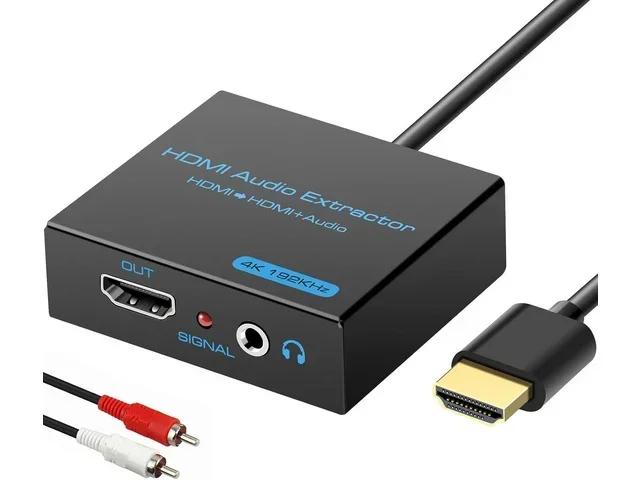
An HDMI audio extractor does the opposite of what we are talking about here. It takes an HDMI signal and splits it into audio and video outputs. But some models also have aux outputs. This is useful if you want to send HDMI audio to an aux speaker or soundbar. While not technically aux to HDMI, these devices are related and worth knowing about.
Best for: Users who want to connect HDMI sources to older audio systems that only have aux input.
USB Audio Adapters with HDMI Output
Some newer devices use USB connections. If you have a USB device that outputs audio, you can use a USB audio adapter that also has HDMI output. These are less common but very useful for certain setups. They often include built-in DACs for excellent sound quality.
Best for: Laptop or PC setups where you want to connect USB audio devices to HDMI displays.
Step-by-Step Guide to Set Up Aux to HDMI
Setting up an aux to HDMI connection is straightforward. Follow these steps and you will be listening to clear audio in minutes.
Step 1: Check Your Device Ports
Look at your source device. Does it have a 3.5mm aux output? Check your TV or monitor. Does it have an HDMI input? Make sure you have the right ports on both sides. If your source device does not have an aux port, you may need a different type of adapter. For example, if your device has USB-C, you might need a USB-C to HDMI adapter instead.
Step 2: Choose Your Converter
Based on your needs, pick the right type of converter. For a basic setup, a simple aux to HDMI adapter works fine. For better sound quality, go with an external converter box. Read reviews and check compatibility before buying. Make sure the converter supports the audio format you need, whether that is stereo or surround sound.
Step 3: Connect the Cables
Plug your aux cable into the converter’s aux input. Then connect an HDMI cable from the converter to your TV or monitor. Make sure both connections are secure. Loose cables are the number one cause of no sound or poor sound quality.
Step 4: Change the Input Source
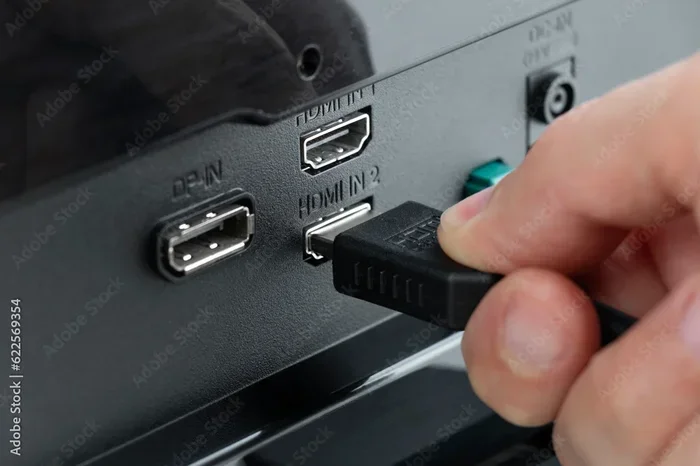
On your TV, switch to the correct HDMI input channel. Most TVs have multiple HDMI ports labeled HDMI 1, HDMI 2, and so on. Use your remote to select the port where you connected the converter. You should see a picture and hear sound if everything is set up correctly.
Step 5: Adjust Audio Settings
Go into your TV or display settings and make sure the audio output is set to HDMI. Some TVs default to internal speakers or optical audio. Changing this setting ensures the sound comes through the HDMI connection from your converter. You may also want to adjust the volume on both your source device and your TV for the best balance.
Common Problems and How to Fix Them
Even with the right setup, you might run into some issues. Here are the most common problems and their solutions.
No Sound at All
This is the most common issue. First, check that all cables are firmly plugged in. A loose connection will prevent any signal from passing through. Next, make sure your TV is set to the correct HDMI input. Finally, check your TV audio settings and ensure the output is set to HDMI instead of internal speakers or Bluetooth.
Poor Sound Quality or Static Noise
If your sound is crackling or has static, the converter quality might be the problem. Cheap adapters often use low-grade DAC chips that produce noise. Try using a higher quality converter. Also, check your aux cable. A damaged or worn-out aux cable can introduce static. Replace the cable if it looks frayed or bent.
No Picture but Sound Works
Some aux to HDMI adapters only handle audio and not video. If you are trying to send both audio and video through a simple adapter, it may not support video. In this case, you need a full converter box that handles both audio and video signals. Check the product specifications before purchasing to make sure it supports your needs.
Audio and Video Are Out of Sync
This happens sometimes with cheaper converters. The audio processing takes slightly longer than the video processing, causing a lip-sync delay. Look for converters with low-latency processing or ones that specifically mention audio-video sync. Updating your TV firmware can also help resolve timing issues.
Benefits of Using Aux to HDMI Converters
There are many reasons to use an aux to HDMI converter in your home or office setup. Let us look at the biggest benefits.
- Improved sound quality: Digital HDMI audio is cleaner and more detailed than analog aux audio. You will hear better highs, deeper bass, and less background noise.
- Device compatibility: Connect older devices to modern TVs and displays without any hassle. Your old MP3 player or stereo system can work with your new setup.
- Simple setup: Most converters are plug and play. No software installation or technical knowledge needed.
- Cost effective: Instead of buying new devices that have HDMI output, you can use your existing aux devices with a simple and affordable adapter.
- Versatility: Use the converter for TVs, monitors, projectors, soundbars, and even car audio systems with HDMI input.
When Should You Consider Alternatives?
While aux to HDMI converters are great, they are not the only way to connect devices. If you are exploring other options for getting audio and video to your TV, you might consider wireless streaming devices, smart TV apps, or even modern streaming setups. For instance, if you are looking for ways to cut the cord and access content differently, you can explore alternatives to Dish Network and DirectTV that offer streaming solutions with better audio and video integration. These alternatives can give you more flexibility and often better sound quality than traditional cable setups.
Top Tips for Getting Crystal Clear Sound
You have your aux to HDMI setup running. Now let us make sure you are getting the absolute best sound quality possible. Here are our top tips.
- Use a high quality aux cable. A gold-plated aux cable reduces signal loss and prevents corrosion. This small upgrade can make a big difference in sound clarity.
- Choose a converter with a built-in DAC. A dedicated digital-to-analog converter chip produces much better sound than a basic adapter without one.
- Keep cables short and organized. Longer cables pick up more interference. Keep your aux and HDMI cables as short as possible for the cleanest signal.
- Avoid cheap no-name adapters. They might save you a few dollars, but the sound quality will suffer. Stick with reputable brands that have good reviews.
- Update your TV firmware. Sometimes TV manufacturers release updates that improve HDMI audio processing. Check for updates in your TV settings.
- Use an HDMI cable that supports audio return channel (ARC). ARC allows audio to travel both directions through the HDMI cable. This can simplify your setup and improve sound quality.
Quick Tips Section
Here are some quick, actionable tips you can use right away:
- Always test your setup with a familiar song or audio clip to check sound quality before committing to a long listening session.
- Keep your converter in a well-ventilated area. Some converter boxes can get warm during extended use.
- Label your cables so you always know which input and output goes where.
- If you have multiple devices, consider getting a converter with multiple aux inputs so you can switch between them easily.
- Clean your aux ports regularly. Dust and lint can build up and cause poor connections.
Expert Insights on Aux to HDMI Connections
Audio engineers and tech experts agree that aux to HDMI conversion is one of the most useful and underrated connections in home audio. The analog-to-digital conversion process, when done right, produces sound that is noticeably cleaner and more detailed than a standard aux connection to a speaker or headphone output.
Many experts recommend looking for converters that support at least 48kHz sample rate and 16-bit audio depth. These specifications ensure that the digital audio output matches CD-quality sound. For audiophiles who want even better quality, look for converters that support 96kHz or higher sample rates.
Another expert tip is to avoid daisy-chaining adapters. Using multiple adapters in a row can degrade the signal and introduce noise. If you need to make multiple conversions, use a single converter that handles all the necessary inputs and outputs.
Tech reviewers also suggest checking the power requirements of your converter. Some adapters draw power from the HDMI connection itself, while others need a USB cable or wall adapter for power. Powered converters tend to perform better because they have a stable power source for the internal processing chips.
What to Look for When Buying
When shopping for an aux to HDMI converter, keep these factors in mind:
- Compatibility: Make sure it works with your specific devices.
- Audio format support: Check if it supports stereo, 5.1 surround, or even 7.1 surround.
- Build quality: Look for metal housings and gold-plated connectors for durability and better signal transfer.
- Reviews and ratings: Real user feedback is the best indicator of performance and reliability.
- Price: You do not need to spend a fortune, but avoid the cheapest options. A $15 to $30 converter is the sweet spot for most users.
Frequently Asked Questions About Aux to HDMI
Can you do aux to HDMI without a converter?
No, you cannot directly connect an aux output to an HDMI input without a converter. The aux port sends an analog signal, while HDMI requires a digital signal. You need a converter or adapter that includes a digital-to-analog or analog-to-digital conversion chip to bridge the two. Without this conversion, the HDMI display will not recognize the audio signal from an aux cable.
Does aux to HDMI improve sound quality?
Yes, in most cases. Aux to HDMI conversion turns analog audio into digital audio, which is less prone to interference and signal loss. The result is cleaner, clearer sound with better detail and less background noise. However, the improvement depends on the quality of the converter. A cheap adapter may not produce noticeable improvement, while a premium converter can make a significant difference.
Can I use aux to HDMI for gaming?
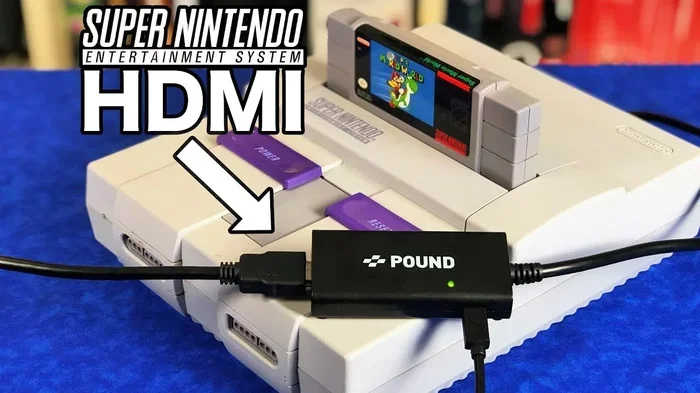
Absolutely. Many gamers use aux to HDMI converters to connect older gaming consoles or handheld devices to modern TVs. The converter sends both audio and video through the HDMI cable to your display. This is especially useful for retro gaming setups or older consoles that do not have HDMI output built in. Make sure your converter supports video passthrough if you need both audio and video.
Is aux to HDMI the same as RCA to HDMI?
Not exactly. RCA cables use red and white connectors for audio (and sometimes yellow for video). Aux cables use a single 3.5mm jack. Both carry analog audio signals, but the connectors are different. Many converters support both RCA and aux inputs, so you can use either type of cable with the same converter box. Check the product specifications to confirm which inputs are supported.
Do I need special HDMI cables for aux to HDMI setups?
No, you do not need any special HDMI cables. A standard High-Speed HDMI cable works perfectly for aux to HDMI setups. As long as the HDMI cable is in good condition and supports the resolution you need, it will handle the audio signal from your converter just fine. You do not need to pay extra for premium HDMI cables for basic audio use.
Can I connect aux to HDMI on a soundbar or home theater system?
Yes, many soundbars and home theater systems have HDMI inputs. You can use an aux to HDMI converter to connect your aux devices to these systems. This gives you better sound quality than connecting directly to the soundbar’s aux input because the digital signal processing in the soundbar will work with the HDMI input. Just make sure your soundbar has an HDMI input port and not just an aux input.
Conclusion
Aux to HDMI conversion opens up a world of possibilities for connecting your favorite older devices to modern displays. Whether you want to hook up a vintage music player to your TV, connect an older gaming console, or simply get better sound quality from your aux-equipped devices, the right converter makes it all possible.
The process is simple, the options are varied, and the results are impressive. With the right aux to HDMI adapter or converter, you can enjoy crystal clear digital sound from devices that were never designed to connect to HDMI. You do not need to be a tech expert. You just need the right tool and a little patience.
Take a look at your current setup. Do you have an aux device that could benefit from HDMI connection? If so, pick up a quality converter today and experience the difference for yourself. Your ears will thank you. And remember, if you are also exploring other ways to get the most out of your home entertainment setup, there are plenty of modern options available that can complement your new aux to HDMI connection.