Can A 3d Printer Print Anything And What It Can Make
Yes, a 3d printer can create a wide range of objects, but it has limits. Modern 3d printing technology lets you produce everything from functional tools to artistic sculptures at home. This guide breaks down what 3d printers can and cannot make, the materials they use, and real-world projects you can try today.
Have you ever wondered if a 3d printer can really print anything? The short answer is yes, but with some important caveats. 3d printing has exploded in popularity over the last decade, and the machines people can buy today are more capable than ever before. From replacement parts for broken household items to custom jewelry and even food, the range of 3d printed objects keeps growing every year.
But here is the thing many beginners do not expect. A 3d printer cannot magically create any object you imagine. There are real limitations based on technology, materials, size, and design. Understanding what these printers can and cannot do saves time, money, and frustration. This guide walks you through everything you need to know about 3d printer capabilities in plain, simple language.
Whether you are curious about buying your first machine or just want to understand what all the hype is about, you are in the right place. Let us dive into the world of additive manufacturing and explore what a 3d printer can truly make.
Key Takeaways
- 3d printers can make thousands of items: from household tools and phone cases to detailed figurines and functional parts.
- Different printing technologies exist: FDM and resin printing each offer unique strengths for different types of projects.
- Material choice matters a lot: PLA, ABS, PETG, and resin all produce different results in strength, flexibility, and finish.
- 3d printers have real limitations: they cannot print certain metals, living tissue, or perfectly smooth large objects without post-processing.
- Digital design is the starting point: you need a 3d model file to begin any print, and free designs are widely available online.
- Beginners can start affordably: entry-level printers under $300 can produce impressive results with a little practice.
📑 Table of Contents
- What Can A 3d Printer Actually Print?
- How 3d Printing Works
- Materials You Can Use With A 3d Printer
- Amazing Things People Have 3d Printed
- What Can’t A 3d Printer Print?
- Tips For Getting Started With 3d Printing
- Common Mistakes Beginners Make
- Expert Insights on 3d Printing Capabilities
- Final Thoughts on What A 3d Printer Can Make
What Can A 3d Printer Actually Print?
The question can a 3d printer print anything comes up a lot, and the honest answer depends on how you define “anything.” A 3d printer works by building objects layer by layer, which opens up a huge range of possibilities. Let us look at the main categories of things these machines can produce.
Everyday Household Items
One of the most popular uses for home 3d printing is making practical household items. People print things like phone holders, cable organizers, drawer dividers, and custom storage bins. These 3d printed items solve everyday problems and cost just a few cents in filament.
You can also print replacement parts for things around the house. Broken button caps, worn-out drawer pulls, and cracked appliance handles can all be replaced with a quick print. This is one of the most practical 3d printing applications for regular households.
Toys and Games
Kids love 3d printed toys, and parents love that they can create custom pieces at home. Board game pieces, custom action figures, puzzles, and building blocks are all popular 3d printing projects. You can design a toy that matches your child’s exact interests, which store-bought options rarely offer.
Many families also print educational tools. Letters and numbers for learning, maps for geography lessons, and simple machines for science projects all come to life through 3d printing technology. The educational value of having a 3d printer at home is hard to overstate.
Tools and Functional Parts
3d printers can produce genuinely useful tools. Caliper handles, custom wrench tips, phone mounts for bikes, and organizer trays for workshops are just a few examples. Some people even print functional gears, hinges, and mechanical assemblies that actually work.
The key here is choosing the right print material. For tools and functional parts, materials like ABS and PETG offer much better strength than basic PLA. We will cover materials in detail later in this article.
Art, Decor, and Jewelry
Artists and creators use 3d printing to produce stunning pieces of art. Intricate sculptures, abstract designs, and decorative vases are common outputs. The layer-by-layer process creates unique textures that are hard to achieve with traditional manufacturing methods.
Jewelry makers also embrace 3d printed designs for creating molds and even finished pieces. Delicate rings, pendants, and earrings can be printed in resin or cast metal after printing. The 3d printing process gives artists freedom to design complex shapes that would be nearly impossible to make by hand.
How 3d Printing Works
Understanding how 3d printing works helps you appreciate both its power and its limits. The process is called additive manufacturing because it adds material layer by layer, unlike traditional manufacturing which often removes material from a solid block.
FDM Printing
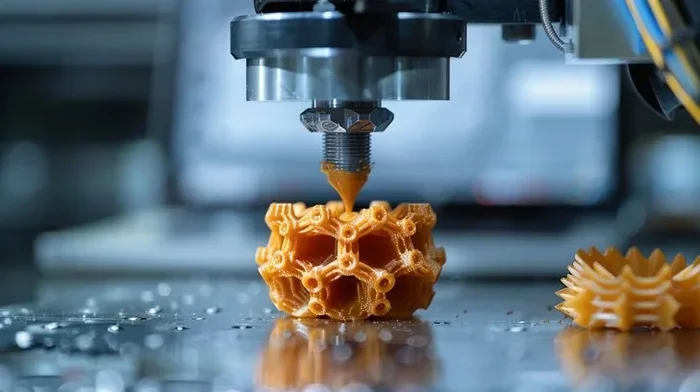
Fused Deposition Modeling, or FDM printing, is the most common type of 3d printing technology found in homes and schools. A spool of filament feeds into a heated nozzle that melts the material and deposits it onto the build platform. The nozzle moves in the X, Y, and Z directions, tracing each layer of the object.
FDM printers are affordable and beginner-friendly. They work with a wide range of print materials including PLA, ABS, PETG, TPU, and more. The trade-off is that FDM prints have visible layer lines, and very fine details can be challenging to achieve.
Resin Printing
Stereolithography, or SLA printing, uses a vat of liquid resin that hardens when exposed to UV light. Resin printing produces much smoother surfaces and finer details than FDM. This makes it ideal for 3d printed models that need a polished look, like miniatures, dental models, and jewelry.
The downside is that resin printers are more expensive, require more post-processing, and the materials can be less durable than FDM filaments. They also involve handling chemicals that need proper ventilation and safety precautions.
Materials You Can Use With A 3d Printer
The print material you choose has a huge impact on what your 3d printer can make. Different materials offer different strengths, flexibility, colors, and finishes. Here is a breakdown of the most common options.
PLA (Polylactic Acid)
PLA is the go-to material for beginners. It is easy to print, smells pleasant while printing, and comes in dozens of colors. PLA filament works well for decorative items, prototypes, and non-load-bearing parts. It is also biodegradable, which makes it an eco-friendly choice among 3d printing materials.
The main weakness of PLA is that it is not very heat-resistant and can be brittle. It is not ideal for functional parts that will bear weight or face stress over time.
ABS (Acrylonitrile Butadiene Styrene)
ABS is stronger and more heat-resistant than PLA. It is the material used to make LEGO bricks, which gives you an idea of its durability. ABS printing requires a heated bed and good ventilation because it emits fumes during printing.
People who want to print functional parts, automotive components, or items that will see regular wear often prefer ABS. It is also easy to sand and paint, making it a favorite for 3d printed projects that need a finished look.
PETG (Polyethylene Terephthalate Glycol)
PETG strikes a nice balance between PLA and ABS. It is stronger than PLA, easier to print than ABS, and more durable than both. PETG filament is a popular choice for functional parts, outdoor items, and anything that needs to hold up to moisture and moderate heat.
It also has good chemical resistance, which makes it suitable for containers and mechanical parts. For most hobbyists looking for a versatile material, PETG is an excellent all-around choice.
Resin and Specialty Materials
Beyond the common filaments, there are also specialty 3d printing materials. Resin comes in standard, tough, flexible, and castable varieties. Some printers can work with wood-filled filament, metal-infused PLA, and even flexible TPU for items like phone cases and wearable bands.
The world of print materials is expanding rapidly. New filaments and resins are hitting the market regularly, each offering unique properties for specific 3d printing applications.
Amazing Things People Have 3d Printed
The creativity in the 3d printing community is truly inspiring. People around the world are pushing the boundaries of what 3d printers can do every single day. Here are some of the most impressive and practical 3d printing projects people have shared.
Functional prosthetics: Low-cost prosthetic hands and fingers have been printed for children and adults around the world. These 3d printed prosthetics are not as advanced as medical-grade devices, but they provide real help to people who cannot afford traditional options.
Custom phone and electronics cases: Instead of buying a generic case, many people design and print cases that fit their devices perfectly. These can include custom textures, built-in card holders, and even stand mechanisms.
Replacement parts for appliances: Broken knobs, cracked clips, and worn gears can all be replaced with a quick print. This extends the life of appliances and saves money on replacement parts.
Miniatures and tabletop gaming pieces: The tabletop gaming community has embraced 3d printing technology wholeheartedly. Custom figurines, terrain pieces, and game accessories can be designed and printed at home.
Kitchen tools and organizers: Cookie cutters, pasta makers, spice rack inserts, and utensil holders are popular kitchen 3d printed items. Food-safe materials are available for anything that will contact food.
Architectural models: Architects and designers use 3d printers to create detailed scale models of buildings and structures. This speeds up the design process and helps clients visualize projects before construction begins.
What Can’t A 3d Printer Print?
Now for the important part. Understanding what a 3d printer cannot do is just as important as knowing what it can. Setting realistic expectations prevents disappointment and helps you use your machine effectively.
Large Solid Metal Objects
Standard home 3d printers cannot print solid metal objects. While some advanced printers use metal-infused filaments or metal powder for industrial applications, a typical desktop 3d printer works with plastic-based materials and resins. You can print a metal-looking object, but it is not solid metal.
Moving Parts Assembled in One Print
A 3d printer cannot produce a fully assembled, moving machine in a single print. You can print individual gears, springs, and housings, but you will need to assemble them yourself. The printer creates separate pieces that you put together after printing.
Perfectly Smooth Large Surfaces
Because 3d printing builds objects layer by layer, large flat surfaces often show visible layer lines. Achieving a perfectly smooth finish requires post-processing like sanding, priming, and painting. The 3d printer limitations in surface finish are a reality every user learns to work with.
Living Tissue and Organs
You may have heard about bioprinting in the news. While researchers are working on printing living cells and tissues, this is still in the experimental stage. A home 3d printer cannot print living organs or biological structures. That technology is decades away from practical use.
Objects Requiring Complex Electronics
A 3d printer can print the housing and mechanical parts for a device, but it cannot print the electronic components. Circuit boards, microchips, batteries, and wiring all need to be purchased separately and assembled after printing.
Tips For Getting Started With 3d Printing
If you are thinking about buying a 3d printer or just starting out, these practical tips will help you succeed faster and enjoy the process more.
Start With a Simple, Affordable Printer
You do not need an expensive machine to get started. Many excellent entry-level 3d printers cost under $300 and can produce great results. Focus on learning the basics of leveling the bed, adjusting temperature settings, and troubleshooting common issues before investing in high-end equipment.
Use Free Design Files
You do not need to be a CAD expert to start printing. Websites like Thingiverse and Printables offer thousands of free 3d models ready to download and print. As you gain confidence, you can start designing your own printable designs using free software like Tinkercad or Fusion 360.
Experiment With Different Materials
Each print material behaves differently. Start with PLA to learn the basics, then try PETG and ABS as you get more comfortable. Keep notes on what settings work best for each material in your specific printer.
Join an Online Community
The 3d printing community is incredibly supportive and knowledgeable. Forums, Reddit groups, and Discord servers are filled with people who share tips, troubleshoot problems, and inspire each other with new 3d printing projects. Joining a community accelerates your learning curve dramatically.
Practice Patience
Your first prints may not be perfect, and that is completely normal. 3d printing has a learning curve. Bed adhesion issues, stringing, warping, and failed prints are all part of the journey. Each failed print teaches you something valuable that makes your next one better.
Common Mistakes Beginners Make
Avoiding common pitfalls helps you have a much better experience with your 3d printer. Here are the mistakes most new users make and how to avoid them.
- Skipping bed leveling: A poorly leveled bed leads to failed prints and wasted filament. Always level your bed before every print session, especially when you are starting out.
- Printing too fast: Speed is not always better. Printing at recommended speeds produces much cleaner results and fewer failed prints.
- Ignoring temperature settings: Every filament has an optimal temperature range. Printing outside that range causes poor adhesion, stringing, and weak layers.
- Not using a slicer properly: The slicer software translates your 3d model into instructions the printer can follow. Taking time to learn slicer settings pays off hugely in print quality.
- Buying the cheapest filament: Bargain filament often has inconsistent diameter and poor quality. Spending a little more on reliable filament brands saves you from endless frustration.
Expert Insights on 3d Printing Capabilities
Industry experts agree that 3d printing technology is evolving faster than most people realize. The 3d printer capabilities of even budget machines today would have been considered science fiction ten years ago.
Dr. Adrian Bowyer, founder of the RepRap project that started the open-source 3d printing revolution, once said that the real power of 3d printers lies in their ability to democratize manufacturing. Anyone with access to a printer can create physical objects without needing a factory or specialized equipment.
Experts also emphasize that the 3d printing process is not just about replacing traditional manufacturing. It enables designs that are simply impossible to make with traditional methods. Complex internal structures, organic shapes, and customized parts tailored to individual users are all strengths of additive manufacturing.
The future points toward multi-material printing, faster print speeds, and expanded material options. Some researchers are working on printers that can combine rigid and flexible materials in a single print, opening up even more 3d printing applications.
Final Thoughts on What A 3d Printer Can Make
So, can a 3d printer print anything? The truth is that a 3d printer can make an astonishing variety of objects, far beyond what most people initially imagine. From practical household tools to artistic masterpieces, functional mechanical parts to personalized gifts, the possibilities are genuinely impressive.
But it is equally important to understand that 3d printers have real limitations. They work within the constraints of their technology, materials, and build volume. Knowing these boundaries helps you use your printer more effectively and set realistic expectations.
The best way to understand what 3d printing can do is simply to start. Buy an affordable printer, download a few free designs, and experience the process firsthand. The learning curve is worth every minute, and the satisfaction of holding something you designed and printed with your own hands is truly unique.
3d printing technology is not a passing trend. It is a fundamental shift in how we create physical objects, and it is only getting more accessible and capable with each passing year. Whether you are a hobbyist, a maker, a teacher, or just curious, there has never been a better time to explore the world of 3d printing.
Frequently Asked Questions
Can a 3d printer print a full-sized object in one piece?
It depends on the build volume of your printer. Most desktop 3d printers have a limited build area, so large objects need to be printed in sections and assembled afterward. Some larger printers can produce bigger single pieces, but very large objects are always a challenge.
Is 3d printing expensive?
Entry-level 3d printers are quite affordable now, often under $300. The ongoing cost of filament and resin is relatively low, making 3d printing an affordable hobby for most people. A kilogram of PLA filament typically costs between $20 and $30 and can produce many smaller objects.
How long does it take to 3d print an object?
Print time varies widely based on the size, complexity, and material of the object. A small phone case might take one to two hours, while a large detailed sculpture could take several days. Slower print speeds produce better quality but take longer.
Do I need to know CAD software to 3d print?
Not at all. Thousands of free 3d models are available online that you can download and print immediately. However, learning basic CAD design opens up a whole new world of custom 3d printing projects and allows you to create truly unique objects.
Can a 3d printer print food or medical items?
Specialized 3d printers exist for food printing and medical applications, but standard home printers cannot print food or medical-grade items. Food printers use edible materials like chocolate or dough, while medical printers use certified biocompatible resins for specific healthcare applications.
What is the best material for beginners?
PLA is widely considered the best print material for beginners. It is easy to print, affordable, non-toxic, and comes in many colors. It works well for decorative items, prototypes, and learning the basics of 3d printing technology without the complexity of other materials.
=== CONCLUSION ===
The world of 3d printing is vast, creative, and constantly evolving. Understanding what a 3d printer can and cannot do is the first step toward making the most of this incredible technology. From simple household items to complex functional parts, the range of 3d printed objects continues to expand as printers and materials improve.
Can a 3d printer print anything? In practical terms, it can print a remarkable amount of things that enhance our daily lives. It may not replace traditional manufacturing entirely, but it offers something unique: the ability to create custom, personalized physical objects from the comfort of your home.
Start small, experiment often, and enjoy the journey. The world of 3d printing rewards curiosity and persistence, and the things you can create will surprise and delight you at every turn.