How Can I Get Wifi When Traveling To Japan Made Simple
Getting wifi when traveling to Japan is easier than you think. You can rent a pocket WiFi device, buy a local SIM card, use free WiFi spots, or rely on your home provider’s international plan. This guide covers every option so you can pick the best fit for your Japan trip.
Planning a trip to Japan? One question keeps popping up in your head: how do I stay connected? You want to share those stunning cherry blossom photos. You need Google Maps to navigate Tokyo’s winding streets. You want to translate menus in real time. Staying online in Japan is not a luxury anymore. It is a necessity.
The good news is that getting wifi when traveling to Japan is simpler than most people think. You have more options than ever before. Whether you are a first-time visitor or a seasoned traveler, there is a solution that fits your budget and needs. Let us walk through every option so you can make the smart choice before your flight.
Key Takeaways
- Pocket WiFi rental is the most popular and convenient option for tourists visiting Japan.
- Buying a local SIM card gives you affordable data plans with full-speed connectivity.
- Free WiFi spots are widely available at train stations, cafes, and hotels across Japan.
- eSIM technology lets you activate data plans before you even land in Japan.
- Avoid relying solely on hotel WiFi as it can be unreliable and slow in many areas.
- Prepare your devices before departure to ensure smooth connectivity upon arrival.
- Compare options early to save money and avoid connectivity stress during your trip.
📑 Table of Contents
- Why Staying Connected in Japan Matters
- Option 1: Rent a Pocket WiFi Device
- Option 2: Buy a Local SIM Card
- Option 3: Use Free WiFi Spots
- Option 4: Use Your Home Provider’s International Plan
- Option 5: Use an eSIM for Japan
- Comparing Your Japan WiFi Options
- Quick Tips for Staying Connected in Japan
- Common Mistakes Travelers Make with Japan WiFi
- Expert Insights on Japan Connectivity
- Final Thoughts on Getting Wifi in Japan
Why Staying Connected in Japan Matters
Japan is a modern wonder. But here is the thing: many signs are only in Japanese. Train schedules change last minute. Restaurant menus can be confusing without translation. Having reliable internet access changes your entire experience. You unlock the ability to explore with confidence.
Beyond navigation, staying connected lets you share your journey in real time. You can post updates, call family back home, and access important apps. Japan has excellent internet infrastructure. The challenge is knowing how to tap into it as a visitor. That is exactly what this guide solves for you.
Option 1: Rent a Pocket WiFi Device
What Is a Pocket WiFi Device?
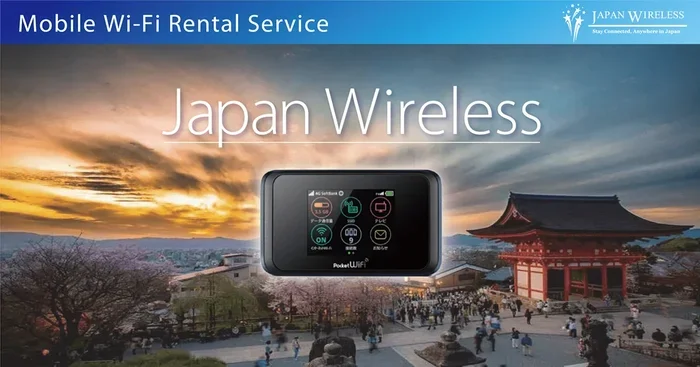
A pocket WiFi device is a small, portable router that creates your own personal wifi hotspot. You carry it in your pocket or bag. It connects to local Japanese networks and broadcasts a signal your phone, tablet, and laptop can all use. It is like having your own personal internet connection wherever you go.
Renting a pocket WiFi device is the most popular choice among tourists visiting Japan. Companies like Ninja WiFi, U-Navi, and Sakura Mobile offer easy pickup and delivery services. You can grab the device at the airport or have it shipped to your home before departure.
Most rental plans include unlimited data or generous daily allowances. Prices typically range from 300 to 800 yen per day. You can also find weekly and monthly packages that offer better value. If you are traveling with a group, some devices support up to 10 connected devices at once.
One thing to keep in mind: portable WiFi devices need to be charged daily. They usually last a full day on a single charge. But if you forget your charger, the battery life might not make it through a long day of sightseeing.
Pros and Cons of Pocket WiFi
- Pros: Unlimited or generous data, connects multiple devices, works everywhere in Japan, no need to change your home SIM.
- Cons: Extra device to carry and charge, rental fees add up, must return the device before flying out.
How to Rent Pocket WiFi for Japan
Booking pocket WiFi is straightforward. You reserve online before your trip. You choose your rental period and delivery method. Most companies let you pick up the device at Narita Airport, Haneda Airport, or major train stations. Some even deliver it to your hotel.
When you receive the device, you power it on and connect your devices to the network. The setup usually takes less than five minutes. You will receive a password and network name. From there, it works just like your home WiFi.
Option 2: Buy a Local SIM Card
Why Choose a Local SIM Card?
A local SIM card gives you a Japanese phone number and data plan directly. You swap out your current SIM and get connected to a Japanese network. This option works well if your phone is unlocked and compatible with Japanese networks.
Japan has several major carriers: NTT Docomo, SoftBank, and KDDI (au). You can buy prepaid SIM cards at airports, electronics stores, and convenience shops. Popular providers for tourists include Ubigi, TravelSim, and Japan Wireless.
Where to Buy a SIM Card in Japan
You have several options for purchasing a SIM card. Airport kiosks are the most convenient. You can buy one right when you land. Electronics stores like Bic Camera and Yodobashi also carry tourist SIM cards. Some drugstores and convenience stores like 7-Eleven sell them too.
For the best deals, consider ordering online before your trip. Companies like Sakura Mobile and Ubigi let you pre-purchase SIM cards. They ship them to your home address. You arrive in Japan with a working SIM already in hand. This saves you time and stress at the airport.
Data plans vary widely. You can find 1 GB plans for around 1,000 to 2,000 yen for 7 days. Unlimited plans cost more but give you peace of mind. Compare different options to find what matches your usage habits.
Option 3: Use Free WiFi Spots
Where to Find Free WiFi in Japan
Japan has an impressive network of free WiFi hotspots. Train stations, airports, and major tourist areas often offer free internet access. Many cafes and restaurants also provide WiFi for customers. You can find free WiFi in places like Shibuya, Shinjuku, and Akihabara.
The Japan Free Wi-Fi app is a handy tool. It maps out all available free WiFi spots across the country. You can search by location and see which networks are nearby. This app works offline too, so you can use it even without an internet connection.
However, free WiFi has limitations. Speeds can be slow during peak hours. Connections may drop frequently. And you often need to register with an email address or phone number to log in. For quick lookups and maps, free WiFi works fine. But for streaming or video calls, it may frustrate you.
Some hotels and ryokans also offer free WiFi to guests. However, the quality varies a lot. Older properties may have weak signals or slow speeds. Always check reviews before booking if reliable internet is important to you.
Can You Get Wifi Without an Internet Provider?
Yes, absolutely. If you are wondering about alternatives to traditional internet setups, getting wifi without an internet provider is possible through several methods. This is especially relevant when traveling. You can use mobile hotspots, free public WiFi, or portable devices to stay connected without signing up for a home internet plan.
Option 4: Use Your Home Provider’s International Plan
How International Roaming Works
Many home carriers offer international roaming plans. You can add a travel package to your existing plan before you leave. This lets you use your phone abroad using your home number. The convenience is undeniable. You do not need to buy a new SIM or carry extra devices.
But here is the catch: international roaming in Japan can be expensive. Daily fees often range from 10 to 15 dollars per day. Over a week-long trip, that adds up fast. Data speeds may also be throttled after a certain usage threshold. You might find yourself stuck with slow connections when you need them most.
Is Roaming Worth It for Short Trips?
For very short trips of one or two days, roaming might make sense. You pay a small fee and stay connected without any setup. But for longer trips, renting a pocket WiFi or buying a local SIM is almost always cheaper. You get better speeds and more data for your money.
Before choosing roaming, check with your carrier. Ask about Japan-specific plans. Some carriers now offer affordable international add-ons. T-Mobile and Google Fi, for example, have plans that include limited data in Japan at no extra charge. Always verify the details before you travel.
Option 5: Use an eSIM for Japan
What Is an eSIM?
An eSIM is a digital SIM card built into your phone. You do not need a physical SIM card at all. You simply download a profile and activate it. This technology is changing how travelers stay connected abroad.
Not all phones support eSIM yet. But most newer iPhones and many Android devices do. Check your phone settings for an eSIM or cellular option. If you see it, you are good to go.
Setting Up an eSIM for Japan
Setting up an eSIM is incredibly simple. You purchase a data plan online before your trip. You receive a QR code or download link. You scan the code or follow the link on your phone. The profile installs in seconds. You activate it when you arrive in Japan.
eSIM providers like Airalo, Ubigi, and Holafly offer Japan-specific plans. You can choose from daily, weekly, or monthly options. Prices are often competitive with local SIM cards. And you do not need to swap any physical cards. Everything happens digitally.
The biggest advantage of an eSIM is convenience. You are connected from the moment you land. No lines at airport kiosks. No hunting for a SIM card shop. You just turn on your phone and go. For tech-savvy travelers, this is the way forward.
Comparing Your Japan WiFi Options
Choosing the right option depends on your travel style. Here is a quick comparison to help you decide.
- Pocket WiFi: Best for groups and families. Connects multiple devices. Requires charging and returning the device.
- Local SIM Card: Best for solo travelers. Affordable data plans. Requires an unlocked phone.
- Free WiFi: Best for budget travelers. Limited speeds and coverage. Good for quick tasks only.
- International Roaming: Best for short trips. Convenient but expensive. Uses your home number.
- eSIM: Best for tech-savvy travelers. Instant setup. Requires a compatible phone.
Each option has its place. Think about how long you are staying, how many devices you need, and your budget. If you are still deciding, consider this: getting portable WiFi is the most reliable choice for most travelers heading to Japan. It gives you freedom and flexibility without breaking the bank.
Quick Tips for Staying Connected in Japan
- Download offline maps before you arrive. Google Maps lets you save areas for offline use. This saves data and keeps you navigable even without a connection.
- Carry a power bank if you use a pocket WiFi device. Charging on the go keeps your hotspot alive throughout the day.
- Learn a few Japanese phrases for when WiFi is unavailable. Not every cafe or shop will have open WiFi. Being able to ask politely goes a long way.
- Check your phone compatibility before buying a SIM card. Japan uses specific frequency bands. Make sure your phone supports them.
- Set up your devices before departure. Activate any eSIM or roaming plan while you still have easy access to instructions and support.
Common Mistakes Travelers Make with Japan WiFi
Many travelers make avoidable mistakes when planning their Japan internet setup. Here are the most common ones and how to dodge them.
Mistake 1: Assuming hotel WiFi is enough. Many hotels offer WiFi, but the signal can be weak or unreliable. You might struggle to connect in your room or common areas. Do not count on hotel WiFi as your only option.
Mistake 2: Forgetting to rent or buy connectivity before arrival. Airport shops do sell SIM cards and pocket WiFi devices. But they often cost more than pre-ordered options. You also waste time standing in lines after a long flight. Plan ahead and save money.
Mistake 3: Not checking phone unlock status. If your phone is locked to a carrier, you cannot use a local SIM card. Contact your carrier before your trip to request an unlock. This simple step opens up all your options.
Mistake 4: Ignoring data roaming settings. When you arrive in Japan, make sure your phone allows data roaming. Without it, your phone will not connect to local networks even with a SIM card or eSIM inserted.
Mistake 5: Overlooking communication needs beyond data. If you need to stay in touch with people back home, consider a service like Talkatone for unlimited texting or similar apps. Staying connected means more than just having data. It means being reachable.
Expert Insights on Japan Connectivity
According to travel experts, the best approach for most visitors is a combination strategy. Rent a pocket WiFi device for your primary connection. Use free WiFi spots for quick checks and saving data. Carry a backup plan like an eSIM in case your primary option fails.
Japan’s internet infrastructure is among the best in the world. Average speeds in major cities exceed 100 Mbps. Even rural areas have decent coverage on 4G networks. You should not worry about being completely offline if you plan ahead.
One expert tip: always carry your pocket WiFi or SIM card in a safe, dedicated spot. Losing your connectivity device in Japan can be a real headache. There are replacement options, but they cost time and money you do not want to waste on vacation.
Another pro tip from frequent Japan travelers: buy a WiFi-compatible adapter if your phone does not support the right bands. Japan primarily uses bands 1, 3, and 19 for 4G. Check your phone specifications to confirm compatibility before your trip.
Final Thoughts on Getting Wifi in Japan
Getting wifi when traveling to Japan does not have to be stressful. You have five solid options at your fingertips. Rent a pocket WiFi for convenience. Buy a local SIM for affordability. Use free WiFi for quick needs. Rely on roaming for short trips. Or go digital with an eSIM for modern simplicity.
The key is planning ahead. Decide which option fits your trip length, group size, and budget. Set everything up before you leave home. That way, you land in Japan ready to connect, explore, and enjoy every moment without a single worry about staying online.
Japan is a country that rewards the prepared traveler. With the right internet setup, you can navigate seamlessly, communicate effortlessly, and capture every memorable moment. Your Japan adventure deserves uninterrupted connectivity. Choose the option that works best for you and get ready for an incredible journey.
Frequently Asked Questions
Do I need a special phone to use wifi in Japan?
No, you do not need a special phone. Most modern smartphones work fine in Japan. Just make sure your phone is unlocked if you plan to use a local SIM card. Check that your phone supports the right frequency bands for Japanese networks.
Is free WiFi reliable enough for navigation in Japan?
Free WiFi works for basic tasks like checking maps and sending messages. However, speeds can be slow and connections may drop. For reliable navigation, a pocket WiFi or local SIM is a much better choice.
How much does it cost to rent a pocket WiFi for Japan?
Pocket WiFi rental costs typically range from 300 to 800 yen per day. Weekly and monthly plans are often cheaper per day. Prices vary by provider and data allowance, so compare options before booking.
Can I use my current phone plan while traveling to Japan?
It depends on your carrier. Some carriers offer international roaming packages that work in Japan. Others charge high daily fees. Check with your provider before your trip to understand the costs and limitations.
What is the best WiFi option for a solo traveler in Japan?
For solo travelers, a local SIM card or eSIM is usually the best choice. They are affordable, easy to set up, and give you a dedicated data connection without carrying extra devices.
Can I connect my phone to the hotel TV using WiFi?
Yes, in many cases you can. If your hotel has a smart TV with WiFi capabilities, you may be able to cast or mirror your phone screen. For tips on connecting your device to a TV, check out how to connect your WiFi directly to your TV for a seamless viewing experience.
=== KEY TAKEAWAYS ===
Key Takeaways
- Pocket WiFi rental is the most popular and convenient option for tourists visiting Japan.
- Buying a local SIM card gives you affordable data plans with full-speed connectivity.
- Free WiFi spots are widely available at train stations, cafes, and hotels across Japan.
- eSIM technology lets you activate data plans before you even land in Japan.
- Avoid relying solely on hotel WiFi as it can be unreliable and slow in many areas.
- Prepare your devices before departure to ensure smooth connectivity upon arrival.
- Compare options early to save money and avoid connectivity stress during your trip.