How Can I Get Free Portable Wi Fi With These Simple Tips
How Can I Get Free Portable Wi Fi is an essential topic that provides valuable insights.
Staying connected is easier than ever. You do not need to pay expensive monthly bills to get online. There are many simple ways to enjoy free portable Wi-Fi right now. Whether you are traveling, working remotely, or just need internet at home, these tips will help you out.
Many people do not know that free internet access is all around them. Libraries, coffee shops, and even some cities offer free wireless networks. You can also turn your phone into a mobile hotspot and share data with other devices. The key is knowing where to look and how to set things up.
This article covers everything you need to know. You will find practical steps, real examples, and expert tips. By the end, you will have a clear plan to get free portable Wi-Fi without any hassle. Let us dive in.
Key Takeaways
- Use your phone as a mobile hotspot: Many carriers offer free hotspot data or low-cost add-ons.
- Find free public Wi-Fi networks: Libraries, cafes, and malls often provide free wireless internet access.
- Try free Wi-Fi apps and programs: Apps like WiFi Map and programs from ISPs can unlock free connections.
- Use a Wi-Fi range extender: Extend free signals from nearby networks to cover more area.
- Check government and community programs: Low-income internet programs offer free or discounted connectivity.
📑 Table of Contents
- What Is Free Portable Wi-Fi and Why Do You Need It?
- Method 1: Turn Your Phone Into a Free Mobile Hotspot
- Method 2: Find Free Public Wi-Fi Networks
- Method 3: Use Free Wi-Fi Apps to Find Connections
- Method 4: Get Free Internet Through Community and Government Programs
- Method 5: Use a Wi-Fi Range Extender to Boost Free Signals
- Method 6: Get Free Internet Without a Phone Line or Provider
- Common Mistakes People Make When Trying to Get Free Wi-Fi
- Expert Tips for Getting the Best Free Wi-Fi Experience
- Comparing Free Portable Wi-Fi Options
- Conclusion
What Is Free Portable Wi-Fi and Why Do You Need It?
Free portable Wi-Fi means getting wireless internet without paying a monthly provider fee. It uses public networks, mobile data sharing, or special apps to connect you to the web. A portable Wi-Fi device can be your smartphone, a hotspot gadget, or even a laptop with built-in wireless capability.
There are many reasons why people need free Wi-Fi on the go. Some travelers want to save money on roaming charges. Students may not have the budget for a home internet plan. Remote workers often need backup connections when their main Wi-Fi signal drops. Whatever your reason is, free options exist and they work well.
How Portable Wi-Fi Works
A portable Wi-Fi device creates a small wireless network around you. It uses cellular data or picks up existing Wi-Fi networks and rebroadcasts them. This is called Wi-Fi tethering. When you share your phone’s data connection with a tablet or laptop, you are using tethering.
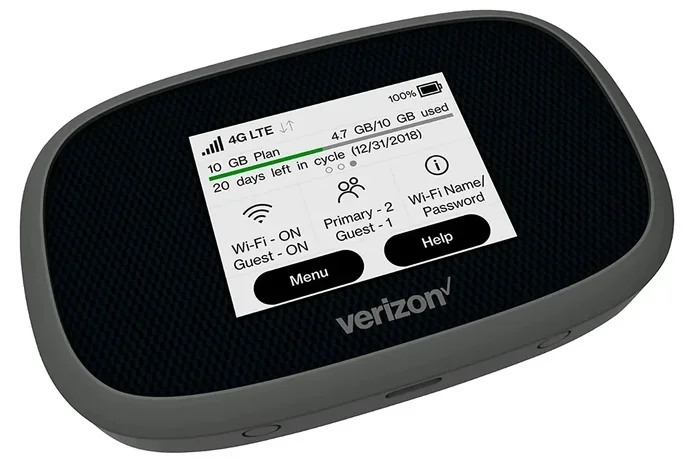
Some devices are built specifically for this purpose. They are small, battery-powered, and easy to carry. You can find them at most electronics stores. But you do not always need to buy one. Your smartphone can do the same job for free.
Benefits of Having Free Portable Wi-Fi
- Save money: No monthly bills or extra data charges.
- Stay connected anywhere: Work from parks, cafes, or hotel rooms.
- Emergency backup: Keep going when your home internet goes down.
- Travel smarter: Avoid expensive roaming fees abroad.
- Multiple devices: Share one connection with your phone, tablet, and laptop.
Method 1: Turn Your Phone Into a Free Mobile Hotspot
Your smartphone is one of the best tools for free portable Wi-Fi. Most modern phones have a built-in hotspot feature. This lets you share your cellular data with other devices. It is simple, fast, and usually costs nothing extra.
How to Set Up a Mobile Hotspot on iPhone
Open the Settings app on your iPhone. Tap Personal Hotspot and toggle it on. Set a password so others cannot use your connection without permission. On other devices, look for your iPhone’s name in the Wi-Fi list and enter the password. That is it.
How to Set Up a Mobile Hotspot on Android
Go to Settings and tap Network and Internet. Find Hotspot and Tethering and tap Wi-Fi Hotspot. Turn it on, set a name and password, and you are ready. Other devices can now connect just like they would with any Wi-Fi network.
Tips for Using Your Phone as a Hotspot
- Check your data plan: Some plans include free hotspot data. Others charge extra. Know your limits before you start.
- Turn off hotspot when not in use: This saves battery and data.
- Use a strong password: Keep your connection secure.
- Place your phone near a window: This improves the Wi-Fi signal for connected devices.
Many carriers now offer free hotspot data with certain plans. For example, some unlimited plans include 15 to 50 GB of hotspot data each month. Check with your provider to see what you already have. You might be paying for something you are not using.
Method 2: Find Free Public Wi-Fi Networks
Public Wi-Fi hotspots are everywhere. You just need to know where to look. Libraries, coffee shops, malls, and airports often provide free wireless internet access. These networks are perfect for quick browsing, emails, and light work.
Best Places to Find Free Public Wi-Fi
- Public libraries: Almost all public libraries offer free internet. You can sit inside and use their Wi-Fi connection for hours.
- Coffee shops and cafes: Starbucks, Dunkin, and local cafes often have free networks. Just order a drink and ask for the password.
- Shopping malls: Many malls provide free guest Wi-Fi in common areas.
- Airports: Most airports have free networks, though they may have time limits.
- Hotels: Many hotels offer free Wi-Fi for guests. Even some budget hotels include it.
- Parks and plazas: Some cities offer free outdoor Wi-Fi in popular public spaces.
How to Stay Safe on Public Networks
Free public networks are convenient, but they come with risks. Hackers can sometimes intercept data on open networks. Here is how to protect yourself.
- Use a VPN: A virtual private network encrypts your data and keeps it safe.
- Avoid banking on public Wi-Fi: Wait until you are on a secure network.
- Turn off auto-connect: Your phone should not join unknown networks without your permission.
- Check the network name: Fake networks can mimic real ones. Ask staff for the correct name.
Method 3: Use Free Wi-Fi Apps to Find Connections
There are apps designed specifically to help you find free Wi-Fi networks nearby. These apps scan for available hotspots and show you a map of free connections. They are a great tool for travelers and anyone on the move.
Top Free Wi-Fi Apps You Should Try
- WiFi Map: Shows millions of free hotspots worldwide. Users share passwords and network details.
- Wiman: Finds free networks and lets you connect with one tap.
- Avast Wi-Fi Finder: Scans for available networks and checks their security.
- Instabridge: Shares free passwords and works offline once you download the data.
How These Apps Work
These apps use crowdsourced data. Users around the world share Wi-Fi hotspot locations and passwords. The app then shows you nearby free networks on a map. You can filter by speed, security, and distance. It is like having a personal guide to free internet everywhere you go.
One great thing about these apps is that they work offline. You can download the hotspot list before your trip and access it without any connection. This is especially helpful when you are traveling internationally and need to find a network fast.
Method 4: Get Free Internet Through Community and Government Programs
Did you know there are programs that offer free internet access to eligible users? The government and various organizations run programs to help people stay connected. These are especially helpful for low-income families and rural communities.
Government Programs for Free Internet
- Affordable Connectivity Program (ACP): This program provides discounts on internet service. Some providers offer free plans through ACP.
- Lifeline Program: Offers discounted phone and internet service to qualifying households.
- Emergency Broadband Benefit: A temporary program that provided free or reduced-cost internet during the pandemic. Similar programs may return in the future.
Community Wi-Fi Initiatives
Many cities and towns have started their own free Wi-Fi networks. These community networks cover parks, downtown areas, and public buildings. Check your city’s website to see if free Wi-Fi is available in your area. Some neighborhoods even have volunteer-run networks that provide free wireless internet to residents.
You can also check with local nonprofits. Organizations like EveryoneOn help people find affordable and free internet options in their area. They work with local providers to connect people who might otherwise go without.
Method 5: Use a Wi-Fi Range Extender to Boost Free Signals
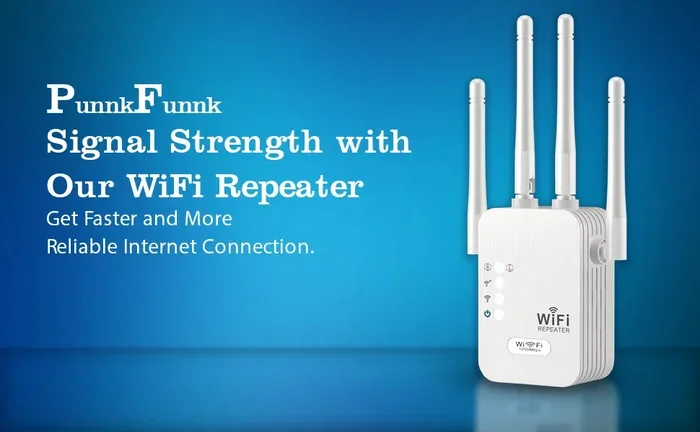
A Wi-Fi range extender can help you get free portable Wi-Fi from farther away. These small devices pick up an existing Wi-Fi signal and boost it to a wider area. They are affordable and easy to set up.
How Range Extenders Work
A range extender plugs into a wall outlet and connects to a nearby Wi-Fi network. It then rebroadcasts that signal with more power and range. This is useful when you want to pick up a free network from a cafe or library that is just outside your reach.
You can also use a range extender to pull in a signal from a neighbor’s network (with permission, of course). This gives you more Wi-Fi coverage in your home or workspace without paying for a new internet plan.
Best Budget Range Extenders
- TP-Link RE220: Affordable and reliable. Great for basic range extension.
- Netgear EX3700: Offers dual-band support and easy setup.
- Amazon eero Range Extender: Works well with eero mesh systems.
Keep in mind that a range extender works best when placed halfway between your router and the area with weak signal. It does not create a new network. It simply amplifies the existing one. This makes it a great tool for getting more out of free Wi-Fi connections.
Method 6: Get Free Internet Without a Phone Line or Provider
You do not need a traditional internet provider to get online. There are several ways to access free internet without a phone line or monthly contract. These options are perfect for people who want simple, no-commitment connectivity.
Free Internet Through Your Phone’s Data
As mentioned earlier, your phone can be a portable Wi-Fi device. If you have any cellular data at all, you can share it with other devices. Even a small data plan can give you enough internet for emails, browsing, and light streaming.
Community Networks and Mesh Systems
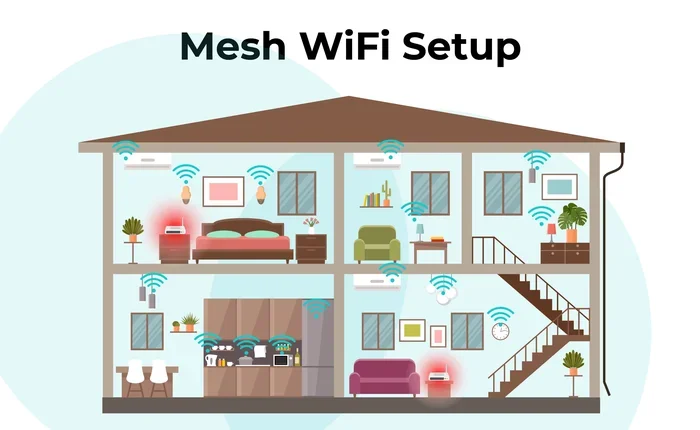
Some communities build mesh networks that provide free wireless internet to everyone in the area. These networks use multiple small nodes spread across a neighborhood. Each node connects to the next, creating a wide coverage area. Projects like Guifi.net in Spain and NYC Mesh in New York are great examples.
Free Trials from Internet Providers
Many internet providers offer free trials for new customers. You can sign up, get Wi-Fi access for 30 days, and cancel before you are charged. This is a great way to get temporary free internet when you need it. Just be sure to read the terms and set a reminder to cancel.
Some providers also offer low-cost plans that are almost free. For example, getting internet at home without a phone line is easier than most people think. Many modern options do not require a landline at all.
Common Mistakes People Make When Trying to Get Free Wi-Fi
There are some pitfalls you should avoid. These mistakes can waste your time or even put your data at risk.
- Connecting to unknown networks without checking: Fake networks can steal your information. Always verify the network name with staff.
- Ignoring data limits: Even “free” plans have limits. Going over can result in slow speeds or extra charges.
- Not using a VPN: A VPN protects your data on public networks. Skipping this step is risky.
- Leaving your hotspot on all day: This drains your battery and uses up your data quickly.
- Forgetting to secure your connection: Always use a strong password for your personal hotspot.
Avoiding these mistakes will keep you safe and help you get the most out of free portable Wi-Fi. A little caution goes a long way.
Expert Tips for Getting the Best Free Wi-Fi Experience
Here are some insider tips that can make your free Wi-Fi experience much better.
- Download offline maps before you travel: This way you can navigate even without a connection.
- Use data-saving mode on your devices: It stretches your free data further.
- Visit libraries early in the day: The Wi-Fi is usually fastest during off-peak hours.
- Carry a portable battery pack: Keeping your phone charged means your hotspot stays available longer.
- Check for municipal Wi-Fi maps: Many cities publish maps of their free Wi-Fi hotspots online.
These small steps can make a big difference. You will stay connected longer and get faster speeds when you need them most.
Comparing Free Portable Wi-Fi Options
| Method | Cost | Speed | Best For |
|---|---|---|---|
| Phone Hotspot | Free (with data plan) | Fast | Short-term use, travel |
| Public Wi-Fi | Free | Varies | Browsing, emails, light work |
| Wi-Fi Apps | Free | Varies | Finding networks on the go |
| Government Programs | Free or discounted | Good | Long-term home access |
| Range Extender | One-time cost ($20-$50) | Good | Boosting existing signals |
| Community Networks | Free | Varies | Neighborhood coverage |
Each method has its strengths. The best approach is to combine several of them. Use your phone hotspot for quick access, public networks for longer sessions, and apps to find new connections. This gives you the most free Wi-Fi coverage wherever you go.
Conclusion
Getting free portable Wi-Fi is easier than you think. You have many options, from using your phone as a hotspot to finding public networks and community programs. The key is to explore these methods and find what works best for your situation.
Start with the methods that fit your lifestyle. If you travel often, download a Wi-Fi finder app and set up your phone hotspot. If you stay home most of the time, look into government programs and public library networks. Every option on this list can get you online without spending a dime.
Remember to stay safe. Use strong passwords, avoid sensitive transactions on public networks, and always protect your data. With the right approach, free portable Wi-Fi can keep you connected anytime, anywhere. Try these tips today and enjoy the freedom of wireless internet without the cost.
For more tips on staying connected, check out how you can get Wi-Fi without an internet provider and explore other smart ways to access the web for free.
Frequently Asked Questions
Can I really get completely free portable Wi-Fi?
Yes, you can. Many methods cost nothing at all. Public libraries, cafes, and government programs offer free wireless internet. Your phone’s hotspot feature also provides free connectivity if you already have a data plan. The key is knowing where to look and which method fits your needs best.
Is it safe to use free public Wi-Fi networks?
Most public networks are safe for basic browsing. However, you should avoid entering passwords or banking information on open networks. Using a VPN adds an extra layer of protection. Always verify the network name with staff before connecting.
How much data do I need for free portable Wi-Fi?
It depends on what you plan to do. Browsing and emails use very little data, about 50 to 100 MB per hour. Streaming videos uses much more, around 1 to 3 GB per hour. For light use, even a small data plan is enough to stay connected throughout the day.
Can I use free Wi-Fi apps abroad?
Some apps work internationally, but their database may be smaller in other countries. WiFi Map and Instabridge have global coverage. Download the app and its offline database before you travel so you can find networks even without an active connection.
Do I need special equipment for free portable Wi-Fi?
No special equipment is needed. Your smartphone can serve as a hotspot and a Wi-Fi finder. A range extender is optional and costs around $20 to $50. Most free methods require nothing more than the device you already own.
Are there free Wi-Fi options for rural areas?
Yes. Community networks and government programs often target rural and underserved areas. Check with local libraries and community centers. Programs like the Affordable Connectivity Program may also be available in your area. These options can provide reliable free or low-cost internet access.