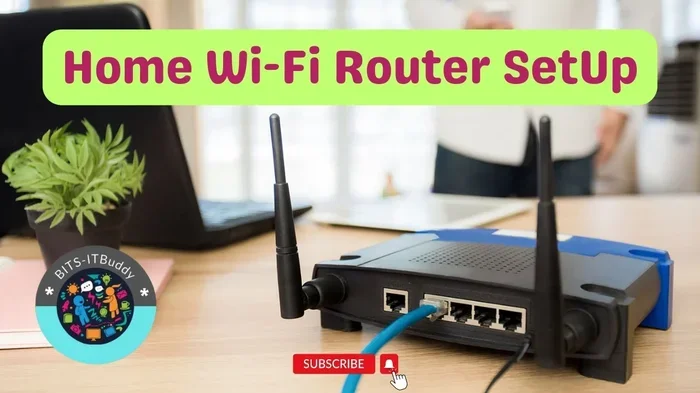
Do Wifi Extenders Become Obsolete or Are They Worth It
Do wifi extenders become obsolete? The short answer is yes, but not as fast as you might think. Most wifi extenders remain useful for 3 to 5 years before newer technology makes them feel outdated. However, wifi extenders still deliver solid value if you know how to choose, set up, and maintain them properly.
Have you ever walked into a room and noticed your phone lost its wifi signal? Or maybe your home office sits in a dead zone where streaming videos just buffers endlessly. If this sounds familiar, you are not alone. Millions of people deal with weak wifi signals every single day.
This is where a wifi extender comes in. These small devices promise to boost your wireless coverage and fill in those annoying gaps. But here is the real question most homeowners ask: do wifi extenders become obsolete? And are they actually worth the money you spend?
The short answer is yes, wifi extenders do become outdated over time. But that does not mean they stop working overnight. In this guide, we will walk through everything you need to know. We will cover how long they last, when they become outdated, and whether buying one today still makes sense.
By the end of this article, you will have a clear picture of where wifi extenders stand in the modern networking world. You will also know exactly when to upgrade and how to get the most value from your current setup.
Key Takeaways
- Wifi extenders do become outdated: Newer wifi standards like wifi 6 and wifi 7 can make older extenders feel slow.
- They are still worth it for many homes: If you need coverage in a garage, basement, or shed, a wifi extender solves real problems.
- Mesh systems are the future: You can connect Deco mesh wifi to existing router setups for better whole-home coverage.
- Lifespan depends on usage and placement: Proper setup and placement can extend your device’s useful life significantly.
- Watch for obsolescence signs: Slow speeds, dropped connections, and lack of modern standards are clear signals.
- Upgrade timing matters: Replacing your extender at the right time saves money and keeps your network fast.
📑 Table of Contents
- What Is a Wifi Extender and How Does It Work
- Do Wifi Extenders Become Obsolete Over Time
- Signs Your Wifi Extender Is Becoming Outdated
- Wifi Extenders vs Mesh Networks: Which Is the Future
- Are Wifi Extenders Worth the Money in 2024 and Beyond
- How to Make Your Wifi Extender Last Longer
- Final Thoughts on Do Wifi Extenders Become Obsolete
What Is a Wifi Extender and How Does It Work
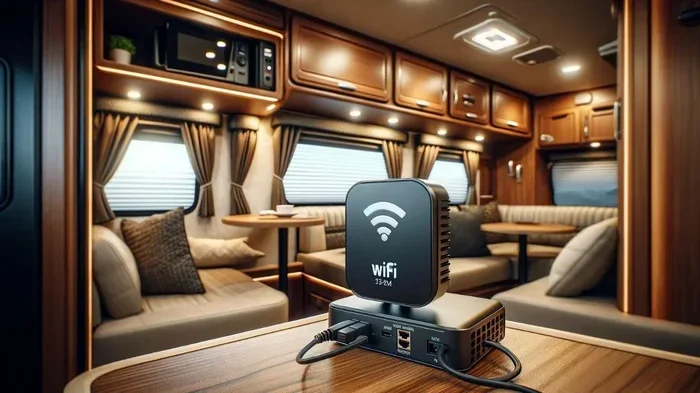
A wifi extender is a device that picks up your existing wireless signal and rebroadcasts it. Think of it like a megaphone for your router. The extender receives the signal from your main router and sends it out again to areas your router cannot reach well.
Most extenders work on a simple principle. They connect to your router wirelessly, then create a new broadcast zone. This new zone extends your wireless coverage into rooms, hallways, or even outdoor spaces like a backyard or garage.
Some extenders plug directly into a wall outlet. Others sit on a flat surface like a small box. The setup is usually straightforward. You plug in the device, follow a simple app or web interface, and you are done. Many modern extenders also support dual-band or tri-band connections, which means they can handle multiple frequency bands at once.
The real benefit of a wifi extender is convenience. You do not need to run cables through your walls. You do not need to hire a technician. For many households, this simple plug-and-play solution works perfectly well.
How Extenders Differ from Mesh Networks
It is important to understand that a wifi extender is not the same as a mesh network. An extender repeats your existing signal. A mesh system creates a brand new network with multiple nodes that work together seamlessly.
Mesh systems tend to offer smoother handoffs between nodes. Your phone stays connected as you move around the house. With a basic extender, you might notice a slight pause when your device switches between the router and the extender.
That said, extenders still serve a purpose. They are usually cheaper and easier to set up than full mesh systems. For smaller homes or targeted coverage needs, an extender often does the job just fine.
Do Wifi Extenders Become Obsolete Over Time
Now let us get to the heart of the matter. Do wifi extenders become obsolete? The answer is yes, but the timeline matters a lot.
Most wifi extenders have a useful lifespan of about three to five years. After that point, you may start noticing slower speeds, compatibility issues, or simply a lack of features that newer devices offer.
But obsolescence does not happen all at once. It is a gradual process. Your extender might still broadcast a signal five years from now, but that signal may not keep up with modern demands. Streaming 4K video, video calls, and smart home devices all require more bandwidth than they did just a few years ago.
Why Technology Makes Extenders Outdated
The main reason wifi extenders become outdated is technology advancement. The wifi industry moves fast. New standards emerge regularly, and each one brings faster speeds and better performance.
For example, wifi 5 (also called 802.11ac) was the standard for many years. Then wifi 6 (802.11ax) arrived with much better speed and efficiency. Now wifi 6E and wifi 7 are pushing the boundaries even further.
An older extender that only supports wifi 5 will struggle to keep up with a wifi 6 router. Even though it technically works, it cannot take advantage of the newer faster speeds. This is what makes it feel obsolete.
You might wonder, can you connect newer tech to older devices? The answer is sometimes. You can connect Wi Fi 6 mesh to a wifi 5 router, but you will only get the slower speeds of the older standard. The same principle applies to extenders.
The Role of Bandwidth Demands in Obsolescence
Here is something many people overlook. Your needs change over time, and that makes your equipment feel outdated even if the device itself still works.
Five years ago, a basic extender might have been perfect for browsing the web and checking email. Today, smart TVs, gaming consoles, security cameras, and video conferencing all demand much more from your network coverage.
This shift in demand is a big reason people feel their wifi extender has become obsolete. The device is not necessarily broken. It just cannot keep up with what modern households require.
Signs Your Wifi Extender Is Becoming Outdated
How do you know if your extender is on its way out? There are several clear signs to watch for. Catching these early can save you from frustrating slow connections.
- Slow speeds even when close: If your extender used to deliver good speeds but now feels sluggish, it might be outdated.
- Frequent disconnections: Devices dropping off the network more often than usual is a red flag.
- No support for modern wifi standards: Check if your extender supports wifi 5 or newer. If it only supports wifi 4, it is definitely showing its age.
- Poor performance with multiple devices: Modern households have many connected devices. Older extenders struggle with this load.
- No dual-band or tri-band support: Single-band extenders are becoming a thing of the past and cannot handle modern usage well.
- Firmware updates have stopped: When the manufacturer stops supporting a device, it is a clear sign it is nearing the end of its life.
If you notice two or three of these signs, it is probably time to start looking at replacements. Ignoring them will only lead to a worse internet experience.
What Happens When You Keep Using an Old Extender
You can keep using an old wifi extender if it still works. There is no law that says you must upgrade. But keeping an outdated device can hold back your entire network.
Your internet speed is only as strong as its weakest link. If your router supports wifi 6 but your extender only supports wifi 5, the extender becomes a bottleneck. The faster speeds from your router never fully reach your devices through that old extender.
This is especially true if you are planning to expand your home network with new devices. Smart home gadgets, 4K streaming boxes, and wireless printers all benefit from modern network performance.
Wifi Extenders vs Mesh Networks: Which Is the Future
The networking world is shifting toward mesh systems, and that raises an important question. Are wifi extenders becoming a thing of the past? Let us compare the two approaches.
| Feature | Wifi Extender | Mesh Network |
|---|---|---|
| Price | Lower cost ($20-$80) | Higher cost ($100-$400+) |
| Setup | Simple plug-and-play | Moderate setup required |
| Coverage | Good for targeted areas | Excellent whole-home coverage |
| Seamless roaming | Limited | Excellent |
| Scalability | Limited | Easy to add nodes |
| Future-proofing | Moderate | Strong |
| Best for | Small to medium homes | Large homes with many devices |
Mesh systems clearly offer more long-term value. They are designed to grow with your needs. You can add nodes easily to cover new areas of your home or yard.
But this does not mean wifi extenders are dead in the water. For many people, an extender is all they need. A small apartment or a single-story home with minor dead zones does not require a full mesh setup.
If you already have a router and just need coverage in a specific area like a shed or garage, an extender makes a lot of sense. In fact, many people use them successfully for exactly this purpose. You can extend your wifi to a shed with the right extender placement and a quality device.
Can You Use a Deco as a Wifi Extender
Many people wonder if mesh devices can double as extenders. The answer is yes, in many cases. You can use Deco as a wifi extender in certain configurations. This gives you the flexibility of mesh with the affordability of a targeted solution.
This hybrid approach is becoming more popular. It lets homeowners get the best of both worlds without spending money on a full mesh system they might not need.
Are Wifi Extenders Worth the Money in 2024 and Beyond
This is the question that really matters. Are wifi extenders still worth buying today? Let us break it down.
The short answer is yes, for the right situation. A wifi extender is absolutely worth it if you have a specific dead zone that needs coverage. If your router handles most of the house fine but one room or area has weak signal, an extender solves that problem cheaply and easily.
Here are some situations where a wifi extender makes perfect sense:
- You have a basement or ground floor with poor signal from your main router.
- Your home office is far from the router and you need reliable connectivity.
- You want better coverage in a backyard, patio, or garage.
- You rent and cannot make permanent changes to your home setup.
- You want a quick fix while saving up for a full mesh system.
When a Wifi Extender Is NOT Worth It
On the other hand, there are times when an extender is not the best choice. If your entire home has weak coverage, a single extender will not fix the problem. You need a mesh system or better router placement instead.
Also, if you already have a modern router with strong range, an extender might add more confusion than value. Some extenders create a separate network name, which means your devices do not always switch to the strongest signal automatically.
And if you are buying an extremely cheap, old-model extender, you might end up with a device that feels obsolete within a year or two. Always check for wifi 5 or wifi 6 support before purchasing.
How to Choose the Right Extender Today
Buying a wifi extender in 2024 means thinking about future-proofing. Here are some tips to make sure you get the most bang for your buck.
- Look for wifi 6 support: This ensures your extender can handle modern speeds and multiple devices.
- Choose dual-band or tri-band: This gives you flexibility and better performance across different frequency bands.
- Check for EasyMesh certification: This means the extender can work with routers from different brands.
- Read reviews carefully: Look for real-world performance data, not just manufacturer claims.
- Consider your space: A small apartment needs a different extender than a large two-story home.
Following these steps helps you avoid buying a device that will feel outdated too quickly. A well-chosen wifi extender can serve you well for several years.
How to Make Your Wifi Extender Last Longer
If you already own a wifi extender, you probably want to get as much life out of it as possible. The good news is that proper care can extend its useful lifespan significantly.
Keep Firmware Updated
Most modern extenders receive firmware updates from the manufacturer. These updates fix bugs, improve security, and sometimes even boost performance. Check your extender’s app or web interface regularly for updates.
Place Your Extender Properly
Placement matters more than most people realize. The best spot for your wifi extender is halfway between your router and the area with weak signal. Too close to the router and it has nothing to boost. Too far away and it struggles to get a strong connection from the router.
Keep It Cool and Clean
Like any electronic device, heat can shorten the life of your extender. Keep it in a well-ventilated area and avoid placing it in enclosed spaces. Dust can also build up over time and affect performance, so give it a gentle wipe-down every few months.
Reboot Periodically
A simple reboot can work wonders. Just like your router, your extender benefits from an occasional restart. This clears its memory and refreshes its connection to the network.
By following these simple steps, you can keep your wifi extender running strong for years. This delays the need to replace it and saves you money in the long run.
Final Thoughts on Do Wifi Extenders Become Obsolete
So, do wifi extenders become obsolete? Yes, they do, but not overnight. A quality wifi extender from a reputable brand can serve you well for three to five years or even longer with proper care.
The key is to understand your needs and choose accordingly. If you just need to fill a small coverage gap, an extender is a smart and affordable choice. If you need whole-home coverage for a large house with many devices, a mesh system might be a better long-term investment.
Either way, staying informed about the latest wifi standards and network technology helps you make smarter buying decisions. You do not need to chase every new release. But being aware of what is available ensures you are not stuck with outdated equipment when it matters most.
Take a look at your current setup today. Ask yourself whether your wifi extender is still meeting your needs. If the answer is no, now is the perfect time to explore your options. The right device can transform your internet experience and keep your home connected for years to come.
Frequently Asked Questions
Do wifi extenders become obsolete quickly?
Not necessarily. Most wifi extenders last three to five years before feeling outdated. The speed of obsolescence depends on the model, your internet usage, and how fast technology advances in your area.
Can an old wifi extender still work with new devices?
Yes, an old extender can still work with new devices. However, it will only deliver the speeds and features it was designed for. Newer devices may not reach their full potential when connected through an outdated extender.
Is a mesh system better than a wifi extender?
Mesh systems generally offer better whole-home coverage and seamless roaming. But a wifi extender can be just as effective for targeted coverage in smaller homes or specific dead zones. The best choice depends on your home size and needs.
How do I know if my wifi extender is obsolete?
Look for signs like slow speeds, frequent disconnections, lack of dual-band support, and no recent firmware updates. If your extender only supports older wifi standards like wifi 4 or early wifi 5, it is likely becoming obsolete.
Should I buy a wifi extender or upgrade my router instead?
If your router is old, upgrading it might solve your coverage issues without needing an extender at all. But if your router is modern and you still have dead zones, a wifi extender is the more cost-effective solution.
Are budget wifi extenders worth buying in 2024?
Budget extenders can work for basic needs, but they often lack modern features like wifi 6 support and dual-band capability. Spending a little more on a quality extender ensures it stays relevant longer and delivers better network performance.