Do I Really Need 1gbps Internet Speed or Is It Too Much
1gbps internet speed sounds amazing, but do you really need it? Most households get by just fine with slower plans, but heavy users, remote workers, and large families may truly benefit from a 1gbps internet connection. This guide breaks down who needs it, what it costs, and how to decide if upgrading is worth your money.
Key Takeaways
- Most people do not need 1gbps internet: A 100-300Mbps plan handles everyday tasks like streaming, browsing, and video calls with ease.
- Large households benefit most: If you have 5+ connected devices and multiple users, gigabit speed can prevent lag and buffering.
- Remote workers and streamers gain real value: Fast upload and download speeds make video conferencing, cloud backups, and 4K streaming smoother.
- Cost is a major factor: 1gbps plans cost significantly more than standard broadband, and you need compatible equipment to use them.
- Your Wi-Fi setup matters: Even with 1gbps internet, an old router will bottleneck your speeds and waste your money.
- Run an internet speed test first: Before upgrading, check your current speeds to see if you are actually leaving performance on the table.
📑 Table of Contents
What Is 1gbps Internet Speed and Why Does It Matter?
Let us start with the basics. 1gbps internet means your connection can transfer one gigabit of data per second. That equals 1000 Mbps. To put that in perspective, a 100 Mbps plan takes about 80 seconds to download a 1GB file. A 1gbps internet connection does it in roughly 8 seconds.
But speed numbers on paper do not always match real life. Your actual internet speed depends on many factors. These include your Wi-Fi router, the number of connected devices, your internet provider, and even the time of day. A fiber optic connection delivers the most consistent gigabit speeds, while older copper lines may struggle to reach those numbers.
So why does this matter? Because internet bandwidth is like a highway. More lanes mean more cars can travel at once without traffic. If your household has many users and devices, more bandwidth keeps everything running smoothly. But if you live alone and mostly browse the web, you may never need all those lanes.
The key question is simple: does your daily internet usage actually demand that level of speed? For most people, the answer is no. But there are real situations where a gigabit internet plan makes a noticeable difference. Let us explore those next.
Who Actually Needs 1gbps Internet Speed?
Not everyone benefits from a 1gbps internet plan. In fact, most households function perfectly well with a broadband speed of 100 to 300 Mbps. But certain users and situations truly make a case for gigabit speed. Here is a closer look at who gets the most value from a 1gbps internet connection.
Large Households With Many Connected Devices
A modern home is full of connected devices. Smart TVs, phones, laptops, tablets, smart speakers, security cameras, and gaming consoles all compete for bandwidth. If your household has five or more devices online at the same time, a slower plan can cause slowdowns. 1gbps internet gives each device plenty of room to operate without stepping on each other.
Think of it this way. If four people are streaming Netflix, two are on video calls, and someone is downloading a game, a 100 Mbps plan will choke. A 1gbps internet plan handles all of that with ease. The internet bandwidth is wide enough that nobody notices a dip in performance.
Remote Workers and Home Office Users
Working from home has changed how we use the internet. Video conferencing on Zoom or Teams requires stable, fast connections. Uploading large files to cloud storage, joining virtual meetings with screen sharing, and running backups all demand strong upload speeds. A 1gbps internet plan gives you plenty of headroom for all of these tasks.
One big advantage of gigabit speed is the upload speed. Most standard plans offer much slower uploads than downloads. With 1gbps internet, your upload speed matches your download speed. This makes sending large files, live streaming, and cloud-based work much faster and more reliable.
Gamers and Streamers
Online gaming does not need super fast download speed as much as it needs low latency and good ping. But if you also stream your gameplay on Twitch or YouTube, 1gbps internet helps a lot. Uploading high-quality video while gaming requires serious bandwidth.
Similarly, if you download large game files regularly, a gigabit internet connection saves you a ton of time. A 100GB game download takes about 13 minutes on 1gbps internet. On a 100 Mbps plan, it takes over two hours. That difference adds up fast for serious gamers.
Content Creators and Heavy Downloaders
People who create YouTube videos, edit footage, or manage large media libraries often deal with huge files. Uploading 4K video, backing up data to the cloud, and downloading large assets all benefit from 1gbps internet. If your work depends on fast file transfers, a gigabit plan is a smart investment.
What Can You Do With 1gbps Internet Speed?
A 1gbps internet connection opens up possibilities that slower plans simply cannot match. Here are some real-world examples of what you can do with that kind of speed.
Stream 4K content on multiple screens at once. Netflix 4K uses about 15 Mbps per stream. With 1gbps internet, you could run over 60 streams simultaneously. Even the most entertainment-heavy household would struggle to use that much.
Download massive files in minutes. A full season of a TV show, a large software update, or a game library can all download in a fraction of the time. This is a huge quality-of-life upgrade for people who regularly move large files.
Run a smart home without slowdowns. Smart cameras, doorbells, and sensors constantly send and receive data. 1gbps internet keeps everything responsive, even when many devices are active.
Video conference without any hiccups. Screen sharing, group calls, and virtual presentations all run buttery smooth on a gigabit internet connection. No more frozen screens or robotic voices during important meetings.
Play games and download updates overnight. A 50GB game update finishes in under seven minutes. You can set it to download before bed and wake up to a fully updated library.
How Much Does 1gbps Internet Cost?
Here is where the reality check hits. 1gbps internet costs more than standard broadband. On average, a gigabit internet plan runs between $70 and $150 per month in the US. Some providers charge even more, especially if they bundle in Wi-Fi router equipment or require a contract.
Compare that to a standard 100 Mbps plan, which often costs $30 to $50 per month. A 300 Mbps plan typically falls in the $50 to $70 range. The price jump to 1gbps internet is significant. You are paying roughly two to three times more for speed that most people do not fully use.
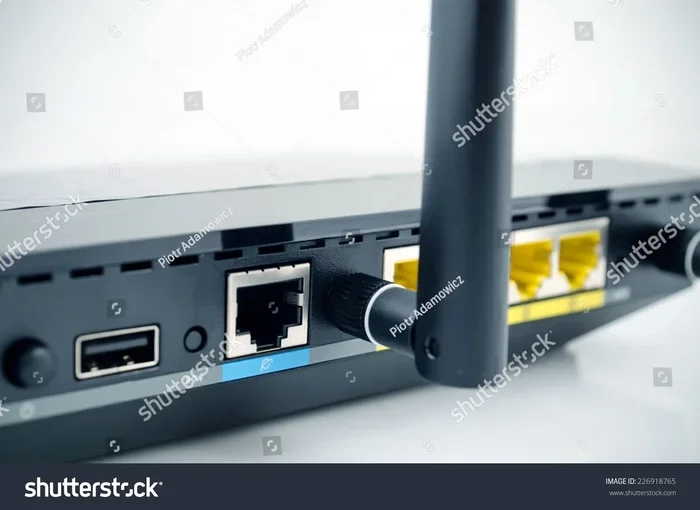
But cost is not just about the monthly bill. You also need compatible equipment. An older Wi-Fi router will not deliver gigabit speeds, even if your plan supports them. You may need to upgrade to a Wi-Fi 6 or Wi-Fi 6E router. An ethernet connection via a gigabit-capable cable is the best way to actually get the full 1 Gbps speed.
Some internet providers also impose data caps on their plans. If you hit a data cap, you could face extra charges or throttled speeds. Before signing up for 1gbps internet, check the fine print on data limits and any equipment rental fees.
Is 1gbps Internet Overkill for Most Households?
Honestly, for most people, 1gbps internet is overkill. The average household uses about 400 to 500 GB of data per month. A 100 Mbps plan handles that workload easily. Even with multiple users and devices, a 300 Mbps plan covers the needs of the vast majority of families.
The truth is, most of us do not have internet activities that require 1000 Mbps. Browsing the web, checking email, watching YouTube in 1080p, and even streaming Netflix in 4K use far less bandwidth than 1gbps internet provides. You would be paying for speed you simply cannot use.
That said, there is a difference between what you need and what you want. Having 1gbps internet means you never have to worry about speed. It is future-proof. As more devices connect to home networks and more services move online, higher speeds become more useful over time. But if you are on a budget, a mid-range plan is the smarter choice.
Common Mistakes People Make When Choosing Internet Speed
Many people pick a plan based on the biggest number they see. They see “1gbps” and assume they need it. But speed is not the only factor. Here are common mistakes to avoid:
- Ignoring upload speed. Download speed gets all the attention, but upload speed matters just as much for video calls, cloud backups, and streaming.
- Skipping the internet speed test. Before upgrading, run a test on your current connection. You might be surprised at how fast it already is.
- Overlooking your router. A slow router will bottleneck your internet speed no matter how fast your plan is.
- Not checking data caps. Some providers advertise fast speeds but cap your data usage, which defeats the purpose.
- Forgetting about latency. For gaming and real-time applications, low ping matters more than raw speed numbers.
How to Decide if 1gbps Internet Is Right for You
Still not sure if you need 1gbps internet? Ask yourself a few simple questions. These will help you figure out if a gigabit plan makes sense for your situation.
How many people use your internet at the same time? If it is just you or two people, a 100 to 200 Mbps plan is likely plenty. If your entire family is online at once, doing different things, you may benefit from more speed.
What do you do online? Casual browsing and email need very little bandwidth. Heavy streaming, gaming, and video calls need more. If your work involves large file uploads or live streaming, 1gbps internet becomes much more appealing.
How many devices are connected? Count every phone, tablet, laptop, smart TV, and smart device in your home. More devices mean more demand on your internet bandwidth. A gigabit internet plan handles high device counts with ease.
What is your budget? Be honest about what you can afford. If the extra cost of a 1gbps internet plan means cutting back on other essentials, it may not be worth it. Internet speed is important, but it should not come at the cost of financial stress.
Do you have fiber optic access? 1gbps internet over fiber delivers the best real-world performance. If your provider uses older infrastructure, you may not get the full 1 Gbps speed even on a gigabit plan. Check what type of connection is available at your address.
Quick Tips for Getting the Most Out of Your Internet Speed
- Use an ethernet connection for devices that need the fastest, most stable speeds. A wired connection always beats Wi-Fi for consistency.
- Upgrade your router to a model that supports gigabit speeds and the latest Wi-Fi standards.
- Run an internet speed test regularly to make sure you are getting what you pay for.
- Place your router centrally in your home for the best Wi-Fi coverage and signal strength.
- Restart your router occasionally to clear缓存 and keep your broadband speed running smoothly.
- Check for background downloads that may be eating up your internet bandwidth without you noticing.
Conclusion
So, do you really need 1gbps internet? The honest answer is: it depends on your situation. For most households, a 100 to 300 Mbps plan is more than enough. You get fast downloads, smooth streaming, and reliable video calls without paying a premium for speed you will never fully use.
But if you live in a large household with many devices, work from home, stream content professionally, or simply want the best possible internet experience, 1gbps internet is a fantastic choice. It provides headroom, future-proofing, and peace of mind that your connection will never slow you down.
The best approach is to assess your actual internet usage, count your connected devices, and compare plans from your internet provider. Run an internet speed test to see where you stand today. Then decide if upgrading to 1gbps internet is a smart investment or simply a nice-to-have luxury.
Either way, understanding your options puts you in control. You will make a confident choice that fits your needs, your budget, and the way you actually use the internet every day.
Frequently Asked Questions
Is 1gbps internet speed worth the extra cost?
It depends on your household and usage. If you have many connected devices, work from home, or stream and game heavily, the extra cost is worth it. For casual users, a 100 to 300 Mbps plan delivers the same experience at a lower price.
Can I get 1gbps internet on Wi-Fi or do I need an ethernet connection?
You can get close to 1gbps on a modern Wi-Fi 6 router, but an ethernet connection delivers the most consistent and reliable gigabit speeds. Wi-Fi is convenient, but a wired connection eliminates signal loss and interference.
How many devices can 1gbps internet support at once?
A 1gbps internet connection can comfortably support 20 or more devices at the same time. The key is that most activities use only a fraction of that bandwidth, so plenty of capacity remains for each device.
Do I need a special router for 1gbps internet?
Yes, your Wi-Fi router must support gigabit speeds. Look for a router labeled “Wi-Fi 6” or higher with gigabit ethernet ports. An older router will bottleneck your connection even if your plan offers 1gbps internet.
Does 1gbps internet help with online gaming?
It helps with downloading large game files quickly, but online gaming depends more on low latency and good ping than raw speed. A stable 50 Mbps connection with low latency often performs better for gaming than a 1gbps connection with high latency.
What is the difference between 1gbps and 100Mbps internet?
1gbps internet is ten times faster than 100 Mbps. That means downloads take one-tenth the time, and more devices can use the connection simultaneously without slowdowns. For most everyday tasks, the difference is noticeable but not essential.