Understanding Components Of A Client Server Network
The components of a client server network include clients, servers, network protocols, middleware, and infrastructure hardware. Understanding these parts helps businesses build reliable, secure, and scalable systems. This guide breaks down every element in simple terms so anyone can grasp how client server architecture powers the digital world.
Every time you open a website, send an email, or stream a video, you are using a client server network. It is one of the most important models in modern computing. But what exactly makes it work? The answer lies in the components of a client server network.
Think of it like a restaurant. You, the customer, are the client. The kitchen is the server. You place an order, the kitchen prepares your food, and a waiter delivers it to you. The components of a client server network work in a similar way. They handle requests, process data, and deliver results back and forth. In this article, we will break down every single piece of this puzzle.
Whether you are a student, an IT beginner, or a business owner, understanding client server architecture will give you a huge advantage. You will see how networks are built, why they matter, and how to make them work better. Let us dive right in.
Key Takeaways
- Client devices and servers form the backbone of client server architecture, enabling seamless data exchange and resource sharing across networks.
- Network protocols like TCP/IP and HTTP ensure that communication between clients and servers happens quickly and securely.
- Middleware acts as a bridge between the client and server, handling tasks like authentication, data formatting, and load balancing.
- Network infrastructure hardware such as routers, switches, and firewalls keeps the entire system running smoothly and safely.
- Understanding these components helps businesses scale their networks, improve performance, and reduce downtime.
- Security measures like firewalls and encryption are essential components that protect sensitive data in any client server setup.
📑 Table of Contents
- What Is a Client Server Network?
- The Core Components of a Client Server Network
- Middleware and Its Role in Client Server Networks
- Network Infrastructure Hardware
- How Components Work Together in a Real Network
- Best Practices for Managing Client Server Network Components
- Common Mistakes to Avoid
- The Future of Client Server Networks
- Conclusion
What Is a Client Server Network?
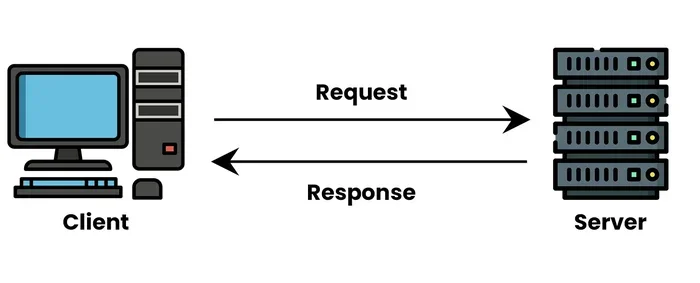
A client server network is a model where two types of computers talk to each other. One type is the client. The other is the server. The client asks for something, and the server provides it. This is called the request-response model, and it forms the foundation of almost all modern network infrastructure.
In a client server architecture, the client could be your laptop, smartphone, or tablet. The server is a powerful computer that stores data, runs applications, or manages resources. These two work together through network protocols to make your digital experience seamless.
Why Does the Client Server Model Matter?
This model matters because it separates tasks clearly. The client handles the user interface. The server handles the heavy lifting. This division makes network scalability much easier. You can add more clients without changing the server much. You can also upgrade the server without affecting the clients.
Most businesses today rely on client server technology for everything from email to database management. Cloud computing also uses this model at its core. So learning about the components of a client server network is not just academic. It is practical and highly valuable.
The Core Components of a Client Server Network
The components of a client server network can be grouped into five main categories. Each one plays a vital role in making the network function properly. Let us explore them one by one.
1. Client Devices
A client device is anything that requests services from a server. Your desktop computer, smartphone, or even a smart TV can act as a client. In client server architecture, the client runs a client application or a web browser that sends requests to the server.
Clients do not need to be powerful machines. They rely on the server for most of the processing. This is why you can browse a complex website on an old phone. The heavy work happens on the server hardware, not on your device.
Here are some common types of client devices:
- Desktop computers running Windows, macOS, or Linux
- Laptops used for remote work or school
- Smartphones and tablets running iOS or Android
- Thin clients that depend entirely on the server for processing
- IoT devices like smart thermostats and security cameras
Each of these devices uses network protocols to communicate with the server. The client sends a request, the server processes it, and the response travels back. This simple flow powers almost everything you do online.
2. Servers
The server is the heart of any client server network. It receives requests from clients, processes them, and sends back the appropriate response. Servers come in many forms depending on their role.
Server hardware is typically more powerful than regular computers. Servers have stronger processors, more memory, and larger storage drives. They are designed to handle many requests at the same time without slowing down.
Here are the most common types of servers you will encounter:
- Web server — serves web pages and handles HTTP requests
- File server — stores and manages files for network users
- Database server — manages databases and handles complex queries
- Application server — runs business applications and logic
- Mail server — handles sending and receiving email
- Proxy server — acts as a middleman between clients and other servers
Each server type has a specific job, but they all follow the same basic principle. They listen for incoming requests and respond accordingly. This is the backbone of client server technology.
3. Network Protocols
Without network protocols, clients and servers would not understand each other. Protocols are like a common language. They define how data is formatted, sent, and received across a network infrastructure.
The most important protocol in client server architecture is TCP/IP. It stands for Transmission Control Protocol and Internet Protocol. TCP breaks data into packets, sends them across the network, and reassembles them at the destination. IP handles the addressing so packets reach the right place.
Here are other key protocols used in client server networks:
- HTTP/HTTPS — used for web communication, with HTTPS adding encryption
- FTP — used for transferring files between clients and servers
- SMTP — used for sending email through mail servers
- DNS — translates domain names into IP addresses
- DHCP — automatically assigns IP addresses to client devices
These network protocols ensure that data flows smoothly between clients and servers. They handle everything from addressing to error checking. Without them, the components of a client server network would be like a team speaking different languages.
Middleware and Its Role in Client Server Networks
Middleware is one of the most overlooked components of a client server network. Yet it plays a critical role. Middleware sits between the client and the server. It handles tasks that neither the client nor the server wants to deal with directly.
Think of middleware as a translator or a coordinator. It makes sure the client and server can communicate properly, even if they use different systems or formats. Without middleware, client server architecture would be much more complicated.
What Does Middleware Do?
Middleware performs several important functions in a client server network:
- Authentication — verifies the identity of users before granting access
- Data formatting — converts data into a format both sides understand
- Load balancing — distributes requests across multiple servers
- Message queuing — holds messages until the server is ready to process them
- Security enforcement — applies encryption and access controls
In cloud computing environments, middleware is everywhere. Cloud platforms use it to manage millions of client requests every second. It keeps everything organized and running without you ever noticing.
Popular middleware tools include application servers like Apache Tomcat and IBM WebSphere. These tools make it easier for developers to build client server applications that are fast, secure, and reliable.
Network Infrastructure Hardware
The components of a client server network are not just software. Physical hardware plays a huge role too. Network infrastructure hardware includes all the physical devices that connect clients to servers and keep the network running.
Routers and Switches
Routers direct traffic between different networks. They figure out the best path for data to travel from the client to the server. Switches connect devices within a single network. They make sure data reaches the right device inside a local area network.
Without routers and switches, clients and servers simply could not talk to each other. These devices are the roads and intersections of your network infrastructure.
Firewalls and Security Hardware
Network security is a top priority in any client server network. Firewalls monitor incoming and outgoing traffic. They block unauthorized access and protect the server from attacks. Hardware firewalls are physical devices placed between the client network and the server.
Modern client server architecture also uses intrusion detection systems and VPN appliances. These tools add extra layers of protection. They keep sensitive data safe and ensure that only authorized users can access the network.
Cables and Wireless Access Points
Even in a wireless world, physical connections matter. Ethernet cables, fiber optics, and wireless access points form the physical links between clients and servers. Good cabling ensures fast and reliable data transfer across the network infrastructure.
How Components Work Together in a Real Network
Now that you know the individual components of a client server network, let us see how they work together. Understanding the big picture is key to mastering client server architecture.
When you type a URL into your browser, here is what happens:
- Your browser (the client device) sends an HTTP request to the web server
- The request travels through your router and switches across the network infrastructure
- Network protocols like TCP/IP guide the request to the correct server
- The server receives the request and processes it
- Middleware may handle authentication and data formatting
- The server sends the web page data back to your browser
- Your browser displays the page on your screen
All of this happens in milliseconds. But every single step depends on the components of a client server network working together perfectly. If one piece fails, the whole experience breaks down.
A Simple Example: Sending an Email
Let us look at another example. When you send an email from your phone, your phone acts as the client. It sends a request to your email provider’s mail server. The SMTP protocol handles the sending. Middleware may verify your login credentials. The mail server stores the message and waits for the recipient to retrieve it. When the recipient opens their email app, their device becomes the client and fetches the message from the server.
This example shows how client server technology touches almost every part of our digital lives. The components of a client server network are always at work behind the scenes.
Best Practices for Managing Client Server Network Components
Knowing the components of a client server network is only half the battle. You also need to manage them properly. Good management keeps your network fast, secure, and reliable.
Keep Your Servers Updated
Server updates fix security holes and improve performance. Always keep your server hardware and software up to date. Outdated servers are a major security risk in any client server architecture.
Monitor Network Traffic
Use monitoring tools to watch how data flows between clients and servers. This helps you spot problems early. It also helps with network scalability planning. If traffic is growing, you may need to add more servers or upgrade your network infrastructure.
Implement Strong Security
Use firewalls, encryption, and access controls to protect your client server network. Regular security audits help you find weaknesses before attackers do. Remember, the weakest link in any network security chain can compromise the entire system.
Plan for Scalability
As your business grows, your client server network needs to grow with it. Use load balancing and cloud services to handle increased demand. Planning ahead saves you from costly downtime and performance issues later.
Document Everything
Keep clear records of your network components, configurations, and procedures. Good documentation makes troubleshooting faster and helps new team members get up to speed quickly. It is one of the simplest yet most effective practices in managing client server technology.
Common Mistakes to Avoid
Even experienced IT professionals make mistakes when setting up components of a client server network. Here are some common errors to watch out for.
- Ignoring security updates — leaving servers vulnerable to attacks
- Underestimating bandwidth needs — causing slow performance as traffic grows
- Skipping documentation — making troubleshooting a nightmare later
- Using outdated protocols — creating compatibility and security issues
- Neglecting backup systems — risking data loss if a server fails
Avoiding these mistakes will help your client server network run smoothly for years. Small oversights can lead to big problems, so always stay proactive.
The Future of Client Server Networks
The components of a client server network continue to evolve. Cloud computing is changing how servers are deployed. Edge computing is bringing processing closer to the client. These trends are making client server architecture faster and more efficient than ever before.
Network scalability is becoming easier with virtual servers and containerization. Businesses can now scale their network infrastructure up or down in minutes. This flexibility is transforming how companies of all sizes manage their IT resources.
As more devices connect to the internet through IoT, the demand for robust client server technology will only grow. Understanding these components of a client server network today positions you for success in the future of computing.
Conclusion
The components of a client server network form the foundation of modern computing. From client devices and servers to protocols, middleware, and hardware, every piece plays a vital role. Together, they create the client server architecture that powers the internet and countless business applications.
Understanding these network components gives you valuable knowledge whether you are learning IT, managing a business network, or just curious about how technology works. The request-response model is simple at its core, but the components of a client server network that support it are sophisticated and powerful.
Take what you have learned here and apply it. Whether you are building a home network or managing enterprise network infrastructure, the principles remain the same. Invest in the right hardware, keep your software updated, prioritize security, and plan for growth. Your client server network will reward you with reliability, speed, and peace of mind.
Frequently Asked Questions
What are the main components of a client server network?
The main components of a client server network include client devices, servers, network protocols, middleware, and network infrastructure hardware. Each component plays a specific role in ensuring smooth communication between clients and servers. Together, they form the backbone of client server architecture.
What is the difference between a client and a server?
A client device requests services or resources, while a server provides them. Clients are typically end-user devices like laptops or smartphones. Servers are powerful computers that store data, run applications, and handle multiple client requests simultaneously. This request-response model is the core of client server technology.
Why are network protocols important in a client server network?
Network protocols define the rules for how data is formatted, transmitted, and received between clients and servers. Without protocols like TCP/IP, HTTP, and DNS, clients and servers would not be able to communicate. They are essential for maintaining network security and ensuring reliable data transfer across the network infrastructure.
What role does middleware play in client server architecture?
Middleware acts as a bridge between the client and the server. It handles tasks like authentication, data formatting, load balancing, and security enforcement. In cloud computing environments, middleware is critical for managing millions of requests efficiently. It simplifies development and improves the performance of client server applications.
Can a single device act as both a client and a server?
Yes, a single device can act as both a client and a server in certain setups. This is common in peer-to-peer networks and some home networks. However, in a traditional client server network, the roles are separated for better performance and security. The components of a client server network are designed to handle dedicated client and server functions.
How can I improve the security of my client server network?
To improve network security, use firewalls, encrypt data transmissions, keep all software updated, and implement strong access controls. Regular security audits and monitoring help you identify vulnerabilities early. Investing in quality network infrastructure hardware like hardware firewalls adds another layer of protection to your client server architecture.