Can You Enable Wi Fi Calling Without A SIM Card Now
Wi-Fi Calling Without A SIM Card is possible on most modern smartphones, letting you place and receive calls using only a Wi-Fi connection. This guide covers setup steps, supported devices, benefits, and limitations so you can decide if Wi-Fi Calling Without A SIM Card is right for you. Keep reading to learn how simple it can be to stay connected without a physical SIM.
Have you ever wondered if you can make phone calls without a physical SIM card? Wi-Fi Calling Without A SIM Card is a real possibility that many smartphone users are exploring today. The good news is that modern phones can connect to a cellular network using just a Wi-Fi connection, allowing you to place and receive calls even without a traditional SIM. Whether you have a broken SIM slot, a locked device, or simply want to cut the cord, Wi-Fi Calling Without A SIM Card offers a practical solution. This guide breaks down everything you need to know about making calls over Wi-Fi without a physical SIM card.
So, can you really use Wi-Fi calling without a SIM card? The answer might surprise you. Many people assume that a SIM card is absolutely required for every phone call. But technology has changed a lot in recent years. Now, your phone can route calls through the internet instead of relying on traditional radio towers. This means you can stay connected even when your SIM card is missing, damaged, or not active.
The idea of making calls without a SIM might sound too good to be true. But it is happening right now for millions of users around the world. From Android phones to iPhones, the support for Wi-Fi Calling has grown rapidly. In this article, we will walk you through exactly how it works, what you need, and how to get it set up on your device.
Key Takeaways
- Yes, it is possible: You can enable Wi-Fi calling without a physical SIM card on most modern smartphones.
- Works on Android and iPhone: Both platforms support SIM-free calling over Wi-Fi with the right settings.
- Better call quality: Wi-Fi calling can improve voice quality in areas with weak cellular signals.
- Save money: Making calls over Wi-Fi can reduce carrier charges, especially for international calls.
- Check your carrier: Not all network providers support Wi-Fi calling without a SIM card.
- Emergency calls may be limited: Some carriers restrict emergency calling when no SIM is present.
- eSIM is an alternative: An embedded SIM can give you the same benefits without a physical card.
📑 Table of Contents
Understanding Wi-Fi Calling and How It Works
What Exactly Is Wi-Fi Calling?
Wi-Fi Calling is a feature that lets your smartphone make voice calls using a wireless internet connection instead of a traditional cellular signal. When you enable this feature, your phone routes your voice data through your Wi-Fi connection rather than relying on nearby cell towers. Think of it as a VoIP (Voice over Internet Protocol) service built right into your phone.
Your carrier supports this feature on most modern smartphones. When you make a call over Wi-Fi, your voice is converted into small data packets. These packets travel through your internet router and reach the recipient just like any other online data. The person on the other end hears your voice clearly, just like a regular call.
This technology is especially helpful in areas where signal strength is weak. If you live in a basement, a rural area, or a building with thick walls, your regular cellular signal might drop often. Wi-Fi Calling bypasses that problem by using your internet connection instead. You get clear, stable calls even in spots where your phone would normally show no bars.
How Does Wi-Fi Calling Connect Your Calls?
When you place a call with Wi-Fi Calling enabled, your phone follows a simple process. First, it checks if you have an active Wi-Fi connection. Then it connects your call to your carrier’s network through the internet. Your carrier routes the call to the recipient just like a normal call.
The whole process happens in seconds. You do not notice any difference in speed compared to a regular call. The only real difference is the path your voice takes. Instead of traveling through cell towers, it travels through your Wi-Fi router and into the internet.
Most wireless calling services use your existing phone number. This means your contacts do not need to do anything different. They see your same phone number on their caller ID. The experience feels seamless to both you and the person you are calling.
Can You Enable Wi-Fi Calling Without a SIM Card?
The Truth About SIM-Free Calling
The short answer is yes, you can enable Wi-Fi Calling Without A SIM Card on many devices. But the details depend on your phone model, your carrier, and your setup. Some phones allow full Wi-Fi Calling with no SIM at all. Others need at least a partial SIM profile to work.
Here is the key thing to understand. A SIM card traditionally does two jobs. It identifies your device to the carrier, and it stores your phone number. When you remove the SIM, your phone loses its link to the cellular network. But if you connect to Wi-Fi, your phone can still use internet-based services.
Many carriers now offer SIM-free calling options. These let you make calls entirely through the internet. You do not need an active cellular plan or a physical SIM. This is common with apps like Skype, WhatsApp, and Google Voice. But native Wi-Fi Calling built into your phone works a bit differently. It relies on your carrier’s infrastructure, even when you are not using a SIM.
Which Devices Support Wi-Fi Calling Without a SIM?
Not every phone supports Wi-Fi Calling Without A SIM Card. Support depends on the manufacturer, the operating system version, and your carrier. Here is a general breakdown.
Most Android phones from Samsung, Google Pixel, OnePlus, and Xiaomi support Wi-Fi Calling. Many of these devices allow you to use the feature even with a removed SIM, as long as you are connected to Wi-Fi. However, some carriers lock this feature behind an active SIM requirement.
iPhones from Apple also support Wi-Fi Calling. On newer models running iOS 14 or later, you can often enable the feature without a SIM. Apple has made it easier over the years to set up wireless calling on devices that are SIM-free. But again, your carrier must support this mode.
If you are using a dual SIM setup, you might be able to remove one SIM and still use Wi-Fi Calling on the other line. This is a great option for people who want to test SIM-free calling before fully committing.
How to Set Up Wi-Fi Calling Without a SIM Card
Setting It Up on Android Phones
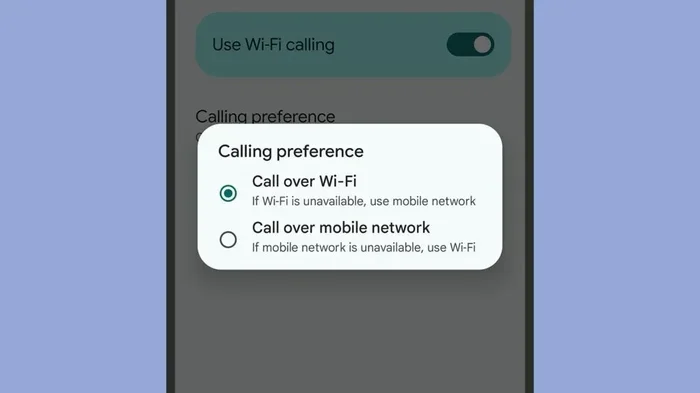
Setting up Wi-Fi Calling Without A SIM Card on an Android phone is straightforward. Here are the general steps you should follow. The exact menu names might vary slightly depending on your phone brand.
- Open the Settings app on your Android phone.
- Look for Network Internet or Connections, depending on your device.
- Tap on Wi-Fi Calling or Calls.
- Toggle the Wi-Fi Calling switch to On.
- If prompted, enter your phone number and confirm your carrier details.
- Test a call to make sure it works over your Wi-Fi connection.
Some Android phones let you set a default call setting that always prefers Wi-Fi when available. This is helpful if you want to avoid using your cellular data or signal. You can also set Wi-Fi Calling to work only when your cellular signal is weak. This saves battery and keeps your calls stable.
If your Android phone does not show the Wi-Fi Calling option, your carrier might not support it. Or your device might need a software update. Check with your network provider to confirm compatibility. You can also try downloading your carrier’s app, which sometimes includes Wi-Fi Calling setup tools.
Setting It Up on iPhones
Setting up Wi-Fi Calling on an iPhone is just as simple. Apple has built this feature into iOS, and it works well even without a SIM card in many cases.
- Open the Settings app on your iPhone.
- Tap on Phone.
- Select Wi-Fi Calling.
- Toggle on Wi-Fi Calling on This iPhone.
- Enter your address for emergency services if prompted.
- Test a call to confirm it routes through Wi-Fi.
On iPhones, you can also enable Wi-Fi Calling directly from the Control Center. Swipe down from the top right of your screen and tap the phone icon. This quick toggle makes it easy to switch between cellular and Wi-Fi calling on the go.
If you are using an iPhone without a SIM, make sure your device is connected to a known Wi-Fi network. Apple requires a valid Wi-Fi connection for the feature to activate. You might also need to verify your phone number with your carrier before calls work properly.
Benefits of Using Wi-Fi Calling Without a SIM Card
Better Call Quality in Weak Signal Areas
One of the biggest advantages of Wi-Fi Calling Without A SIM Card is improved call quality. When your cellular network signal is weak, calls often drop or sound muffled. With Wi-Fi calling, your voice travels through a stable internet connection instead. This means fewer dropped calls and clearer audio.
If you have ever struggled to hear someone on a phone call because of poor signal strength, you know how frustrating it can be. Wi-Fi Calling solves this problem by using your broadband connection. As long as your Wi-Fi is strong, your call will be strong too.
Saving Money on International Calls
Making international calls through your carrier can be expensive. But with Wi-Fi Calling Without A SIM Card, you can often avoid those high charges. Many carriers offer free or low-cost international calling over Wi-Fi. This is a huge benefit for people who stay in touch with family or friends abroad.
Even if your carrier charges for international Wi-Fi calls, the rates are usually much lower than traditional roaming fees. You get the convenience of using your regular phone number without the high costs. This makes Wi-Fi Calling a smart choice for frequent travelers.
Stay Connected Anywhere
With Wi-Fi Calling, you are not tied to a specific location. As long as you have access to a Wi-Fi connection, you can make and receive calls. This is great for people who travel often or live in areas with poor cellular coverage.
You can use Wi-Fi Calling at home, at work, at a coffee shop, or even at a hotel. Your smartphone becomes a communication tool that works wherever you have internet access. This level of flexibility is one of the main reasons people choose wireless calling over traditional cellular calls.
Limitations You Should Know About
When Wi-Fi Calling May Not Work
Despite its benefits, Wi-Fi Calling Without A SIM Card has some limitations. Not every carrier supports this feature without an active SIM. Some carriers require you to have a registered SIM card on their network before they allow Wi-Fi Calling. This is especially true for smaller or regional carriers.
Your Wi-Fi connection also matters. If your internet speed is slow or unstable, your call quality will suffer. Wi-Fi Calling works best on a strong, reliable connection. If you are on a crowded public network, you might experience lag or dropped calls.
Some messaging apps and calling apps may conflict with native Wi-Fi Calling. If you use apps like WhatsApp or FaceTime for calls, your phone might not route calls through the native Wi-Fi Calling feature. Make sure to check your call settings if you notice issues.
Emergency Call Limitations
This is an important limitation to understand. When you make emergency calls without a SIM card, your Wi-Fi Calling might not work the same way. Some carriers cannot trace your location accurately when you call emergency services over Wi-Fi without a SIM.
In many countries, carriers are required to provide location data for emergency calls. Without a SIM, your phone might not be able to share this data properly. This could delay response times in a real emergency. Always keep this in mind if you rely on Wi-Fi Calling Without A SIM Card as your primary calling method.
Expert Tips for the Best Wi-Fi Calling Experience
Optimize Your Wi-Fi Connection
A strong Wi-Fi connection is the foundation of great Wi-Fi Calling. Here are some tips to make sure your connection is up to the task.
- Use a modern router that supports the latest Wi-Fi standards.
- Place your router in a central location in your home.
- Avoid walls and metal objects between your phone and the router.
- Switch to the 5GHz band for faster and more stable calls.
- Limit the number of devices using the same network during calls.
If you are in a large home, consider using a mesh Wi-Fi system. This extends your coverage and reduces dead zones. A strong signal means better call quality and fewer interruptions.
Troubleshooting Common Issues
If your Wi-Fi Calling is not working, do not worry. Most problems have simple fixes. Here are some common issues and how to solve them.
- Wi-Fi Calling option is missing: Check if your carrier supports it. Update your phone software and try again.
- Calls keep dropping: Switch to a less crowded Wi-Fi channel or move closer to your router.
- Echo or delay: Restart your router and phone. Check your internet speed.
- Cannot make emergency calls: Make sure your address is registered with your carrier.
- Feature not activating: Try removing and re-adding your phone number in the call settings.
If none of these fixes work, contact your carrier. They can check if your account is set up for Wi-Fi Calling and help you troubleshoot further. Sometimes a simple account adjustment is all it takes.
Consider Using an eSIM Instead
If you want the benefits of Wi-Fi Calling Without A SIM Card but also want full carrier support, consider using an eSIM. An eSIM is an embedded SIM that lives inside your phone. It gives you all the benefits of a physical SIM without the physical card.
Many modern smartphones now support eSIM technology. You can activate a carrier plan directly on your device without swapping any cards. This gives you a clean setup with no SIM slot needed. Your Wi-Fi Calling will work seamlessly because the eSIM still registers your device with the carrier.
An eSIM is also great for people who travel often. You can switch carriers or plans without buying a new physical SIM. It adds flexibility and convenience to your mobile phone experience.
Conclusion
Wi-Fi Calling Without A SIM Card is more than just a technical possibility. It is a practical solution for millions of people who need reliable calling without a physical SIM. Whether you are dealing with a broken SIM slot, a locked device, or simply want a cleaner setup, this feature delivers real value.
We have covered how Wi-Fi Calling works, which devices support it, and how to set it up on both Android and iPhone. We have also looked at the benefits like better call quality and cost savings, as well as the limitations you should keep in mind. With the right setup and a strong Wi-Fi connection, you can stay connected almost anywhere.
The key takeaway is simple. You do not always need a physical SIM card to make great phone calls. Wi-Fi Calling Without A SIM Card gives you freedom and flexibility. Try it on your device today and see how easy it is to make the switch. You might be surprised at how well it works.
Frequently Asked Questions
Can I use Wi-Fi calling on a phone with no SIM card at all?
Yes, on many devices you can use Wi-Fi Calling Without A SIM Card. Both Android and iPhone support this in most cases, but your carrier must allow it. Some carriers require at least a registered SIM profile, even if the physical card is removed. Check with your network provider to confirm.
Will I still have my phone number if I use Wi-Fi calling without a SIM?
In most cases, yes. Your phone number is linked to your carrier account, not just the physical SIM. As long as your account is active, you can use the same number for Wi-Fi Calling. However, some carriers may assign a different number for SIM-free setups.
Is Wi-Fi calling without a SIM card free?
Using Wi-Fi Calling itself is usually free if it is included in your carrier plan. You are not charged extra for making calls over Wi-Fi in most cases. However, international call rates may still apply depending on your carrier. Always check your plan details to be sure.
Can I send text messages without a SIM card using Wi-Fi?
Yes, many messaging apps and some native phone features allow you to send texts over Wi-Fi without a SIM. Apps like WhatsApp, Telegram, and Signal work entirely over the internet. Native SMS texting usually requires a SIM, but RCS messaging on Android can work over Wi-Fi in some cases.
Does Wi-Fi calling work when you are roaming internationally?
Wi-Fi Calling can work while roaming, but it depends on your carrier. Many carriers support international Wi-Fi Calling so you can make calls abroad using a Wi-Fi connection. This can save you from expensive roaming charges. Check with your carrier before traveling to confirm their roaming policies.
What is the difference between Wi-Fi calling and a regular VoIP app?
Wi-Fi Calling is built into your phone and uses your carrier’s network. It works with your regular phone number and contacts. A VoIP app like Skype or WhatsApp is a separate app that uses its own account and number. Wi-Fi Calling feels more seamless because it integrates directly with your smartphone dialer and messaging apps.