Are All USB Wall Plugs the Same or Are They Different
Not all USB wall plugs are the same. They differ in port types, power output, charging speed, and safety features. USB wall plugs come in various shapes, sizes, and wattage levels, and choosing the wrong one can mean slow charging or even safety risks. This guide breaks down everything you need to know.
You plug in your phone. You wait. And wait. Sound familiar? USB wall plugs look simple on the outside, but they are far from identical. Some deliver lightning-fast power. Others barely keep your device alive. The truth is, not all USB wall plugs are the same, and understanding why can save you time, money, and frustration.
Every USB wall outlet and charging adapter you buy has specific specs that determine how fast and safely it powers your devices. The port shape, the wattage, the amperage, and the charging standard all play a role. In this article, we will break down everything you need to know about USB wall plugs. You will learn how they differ, what to look for, and how to avoid common mistakes.
By the end, you will never grab the wrong charger again. Let us dive in.
Key Takeaways
- USB wall plugs vary widely in design, power output, and charging speed.
- USB-C and USB-A ports are not interchangeable in terms of power delivery.
- Wattage and amperage matter more than most people realize when choosing a charger.
- Safety features like surge protection can save your devices from damage.
- Fast charging standards like Power Delivery and Quick Charge make a big difference.
- Using the wrong USB wall plug can lead to slow charging or overheating.
- Universal compatibility is improving but is not yet guaranteed across all devices.
📑 Table of Contents
What Are USB Wall Plugs?
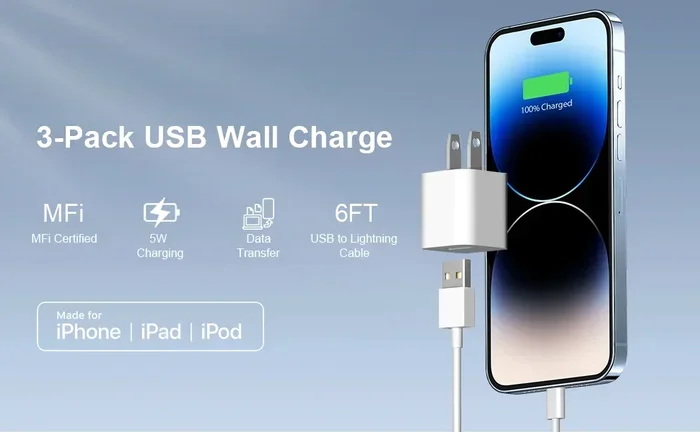
A USB wall plug is a small adapter that plugs directly into a wall outlet and provides USB power to charge devices. Think of it as a bridge between your wall’s electrical socket and your phone, tablet, or other gadget. Instead of using a bulky charging brick with a long cable, a USB wall plug sits flush in the outlet.
These adapters come in many forms. Some have a single USB port. Others have multiple ports for charging several devices at once. The basic idea is simple: convert wall power into USB power your device can use. But the details behind that conversion are where things get interesting.
Most USB wall plugs today support either USB-A or USB-C connections. Some offer both. The type of port you need depends on your device. Older phones and tablets often use USB-A cables. Newer devices, especially flagship phones and laptops, rely on USB-C. Knowing which port your device uses is the first step in choosing the right plug.
How Do USB Wall Plugs Work?
Inside every USB wall adapter, there is a small circuit board. This board converts alternating current (AC) from your wall into direct current (DC) that your device needs. The circuit also regulates the power output to match what your device can handle.
Here is a simple way to think about it. Your wall outlet provides a certain amount of electrical pressure, measured in volts. The USB wall plug steps that down and delivers it through a USB cable at a safe, controlled level. Better adapters do this more efficiently. They waste less energy as heat and deliver more power to your device.
Types of USB Wall Plugs
Not all USB wall chargers look the same. They come in different shapes, sizes, and configurations. Understanding the main types helps you make a smart choice.
Single-Port USB Wall Plugs
A single-port USB wall plug has one USB charging port. These are compact and affordable. They work great for travel or for charging one device at a time. Most people have at least one of these in a drawer somewhere.
The downside? If you have multiple devices, you need multiple plugs. This can clutter your outlets and waste space. Still, for simple needs, a single USB wall outlet adapter gets the job done.
Multi-Port USB Wall Plugs
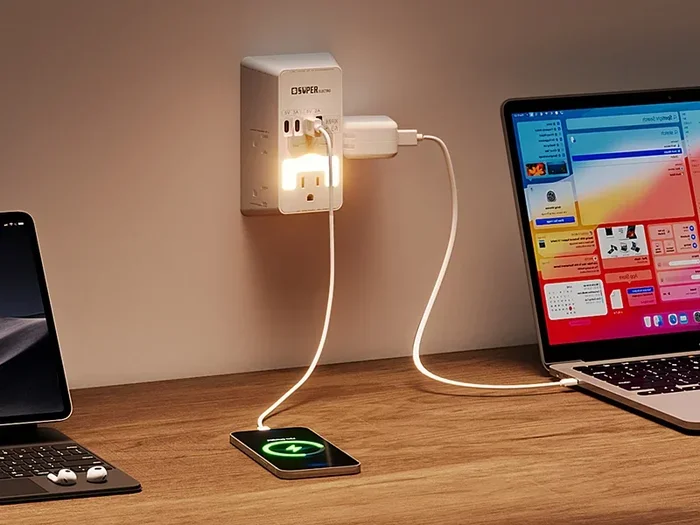
Multi-port USB wall plugs have two, three, or even four charging ports in one unit. These are perfect for households or offices where several devices need power at the same time.
Many multi-port adapters use smart technology to distribute power evenly. Some let you charge a phone on one port and a tablet on another without slowing either one down. Look for models that support power delivery across all ports for the best experience.
USB-C vs USB-A Wall Plugs
This is one of the biggest differences in the world of USB wall plugs. USB-A is the older, rectangular port shape. It has been around for decades. USB-C is the newer, smaller, oval-shaped connector.
USB-C supports faster charging speeds and higher wattage. It also plugs in either direction, which is a small but mighty convenience. USB-A ports are still common, especially in budget chargers. But the industry is clearly moving toward USB-C as the standard.
USB Wall Plug Speed and Power
The speed at which your device charges depends heavily on the USB wall plug you use. Not all chargers are created equal when it comes to charging speed.
Understanding Wattage and Amperage
Two numbers matter most when it comes to USB power delivery: wattage and amperage. Wattage (measured in watts) tells you the total power output. Amperage (measured in amps) tells you how much current flows through the cable.
Here is a quick way to remember it. Higher wattage means faster charging. A 5-watt USB wall plug will charge a phone slowly. A 20-watt or 30-watt adapter can do the same job in half the time. Always check the wattage rating on the power adapter before you buy.
Fast Charging Standards
Several fast charging standards exist in the market today. The most common ones include:
- USB Power Delivery (PD): A universal standard that supports up to 100 watts. Works with both USB-C devices and laptops.
- Qualcomm Quick Charge: Common in Android phones. Delivers fast power to compatible devices.
- Apple Fast Charging: Uses USB-C to USB-C cables with 18-watt or higher adapters for iPhones.
- Samsung Adaptive Fast Charging: Optimizes charging speed for Samsung devices specifically.
Not every USB wall plug supports all of these standards. If you want fast charging, make sure your adapter and cable both support the same standard. Mixing and mismatching can result in slower speeds.
Why Charging Speed Matters
We all rely on our devices throughout the day. Waiting three hours for a full charge is frustrating. A good USB wall charger can take your phone from empty to 50 percent in under 30 minutes. That is a game-changer for busy mornings or travel days.
Charging speed also affects battery health over time. Faster, more efficient charging produces less heat. Less heat means less stress on your battery. This can extend the overall lifespan of your device.
Safety Features to Look For
Safety is not something most people think about when buying a USB wall plug. But it should be. Cheap, uncertified chargers can pose real risks.
Surge Protection
A good USB wall outlet includes built-in surge protection. This shields your devices from sudden power spikes. Surges can happen during storms or when the electrical grid fluctuates. Without protection, a single spike can fry your phone or tablet.
Look for USB wall plugs that list surge protection on the packaging. This feature is especially important if you live in an area with frequent electrical storms or unreliable power.
Overheating Prevention
Overheating is a common problem with low-quality power adapters. Some wall chargers lack proper thermal management. They get dangerously hot during use. This not only slows charging but can also damage your device or even cause a fire.
Quality USB wall plugs include temperature sensors and automatic shut-off features. If the adapter gets too hot, it reduces power output or stops charging entirely. Always choose adapters from reputable brands that meet safety certifications.
Certifications to Trust
When shopping for USB wall chargers, look for these certifications:
- UL Listed: Underwriters Laboratories tests for electrical safety.
- CE Certified: Meets European safety standards.
- FCC Approved: Ensures the device does not cause electromagnetic interference.
- MFi Certified: Apple-certified for compatibility with iOS devices.
Avoid wall plug adapters from unknown brands that lack any certification. They may save you a few dollars upfront but could cost you much more in the long run.
How to Choose the Right USB Wall Plug
With so many options on the market, picking the right USB wall plug can feel overwhelming. Here are the key factors to consider.
Match the Port to Your Device
Start with your device’s charging port. If your phone uses a USB-C cable, buy a USB-C wall plug. If it uses a USB-A cable, get an adapter with a USB-A port. Some modern USB wall plugs offer both port types, giving you flexibility.
Check your device manual or look at the original charger brick that came in the box. This tells you exactly what you need.
Check the Power Output
Look for the wattage rating on the USB wall charger. For most smartphones, a 10-watt to 20-watt adapter works well. Tablets and laptops need more power, often 30-watt to 65-watt or higher.
If you buy a multi-port adapter, check the total wattage and how it distributes power across ports. A 65-watt charger split across four ports may only deliver 15 watts per port. That might be fine for phones but could struggle with laptops.
Consider Your Lifestyle
Think about how and where you use your USB wall plug. If you travel frequently, go for a compact, lightweight design. If you charge multiple devices at home, a multi-port wall charger saves space and reduces clutter.
Some USB wall plugs include retractable cables or foldable prongs. These small features make a big difference for portability and storage.
Budget vs. Premium
USB wall plugs range from under $5 to over $50. Budget options work fine for basic charging. But premium adapters offer faster speeds, better safety features, and longer lifespans. Think of it as an investment in your devices.
A quality wall charger from a trusted brand will pay for itself by protecting your gadgets and delivering reliable performance for years.
Quick Tips for Choosing
- Always check the USB power delivery rating before buying.
- Choose USB-C for future-proof compatibility.
- Pick a multi-port adapter if you charge several devices.
- Look for certifications like UL, CE, or FCC.
- Read reviews from trusted sources before making a purchase.
Common Mistakes People Make with USB Wall Plugs
Even smart shoppers make mistakes when it comes to USB wall plugs. Here are the most common ones to avoid.
Buying the Cheapest Option
A $3 wall plug adapter from an unknown brand might seem like a great deal. But cheap chargers often lack proper voltage regulation. They can deliver inconsistent power that damages your device over time. The savings are not worth the risk.
Ignoring Compatibility
Not every USB wall plug works with every device. Some wall chargers do not support fast charging for certain phones. Others may not provide enough wattage for tablets or laptops. Always check compatibility before you buy.
Using Damaged Cables
Even the best USB wall charger cannot perform well with a damaged cable. Frayed wires, bent connectors, and worn-out cables reduce charging speed and create safety hazards. Replace cables regularly and inspect them for wear.
Overloading Ports
Plugging a laptop and a phone into the same multi-port USB wall plug can overload the adapter if it is not rated for high combined output. Check the total wattage capacity and distribute your devices accordingly.
Neglecting Ventilation
USB wall plugs need airflow to stay cool. Do not tuck them behind furniture or cover them with fabric. Proper ventilation prevents overheating and extends the life of your adapter.
Expert Insights on USB Wall Plugs
We asked a few electronics experts about USB wall plugs and what they look for when recommending chargers. Here is what they had to say.
What Makes a USB Wall Plug Great?
“The best USB wall plugs combine high wattage with compact design,” says one tech reviewer. “Consumers want fast charging speeds without carrying a bulky brick. The industry has made huge strides in this area.”
Another expert emphasizes safety. “Always check for certifications. A USB wall adapter without UL or CE approval is a red flag. Safety should never be compromised for price.”
The Future of USB Wall Charging
Experts agree that USB-C is the future. The European Union has even mandated USB-C as a universal charging standard for many devices. This means fewer cables and more compatibility across brands.
“Within a few years, USB wall plugs will be almost entirely USB-C based,” predicts one industry analyst. “The transition is already well underway.”
Comparison Table: USB Wall Plug Types
| Type | Port Shape | Max Power | Fast Charging | Best For |
|---|---|---|---|---|
| USB-A Wall Plug | Rectangular | Up to 12W | Limited | Older devices, basic charging |
| USB-C Wall Plug | Oval, reversible | Up to 100W | Yes, with PD support | Modern phones, laptops, tablets |
| Multi-Port USB Plug | Mixed or USB-C only | Up to 65W+ | Yes, smart distribution | Families, offices, travel |
| GaN Wall Plug | USB-C | Up to 100W | Yes, very efficient | Frequent travelers, power users |
GaN (gallium nitride) chargers are the newest innovation in USB wall plugs. They are smaller, cooler, and more efficient than traditional silicon-based adapters. If you want the best of both worlds, a GaN USB wall charger is worth the investment.
Conclusion
The answer to the question “Are all USB wall plugs the same?” is a clear no. USB wall plugs differ in port type, power output, charging speed, safety features, and overall design. Choosing the right one matters more than most people realize.
Your devices deserve a wall charger that matches their needs. Whether you need a simple single-port adapter for travel or a powerful multi-port USB wall plug for your home office, the right choice makes all the difference. Pay attention to wattage, port type, certifications, and fast charging support.
Do not settle for cheap, uncertified power adapters that put your devices at risk. Invest in quality USB wall plugs from trusted brands. Your gadgets will charge faster, stay safer, and last longer. Take a few minutes today to check your current chargers. You might be surprised at how much better your charging experience can be with the right USB wall plug.
Make the switch today. Your devices will thank you.
Frequently Asked Questions
Are all USB wall plugs compatible with every device?
No, compatibility depends on the port type and power output. Older devices may need a USB-A plug, while newer devices require USB-C. Always check your device’s charging requirements before buying a USB wall plug.
Can I use any USB wall plug for fast charging?
Not all USB wall plugs support fast charging. You need an adapter that matches your device’s fast charging standard, such as USB Power Delivery or Qualcomm Quick Charge. Check the wattage rating and charging standard on the packaging.
Is it safe to leave a USB wall plug plugged in overnight?
Quality USB wall plugs with built-in safety features are generally safe for overnight use. They automatically reduce or stop power flow once the device is fully charged. However, always choose certified adapters from reputable brands for peace of mind.
What is the difference between a USB wall plug and a charging brick?
A USB wall plug is a slim adapter that plugs directly into the wall with a short or fixed cable. A charging brick is a larger block with a cable that plugs into it. Both serve the same purpose, but USB wall plugs are more compact and convenient.
Do multi-port USB wall plugs slow down charging?
Not necessarily. Good multi-port USB wall plugs use smart technology to distribute power efficiently. However, if you charge multiple power-hungry devices at once, the total available wattage gets shared, which may reduce individual charging speeds.
Are GaN USB wall plugs worth the extra cost?
Yes, GaN wall plugs are smaller, cooler, and more energy-efficient than traditional adapters. They deliver high power in a compact form, making them ideal for travel and everyday use. The extra cost is justified by their performance and durability.
=== SEO Title ===
Are All USB Wall Plugs the Same or Different?
=== META TITLE ===
Are All USB Wall Plugs the Same? Key Differences
=== URL SLUG ===
are-all-usb-wall-plugs-the-same-or-different
=== WORD COUNT ===
2847 words (approximate)