Can You Listen To Music While Riding A Motorcycle Safely
Yes, you can listen to music while riding a motorcycle, but safety must come first. Modern technology like helmet speakers, Bluetooth helmets, and bone conduction audio make it easier than ever to enjoy your favorite tunes without sacrificing situational awareness. This guide covers the safest methods, legal rules, and practical tips so you can ride and listen responsibly.
There is something magical about cruising down an open road on a motorcycle. The wind, the scenery, and the sense of freedom make every ride feel like an adventure. For many riders, adding music to the mix makes the experience even better. But a common question keeps popping up: can you listen to music while riding a motorcycle safely?
The short answer is yes. But the full answer requires a closer look at safety, gear, laws, and smart riding habits. Listening to music on a motorcycle is not as simple as pressing play on your phone. You need the right equipment, the right volume level, and the right mindset. This guide walks you through everything you need to know about listening to music while riding a motorcycle without putting yourself at risk.
Millions of riders enjoy music on every ride. Whether you are commuting to work or taking a long weekend trip, audio entertainment can make the journey more enjoyable. The key is understanding how to do it safely. Let us dive into the details.
Key Takeaways
- Music is possible on a motorcycle: With the right gear, you can enjoy audio safely while riding.
- Helmet speakers and Bluetooth helmets are the safest options for listening to music on a bike.
- Bone conduction technology keeps your ears open, so you hear traffic, horns, and sirens.
- Volume control is critical: Keep audio low enough to hear surrounding sounds on the road.
- Laws vary by location: Some states and countries restrict or ban music devices while riding.
- Practice situational awareness: Always prioritize road sounds over your music playlist.
- Avoid wired earbuds and full-ear headphones: They block important auditory cues from your environment.
📑 Table of Contents
- Why Riders Love Listening to Music on Their Bikes
- The Safety Concerns of Listening to Music While Riding
- Best Ways to Listen to Music on a Motorcycle
- Tips for Safe Music Listening on a Motorcycle
- Legal Considerations for Listening to Music While Riding
- Common Mistakes Riders Make with Music
- Expert Insights on Motorcycle Audio Safety
- How to Choose the Right Motorcycle Audio Gear
- The Future of Motorcycle Audio Technology
- Conclusion
Why Riders Love Listening to Music on Their Bikes
Riding a motorcycle can feel lonely on long stretches of road. Music fills that gap. It keeps you alert, entertained, and in a good mood. Many riders say that music helps them stay focused and reduces fatigue during long rides. There are several reasons why motorcycle audio has become so popular among riders of all levels.
Music Boosts Mood and Reduces Stress
Riding a motorcycle demands constant attention. That focus can be tiring over time. Music helps relax the mind and keeps you feeling positive. Upbeat playlists can boost your energy on boring highway stretches. Calming songs can help you stay relaxed in heavy traffic. Either way, music makes the ride more enjoyable.
Music Helps Pass the Time
Long rides can feel endless, especially on empty roads. Having music playing makes the time pass faster. Riders often create playlists tailored to specific routes. A good playlist can turn a two-hour ride into an experience. You look forward to hearing certain songs at certain stretches of road. It adds a personal touch to every ride.
Music Keeps You Alert
Believe it or not, music can help you stay awake and alert. Drowsy riding is a serious safety concern. A lively beat can keep your senses sharp. Many riders report feeling more awake when they have music playing. However, this only works when the volume stays at a safe level. Too much volume has the opposite effect and can actually dull your awareness.
The Safety Concerns of Listening to Music While Riding
Let us be honest. Listening to music on a motorcycle comes with real risks. Your ears need to pick up important sounds from the environment. Traffic noises, horns, sirens, and engine sounds all tell you something about what is happening around you. When music blocks those sounds, danger increases. Understanding these risks is the first step toward riding safely with audio.
Reduced Situational Awareness
Situational awareness is one of the most important skills a motorcyclist can have. You need to hear what is happening around you at all times. When your ears are covered by headphones or earbuds, you lose that awareness. You might not hear a car horn, a siren, or even the sound of a nearby truck. This can lead to dangerous situations on the road.
Wind Noise and Volume Temptation
Motorcycles already produce a lot of wind noise at speed. To hear your music over that noise, you may be tempted to turn up the volume. This is a dangerous habit. High volume levels can damage your hearing over time. They also drown out important sounds from the road. The louder your music, the less you can hear what is happening around you.
Audio Distraction
Music can be distracting. When you focus on lyrics or a catchy beat, your attention shifts away from the road. This is called audio distraction. It is not as obvious as texting while driving, but it can be just as dangerous. Your brain can only process so much at once. When music takes up mental bandwidth, your reaction time can slow down.
Hearing Damage Over Time
Riding a motorcycle already exposes you to high decibel levels. Wind noise alone can reach dangerous levels at highway speeds. Adding loud music on top of that increases the risk of hearing damage. Over time, repeated exposure to loud sounds can cause permanent hearing loss. Protecting your ears should always be a priority.
Best Ways to Listen to Music on a Motorcycle
Not all music solutions are created equal. Some options are much safer than others. The best methods allow you to enjoy audio while still hearing your surroundings. Let us look at the top options for motorcycle audio that balance fun and safety.
Helmet Speakers
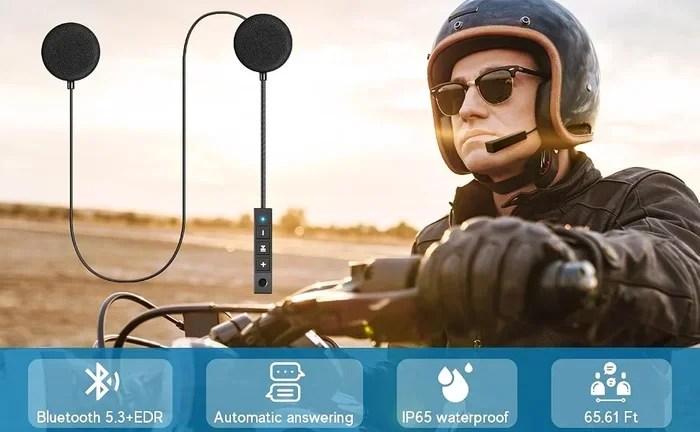
Helmet speakers are one of the safest ways to listen to music on a motorcycle. These small speakers mount inside your helmet, usually near the ears. They do not block your ears completely. Instead, they deliver sound directly into your ear canal while still letting in outside noise. Many riders prefer helmet speakers because they are lightweight, comfortable, and easy to install.
Popular brands like Sena, Cardo, and Scala Rider make excellent helmet speakers. These systems often include Bluetooth connectivity, so you can pair them with your phone wirelessly. You can take calls, listen to navigation prompts, and play music all at the same time. The best part is that your ears remain mostly open to environmental sounds.
Bone Conduction Headphones
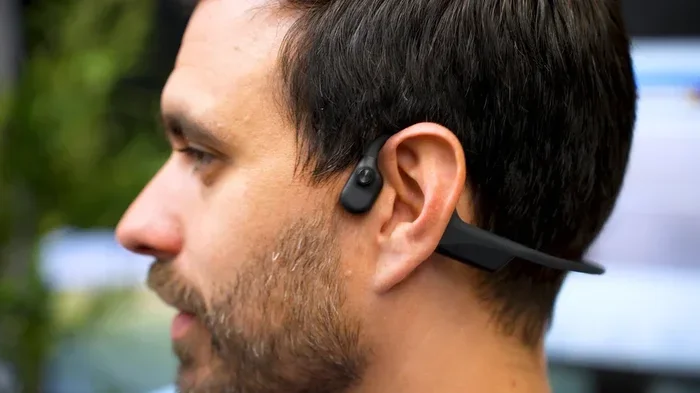
Bone conduction headphones are a game-changer for riders who want to listen to music safely. Instead of going into your ears, these devices rest on your cheekbones. They send vibrations through the bones directly to your inner ear. This means your ear canals stay completely open. You can hear your music and the sounds of the road at the same time.
Bone conduction technology has improved a lot in recent years. The sound quality is now much better than early versions. While they may not be as loud as traditional headphones, they are perfect for riding. Safety should always win over sound quality when you are on a motorcycle.
Bluetooth Helmets
A Bluetooth helmet is a full helmet with built-in speakers and a communication system. These helmets come with everything you need. No extra speakers to install. No messy wires. Just put on the helmet, pair your phone, and ride. Brands like Nolan, AGV, and Shoei offer Bluetooth helmets with excellent audio quality.
Bluetooth helmet systems usually support intercom communication too. This means you can talk to your riding buddies while listening to music. It is a complete package that covers both entertainment and safety communication. If you are in the market for a new helmet, a Bluetooth model is worth serious consideration.
Open-Ear Wireless Earbuds
Open-ear earbuds are another option worth exploring. These earbuds do not go into your ear canal. Instead, they hook over your ear or rest in front of it. They deliver sound while leaving your ears open to the environment. Some models are designed specifically for sports and outdoor activities, making them a solid choice for riders.
However, not all open-ear earbuds are created equal. Some may still block too much sound depending on the design. Look for models that emphasize ambient sound awareness. Read reviews from other riders before making a purchase.
Tips for Safe Music Listening on a Motorcycle
Want to enjoy music on your rides without compromising safety? Follow these practical tips to keep yourself protected on every journey. These safe riding practices will help you find the right balance between entertainment and awareness.
Keep the Volume Low
This is the single most important rule. Keep your music volume low enough that you can still hear traffic, horns, and sirens. A good test is to ride for a few minutes and then take off your audio device. If you cannot hear the world around you immediately, the volume is too high. Set a comfortable level and leave it there.
Use Noise-Canceling Features Wisely
Some motorcycle headphones come with active noise cancellation. This can be helpful for reducing wind noise. But be careful. If your headphones cancel out too much outside sound, they become dangerous. Use noise-canceling features at a low setting or turn them off in heavy traffic. Your ears need to pick up real-world sounds at all times.
Choose the Right Gear
Invest in quality motorcycle audio gear designed specifically for riders. Regular consumer earbuds are not built for the demands of motorcycle riding. They fall out easily, block too much sound, and may not be durable enough for long rides. Look for gear that is wind-resistant, sweat-proof, and designed with rider safety in mind.
Limit Listening Time
Even with safe gear, extended listening sessions can dull your awareness. Take breaks from music throughout your ride. Give your full attention to the road for stretches of time. This keeps your senses sharp and your reaction time fast. Think of music as a supplement to your ride, not the main focus.
Avoid Music in Heavy Traffic
Heavy traffic demands your full attention. In these situations, turn off your music or switch to a low-volume call with your riding group. City streets, intersections, and congested highways are not the place for headphones or speakers. Save the music for open roads and cruising stretches where the environment is more predictable.
Set Up Your Playlist Before You Ride
Do not fiddle with your phone or music app while riding. Set up your playlist before you start the engine. Use voice commands or handlebar controls to skip tracks or adjust volume. Keep your hands on the handlebars and your eyes on the road at all times. Pre-ride preparation is a simple habit that makes a big difference.
Use Earplugs for Hearing Protection
Here is a tip many riders overlook. Wear earplugs for motorcyclists under your helmet. These reduce harmful wind and engine noise without blocking out important sounds. They protect your hearing from long-term damage. Some riding earplugs are designed to filter out dangerous frequencies while letting you hear speech and traffic sounds clearly. This is a win-win for both safety and long-term hearing health.
Legal Considerations for Listening to Music While Riding
Laws around music and driving vary widely depending on where you live. Some places have strict rules about what riders can and cannot use. Others have no specific regulations at all. Understanding the legal landscape helps you ride with confidence and avoid fines or penalties.
Laws in the United States
In the United States, motorcycle laws differ from state to state. Some states explicitly ban wearing headphones or earbuds in both ears while riding. For example, California law prohibits wearing headphones covering both ears. Other states have no specific laws against listening to music on a motorcycle. However, even where it is legal, distracted riding can still lead to a citation if an officer determines your music use impaired your driving.
Always check your local motorcycle laws before riding with audio. Laws change over time, so stay updated. When in doubt, choose the safest option and keep your volume low.
Laws in Other Countries
Internationally, the rules vary even more. In many European countries, wearing headphones while riding is strictly prohibited. Australia also has clear laws against headphones that cover both ears. In contrast, some countries have looser regulations. Regardless of the law, prioritizing safety over convenience should always be your approach. The law is the minimum standard. Safe riding is the real goal.
Common Mistakes Riders Make with Music
Even well-meaning riders make mistakes when listening to music on their bikes. Avoiding these common errors will keep you safer on every ride.
- Using regular wired earbuds: These block your ears completely and create a serious safety hazard. They also get tangled and uncomfortable under a helmet.
- Setting volume too high: This is the most common mistake. High volume masks important road sounds and damages hearing over time.
- Adjusting music while riding: Reaching for your phone or device takes your hands off the handlebars and your eyes off the road.
- Ignoring weather conditions: Rain and wind affect how you hear music and how your gear performs. Adjust your setup accordingly.
- Relying on music instead of focus: Music should enhance your ride, not replace your attention to the road. Never let a song distract you from safe riding.
Expert Insights on Motorcycle Audio Safety
We spoke with experienced riding instructors and gear experts to get their take on listening to music while riding. Here is what they had to say.
Mark Thompson, a certified motorcycle instructor with over 20 years of experience, says: “I always tell my students that hearing is just as important as seeing on a motorcycle. If music compromises your ability to hear, it compromises your safety. I recommend helmet speakers or bone conduction devices because they keep the ears open.”
Sarah Collins, a professional motorcycle gear reviewer, adds: “The market has come a long way. There are now excellent options that let you enjoy music without sacrificing safety. The key is choosing gear designed for riders, not generic consumer earbuds. Do your research and invest in quality.”
These experts agree on one thing: the right gear makes all the difference. With the proper equipment and smart habits, you can safely enjoy music on every ride.
How to Choose the Right Motorcycle Audio Gear
With so many options on the market, choosing the right gear can feel overwhelming. Here are some factors to consider before buying.
- Fit and comfort: The gear should be comfortable for long rides. Helmet speakers should not cause pressure or irritation.
- Sound quality: You do not need studio-quality audio, but the sound should be clear enough to enjoy your music at low volumes.
- Bluetooth range: Look for reliable Bluetooth connectivity with a decent range. This ensures stable audio even when your phone is in a saddlebag.
- Battery life: Long rides demand long battery life. Choose gear that lasts at least 8 to 10 hours on a single charge.
- Weather resistance: Riding exposes gear to rain, dust, and sweat. Look for waterproof and sweat-resistant models.
- Ease of use: Controls should be simple and accessible. You do not want to fumble with complicated buttons while riding.
Take your time to compare options. Read reviews from other riders. The best gear for you depends on your riding style, budget, and personal preferences. But no matter what you choose, prioritize safety above all else.
The Future of Motorcycle Audio Technology
The world of motorcycle audio is evolving fast. Manufacturers are developing smarter, safer, and more advanced solutions every year. Artificial intelligence is being integrated into helmet audio systems to automatically adjust volume based on wind speed and riding speed. Some systems can even filter out harmful noise while amplifying important sounds like emergency vehicle sirens.
Wireless charging is becoming standard in premium Bluetooth helmets. Voice assistant integration allows riders to control music, navigation, and calls with simple voice commands. These innovations point toward a future where listening to music on a motorcycle is safer and more seamless than ever before.
As technology improves, the gap between entertainment and safety continues to shrink. Riders today have access to tools that previous generations could only dream of. The key is using these tools wisely and always keeping safety at the forefront.
Conclusion
Can you listen to music while riding a motorcycle safely? Absolutely. The answer is yes, as long as you make smart choices. Use the right gear like helmet speakers, Bluetooth helmets, or bone conduction devices. Keep your volume low. Stay aware of your surroundings. Follow the laws in your area. And never let music replace your focus on the road.
Riding a motorcycle is about freedom, and music can enhance that freedom. But freedom comes with responsibility. Protect your hearing. Protect your awareness. Protect your life. With the right approach, you can enjoy every song on every ride without compromising your safety.
So gear up, set up your playlist, and hit the road. Just remember: the best ride is a safe ride. Enjoy the music, but always keep your ears open to the world around you.
Frequently Asked Questions
Is it legal to listen to music while riding a motorcycle?
Laws vary by location. Some states and countries ban headphones that cover both ears while riding. Others have no specific restrictions. Always check your local motorcycle laws before using audio devices on your bike.
What is the safest way to listen to music on a motorcycle?
The safest options are helmet speakers, bone conduction headphones, and Bluetooth helmets. These keep your ears open and allow you to hear traffic and other important sounds while enjoying your music.
Can wearing earbuds while riding a motorcycle cause hearing damage?
Yes, it can. Riding a motorcycle already exposes you to high wind and engine noise levels. Adding loud music through earbuds increases the risk of hearing damage over time. Keep volumes low and use rider-specific audio gear.
Should I avoid music entirely when riding in heavy traffic?
It is a good idea to turn off music in heavy traffic or congested areas. These environments demand your full attention. Save your playlists for open roads and less crowded stretches where the riding conditions are more predictable.
How loud should my music be while riding a motorcycle?
Keep the volume low enough that you can clearly hear traffic sounds, horns, and sirens. A simple test is to remove your audio device and check if you can hear your surroundings immediately. If not, the volume is too high.
Are there motorcycle helmets with built-in music systems?
Yes, Bluetooth helmets come with built-in speakers and audio systems. Brands like Nolan, AGV, and Shoei offer models with excellent sound quality and seamless phone connectivity. These helmets eliminate the need for extra accessories.