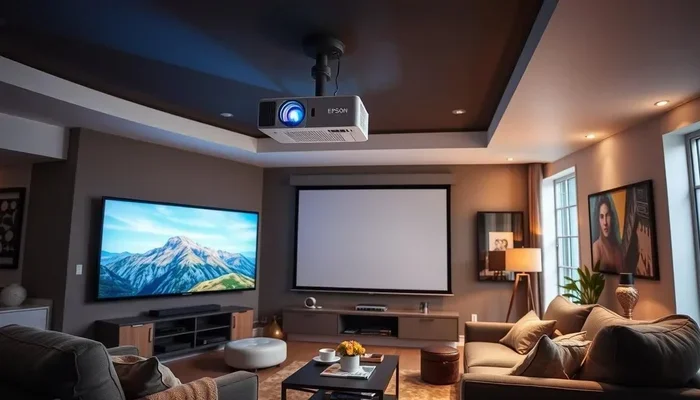
Can You Buy Movie Theater Projectors For Your Home Cinema
Yes, you can absolutely buy movie theater projectors for your home cinema. Today’s home entertainment projectors deliver stunning picture quality that rivals commercial theaters. From 4K resolution to laser brightness, modern cinema projectors make it easy to transform any room into a private movie screening room. This guide covers everything you need to know about choosing, buying, and setting up a home theater projector that fits your budget and space.
Have you ever sat in a dark movie theater and thought, “I want this experience in my own living room”? The good news is that you can buy movie theater projectors for your home cinema. The technology has come a long way, and today’s projectors deliver picture quality that would impress even the most picky moviegoer.
Whether you are a casual movie watcher or a serious home theater enthusiast, finding the right home theater projector is easier than ever. But with so many options on the market, it can feel overwhelming. That is exactly why we put together this guide. We will walk you through everything you need to know about buying a cinema projector for your home setup.
From understanding the different types of projectors to picking the right resolution and brightness, this article covers it all. By the end, you will feel confident about making a purchase that brings the big screen right into your living room.
Key Takeaways
- Movie theater projectors are available for home use: You can purchase commercial-grade cinema projectors or consumer models that deliver a similar cinematic experience.
- Multiple projector types exist: DLP, LCD, and laser projectors each offer unique benefits for home cinema setups.
- Key features matter: Resolution, brightness, contrast ratio, and throw distance determine the quality of your projected image.
- Setup is easier than you think: With the right projector mount, screen, and room adjustments, you can create a professional-looking home theater.
- Budget options are available: You don’t need to spend thousands to enjoy a great projector experience for your home cinema.
- Avoid common mistakes: Room lighting, screen choice, and projector placement all impact your viewing experience significantly.
📑 Table of Contents
Understanding Movie Theater Projectors
The term “movie theater projector” can mean a few different things. In commercial cinemas, projectors are large, powerful machines that project films onto massive screens. These units cost thousands of dollars and require professional installation. But the good news is that technology has trickled down to consumer models.
Today, you can find home cinema projectors that offer many of the same features found in commercial theaters. Brands like Epson, BenQ, Optoma, and Sony manufacture projectors designed specifically for home use. These consumer models are more affordable, easier to set up, and still deliver incredible image quality.
So what makes a projector suitable for a home cinema? It comes down to a few key factors. Resolution determines how sharp and detailed the image looks. Brightness affects how well the picture shows in different lighting conditions. And the contrast ratio impacts how deep the blacks go and how vibrant the colors appear.
How Home Projectors Compare to Commercial Ones
Commercial movie theater projectors use extremely powerful light sources and specialized lenses. They can project images onto screens that are 50 feet wide or more. The image quality is breathtaking, but the cost is equally breathtaking. A single commercial projector can cost anywhere from $10,000 to $100,000 or more.
Consumer-grade movie projector for home use is a completely different story. You can get an excellent projector for anywhere between $300 and $3,000. While these units cannot match the raw power of commercial cinema equipment, they deliver a viewing experience that is more than good enough for most home environments.
The gap between commercial and consumer projectors has narrowed significantly in recent years. Laser light sources, 4K resolution, and high dynamic range (HDR) support are now available in affordable home projectors. This means your home cinema setup can come surprisingly close to the real theater experience.
Types of Projectors You Can Buy
Not all projectors are created equal. When you start shopping for a home theater projector, you will encounter several different types. Each type has its own strengths and weaknesses. Understanding these differences will help you make a smarter buying decision.
DLP Projectors
DLP stands for Digital Light Processing. These projectors use tiny mirrors on a chip to reflect light and create images. DLP projectors are known for their sharp image quality and fast response times. They are a popular choice for home cinema projectors because they deliver crisp, clear pictures without visible pixel structure.
One thing to watch out for with DLP projectors is something called the “rainbow effect.” Some viewers may notice brief flashes of color, especially in dark scenes. However, many people never notice this, and newer DLP models have largely eliminated the issue.
LCD Projectors
LCD projectors use liquid crystal displays to produce images. They tend to offer brighter images with more accurate colors compared to DLP models. If you plan to watch movies during the daytime or in a room with some ambient light, an LCD projector might be a better fit.
LCD projectors also tend to be more affordable than their DLP counterparts. They are a solid choice for beginners who are just getting into the world of home entertainment projectors. The main downside is that LCD panels can degrade over time, and the image may not be as sharp as what you get from a high-end DLP model.
Laser Projectors
Laser projectors represent the cutting edge of projector technology. Instead of using a traditional bulb, they use laser diodes as their light source. This means they last much longer, maintain consistent brightness over time, and often deliver superior color accuracy.
If you want the best possible picture quality for your home cinema setup, a laser projector is worth considering. They are more expensive upfront, but their longevity and performance make them a great investment. Many premium 4K projectors now use laser technology.
Short Throw and Ultra Short Throw Projectors
Not everyone has a long room to work with. That is where short throw and ultra short throw projectors come in handy. These projectors can produce a large image from a very short distance away from the screen.
A short throw projector typically needs to be placed about 3 to 6 feet from the screen to create a 100-inch image. An ultra short throw projector can do the same from less than 2 feet away. This makes them perfect for smaller rooms or living spaces where you do not want the projector to be in the way.
Key Features to Look For
Buying a cinema projector is not just about picking the most expensive option. You need to understand what features actually matter for your specific setup. Here are the most important factors to consider.
Resolution
Resolution refers to how many pixels the projector can display. The higher the resolution, the sharper and more detailed the image will be. For a true home cinema experience, you should aim for at least 1080p (Full HD) resolution. However, if you want the best possible picture, a 4K projector is the way to go.
4K projectors display four times the detail of 1080p models. When you are watching a big-budget action movie or a visually stunning animated film, the difference is noticeable. That said, 4K projectors cost more, so consider your budget and how often you will use the projector before making a decision.
Brightness
Brightness is measured in lumens. The higher the lumen count, the brighter the projected image. For a dedicated home theater room where you can control the lighting, a projector with 1,500 to 2,000 lumens is usually sufficient.
If your viewing area has some ambient light or you plan to watch during the day, look for a projector with 3,000 lumens or more. Keep in mind that brightness alone does not determine image quality. A projector with great brightness but poor contrast will still look flat and lifeless.
Contrast Ratio
The projector contrast ratio measures the difference between the brightest whites and the darkest blacks. A higher contrast ratio means more depth and dimension in the image. Dark scenes will look richer, and bright scenes will pop with more vibrancy.
For a true cinematic feel, look for a projector with a contrast ratio of at least 10,000:1. Laser projectors tend to excel in this area, offering contrast ratios that rival or even surpass some commercial cinema equipment.
Throw Ratio
The throw ratio determines how far the projector needs to be from the screen to produce a given image size. This is an important consideration when you are planning your home theater setup.
If you have a long room, a standard throw projector works great. If your space is limited, a short throw projector or ultra short throw projector will save the day. Always measure your available space before making a purchase.
Top Projectors for Home Cinema
To help you get started, here are some of the most popular projectors for home cinema use. These models represent a range of budgets and feature sets, so you can find one that fits your needs.
Budget-Friendly Options
If you are just getting started with home theater projection, you do not need to break the bank. Several projectors under $500 offer excellent value.
- BenQ TH585: A popular choice for beginners. It offers 1080p resolution, 3,500 lumens of brightness, and great color accuracy. Perfect for a casual movie night setup.
- Epson Home Cinema 880: An LCD projector that delivers bright, vibrant images. It is a solid option for families who want a big-screen experience without spending a fortune.
- Optoma HD146X: Another strong 1080p option with a high contrast ratio. It is well-suited for both movies and gaming.
Mid-Range Options
If you are willing to spend a bit more, mid-range projectors offer significantly better image quality and more features.
- BenQ TK700STi: A 4K short throw projector that delivers stunning detail. It is a great choice for smaller rooms where you need a short throw distance.
- Epson Home Cinema 3800: A 4K LCD projector with excellent color accuracy and HDR support. It is a favorite among home theater enthusiasts.
- Optoma UHD38: A 4K DLP projector with 4,000 lumens of brightness. It handles ambient light well and produces sharp, detailed images.
Premium Options
For those who want the absolute best, premium projectors deliver commercial-grade performance in a home-friendly package.
- Sony VPL-XW5000ES: A 4K SXRD projector with outstanding contrast and color. It is one of the best consumer projectors available today.
- Epson LS12000: A laser 4K projector with a massive contrast ratio and HDR support. It delivers a truly cinematic experience.
- JVC DLA-NZ9: A 4K native resolution projector with incredible black levels. It is a top choice for serious home cinema fans.
Setting Up Your Home Theater Projector
Once you have chosen your movie theater projector, the next step is setting it up. A good setup makes a huge difference in the quality of your viewing experience. The good news is that setting up a projector is not as complicated as it might seem.
Choosing the Right Screen
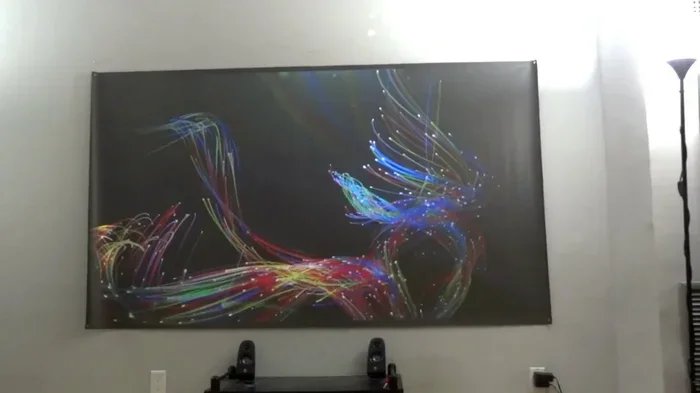
A projector is only half the equation. You also need a quality projector screen to get the best results. A dedicated projection screen will give you a much better image than projecting onto a bare wall.
Consider the size of your room when choosing a screen. A 100-inch to 120-inch screen is a popular choice for home theaters. Make sure the screen has a matte white surface for the best color accuracy and viewing angles.
Mounting the Projector
Most projectors come with a ceiling mount or a table mount. A ceiling mount is the most popular option for home theaters because it keeps the projector out of the way and provides a clean, professional look.
Make sure to position the projector at the correct distance from the screen based on its throw ratio. If you are using a short throw projector, it can sit much closer to the screen, which is ideal for smaller rooms.
Room Lighting and Sound
To get the most out of your home cinema projector, control the lighting in your room. blackout curtains or shades are a great investment. They block outside light and create the dark environment that makes projector images look their best.
Do not forget about sound. Most built-in projector speakers are mediocre at best. Consider adding a soundbar, a surround sound system, or even a sound projector to complete your setup. Great picture quality paired with immersive audio is what makes a true home theater experience.
Common Mistakes to Avoid
Buying a projector is exciting, but there are some common pitfalls that can ruin your experience. Here are a few mistakes to watch out for.
- Buying a projector that is too bright or too dim for your room: Match the projector brightness to your room’s lighting conditions. An overly bright projector in a dark room can wash out the image.
- Ignoring the throw distance: Measure your room before you buy. A projector that is too far or too close from the screen will not produce the image size you want.
- Skipping the screen: Projecting onto a white wall works, but a dedicated screen makes a noticeable difference in image quality.
- Forgetting about ventilation: Projectors generate heat. Make sure there is enough airflow around the unit to prevent overheating and extend its lifespan.
- Neglecting the projector lamp: Traditional bulb projectors have lamps that need to be replaced periodically. Budget for replacement lamps or consider a laser model that does not have this issue.
Expert Insights
According to home theater experts, the biggest mistake people make when buying a projector is focusing too much on one feature and ignoring the rest. A projector with incredible resolution but poor brightness will struggle in any room with ambient light. Similarly, a bright projector with low contrast will look flat and uninteresting.
Experts also recommend testing your projector in your actual viewing space before committing to a purchase. Many retailers allow you to bring a projector home for a trial period. Take advantage of this to see how the image looks on your wall or screen in your room’s specific lighting conditions.
Another tip from the pros is to invest in a quality HDMI cable and a good source device. Whether you are streaming from a media player, a gaming console, or a laptop, the quality of your source device directly impacts the final image on your screen.
Quick Tips for the Best Home Cinema Experience
- Use a white or gray screen for the best color accuracy and contrast.
- Place the projector at the correct height and distance to avoid keystone distortion.
- Calibrate the projector settings for your specific room and content type.
- Clean the projector filter regularly to prevent dust buildup and overheating.
- Consider a smart projector with built-in streaming apps for a simpler setup.
- Use a surge protector to safeguard your projector from power fluctuations.
- Watch content in the highest quality available to take full advantage of your projector’s resolution.
Key Takeaways
- Movie theater projectors are available for home use: You can purchase commercial-grade cinema projectors or consumer models that deliver a similar cinematic experience.
- Multiple projector types exist: DLP, LCD, and laser projectors each offer unique benefits for home cinema setups.
- Key features matter: Resolution, brightness, contrast ratio, and throw distance determine the quality of your projected image.
- Setup is easier than you think: With the right projector mount, screen, and room adjustments, you can create a professional-looking home theater.
- Budget options are available: You do not need to spend thousands to enjoy a great projector experience for your home cinema.
- Avoid common mistakes: Room lighting, screen choice, and projector placement all impact your viewing experience significantly.
FAQ
Can I really buy the same projectors used in commercial movie theaters?
Yes, you can buy commercial cinema projectors, but they are extremely expensive and require professional installation. Most homeowners are better off with consumer-grade projectors that deliver excellent picture quality at a much more affordable price. Brands like Sony, Epson, and JVC offer consumer models that come surprisingly close to the commercial theater experience.
How much does a good home cinema projector cost?
Home cinema projectors range from about $300 for budget models to over $15,000 for premium options. A solid 1080p projector can be found for $500 to $1,000, while a quality 4K projector typically costs between $1,000 and $5,000. Your budget will depend on how much image quality you want and how often you plan to use the projector.
Do I need a special screen for a home theater projector?
While you can project onto a white wall, a dedicated projector screen significantly improves image quality. A proper screen provides better contrast, color accuracy, and viewing angles. You do not need an expensive screen to get good results, but investing in a quality matte white screen is one of the best upgrades you can make for your home cinema setup.
What is the difference between a short throw and a standard throw projector?
A standard throw projector needs to be placed several feet away from the screen to produce a large image. A short throw projector can create the same size image from a much closer distance. An ultra short throw projector can project a large image from just a few feet away. Short throw projectors are ideal for smaller rooms or spaces where the projector cannot be placed far from the screen.
Can I use a projector for both movies and gaming?
Absolutely. Many modern home theater projectors work great for both movies and gaming. Look for a projector with low input lag and high refresh rates if you plan to use it for gaming. 4K projectors with HDR support deliver stunning visuals for both movies and video games. Just make sure your source device, such as a console or streaming box, supports the resolution you want.
How long do projector lamps last?
Traditional projector lamps typically last between 2,000 and 5,000 hours depending on the model and usage. Laser projectors last significantly longer, often 20,000 hours or more. If you watch movies for a few hours every day, a traditional lamp may need replacement every two to three years. Laser projectors eliminate this maintenance concern entirely, making them a popular choice for serious home cinema enthusiasts.
Conclusion
The answer to the question “Can you buy movie theater projectors for your home cinema?” is a resounding yes. Whether you want a budget-friendly 1080p projector or a premium 4K laser model, there is a projector out there that will bring the big screen experience into your home. The key is understanding your needs, your room, and your budget before making a purchase.
Buying a home theater projector is one of the best investments you can make for your entertainment setup. With the right projector, screen, and sound system, you can enjoy movie nights that feel just like being at the cinema. The technology is more accessible and affordable than ever before, so there has never been a better time to build your own home cinema.
Start by considering the features that matter most to you. Think about the size of your room, the lighting conditions, and the types of content you will be watching. Do your research, compare your options, and most importantly, have fun with the process. Your perfect home cinema setup is waiting for you, and it all starts with choosing the right cinema projector for your space.