Can I Use Wi Fi On A Plane During International Flights
Yes, you can use WiFi on a plane during international flights. Most major airlines now offer in-flight WiFi on long-haul routes. However, the speed, cost, and availability vary a lot. This guide covers everything you need to know about WiFi on planes for international travel. Read on to learn how it works, what it costs, and how to get the best experience.
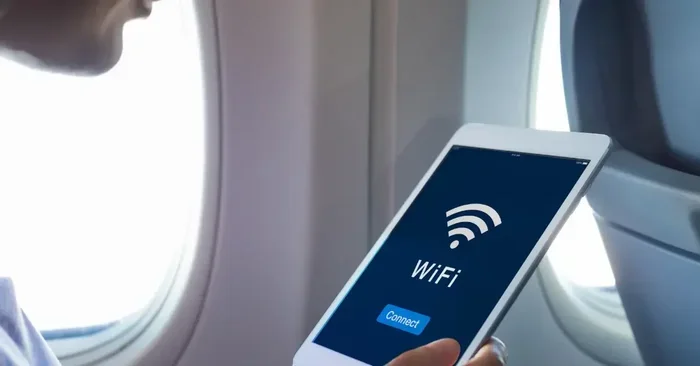
Have you ever looked out the window of a plane at 35,000 feet and wondered if you could check your email? Or maybe you wanted to binge a show during a long international flight and needed to know if wifi on planes actually works. The short answer is yes. The longer answer is that it depends on the airline, the route, and the type of in-flight connectivity system they use.
Can I use WiFi on a plane during international flights? This is one of the most common questions travelers ask before booking a long-haul ticket. The good news is that airplane internet has come a very long way in the last few years. What used to be slow and expensive is now faster and more accessible than ever. Airlines around the world are investing heavily in inflight wifi service to keep passengers happy.
In this guide, we will walk you through everything you need to know. We will cover how wifi on aircraft actually works, which airlines offer it, what it costs, and how to get the best experience. Whether you are a frequent flyer or planning your first international trip, this article has you covered.
Key Takeaways
- WiFi on planes is available: Most airlines offer in-flight WiFi on international routes, though availability varies by carrier and route.
- Two main systems power airplane internet: Satellite-based and air-to-ground systems connect you while you fly at cruising altitude.
- Costs range from free to $30+: Some airlines offer free WiFi, while others charge per device or per flight duration.
- Speeds are improving: Newer technology means faster connections, though wifi streaming on planes may still be limited on some routes.
- Prep work helps a lot: Downloading content before your flight ensures you stay entertained even if the connection is weak.
- Security matters: Always use a VPN when connecting to public WiFi on planes for safer browsing and data protection.
📑 Table of Contents
- Can I Use WiFi On A Plane During International Flights?
- How In-Flight WiFi Works on International Routes
- Airline WiFi Options and Plans for International Travel
- How Much Does WiFi on a Plane Cost?
- Tips for Getting the Best WiFi Experience on a Plane
- Common Problems with WiFi on International Flights
- What the Future Holds for WiFi on International Flights
- Conclusion
Can I Use WiFi On A Plane During International Flights?
The simple answer is yes. You can use WiFi on a plane during international flights on most major airlines. But not all flights have it. And not all WiFi is the same. Some connections let you stream movies. Others barely let you send a text message.
Here is what you need to know. In-flight internet access depends on several factors. The airline you fly matters. The aircraft model matters. The route matters too. A flight from New York to London is more likely to have strong WiFi than a small regional hop between two cities.
Most international carriers now offer some form of airline wifi options. Airlines like Delta, United, American, Emirates, Qatar Airways, and British Airways all provide inflight wifi service on many of their long-haul planes. Low-cost carriers are catching up too, though they may charge more or offer slower speeds.
Before you fly, always check the airline’s website. Look for details about wifi on international flights for that specific aircraft. You can also use apps like Wi-Fi Map or the airline’s own app to confirm what is available. This small step can save you from disappointment at 30,000 feet.
Quick Tip: If staying connected is important to you, choose airlines that offer free WiFi when possible. Airlines like JetBlue and Norwegian have led the way in free inflight wifi service on many routes.
How In-Flight WiFi Works on International Routes
Understanding how wifi on planes works helps you set realistic expectations. The technology is quite different from your home WiFi. There are two main systems that airlines use to connect you to the internet while you fly.
Satellite-Based WiFi Systems
Satellite-based systems are the most common on international flights. Here is how they work. The plane has a small antenna on the top of the fuselage. This antenna connects to satellites orbiting the Earth. The satellites then relay your data to ground stations on the ground. From there, it goes to the regular internet.
This system works well over oceans and remote areas. That is a big deal for international flights that cross vast stretches of water. Satellite-based airplane internet has improved a lot in recent years. Older systems used narrowband connections that were very slow. Newer systems use broadband satellite technology that is much faster.
Companies like Viasat and Inmarsat are the big players in this space. Viasat, in particular, has been upgrading its satellite fleet. This means faster airplane wifi speed on many routes. Some airlines now offer speeds that rival home broadband connections.
However, satellite WiFi is not perfect. The connection can be spotty during takeoff and landing. And during peak travel times, the shared bandwidth can slow things down. Think of it like a crowded coffee shop WiFi network. The more people using it, the slower it gets for everyone.
Air-to-Ground WiFi Systems
The second main system is air-to-ground WiFi. This works differently. Instead of satellites, the plane connects to cell towers on the ground. As the plane moves, it hands off from one tower to the next. This is similar to how your phone connects to cell towers while you drive.
Air-to-ground systems work well over land. They are faster and often cheaper to operate than satellite systems. Airlines like Gogo (now part of Intelsat) have powered this technology for years. However, air-to-ground WiFi does not work over oceans or large bodies of water.
For international flights, satellite-based systems are more common. This is because most long-haul routes cross oceans. Air-to-ground systems are more common on domestic flights or short international hops over land. Some airlines use a hybrid approach that combines both systems.
Expert Insight: The type of system matters for your experience. Satellite WiFi tends to be more consistent on international routes. Air-to-ground WiFi can be faster in areas with good ground coverage. Knowing which system your flight uses helps you set the right expectations for wifi streaming on planes and video calls.
Airline WiFi Options and Plans for International Travel
Not all airline WiFi is created equal. Some airlines offer free in-flight connectivity. Others charge a lot. And some are somewhere in between. Let us look at the main options airlines offer for wifi on international flights.
Free vs Paid WiFi
Free WiFi on planes is becoming more common, but it is still not the norm on all international routes. Here are the main models airlines use:
- Free unlimited WiFi: A few airlines offer free WiFi on all flights. JetBlue is a leader here. They provide free inflight wifi service on most of their planes. Norwegian Air also offered free WiFi on many international routes, though their business has changed.
- Free basic WiFi: Some airlines offer free basic messaging. You can use iMessage, WhatsApp, or Facebook Messenger at no cost. But streaming and browsing may require a paid plan. United and Delta have used this model on some routes.
- Paid WiFi with passes: Many airlines charge for full internet access. You can buy a day pass, a monthly pass, or a single-flight pass. Prices vary widely. We will cover costs in detail in the next section.
- Tiered pricing: Some airlines offer different speed tiers. You can pay more for faster speeds or less for basic browsing. This gives you choice based on your needs and budget.
Which Airlines Offer WiFi on International Routes
Here is a look at how some major airlines handle airplane wifi speed and access on international flights:
| Airline | WiFi Available | Cost Model | Typical Speed |
|---|---|---|---|
| Delta Air Lines | Yes (most aircraft) | Paid (passes available) | Moderate to Fast |
| United Airlines | Yes (most international aircraft) | Paid (tiered plans) | Moderate |
| American Airlines | Yes (most international aircraft) | Paid (day passes) | Moderate |
| JetBlue | Yes (most aircraft) | Free unlimited | Fast |
| Emirates | Yes (most aircraft) | Paid or free (varies) | Fast |
| Qatar Airways | Yes (most aircraft) | Paid (free on some routes) | Moderate to Fast |
| British Airways | Yes (most long-haul aircraft) | Paid (varies by route) | Moderate |
| Southwest Airlines | Yes (most aircraft) | Paid (monthly plans) | Moderate |
Note: This table is a general guide. WiFi availability can change based on the specific aircraft assigned to your flight. Always confirm with the airline before you travel.
Quick Tip: If you fly frequently, look into monthly WiFi plans. Many airlines offer subscriptions that save you money over buying individual passes. Delta, for example, offers a monthly plan that works across all their flights. This is great for frequent international travelers who need internet on flights regularly.
How Much Does WiFi on a Plane Cost?
The cost of inflight wifi cost varies a lot. It depends on the airline, the route, and the type of plan you choose. Let us break down what you can expect.
Pricing by Airline
Here are some general price ranges for wifi on aircraft on international flights:
- Free: JetBlue offers free WiFi on most flights. Some airlines offer free basic messaging on certain routes.
- $5 to $10 for a single flight: Many airlines charge around $7 to $10 for a day pass. This gives you several hours of internet access.
- $15 to $30 for a full day: Some airlines charge more for faster speeds or full-day access. International flights that are 10+ hours may require a full-day pass.
- $50+ for monthly plans: If you fly often, monthly plans can be a good deal. They typically cost between $50 and $70 per month for unlimited access.
Prices also vary by region. International flights to Asia or Europe may cost more than domestic flights within the same airline. Always check the airline’s WiFi page for current pricing before you book.
WiFi Pass Options and Deals
Most airlines offer different types of wifi pass on flights options:
- Single-flight pass: One-time access for one flight. Good for occasional travelers.
- Day pass: Unlimited access for 24 hours. Great for long international flights with layovers.
- Monthly pass: Unlimited access for 30 days. Best for frequent flyers.
- Annual pass: Some airlines offer yearly plans. These save the most money for regular travelers.
Expert Insight: The best deal is often the monthly or annual plan if you fly more than twice a month. Calculate the cost per flight and compare it to buying individual passes. You may be surprised at how much you save. Also, look for airline credit card perks. Many co-branded credit cards offer free or discounted airline wifi options as a benefit.
Common Mistake: Do not wait until you are in the air to buy WiFi. Prices may be higher at that point. Purchase your pass before you board. Most airlines let you buy WiFi access through their app or website before your flight.
Tips for Getting the Best WiFi Experience on a Plane
Getting good WiFi on a plane is not just luck. There are things you can do to improve your experience. Here are some practical tips that make a real difference.
What to Do Before You Board
- Check WiFi availability: Look up your specific flight on the airline’s website. Confirm that the aircraft has WiFi. Not every plane in an airline’s fleet is equipped.
- Download content beforehand: Download movies, shows, music, and podcasts before you leave home. This way, you have entertainment even if the WiFi is slow or unavailable.
- Buy your WiFi pass early: Purchase your pass before you get to the airport. This saves time and sometimes money.
- Charge all your devices: WiFi can drain your battery faster. Make sure your phone, tablet, and laptop are fully charged before boarding.
- Bring a portable charger: A good power bank can keep your devices going through a long flight, especially if you are using WiFi heavily.
Managing Expectations While in the Air
- Connect early: WiFi usually becomes available once the plane reaches cruising altitude. Connect as soon as it is available so you have more time to get things done.
- Avoid peak times: If everyone on the plane logs on at the same time, speeds will drop. Spread out your usage throughout the flight for a better experience.
- Use lightweight apps: Text-based apps like WhatsApp and iMessage use very little data. Heavy apps like video streaming use a lot. Stick to lighter apps if the connection is slow.
- Use offline mode: Many apps let you work offline and sync later. Use this feature for emails and documents when the connection is weak.
- Close unused apps: Apps running in the background use data and slow things down. Close any apps you are not actively using.
Quick Tip: A VPN (Virtual Private Network) is a great tool for public WiFi on planes. It encrypts your data and keeps your browsing safe. Plus, some VPNs can help you bypass speed throttling that airlines sometimes apply to heavy data users.
Common Problems with WiFi on International Flights
Despite all the improvements, wifi on planes still has its challenges. Knowing these problems in advance helps you plan better.
Slow Speeds and Disconnections
This is the most common complaint about airplane internet. Slow speeds happen for a few reasons:
- Shared bandwidth: Everyone on the plane shares the same connection. On a full flight with 300 passengers, the bandwidth gets split many ways.
- Satellite limitations: Even the best satellite systems have limits. When many people are streaming video at once, the system gets overwhelmed.
- Weather interference: Bad weather can disrupt satellite signals. This is rare but it does happen on some routes.
- Old aircraft equipment: Not all planes have the latest WiFi gear. Older aircraft may have slower systems that cannot handle modern data demands.
The best way to deal with slow speeds is to adjust your expectations. Use the time for email, reading, or light browsing. Save heavy tasks like video calls for when you land or for a time when fewer people are online.
Security Concerns with Public WiFi on Planes
Any public WiFi network has security risks. Public WiFi on planes is no different. Here is what you should know:
- Use a VPN: A VPN encrypts your internet traffic. This is the single best thing you can do to protect your data on any public WiFi network.
- Avoid sensitive transactions: Try not to do online banking or enter sensitive passwords on plane WiFi. If you must, use a VPN.
- Turn off auto-connect: Some devices automatically connect to open WiFi networks. Turn this off so your device does not connect to a fake network set up by a bad actor.
- Keep your software updated: Make sure your operating system and apps are up to date. Updates often include security patches that protect you on public networks.
Common Mistake: Many people skip using a VPN on plane WiFi because the flight is short or they think it does not matter. This is a risky habit. Always use a VPN on any public WiFi network, including wifi on aircraft. Your personal data is worth the small effort.
What the Future Holds for WiFi on International Flights
The future of in-flight connectivity looks very promising. Airlines and tech companies are working on exciting improvements.
One big development is the use of Low Earth Orbit (LEO) satellite constellations. Companies like Starlink (owned by SpaceX) are launching thousands of small satellites into low orbit. These satellites are much closer to Earth than traditional ones. This means faster speeds and lower latency. Several airlines are already testing Starlink WiFi on their planes. The results so far are very encouraging.
Another trend is the move toward faster and more consistent connections. Airlines are upgrading their ground infrastructure and aircraft equipment. This means better airplane wifi speed on more routes in the coming years.
Some experts believe that free WiFi will become standard on all flights within the next decade. Airlines see it as a way to attract customers. Just like free checked bags or in-flight entertainment, WiFi is becoming a basic expectation for many travelers.
Quick Tip: If you are planning international travel in the next few years, keep an eye on which airlines are adopting the newest WiFi technology. Airlines that invest in LEO satellite WiFi will offer the best in-flight internet access on the market.
Expert Insight: The gap between ground WiFi and inflight wifi service is closing fast. Within a few years, many passengers may not even notice the difference between their home WiFi and their WiFi at cruising altitude. This will transform the flying experience for millions of travelers worldwide.
Conclusion
So, can I use WiFi on a plane during international flights? The answer is a clear yes. Most major airlines now offer in-flight WiFi on their international routes. The technology has improved dramatically. Speeds are faster. Costs are more reasonable. And more airlines are offering free or low-cost options every year.
That said, wifi on planes is not perfect yet. Speeds can vary. Connections can drop. And not every flight has it. But by following the tips in this guide, you can set yourself up for a much better experience.
Remember to check WiFi availability before you fly. Buy your pass early. Use a VPN for security. And always have offline entertainment as a backup. With a little planning, you can stay connected even at 35,000 feet.
The bottom line is this: internet on flights is no longer a luxury. It is becoming a standard feature of air travel. Whether you are working, streaming, or just staying in touch with family, in-flight connectivity makes long international flights more manageable and even enjoyable. So next time you book a flight, do not worry about being offline. Just make sure you know what your airline offers, and you will be all set.
Frequently Asked Questions
Is WiFi on planes free?
Some airlines offer free WiFi, but it is not universal. JetBlue is a well-known example of an airline with free unlimited WiFi. Other airlines offer free basic messaging but charge for full internet access. Always check with your specific airline before you fly.
Can I stream Netflix or YouTube on a plane?
Yes, you can stream on some flights, but it depends on the WiFi speed and how many people are using the connection. On flights with faster satellite WiFi, streaming works well. On slower connections, you may need to download content before your flight instead.
Does WiFi work on all international flights?
No, not all international flights have WiFi. Availability depends on the airline, the aircraft type, and the route. Always check with the airline ahead of time to confirm that WiFi is available on your specific flight.
Can I use WiFi on a plane for video calls?
You can, but it depends on the connection quality. Video calls need a stable and fast connection. On some flights with good WiFi, video calls work fine. On others, the connection may be too slow or unstable for smooth video. Always test the connection before joining an important call.
Is WiFi on planes safe to use?
Yes, it is generally safe. However, because it is a public WiFi network, you should take precautions. Use a VPN, avoid sensitive transactions, and keep your devices updated. These simple steps keep your data safe while you browse at cruising altitude.
How do I buy WiFi for my flight?
Most airlines let you buy WiFi through their app or website before your flight. You can also purchase it through the airline’s in-flight portal once you connect. Buying before you board is usually the easiest and sometimes cheapest option.