Do Bluetooth Headphones Sound As Good As Wired Ones
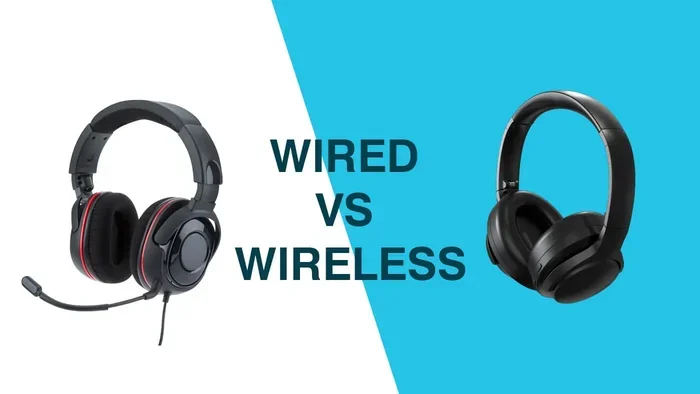
The debate between Bluetooth and wired headphones comes down to audio quality, convenience, and use case. Modern Bluetooth technology has closed the gap significantly, but wired headphones still hold an edge in pure sound fidelity. This guide breaks down everything you need to know about do Bluetooth headphones sound as good as wired options so you can make a confident choice.
Have you ever wondered if do Bluetooth headphones sound as good as wired ones? It is a question that has sparked debate among music lovers, gamers, and casual listeners for years. The short answer is that modern Bluetooth headphones come surprisingly close, but they are not quite identical in every way.
Wireless technology has come a long way in the last decade. What once felt like a compromise in audio quality now delivers a rich, immersive listening experience. Still, there are situations where wired headphones pull ahead. Let us dive deep into this comparison so you can figure out what works best for you.
Whether you are commuting to work, gaming at home, or just relaxing with your favorite playlist, the right headphones make all the difference. This guide covers everything from audio codecs to real-world performance. By the end, you will know exactly what to look for when choosing between wireless and wired options.
Key Takeaways
- Bluetooth codecs have improved dramatically: Modern codecs like aptX and LDAC deliver near-wired quality for most listeners.
- Wired headphones still win in pure audio fidelity: Uncompressed audio signals give wired connections a slight edge for audiophiles.
- Latency matters for gaming and video: Bluetooth introduces a small delay that wired headphones avoid entirely.
- Convenience and portability favor wireless: No cables means freedom of movement and easier storage.
- Battery life is a factor: Wireless headphones need charging, while wired ones work as long as they are plugged in.
- Price varies widely in both categories: You can find great options at every budget level.
- The best choice depends on your needs: Consider where and how you use your headphones most.
📑 Table of Contents
- Understanding Bluetooth Headphones vs Wired Headphones
- Bluetooth Codecs: The Secret to Wireless Sound Quality
- Sound Quality Comparison: Bluetooth vs Wired
- Latency and Real-World Performance
- Convenience and Lifestyle Factors
- Can You Use Bluetooth Headphones with Different Devices?
- Price Comparison: Bluetooth vs Wired
- Common Mistakes People Make When Choosing Between Bluetooth and Wired
- Expert Tips for Getting the Best Sound from Bluetooth Headphones
- The Future of Wireless Audio
- Conclusion
Understanding Bluetooth Headphones vs Wired Headphones
The core difference between Bluetooth and wired headphones lies in how they receive audio signals. Wired headphones use a physical cable to carry an uncompressed electrical signal from your device to the drivers. Bluetooth headphones use radio waves to transmit audio data wirelessly, which then gets decoded and converted back into sound.
This process might sound simple, but it involves several steps that can affect your listening experience. Let us break down what happens behind the scenes.
How Wired Headphones Deliver Sound
Wired headphones connect directly to your device through a 3.5mm jack or USB-C port. The audio signal travels through the cable without any compression. This means the sound that reaches your ears is as close to the original recording as possible.
Here is what makes wired headphones special:
- Uncompressed audio signal: No data is lost during transmission.
- Zero latency: Sound reaches your ears instantly with no delay.
- No battery needed: They work as long as your device is powered on.
- Consistent performance: No interference from other wireless devices.
For audiophiles and professionals, these advantages matter a lot. When you are mixing music or editing audio, even the smallest loss in quality can be noticeable. Wired headphones give you the most accurate representation of sound because nothing stands between your device and your ears.
How Bluetooth Headphones Deliver Sound
Bluetooth headphones use a wireless protocol to send audio data from your phone, computer, or TV to the headphones. This data gets compressed into a Bluetooth codec, transmitted through the air, and then decompressed inside the headphones.
The process works like this:
- Your device encodes the audio into a Bluetooth codec.
- The encoded data travels as a radio signal to your headphones.
- The headphones decode the signal back into an audio waveform.
- The internal drivers convert the waveform into sound.
Each step in this chain introduces a small opportunity for quality loss. However, modern Bluetooth codecs have become incredibly efficient. The difference between wired and wireless is now much smaller than it used to be.
Bluetooth Codecs: The Secret to Wireless Sound Quality
If you are asking do Bluetooth headphones sound as good as wired, understanding codecs is essential. A Bluetooth codec is the software that compresses and decompresses audio data for wireless transmission. Think of it as a language that your device and headphones use to talk to each other.
Common Bluetooth Codecs
Not all Bluetooth codecs are created equal. Here are the most important ones to know:
- SBC (Sub-Band Coding): The default codec for all Bluetooth devices. It provides basic audio quality but does not deliver the best sound.
- aptX: A step up from SBC. It offers better sound quality and is widely supported across Android devices.
- aptX HD: An enhanced version that delivers high-definition audio over Bluetooth.
- aptX Adaptive: The latest aptX standard. It balances audio quality with low latency for gaming and video.
- LDAC: Sony’s codec that supports very high bitrates. It comes close to wired quality for many listeners.
- LC3 (used with LE Audio): The newest Bluetooth audio standard. It promises even better efficiency and quality.
The codec your device supports depends on both your phone or computer and your headphones. If your phone supports aptX but your headphones only support SBC, they will fall back to the lower-quality codec. Matching codecs on both devices is key to getting the best wireless sound.
Which Codec Sounds Best?
LDAC and aptX Adaptive currently lead the pack in wireless audio quality. They can transmit audio at bitrates that approach CD-quality sound. For most casual listeners, the difference between these codecs and a wired connection is hard to notice.
However, trained ears and professional audio engineers may still detect subtle differences. The compression used in Bluetooth codecs, even the best ones, removes some of the fine details that uncompressed wired signals preserve.
Sound Quality Comparison: Bluetooth vs Wired
So, do Bluetooth headphones sound as good as wired ones in everyday use? The answer depends on several factors, including your listening environment, the type of music you enjoy, and your personal sensitivity to audio differences.
What Most Listeners Will Notice
For the average listener using common genres like pop, rock, hip-hop, and electronic music, the gap between Bluetooth and wired headphones has become very small. Modern Bluetooth headphones with good codecs deliver clear vocals, strong bass, and detailed highs that rival many wired options.
Here are some areas where Bluetooth holds its own:
- Mid-range clarity: Bluetooth headphones often match wired performance in the most important part of the frequency spectrum.
- Bass response: Many wireless headphones deliver punchy, satisfying bass that rivals or exceeds wired alternatives.
- Overall volume: Wireless and wired headphones can achieve similar maximum volume levels.
- Noise isolation: Both types offer passive and active noise cancellation options.
Where Wired Headphones Still Win
Despite the impressive progress in Bluetooth audio, wired headphones maintain advantages in a few key areas:
- High-frequency detail: Uncompressed signals preserve more subtle details in the treble range.
- Soundstage: Some listeners report a wider, more spacious sound from wired headphones.
- Dynamic range: Wired connections can handle sudden volume changes and complex passages with more precision.
- Consistency: Wired audio does not vary based on your distance from the source device.
If you are a serious music listener who picks up on subtle details, wired headphones may still be your best bet. But for everyday listening, the difference is often negligible.
Latency and Real-World Performance
One area where Bluetooth headphones clearly lag behind wired ones is latency. Latency is the delay between when audio is produced by your device and when you hear it through your headphones.
Why Latency Matters
Latency might not matter much when you are listening to music on the bus. But it becomes a real problem in certain situations:
- Gaming: Even a small delay can throw off your timing in fast-paced games.
- Video watching: You may notice audio and video getting out of sync.
- Recording and production: Musicians need instant audio feedback when tracking vocals or instruments.
Modern Bluetooth codecs like aptX Adaptive and LE Audio have reduced latency significantly. Some can achieve delays under 40 milliseconds, which is acceptable for most casual use. But for professional applications, wired connections remain the gold standard.
Bluetooth Range and Interference
Another factor that affects Bluetooth sound quality is range and interference. Bluetooth signals can weaken or get disrupted by walls, other wireless devices, and even microwaves. Wired headphones do not face these issues because the signal travels through a protected cable.
In a quiet room with your device nearby, Bluetooth performance is excellent. But move to a crowded coffee shop or walk far from your phone, and you might notice drops in audio quality. This is another area where wired headphones maintain a clear advantage.
Convenience and Lifestyle Factors
Sound quality is not the only thing that matters when choosing headphones. Convenience, portability, and lifestyle fit play a huge role in the Bluetooth vs wired debate.
Why People Choose Bluetooth Headphones
Wireless headphones offer freedom that wired options simply cannot match. You can move around your room, cook dinner, or exercise without worrying about tangled cables. This convenience factor is a game-changer for many users.
Consider these lifestyle benefits:
- No cable clutter: Keep your bag and desk tidy.
- Easy pairing: Most modern devices connect to Bluetooth headphones in seconds.
- Multi-device switching: Many wireless headphones can connect to your phone and laptop at the same time.
- Portable charging cases: Many Bluetooth earbuds come with cases that give you extra charges on the go.
Some people also use their Bluetooth headphones to stream radio wirelessly around the house, which is much easier without cables. The wireless freedom opens up use cases that wired headphones simply cannot support.
When Wired Headphones Make More Sense
Wired headphones still shine in specific scenarios. If you work in a studio, attend live events, or spend long hours at a desk, the reliability of a wired connection can be invaluable.
Wired headphones are also a smart choice when:
- You want zero maintenance: No battery to charge, no firmware to update.
- You need guaranteed performance: No risk of signal drops or interference.
- You are on a tight budget: Many excellent wired headphones cost less than their wireless counterparts.
- You travel frequently: Some airlines and planes still use wired audio systems.
Can You Use Bluetooth Headphones with Different Devices?
One of the great things about Bluetooth headphones is their versatility. You can connect them to phones, tablets, laptops, smart TVs, and even some gaming consoles. However, the experience varies depending on the device.
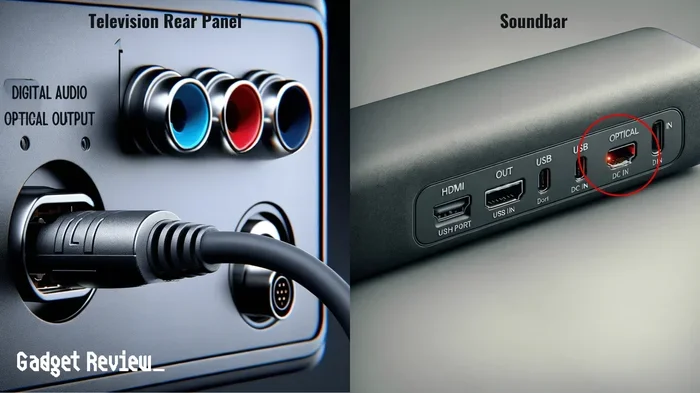
For example, if you want to connect Bluetooth headphones to your television, you may need to check if your TV supports Bluetooth natively. Some older models do not, but you can make your TV Bluetooth-capable using a simple adapter. This opens up a whole new world of wireless audio from your living room.
Similarly, if you want to pair your headphones with an LG TV, the process is usually straightforward. You can pair Bluetooth headphones to your LG TV through the settings menu, and many LG models support multiple Bluetooth connections at once. This means you can watch late-night shows without disturbing anyone else in the house.
Modern Bluetooth headphones also work well for communication. Many models include built-in microphones that let you talk through Bluetooth headphones during calls or voice chats. The microphone quality has improved dramatically, making wireless headsets a practical choice for work and gaming.
Price Comparison: Bluetooth vs Wired
Budget plays a big role in headphone decisions. Let us look at how the price landscape compares between wireless and wired options.
| Category | Wired Headphones | Bluetooth Headphones |
|---|---|---|
| Budget (under $50) | Excellent options available | Limited but growing |
| Mid-range ($50-$150) | Great sound quality | Best value for most users |
| Premium ($150-$300) | High-end audiophile options | Flagship features and ANC |
| Ultra-premium ($300+) | Studio-grade reference headphones | Top-tier wireless with all features |
In general, Bluetooth headphones tend to cost more at every price point because of the added wireless technology and battery components. However, the price gap has narrowed significantly over the years. You can now find excellent Bluetooth headphones in the mid-range that rival wired options costing twice as much.
Common Mistakes People Make When Choosing Between Bluetooth and Wired
Avoid these common pitfalls when deciding between wireless and wired headphones:
- Assuming all Bluetooth is the same: The codec support on your device matters a lot. A cheap Bluetooth headset with only SBC will sound worse than a good wired pair.
- Ignoring battery life: If you forget to charge your headphones, you cannot use them. Always consider how often you need to charge.
- Overlooking comfort: Wireless headphones are often lighter and more comfortable for long listening sessions, but this varies by model.
- Focusing only on brand: A well-known brand does not always mean better sound. Read reviews and test if possible.
- Neglecting your use case: A pair perfect for the gym may not work for studio recording, and vice versa.
These mistakes can lead you to buy headphones that do not fit your needs. Take time to think about where and how you will use them most often.
Expert Tips for Getting the Best Sound from Bluetooth Headphones
Want to squeeze every bit of quality out of your wireless headphones? Follow these tips:
- Use the latest Bluetooth version: Bluetooth 5.0 and newer offer better range, stability, and audio quality than older versions.
- Check codec compatibility: Make sure both your source device and headphones support the same high-quality codec.
- Keep your headphones charged: Low battery can reduce audio quality and increase latency.
- Stay within range: Keep your source device within 30 feet for the best signal strength.
- Update firmware: Many Bluetooth headphones receive audio improvements through firmware updates.
- Use a good source: High-quality audio files (FLAC or lossless) sound better than heavily compressed MP3s, even over Bluetooth.
By following these steps, you can get surprisingly close to wired-quality sound from your Bluetooth headphones. The technology is genuinely impressive when you use it correctly.
The Future of Wireless Audio
The gap between Bluetooth and wired audio continues to shrink. New technologies like LE Audio and the LC3 codec are set to revolutionize wireless sound. These innovations promise even lower latency, better battery efficiency, and audio quality that rivals wired connections for nearly all listeners.
Some experts believe that within a few years, the differences between Bluetooth and wired headphones will be imperceptible to most people. Until then, both options have their place in the audio world.
If you are still wondering do Bluetooth headphones sound as good as wired, the honest answer is: for most people, in most situations, yes they do. The convenience and freedom of wireless headphones make them the better choice for everyday use. Audiophiles and professionals may still prefer the uncompromised quality of wired connections.
Conclusion
The question of whether Bluetooth headphones sound as good as wired ones does not have a single answer. It depends on your ears, your needs, and how you use your headphones. Modern Bluetooth technology has made incredible strides, and for the vast majority of listeners, the difference is minimal or nonexistent.
Wired headphones still hold the crown in pure audio fidelity, zero latency, and consistent performance. But Bluetooth headphones win on convenience, portability, and versatility. The best choice is the one that fits your lifestyle and listening habits.
Take some time to try both options if you can. Your ears are the ultimate judge. Whether you choose wireless or wired, what matters most is that you enjoy the music, podcasts, and audio that fill your daily life.
Frequently Asked Questions
Do Bluetooth headphones lose sound quality compared to wired?
Bluetooth headphones can lose a small amount of sound quality due to audio compression during wireless transmission. However, modern codecs like aptX and LDAC minimize this loss, and for most listeners, the difference is barely noticeable in everyday use.
Can you tell the difference between Bluetooth and wired headphones?
Trained ears and audiophiles may notice subtle differences in high-frequency detail and soundstage. For the average listener, the difference is often minimal, especially with good Bluetooth codecs and quality headphones.
Are Bluetooth headphones worth buying over wired ones?
Yes, for most people Bluetooth headphones are worth it. The convenience, portability, and freedom from cables make them a practical choice for everyday use, commuting, exercise, and casual listening.
Do Bluetooth headphones have more latency than wired?
Yes, Bluetooth headphones introduce a small delay compared to wired ones. Modern codecs like aptX Adaptive have reduced this latency to under 40 milliseconds, which is acceptable for most uses but still noticeable in gaming and professional audio work.
Which Bluetooth codec sounds the best?
LDAC and aptX Adaptive are currently the best Bluetooth codecs for sound quality. They support high bitrates that come close to CD-quality audio and are supported by many modern smartphones and headphones.
Do Bluetooth headphones work with all devices?
Most modern devices support Bluetooth, including phones, tablets, laptops, and smart TVs. However, older devices or certain specialized equipment may not have Bluetooth built in. You can add Bluetooth support to some devices using adapters.