Does Pocket Wifi Have A Strict Daily Data Usage Limit
Yes, pocket wifi devices do have data limits. Most portable hotspot plans come with a daily or monthly data cap that affects your internet speed and usage. Understanding these limits helps you avoid extra charges and stay connected without surprises.
Portable wifi has changed the way we stay online. Whether you are traveling for work or heading out on a weekend trip, a pocket wifi device keeps you connected anywhere. But one question comes up again and again: does pocket wifi have a limit?
The short answer is yes. Almost every pocket wifi plan comes with some kind of data limit. These limits can be daily, monthly, or based on a total data allowance. Understanding how these limits work saves you from surprise charges and slow speeds. In this guide, we break down everything you need to know about pocket wifi data caps, usage limits, and how to get the most out of your connection.
If you have ever wondered why your portable hotspot slows down after a few hours or why your data runs out faster than expected, you are in the right place. Let us dive into the details of pocket wifi data limits and how they affect your daily internet use.
Key Takeaways
- Data caps are real: Most pocket wifi plans have a set daily or monthly data allowance that you need to track.
- Throttling happens: Once you hit your limit, your internet speed drops significantly or data gets cut off entirely.
- You can manage usage: Simple tips like lowering video quality and closing background apps help conserve data.
- Plans vary widely: Different carriers and devices offer different data limits, so comparison shopping matters.
- Overage fees add up: Going over your data cap can result in extra charges or slower speeds for the rest of the billing cycle.
- Unlimited plans exist: Some providers offer unlimited data options, but they often slow down after a certain usage threshold.
📑 Table of Contents
- What Is Pocket Wifi And How Does It Work
- Understanding Data Limits On Pocket Wifi Devices
- Does Pocket Wifi Have A Strict Daily Data Usage Limit
- How To Check Your Pocket Wifi Data Usage
- Tips To Manage And Reduce Data Usage On Pocket Wifi
- What Happens When You Exceed Your Pocket Wifi Data Limit
- Comparing Pocket Wifi Plans: Data Limits And Costs
- How To Choose The Right Pocket Wifi Device For Your Needs
- Common Mistakes People Make With Pocket Wifi Data Limits
- Final Thoughts On Pocket Wifi Data Limits
What Is Pocket Wifi And How Does It Work
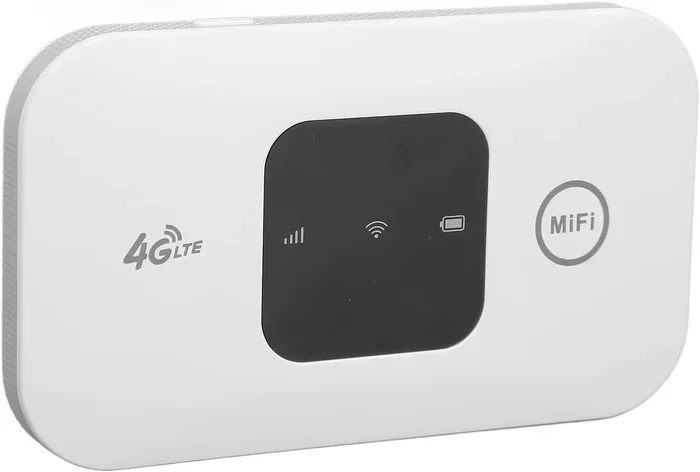
A pocket wifi device is a small, portable gadget that creates a wireless internet connection. It works by pulling a signal from a nearby cellular network and turning it into a wifi hotspot. Think of it as a mini wireless router that fits in your pocket. You can connect phones, tablets, laptops, and other devices to it just like you would connect to a home wifi network.
Most pocket wifi devices run on a SIM card, just like a smartphone. You buy a data plan from a carrier, and the device uses that plan to provide internet access. The quality of your connection depends on several factors, including signal strength, the cellular network in your area, and the data plan you choose.
One thing many people overlook is that your connection speed can vary based on where you are. In a city with strong coverage, you will get faster speeds. In a rural area or a building with thick walls, the signal may weaken. This is why it is important to understand not just the data limit but also how your device performs in different locations.
Understanding Data Limits On Pocket Wifi Devices
Every pocket wifi plan has a data limit. This limit determines how much internet you can use before your speeds drop or your connection gets cut off. But not all limits are the same. Let us look at the different types of data caps you might encounter.
Daily Data Caps
Some pocket wifi plans come with a daily data cap. This means you get a set amount of data each day, usually between 500 MB and 2 GB. Once you use up that amount, your speeds slow down or you lose internet access until the next day resets. Daily caps are common with prepaid wifi plans and travel-specific packages.
For example, if you buy a travel wifi plan for a week-long trip, you might get 1 GB of data per day. That sounds generous at first. But if you stream videos or use navigation apps all day, you can burn through that quickly.
Monthly Data Caps
Monthly data caps are the most common type of limit. You get a set amount of data each month, such as 10 GB, 20 GB, or 50 GB. This works a lot like a cellphone data plan. Once you reach the cap, your provider may charge overage fees or throttle your speeds to a crawl.
Monthly plans are great for people who use pocket wifi as their main internet source or as a backup for home wifi. They give you more flexibility and a longer runway before you hit the limit.
Unlimited Data With Fair Use Policies
Some carriers advertise unlimited data for pocket wifi devices. But there is always a catch. Most unlimited plans come with a fair use policy. This means you can use as much data as you want, but after a certain threshold, your speeds get reduced. For instance, you might get full-speed data up to 15 GB, and then your speeds drop to 3G levels for the rest of the billing cycle.
This is an important distinction. Truly unlimited data without any restrictions is rare. Always read the fine print before signing up for any plan.
Does Pocket Wifi Have A Strict Daily Data Usage Limit
Now let us answer the big question. Does pocket wifi have a strict daily data usage limit? The answer depends on the plan and the provider. Many travel-focused pocket wifi devices do enforce a daily limit. These limits are built into the plan to manage network traffic and keep costs low for the provider.
When you hit a daily data cap, your device will typically slow down or stop working until midnight. Some devices show a warning when you are close to the limit. Others just cut off without notice. This is why tracking your usage throughout the day is so important.
Not all pocket wifi plans have strict daily limits though. Some providers offer flexible plans where you buy a set amount of data and use it over any period. These are more forgiving and work well for occasional travelers who do not need a full day of heavy data use.
If you are trying to decide between a daily plan and a monthly plan, think about how often you travel and how much data you typically use. A daily plan might work great for short trips, but a monthly plan gives you more breathing room for longer stays or regular use.
How To Check Your Pocket Wifi Data Usage
Keeping track of your data usage is essential if you want to avoid surprises. Most pocket wifi devices come with a way to check your remaining data. Here are the most common methods.
- Device dashboard: Many pocket wifi units have a small screen that shows your data usage. You can check this at any time to see how much data you have left.
- Mobile app: Some carriers offer a companion app for your phone. This app lets you monitor data usage, check your remaining allowance, and even top up your plan on the go.
- Online account portal: If you bought your plan through a carrier website, you can log in to your account to view detailed usage reports and remaining data.
- SMS alerts: Some providers send text message alerts when you are nearing your data cap. This gives you a heads-up before you run out.
Checking your usage regularly helps you stay in control. It also helps you decide when to switch to offline activities or lower your data consumption.
Tips To Manage And Reduce Data Usage On Pocket Wifi
Running out of data too early is frustrating. The good news is there are simple steps you can take to stretch your data allowance and get more out of your pocket wifi device.
Lower Video Streaming Quality
Video streaming uses the most data of any common activity. Watching a video in 1080p can use up to 3 GB per hour. Switching to 480p or 720p cuts that usage dramatically. On a pocket wifi device with a limited data plan, this simple change can add hours of extra browsing time.
Turn Off Background App Refresh
Many apps quietly use data in the background, even when you are not actively using them. Social media apps, email clients, and weather apps are common culprits. Go into your device settings and turn off background app refresh for apps you do not need to update in real time.
Use Offline Maps
Navigation apps like Google Maps use a lot of data when you are driving or walking around a new city. Download offline maps before your trip so you can navigate without using any data. This is a smart trick for travelers who rely on pocket wifi for directions.
Disable Auto-Play Videos
Social media platforms like Facebook, Instagram, and TikTok auto-play videos as you scroll. Each video uses data, even if you do not tap on it. Turn off auto-play in your app settings to save a surprising amount of data over the course of a day.
Connect Only Essential Devices
Pocket wifi devices have a limit on how many devices can connect at once. More connected devices means more data consumed. Only connect the devices you really need, and disconnect ones you are not using. This keeps your data usage lean and your connection fast.
Use Data-Saving Browsers
Some web browsers are designed to use less data. They compress web pages and block heavy content like auto-playing videos and large images. Using a data-saving browser on your phone or laptop can reduce your data usage by 30 to 50 percent.
What Happens When You Exceed Your Pocket Wifi Data Limit
Hitting your data cap is not the end of the world, but it does come with consequences. Here is what typically happens when you go over your limit.
Speed throttling: The most common outcome is that your speeds drop significantly. You might go from fast 4G or 5G speeds to slow 2G or 3G levels. This makes browsing painful and streaming impossible.
Data cutoff: Some plans simply cut off your internet access until the next billing cycle or the next day resets. You will not be able to connect to the internet at all until your data allowance refreshes.
Overage charges: Certain carriers charge extra fees for every gigabyte you go over your limit. These charges can add up fast and make your pocket wifi plan much more expensive than you planned.
Purchase additional data: Some providers let you buy extra data packs on the spot. This is a quick fix, but the per-gigabyte cost is usually much higher than your regular plan rate.
To avoid these issues, always keep an eye on your usage and set up alerts if your device or carrier supports them. Being proactive saves you money and frustration.
Comparing Pocket Wifi Plans: Data Limits And Costs
Not all pocket wifi plans are created equal. Different carriers and devices offer different data limits, speeds, and pricing. Here is a quick comparison of what you might expect from popular pocket wifi options.
- Travel daily plans: These typically offer 500 MB to 2 GB per day. They are ideal for short trips and light browsing. Costs range from $5 to $15 per day depending on the destination and carrier.
- Monthly plans: These offer 5 GB to 50 GB per month. They work well for regular users who need consistent connectivity. Monthly costs range from $20 to $80 depending on the data allowance.
- Unlimited plans with fair use: These provide the most flexibility but slow down after a set usage threshold. They are best for heavy users who need reliable speeds for the first part of the billing cycle.
- Pay-as-you-go plans: These let you buy data in small chunks as you need it. They are great for occasional users who do not want to commit to a monthly plan.
When choosing a plan, think about your typical data usage. If you mostly check email and browse websites, a lower data plan works fine. If you stream videos or video call frequently, you need a plan with a higher data allowance or an unlimited option.
Also keep in mind that your internet provider may offer bundled deals if you already have a cellphone plan with them. Checking with your existing carrier can sometimes save you money and simplify your billing.
How To Choose The Right Pocket Wifi Device For Your Needs
Choosing the right pocket wifi device goes beyond just picking the cheapest option. You need to consider your data needs, travel habits, and the devices you will connect. Here are some factors to keep in mind.
Battery life: A pocket wifi device with a long battery life is a lifesaver, especially when you are on the go. Look for devices that offer at least 8 to 10 hours of continuous use. Some models also allow you to charge the device while using it, which extends your runtime even further.
Coverage area: Most pocket wifi devices can cover a small area of about 10 to 15 meters. This is enough for a small group of people sitting together. If you need coverage for a larger space, look for devices with external antennas or stronger signal boosters.
Network compatibility: Make sure the device supports the cellular bands used in the areas you will be visiting. A device that works on 4G LTE and 5G networks gives you the best compatibility and fastest speeds. If you travel internationally, check that the device supports the frequency bands used in your destination countries.
Ease of use: You do not want a complicated setup process when you are in a hurry. Choose a device that is simple to set up and manage. Many modern pocket wifi units come with a plug-and-play design that requires no technical knowledge.
Data plan flexibility: A good device is only as useful as the plan that supports it. Look for carriers that offer flexible data plans, easy top-ups, and clear pricing. Avoid plans with hidden fees or confusing terms.
Common Mistakes People Make With Pocket Wifi Data Limits
There are a few common mistakes that lead to unexpected data overages and slow speeds. Knowing these pitfalls helps you avoid them.
Not reading the fine print: Many people sign up for a plan without fully understanding the data limits. Always read the terms and conditions to know exactly what your data allowance is and what happens when you exceed it.
Ignoring background data usage: Apps running in the background can eat through your data without you noticing. Check your data usage regularly and close apps you are not actively using.
Assuming unlimited means truly unlimited: As we discussed earlier, most unlimited plans have fair use policies that slow you down after a certain threshold. Do not assume you can stream endlessly without consequences.
Forgetting to reset usage tracking: Some devices track data usage on a rolling basis. If you do not reset your tracking at the start of each billing cycle, your numbers may be inaccurate.
Using pocket wifi for heavy downloads: Downloading large files, games, or software updates on a pocket wifi connection can eat through your data allowance in minutes. Save heavy downloads for when you have access to a home broadband connection.
Avoiding these mistakes keeps your data usage in check and ensures you get the most value from your pocket wifi plan.
Final Thoughts On Pocket Wifi Data Limits
So, does pocket wifi have a strict daily data usage limit? In most cases, yes. But the specifics depend on your plan, your provider, and how you use your device. Daily caps, monthly allowances, and fair-use unlimited plans all have their pros and cons. The key is to choose a plan that matches your usage habits and to stay aware of how much data you are consuming.
Pocket wifi is a powerful tool for staying connected on the go. Whether you are a frequent traveler, a digital nomad, or someone who needs backup internet at home, understanding your data limits puts you in control. With the right plan and a few smart usage habits, you can enjoy reliable internet without worrying about running out of data.
Take the time to compare plans, monitor your usage, and make adjustments as needed. A little effort goes a long way toward keeping your portable hotspot running smoothly and your budget intact.
For more tips on managing your internet connections, check out our article on getting internet at home without a phone line for additional insights on staying connected in different ways. You might also find our guide on extending your wifi to remote areas helpful if you need broader coverage at home. And if you are curious about mesh networking, our piece on connecting Wi-Fi 6 mesh to a Wi-Fi 5 router offers great advice on optimizing your home network setup.
Frequently Asked Questions
Can I use pocket wifi without a data limit?
Truly unlimited pocket wifi without any restrictions is rare. Most providers either cap your data or slow down your speeds after a certain usage threshold. Always check the terms of your plan to understand the exact limits before you commit.
How much data does a pocket wifi use per day?
Daily usage depends on what you do online. Light browsing and email use about 50 to 100 MB per day. Streaming videos can use 1 to 3 GB per hour. If you are unsure, start by tracking your usage for a few days to get a baseline.
Can I add more data to my pocket wifi plan mid-cycle?
Many carriers allow you to purchase additional data packs while your plan is still active. These top-ups usually come at a higher per-gigabyte cost than your regular plan rate, so use them sparingly.
Does pocket wifi work internationally?
Some pocket wifi devices work internationally, but you need to check network compatibility first. Make sure your device supports the frequency bands used in your destination country. You may also need to switch to an international data plan to avoid roaming charges.
What is the difference between pocket wifi and a mobile hotspot on my phone?
A pocket wifi device is a dedicated unit that creates a separate wifi network. A mobile hotspot uses your phone’s cellular connection to share data with other devices. Pocket wifi devices typically have better battery life and can connect more devices without draining your phone battery.
Why does my pocket wifi slow down after a few hours of use?
This usually happens when you hit your daily or monthly data cap. Once you exceed your allowance, most providers throttle your speeds to slow levels. Check your remaining data and consider switching to low-data activities like reading text-based websites or downloading content for offline use.