Does Bell And Howell Company Still Exist Right Now
The Bell and Howell Company still exists in some form, though it has undergone major transformations over the decades. Originally a pioneering film equipment manufacturer, the company was acquired multiple times and its brand has been used by different parent companies. Today, the Bell and Howell name lives on through various technology divisions focused on automation and imaging solutions.
The Bell and Howell Company has a fascinating story that spans over a century. If you have ever wondered whether this legendary brand is still around, the answer is more complicated than a simple yes or no. The company that once dominated the film equipment world has gone through many changes. Today, the name still appears in the technology world, but it looks very different from what it used to be.
Many people remember Bell and Howell for its iconic cameras and film projectors. These machines were everywhere in schools, theaters, and homes during the 20th century. But the company evolved dramatically over the years. It merged with other businesses, got acquired, and reinvented itself multiple times. Understanding this journey helps us appreciate what the brand represents today.
So, does the Bell and Howell Company still exist right now? The short answer is yes, but not in the way most people imagine. The brand has been split up, sold, and repurposed. Let us dive deep into the full story and find out exactly what happened.
Key Takeaways
- Bell and Howell still operates: The company name continues to exist through acquisitions and brand licensing arrangements.
- Major ownership changes: The company has been bought and sold multiple times since its founding in 1907.
- Original focus was film equipment: Bell and Howell built its reputation on movie cameras, projectors, and motion picture technology.
- Modern operations are different: Today the brand is associated with automation, document scanning, and imaging technology.
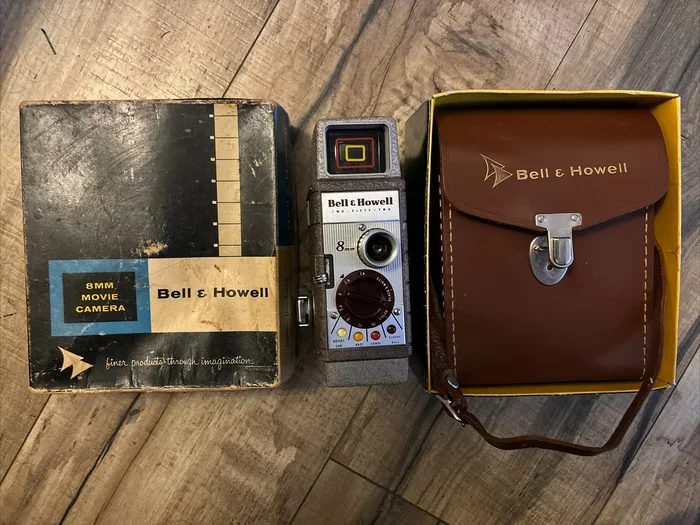
- Collectors still value vintage gear: Old Bell and Howell cameras and projectors remain popular among enthusiasts.
- The legacy lives on: Even if the original company is gone, its impact on film and technology is undeniable.
📑 Table of Contents
- The Rich History of Bell and Howell
- What Happened to the Original Bell and Howell Company?
- Does Bell and Howell Still Exist Today?
- The Bell and Howell Legacy in Film and Technology
- What Collectors Should Know About Vintage Bell and Howell Equipment
- How the Bell and Howell Story Reflects Broader Tech Industry Trends
- Quick Tips for Understanding Bell and Howell Today
- Common Mistakes People Make About Bell and Howell
- Expert Insights on Legacy Technology Brands
- Key Takeaways
The Rich History of Bell and Howell
How It All Started
The Bell and Howell Company was founded in 1907 by two friends, Donald J. Bell and Albert S. Howell. They started in Chicago, Illinois, and quickly made a name for themselves. Their early focus was on motion picture equipment. At a time when movies were just beginning to take the world by storm, Bell and Howell stepped in to solve a big problem.
The duo noticed that film cameras and projectors were unreliable. They decided to build better ones. And they did. Their machines became the standard in the film industry. The company grew fast and became a household name. By the 1920s, Bell and Howell was one of the most respected names in imaging technology.
The Famous Bell and Howell 2709 Camera
One of the most important products in the company’s history was the Bell and Howell 2709 camera. This was the first successful 35mm motion picture camera. It changed filmmaking forever. Directors and cinematographers relied on this camera for decades. It helped create some of the most iconic films in history.
The 2709 was built like a tank. It was precise, durable, and accurate. Film studios around the world chose it over competitors. This single product put Bell and Howell on the map and established the company as a leader in the motion picture equipment space. Even today, vintage collectors treasure these cameras.
Expanding Beyond Film
As the decades passed, Bell and Howell expanded its product line. The company moved into educational technology. Schools started using Bell and Howell film projectors to teach students. These projectors became a staple in classrooms across America. The company also entered the field of microfilm and document scanning.
This expansion was smart business. It helped the company survive changes in the film industry. When home video and digital technology emerged, Bell and Howell adapted. The company pivoted toward automation and document management. This flexibility kept the brand alive through many technological shifts.
What Happened to the Original Bell and Howell Company?
The First Major Changes
The story of what happened to the original Bell and Howell is a tale of corporate mergers and acquisitions. The company remained independent for many decades. But as the technology landscape shifted, it faced increasing pressure. Competitors emerged, and the market for traditional film equipment shrank.
In the 1990s and early 2000s, Bell and Howell began selling off parts of its business. The company divested its film equipment division. It also spun off other segments. Each sale changed the shape of the company. By the mid-2000s, the original Bell and Howell was barely recognizable.
Acquisition by Buyer Companies
The biggest turning point came when larger corporations started acquiring pieces of Bell and Howell. The company was broken up and sold to different buyers. Some divisions went to technology firms. Others were purchased by companies in the education and imaging sectors. Each new owner had different plans for the brand.
One major buyer was a company focused on imaging and document technology. They acquired the scanning and document management parts of Bell and Howell. Another buyer took over the automation and systems integration divisions. The once-unified company was now scattered across multiple corporate entities. Each piece carried the Bell and Howell name in some form.
These acquisitions were part of a larger trend in the tech world. Many legacy companies get bought up or broken apart as industries change. Bell and Howell is a perfect example of this pattern. The company that once made cameras and projectors now exists in fragments.
Why Did the Company Change So Much?
The shift was driven by technology. Digital cameras replaced film cameras. Streaming replaced projectors. Document scanners became software-based. Bell and Howell struggled to keep up with these rapid changes. The company that once defined an industry found itself struggling to stay relevant.
Mergers and acquisitions offered a way to survive. By selling off divisions, Bell and Howell could focus on what remained profitable. But this also meant the original company slowly disappeared. What was left was a shell of the once-great brand. The name continued, but the soul of the company was gone.
Does Bell and Howell Still Exist Today?
The Current Status of the Brand
So, does the Bell and Howell Company still exist right now? The answer depends on what you mean by exist. The Bell and Howell brand is still registered and used by various companies. Some products still carry the name. But the original company as it was in 1907 is long gone.
Today, the Bell and Howell name is used in the automation and imaging technology sectors. A company that operates under the Bell and Howell brand focuses on document scanning, mail processing, and automation solutions. This is a far cry from the film cameras and projectors of the past. But the brand still carries weight in these industries.
The current Bell and Howell operates as a division or subsidiary of a larger parent company. The exact ownership structure has changed over the years. But the name continues to appear in product catalogs and industry publications. For many people, the Bell and Howell name still evokes quality and reliability.
How the Brand Is Used Now
The modern use of the Bell and Howell name is mostly in business technology. Companies use Bell and Howell branded equipment for high-volume document scanning. Mail sorting systems also carry the name. These are practical, industrial applications. They are very different from the consumer products of the past.
You will not find Bell and Howell film cameras on store shelves anymore. The brand has moved entirely into the professional and industrial space. This is a common path for legacy technology companies. As consumer markets shift, they pivot to B2B services where their expertise still matters.
Interestingly, some of the older Bell and Howell products are still in use today. Schools and libraries sometimes still have vintage projectors. Film studios may still use classic cameras for specific shots. The equipment lasts a long time when built well. This is a testament to the quality that Bell and Howell was known for.
Comparing Old and New Bell and Howell
The old Bell and Howell was a consumer-facing company. It made products that everyday people used. The new Bell and Howell is a business-to-business operation. It sells to corporations and institutions. This is a fundamental shift in how the brand operates.
The values remain similar, though. Bell and Howell was always about precision and innovation. That spirit continues in its modern operations. The company still invests in imaging technology and automation. The tools are different, but the mission is aligned with the original vision.
For collectors and history buffs, the old Bell and Howell products are the real treasures. Vintage cameras, projectors, and other equipment from the company are highly sought after. These items tell the story of a bygone era in technology and entertainment.
The Bell and Howell Legacy in Film and Technology
Impact on the Film Industry
The impact of Bell and Howell on the film industry cannot be overstated. The company helped build the infrastructure of modern cinema. Its cameras captured some of the most important moments in film history. Its projectors brought movies to audiences around the world.
Without Bell and Howell, the film industry would look very different. The company set standards for equipment quality and reliability. Other manufacturers looked to Bell and Howell as a benchmark. The brand became synonymous with professional-grade film equipment.
Even today, film schools teach about the contributions of Bell and Howell. The company’s engineering principles influenced generations of camera designers. The legacy lives on in every movie camera that follows the traditions established by this pioneering company.
Contributions to Education Technology
Bell and Howell also made a huge impact on education. The company’s film projectors became essential tools in classrooms. Teachers used them to show educational films and presentations. This was cutting-edge technology in the mid-20th century.
The educational technology division of Bell and Howell helped shape how schools used visual media. The company understood that seeing something on film made it easier to learn. This insight drove decades of innovation in educational tools. Many of the principles behind modern educational technology trace back to Bell and Howell’s work.
Influence on Modern Imaging Technology
The imaging technology that Bell and Howell developed has influenced modern devices in surprising ways. The principles of precision optics and mechanical engineering that the company mastered are still relevant today. Modern scanners and cameras build on foundations that Bell and Howell helped establish.
When you use a modern document scanner, you are benefiting from decades of imaging research. Bell and Howell was at the forefront of this research. The company’s work in microfilm and document preservation paved the way for today’s digital scanning technology. The connection between past and present is clear.
What Collectors Should Know About Vintage Bell and Howell Equipment
Popular Items for Collectors
If you are interested in collecting vintage Bell and Howell equipment, there are many options. The most popular items include film cameras, projectors, and editing equipment. The Bell and Howell 2709 camera is the crown jewel for many collectors. Finding one in working condition is a real treasure.
Other sought-after items include the Bell and Howell Filmo movie camera series. These small, portable cameras were used by amateur filmmakers for decades. They are charming and functional. Many still work today, which makes them great for actual filmmaking, not just display.
Where to Find Vintage Equipment
You can find vintage Bell and Howell equipment at several places. Online auction sites are a popular source. Antique shops and estate sales sometimes have hidden gems. Film equipment specialty dealers also carry old Bell and Howell gear.
When buying vintage equipment, check for completeness. Make sure all parts are present. Test the equipment if possible. Old film projectors may need new bulbs or belts. Cameras may need cleaning and lubrication. But with some care, many of these machines still work beautifully.
Why Collectors Love Bell and Howell
Collectors love Bell and Howell equipment for several reasons. The build quality is exceptional. These machines were built to last a lifetime. The engineering is impressive and the designs are classic. There is also a strong nostalgia factor. Many collectors remember using Bell and Howell equipment in school or at home.
The historical significance adds value too. Owning a piece of film history is exciting. Each piece tells a story about the evolution of technology and entertainment. For many collectors, the emotional connection is just as important as the mechanical quality.
How the Bell and Howell Story Reflects Broader Tech Industry Trends
Legacy Companies and Modern Markets
The story of Bell and Howell mirrors what has happened to many legacy technology companies. As markets change, some brands adapt and others fade. Bell and Howell chose a path of divestiture and reinvention. This is a common strategy for companies facing disruptive change.
The tech industry is full of examples like this. Companies that were once dominant sometimes struggle when new technologies emerge. The key is adaptability. Bell and Howell showed that a brand can survive even when the original business model does not. The name carries value, and smart buyers know how to leverage that.
The Role of Brand Equity
Brand equity played a big role in the survival of the Bell and Howell name. Even after the original company was broken up, the brand remained valuable. Companies were willing to pay for the right to use the Bell and Howell name. This is because the brand carries associations with quality and reliability.
Brand equity is a powerful asset. It is why some company names survive long after the original business is gone. The Bell and Howell name has endured for over a century. That is a remarkable achievement in any industry. It speaks to the strength of the brand and the respect it earned over the years.
What the Future Might Hold
Looking ahead, the future of the Bell and Howell brand is uncertain but promising. The company continues to operate in the automation and imaging sectors. As these fields grow, the Bell and Howell name may gain new relevance. The brand has proven resilient through many changes.
It is also possible that the brand could be acquired again. This has happened before in the company’s history. Each new owner brings new opportunities and challenges. The Bell and Howell name has survived over a century of change. It will likely continue to evolve in the years ahead.
For anyone interested in the intersection of history and technology, the Bell and Howell story is a fascinating case study. It shows how innovation, adaptation, and brand strength can keep a company relevant across many generations. The Bell and Howell Company may not be what it was, but its impact is permanent.
Quick Tips for Understanding Bell and Howell Today
- Check the current owner: The Bell and Howell brand is currently held by a parent company in the automation sector. Look up recent business filings to see who owns it now.
- Know the product categories: Modern Bell and Howell products focus on document scanning, mail processing, and industrial automation. These are very different from the film cameras of the past.
- Visit collector communities: Online forums and groups dedicated to vintage Bell and Howell equipment are great resources. You can learn about restoration and find parts.
- Compare with similar brands: Other legacy tech companies like Kodak and Polaroid went through similar transformations. Studying them gives you context for what happened to Bell and Howell.
- Follow industry news: Business publications sometimes cover Bell and Howell’s latest moves. Staying informed helps you understand where the brand is heading.
Common Mistakes People Make About Bell and Howell
- Assuming the company is completely gone: Many people think Bell and Howell disappeared entirely. In reality, the brand still operates in specific technology sectors.
- Confusing old and new products: Modern Bell and Howell products have nothing to do with film cameras. The brand has completely shifted its focus to industrial automation and document technology.
- Underestimating the brand’s value: The Bell and Howell name still carries significant weight in the technology industry. Its brand equity is a major asset that continues to attract buyers and partners.
- Ignoring the collector market: Vintage Bell and Howell equipment has a thriving collector market. Many people overlook this aspect of the brand’s ongoing relevance.
Expert Insights on Legacy Technology Brands
Industry experts often point to Bell and Howell as a prime example of brand longevity. The fact that a company founded in 1907 still has its name in use today is remarkable. Technology brands rarely survive this long. Most either reinvent themselves completely or fade away.
Experts note that Bell and Howell succeeded because it diversified early. The company did not rely on a single product line. When film equipment declined, other divisions kept the company afloat. This diversification strategy is something modern companies can learn from.
Another key insight from experts is the importance of brand perception. Bell and Howell built a reputation for quality that transcended any single product. That reputation survived even as the company changed hands and shifted focus. It is a powerful reminder that brand value is built over decades and can outlast any single business model.
The story also highlights how technology cycles work. Industries rise and fall. Companies that understand this rhythm can position themselves to survive the transitions. Bell and Howell did not always get it right. But its ability to adapt kept the brand alive through more than a century of change.
Key Takeaways
- The Bell and Howell Company still exists today: The brand operates in automation and imaging technology, though it is very different from the original company.
- Multiple acquisitions shaped the company: Bell and Howell was sold and broken up several times, with different parts going to different owners.
- The original film equipment business is gone: Consumer-facing film cameras and projectors are no longer part of the Bell and Howell product lineup.
- The brand carries strong equity: Even after all the changes, the Bell and Howell name still represents quality and reliability in the tech industry.
- Vintage equipment is highly collectible: Old Bell and Howell cameras and projectors remain popular among enthusiasts and historians.
- The company adapted to survive: By pivoting to document scanning and automation, Bell and Howell found new markets for its expertise.
- The legacy continues to influence technology: The engineering principles and innovations from Bell and Howell still impact modern imaging and automation systems.
Frequently Asked Questions
Is the Bell and Howell Company still in business?
Yes, the Bell and Howell brand is still in business, but it operates very differently from the original company. Today it focuses on automation, document scanning, and imaging technology. The brand is owned by a parent company that uses the Bell and Howell name for its product lines.
Who owns Bell and Howell now?
The ownership of the Bell and Howell brand has changed many times. Currently, it operates as a division or subsidiary within a larger technology company. The exact ownership structure can shift, so checking recent business news is the best way to get the latest information.
Can I still buy Bell and Howell cameras and projectors?
You cannot buy new Bell and Howell cameras or projectors. The company no longer manufactures consumer film equipment. However, you can find vintage Bell and Howell products through collectors, online marketplaces, and specialty dealers. Many of these older machines still work and are highly sought after.
What is Bell and Howell known for today?
Today, Bell and Howell is known for document scanning equipment, mail processing systems, and automation technology. The brand has shifted entirely to business and industrial applications. It no longer has any connection to consumer film equipment or cameras.
Why did Bell and Howell stop making film equipment?
Bell and Howell stopped making film equipment because the market for it declined. Digital cameras replaced film cameras. Streaming and digital projection replaced traditional film projectors. The company could not sustain its film equipment business in the new technological landscape, so it sold off those divisions and pivoted to other areas.
Are old Bell and Howell products worth money?
Yes, many old Bell and Howell products are worth money to collectors. Vintage cameras, projectors, and editing equipment can fetch good prices, especially if they are in working condition. The most valuable items include the famous 2709 camera and classic Filmo movie cameras. Condition, completeness, and rarity all affect the value.
=== CONCLUSION ===
The Bell and Howell Company has survived for over a century, and while it is not the same company it was in 1907, the name still carries weight in the technology world. The original company that built revolutionary film cameras and projectors has transformed through mergers, acquisitions, and strategic pivots. Today, Bell and Howell operates in the automation and imaging technology sectors, serving businesses rather than consumers.
The story of Bell and Howell is a reminder that brands can outlast the companies that created them. The name has endured because of the quality and innovation it represents. Whether you are a collector hunting for vintage equipment or a tech professional working with modern scanning systems, the Bell and Howell legacy touches your world in ways you might not expect.
So the next time someone asks, does the Bell and Howell Company still exist, you can give them a confident answer. The brand is alive, it has adapted, and it continues to evolve. The spirit of innovation that Donald Bell and Albert Howell started over a hundred years ago still drives the company forward, even if the products and markets have changed completely.
Understanding the history of companies like Bell and Howell helps us appreciate how technology evolves. It also reminds us that the brands we trust today may look very different tomorrow. The only constant is change, and Bell and Howell has proven it can navigate that change while keeping its name alive in the industry.