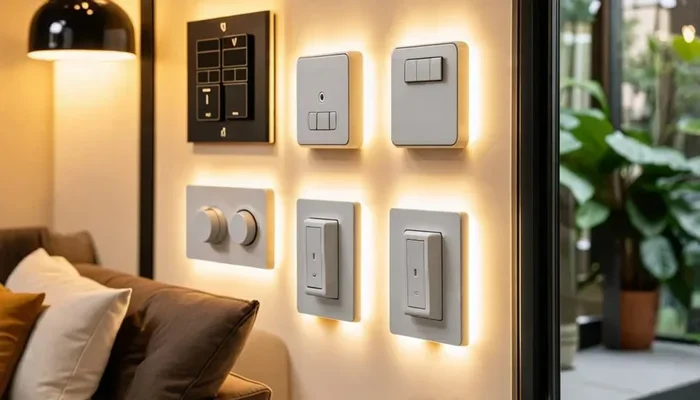
Do Smart Light Switches Exist Here Is What You Should Know
Yes, smart light switches do exist, and they are changing the way we control lighting in our homes. These devices let you manage your lights using your phone, voice commands, or automated schedules. Whether you want energy savings, convenience, or a full home automation setup, smart light switches offer a simple and effective solution for every room in your house.
Smart home technology has grown fast in recent years. From smart thermostats to smart bulbs, there is no shortage of devices that make everyday life easier. But one question keeps coming up: do smart light switches exist? The short answer is yes. Smart light switches are real, they work well, and they are more affordable than ever.
If you have been thinking about upgrading your home lighting, this guide is for you. We will walk through everything you need to know. You will learn how they work, what options are available, and whether they are worth the investment. By the end, you will feel confident about making the switch to automated lighting in your home.
Smart light switches replace your regular wall switches with connected versions. Instead of just turning a light on or off, you can control it from anywhere. Use your phone, a voice assistant, or set up routines that run on a schedule. It is a small change that makes a big difference in how your home feels.
Key Takeaways
- Smart light switches are real and widely available: Many brands offer reliable options for replacing your current wall switches.
- They work with popular ecosystems: Most smart switches are compatible with Alexa, Google Home, and Apple HomeKit.
- Installation is straightforward: Many models fit into standard wall boxes without needing an electrician.
- You save energy and money: Automated lighting helps reduce wasted electricity over time.
- They add real value to your home: Smart lighting is a top feature buyers look for in modern homes.
- WiFi and hub-based options exist: You can choose between direct WiFi switches or those that need a bridge or hub.
📑 Table of Contents
- What Are Smart Light Switches?
- Types of Smart Light Switches You Can Buy
- How to Install a Smart Light Switch
- Benefits of Using Smart Light Switches
- Smart Light Switches vs. Smart Bulbs
- Popular Smart Light Switch Brands
- Common Mistakes to Avoid
- Expert Insights on Smart Lighting
- Are Smart Light Switches Worth It?
- Conclusion
What Are Smart Light Switches?
A smart light switch is a device that replaces your standard light switch. It connects to your home WiFi network or a smart home hub. This connection lets you control your lights remotely. You can turn them on or off from another room or even when you are away from home.
These switches come in different shapes and sizes. Some look just like a regular switch but have hidden smart features inside. Others have touchscreens or sleek designs that look modern on any wall. The goal is the same: give you lighting control at your fingertips.
How Do They Connect to Your Home?
Most smart light switches use one of two connection methods. The first is WiFi. These switches connect directly to your home router. You control them through a phone app. The second method uses a hub or bridge. The switch talks to the hub, and the hub talks to your phone or voice assistant. Both methods work well, but WiFi switches are often easier to set up.
If you already have a smart home setup, you will want to check compatibility. Some switches work best with smart home ecosystems like Amazon Alexa or Google Home. Others work with Apple HomeKit. Always check the product details before you buy.
Types of Smart Light Switches You Can Buy
Not all smart switches are the same. Different types serve different needs. Here is a look at the most common options on the market today.
WiFi Smart Switches
WiFi smart switches connect directly to your wireless network. You do not need a hub or bridge. Just install the switch, connect it to your WiFi, and download the app. From there, you can control your lights from anywhere. These switches are great for renters because they are easy to move when you relocate.
One thing to keep in mind is that WiFi switches need a stable connection. If your WiFi signal is weak in certain rooms, the switch might not respond as quickly. In those cases, you might want to consider a hub-based option.
Hub-Based Smart Switches
Hub-based switches require a separate hub or bridge to work. The hub acts as a middleman between the switch and your phone or voice assistant. Brands like Philips Hue and Lutron use this approach. The benefit is a stronger, more reliable connection. These switches also tend to respond faster and work better in larger homes.
The downside is the extra cost. You need to buy the hub in addition to the switches. However, many people find the reliability worth the extra investment.
Smart Dimmer Switches
Smart dimmer switches let you adjust the brightness of your lights. You can dim them for a movie night or brighten them for reading. Many of these switches also work with color-changing smart bulbs. This gives you even more control over the mood and feel of your rooms.
Dimmer switches are especially popular in living rooms and bedrooms. They add a layer of comfort that regular switches simply cannot match. If you want to create a cozy atmosphere at home, a smart dimmer is a great place to start.
Smart Switches with No Neutral Wire
Some older homes do not have a neutral wire in their switch boxes. This used to be a problem for smart switch installation. But now, many brands make switches that work without a neutral wire. These are a lifesaver for homeowners with older wiring. Brands like Lutron and Inovelli offer several no-neutral options.
If you are not sure whether your home has a neutral wire, you can check before buying. An electrician can also help you figure this out. It is always better to know before you start the installation process.
How to Install a Smart Light Switch
One of the best things about smart light switches is that many of them are easy to install. You do not always need an electrician. However, if you are not comfortable working with electrical wiring, it is smart to ask a professional for help.
What You Will Need
Before you start, gather a few tools. You will need a screwdriver, a voltage tester, and your new smart switch. Turn off the power at the breaker before you touch any wires. Safety always comes first when working with electricity.
Here is a simple step-by-step guide:
- Turn off the power at the circuit breaker.
- Remove the old switch plate and pull out the switch.
- Take a photo of the wiring so you remember how it is connected.
- Disconnect the wires from the old switch.
- Connect the wires to the new smart switch following the instructions.
- Push the switch back into the wall box.
- Attach the switch plate and turn the power back on.
- Open the app and follow the setup instructions.
Most smart switch kits come with clear instructions. If something does not work right away, double-check your wiring. A quick look at the installation guide usually solves the problem.
When to Call a Professional
There is no shame in calling an electrician. If your wiring looks complicated or you feel unsure, professional help is a smart choice. A licensed electrician can install your smart switches quickly and safely. This is especially important in older homes where the wiring may not be standard.
Benefits of Using Smart Light Switches
Why should you switch to smart light switches? There are many real benefits that go beyond just turning lights on and off. Let us look at the biggest advantages.
Convenience and Control
The biggest benefit is convenience. You can control your lights from your phone, tablet, or smart speaker. Forgot to turn off the living room light? No problem. Just open the app and turn it off. You can also set up routines. For example, your lights can turn on automatically when you arrive home and turn off when you leave for work.
Voice control adds another layer of convenience. Say “Hey Google, turn off the bedroom lights” and they go off instantly. It is a small thing that makes a big difference in your daily routine.
Energy Savings
Smart light switches help you save energy. Because you can turn lights off remotely, you will not waste electricity. Automated schedules also ensure lights are only on when you need them. Over time, these savings can add up on your electricity bill.
Pairing smart switches with LED bulbs makes the savings even greater. LED bulbs already use less power than traditional bulbs. Adding smart control on top of that gives you a double boost in energy efficiency.
Home Security
Smart switches can improve your home security. When you are away on vacation, you can set lights to turn on and off at random times. This makes it look like someone is home. Burglars are less likely to target a house that appears occupied.
Some smart switches also work with security cameras and motion sensors. You can set your lights to flash when motion is detected near your front door. It is a simple but effective deterrent.
Increased Home Value
If you ever plan to sell your home, smart lighting is a selling point. Many home buyers look for smart home features when shopping. A house with smart light switches already installed feels more modern and move-in ready. It is a small upgrade that can make a big impression.
Smart Light Switches vs. Smart Bulbs
People often ask whether they should use smart switches or smart bulbs. Both have their place. Here is a quick comparison to help you decide.
| Feature | Smart Light Switches | Smart Bulbs |
|---|---|---|
| Control Method | Wall switch, app, voice | App, voice only |
| Works with Regular Bulbs | Yes | No |
| Cost per Fixture | Lower | Higher |
| Installation | Moderate | Easy |
| Whole Room Control | Yes | Per bulb only |
| Power Cut Impact | Switch still works | Bulb loses smart features |
Smart switches are great if you want to control an entire room. They also work with any standard bulb, including incandescent and halogen. Smart bulbs are better if you want color-changing features or if you rent and cannot modify switches.
Some people use both. They install smart switches for main room lighting and smart bulbs for accent lighting. This gives you the best of both worlds. You get full room control and colorful individual lights where you want them.
Popular Smart Light Switch Brands
The market is full of smart switch brands. Here are some of the most popular ones that people trust.
- Lutron: Known for reliability and a wide range of options. Their Caseta line is a fan favorite.
- Leviton: Offers sleek designs and strong WiFi connectivity. Good for beginners.
- Inovelli: Great for tech enthusiasts. Their switches have built-in energy monitoring.
- GE Cync: Budget-friendly and works well with Google Home and Alexa.
- TP-Link Kasa: Affordable WiFi switches that are easy to set up and use.
Each brand has its strengths. Think about your budget, your smart home ecosystem, and your wiring setup when choosing. Reading user reviews can also help you make a confident decision.
Common Mistakes to Avoid
Setting up smart light switches is not hard, but there are a few mistakes people make. Avoiding these will save you time and frustration.
- Buying the wrong type for your wiring: Always check if you need a neutral wire switch or a no-neutral model.
- Ignoring compatibility: Make sure the switch works with your existing smart home system before buying.
- Skipping the firmware update: After installation, check for updates in the app. Updates fix bugs and add new features.
- Overloading the switch: Do not connect too many lights to one switch. Check the maximum wattage rating first.
- Forgetting to label wires: Take photos and label wires before disconnecting the old switch. This makes reinstallation much easier.
These small steps make a big difference. Taking a few extra minutes during setup will save you headaches later.
Expert Insights on Smart Lighting
Smart home experts agree that smart light switches are one of the best starting points for home automation. They are affordable, easy to install, and deliver immediate value. According to industry reports, smart home technology adoption continues to grow every year. Lighting is one of the top categories driving that growth.
Experts also recommend starting small. You do not need to automate every light in your house at once. Start with one or two switches in the rooms you use the most. Once you see how convenient they are, you will want to expand. Many homeowners begin with the living room and bedroom, then add more over time.
One tip from experienced users: always set up routines early. Routines are what turn a collection of smart devices into a truly smart home. For example, a “Good Morning” routine can slowly brighten your lights at sunrise. A “Goodnight” routine can turn off all lights with one command. These small automations add up to a much smoother daily experience.
If you are exploring the broader smart home world, you might also enjoy learning about other connected devices. For instance, smart locks like the August Smart Lock let you control access to your home from anywhere. And if you ever wonder about the costs involved, it is worth checking whether devices like the iPad require monthly payments. Understanding the full picture of smart home costs helps you make better decisions.
Another important aspect of smart home setup is your WiFi network. If you are setting up a new Android phone to control your smart switches, you will want to make sure your WiFi passwords transfer properly. A strong and stable WiFi connection is the backbone of any smart home setup.
Finally, if you are using older devices as smart home hubs, you might wonder what you can do with an old laptop. Many people repurpose older laptops as dedicated smart home controllers. It is a creative way to get more life out of devices you already own.
Are Smart Light Switches Worth It?
The answer depends on your lifestyle and your goals. If you value convenience, energy savings, and modern home features, smart light switches are absolutely worth it. They are one of the most affordable ways to start your smart home journey. You can pick up a single switch for under $20 and immediately start enjoying the benefits.
Even if you are on a tight budget, you can start with one switch and expand over time. There is no need to replace every switch in your house at once. Take it room by room. Build your system gradually. Before long, you will have a fully connected home that responds to your needs.
Smart light switches also pair well with other devices. You can link them with smart plugs, smart speakers, and security systems. This creates a seamless experience where everything works together. The more devices you add, the more powerful your home automation becomes.
One thing to keep in mind is that smart switches need a reliable internet connection. If your WiFi is spotty, you may experience delays or disconnections. In those cases, consider improving your WiFi coverage first. A cell phone booster can also help strengthen your connection in hard-to-reach areas of your home.
Overall, smart light switches are a practical and worthwhile upgrade. They bring your home into the modern age without breaking the bank. Whether you are a tech enthusiast or just looking for a simple way to save energy, there is a smart switch that fits your needs.
Conclusion
So, do smart light switches exist? Yes, they absolutely do. They are real, they are available, and they offer a wide range of benefits for any homeowner. From convenience and control to energy savings and improved security, smart light switches deliver real value every day.
The market has more options than ever before. Whether you prefer WiFi switches, hub-based systems, or smart dimmers, there is a solution for your home. Installation is manageable for most people, and the payoff is immediate. You will wonder how you ever lived without them.
If you are ready to take the next step, start small. Pick one room, choose a switch that fits your needs, and install it. The experience will encourage you to expand. Smart lighting is the perfect foundation for a smarter, more connected home. Embrace the technology and enjoy the difference it makes in your daily life.
Frequently Asked Questions
Do smart light switches work without WiFi?
Most smart light switches need WiFi to work fully. However, some hub-based switches can operate locally without the internet. They may lose remote access and voice control when the WiFi is down, but basic on and off functions usually still work through the physical switch.
Can I install a smart light switch myself?
Yes, many smart light switches are designed for DIY installation. If you are comfortable with basic electrical work and follow safety precautions, you can do it yourself. Always turn off the power at the breaker first. If you are unsure, hiring a licensed electrician is the safest option.
Are smart light switches compatible with all bulb types?
Most smart switches work with any bulb type, including incandescent, LED, and halogen. However, some smart bulbs may not dim properly with certain switches. Always check the product specifications to confirm compatibility with your specific bulbs before purchasing.
Do smart light switches save money on electricity bills?
Yes, smart light switches can help reduce your electricity bill. They allow you to turn lights off remotely, set schedules, and automate when lights turn on and off. Pairing them with LED bulbs increases the savings even more over time.
Can I use smart light switches in a rental apartment?
Many smart switches are designed to be easily removable. You can replace your existing switch with a smart one and switch back when you move out. Just make sure your landlord approves any changes to the electrical fixtures before you start the installation.
What is the lifespan of a smart light switch?
Most quality smart light switches last between 5 and 10 years. The electronic components may wear out before the physical switch does. Regular use and power surges can affect longevity. Choosing reputable brands with good warranty coverage helps ensure a long-lasting product.
=== INTERNAL LINKS ===
Smart home devices like the August Smart Lock work great alongside smart light switches to create a fully connected home experience.
When setting up your smart switches, make sure your WiFi connection is stable across all your devices for the best performance.
If you are repurposing older hardware, you can learn what you can do with an old laptop as a smart home controller alongside your new smart light switches.