Do All Projectors Use The Same Bulbs And Why It Matters
No, not all projectors use the same bulbs. Different projector brands and models require specific bulb types, and using the wrong one can damage your device or void your warranty. Understanding your projector’s bulb type, compatibility, and replacement options saves you money and keeps your setup running smoothly.
This is a comprehensive guide about Do All Projectors Use The Same Bulbs.
Key Takeaways
- Projector bulbs are not universal: Each projector model uses a specific bulb designed for its light engine.
- Three main bulb types exist: Traditional lamp, LED, and laser projectors each use different light sources.
- Using the wrong bulb can cause serious damage: It may lead to overheating, poor image quality, or complete projector failure.
- Replacement costs vary widely: Bulbs range from $30 to $300+ depending on the projector type and brand.
- Always check your model number: The owner’s manual or manufacturer’s website tells you exactly which bulb you need.
- Proper care extends bulb life: Simple habits like cleaning filters and avoiding overheating can add hundreds of hours to your bulb’s lifespan.
[FEATURED_IMAGE_PLACEHOLDER]
Have you ever wondered, do all projectors use the same bulbs? It is a question that catches a lot of people off guard, especially when they are shopping for a replacement or setting up a new home theater. The short answer is no. Projector bulbs come in different shapes, sizes, and technologies, and they are not interchangeable across all devices.
Whether you are setting up a home theater projector for movie nights or using a business projector for presentations, knowing which bulb your device needs is essential. Using the wrong bulb can lead to poor picture quality, overheating, or even permanent damage to your projector. This guide breaks everything down in plain language so you never have to guess again.
We will walk through the different types of projector bulbs, how to find the right one for your model, what things cost, and how to make your bulb last as long as possible. By the end, you will feel confident buying the correct projector replacement bulb every single time.
What Types of Projector Bulbs Exist
The projector world has changed a lot over the past decade. Older models relied on one main technology, but newer projectors use completely different light sources. Understanding these differences is the first step to answering whether all projectors share the same bulbs.
Traditional Lamp Projectors
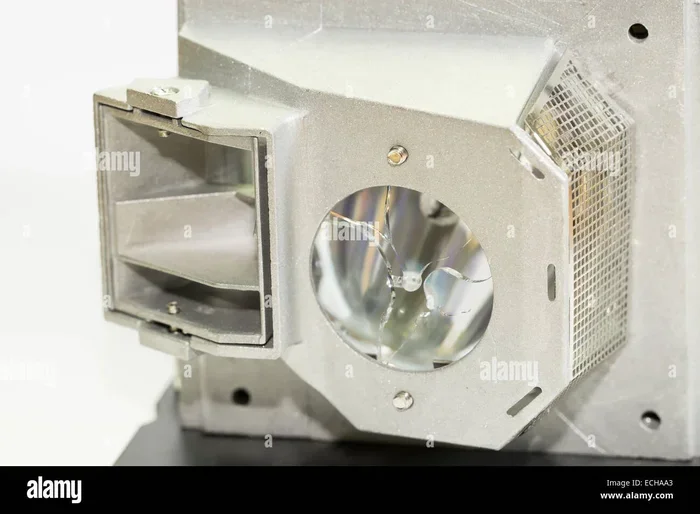
Traditional lamp projectors have been around for decades. They use a high-intensity discharge lamp, often called a UHP (Ultra High Performance) bulb or a metal halide lamp. These bulbs create bright light that passes through a small image panel to produce the picture you see on the wall.
Most home theater projectors and many classroom projectors still use this technology. The bulbs are powerful and produce excellent color, but they do not last forever. A typical lamp projector bulb lasts between 1,000 and 5,000 hours depending on usage and settings.
These bulbs also run hot. Projectors with traditional lamps need good ventilation and regular filter cleaning to stay cool. If you skip maintenance, the bulb may burn out faster, and the projector might shut down to protect itself from overheating.
LED Projectors
LED projectors use light-emitting diodes instead of traditional bulbs. They are becoming more popular because they last much longer and do not produce as much heat. A good LED projector bulb can run for 20,000 to 30,000 hours or more.
LED projectors are often smaller and more portable than lamp-based models. They work great for casual movie watching and casual presentations. However, they may not be as bright as traditional lamp projectors, which can matter in rooms with a lot of ambient light.
One big advantage of LED projectors is that the light source does not need frequent replacement. You might never need to buy a new LED light source during the lifetime of the projector. This makes them a great choice for people who want low maintenance.
Laser Projectors
Laser projectors represent the newest frontier in projection technology. They use laser diodes to create light, and they are incredibly bright and energy efficient. A laser projector can last 20,000 hours or more without any noticeable drop in brightness.
Laser projectors are common in high-end home theaters, large conference rooms, and commercial settings. They produce excellent color accuracy and can turn on and off instantly, unlike lamp projectors that need warm-up time.
The downside is cost. Laser projectors and their light engines are more expensive upfront than lamp or LED models. But for users who project frequently or need maximum brightness, the investment pays off over time.
Why Projector Bulbs Are Not Universal
Now that you know the three main types, let us talk about why they are not interchangeable. The answer comes down to design, compatibility, and safety.
Design and Compatibility Differences
Every projector model is designed around a specific light engine. The bulb fits into a custom housing that matches the projector’s optical system. The shape of the bulb, the connector type, the wattage, and the reflector design are all unique to that model or series of models.
Think of it like car engines. A V6 engine does not fit into a car designed for a four-cylinder engine. The same logic applies to projector bulbs. A bulb made for an Epson model will not work in a BenQ projector, even if both are the same brightness level.
Manufacturers design their projectors to work with specific bulbs because the light output, color temperature, and beam pattern must match the optical path. Even a small mismatch can cause blurry images, color distortion, or dark spots in the projection.
Safety and Warranty Concerns
Using a bulb that is not designed for your projector can be dangerous. Mismatched bulbs may draw too much power, overheat, or even explode inside the projector. This can damage the internal optics, the image panel, or other sensitive components.
Most manufacturers will void your warranty if you use a non-approved bulb. If your projector breaks after installing an incompatible bulb, you will be stuck paying for repairs out of pocket. Always check with the manufacturer before purchasing a replacement.
Some people try to save money by buying generic or “universal” bulbs. These rarely work well and often cause more problems than they solve. Stick with bulbs made specifically for your projector model.
How to Find the Right Bulb for Your Projector
Finding the correct bulb is easier than you might think. You just need a few pieces of information and somewhere reliable to buy from.
Check Your Owner’s Manual
The fastest way to find your bulb type is to look in the owner’s manual. Most manuals list the exact bulb model number, part number, and compatible brands. If you no longer have the printed manual, you can usually find a PDF version on the manufacturer’s website.
Search for your projector model number followed by “bulb” or “lamp.” The results should point you to the correct replacement part. For example, if you own a popular Epson home projector, the manufacturer’s site will list the exact bulb that fits your unit.
Look at the Old Bulb Itself
If you have the old bulb handy, check the label on the housing. It will have a model number, part number, and sometimes the projector model it was designed for. Write this information down before you shop.
Make sure you handle the old bulb carefully. Do not touch the glass with your bare hands, as oils from your skin can create hot spots and shorten the bulb’s life. Use a soft cloth or gloves when removing and installing the replacement.
Buy from Trusted Sources
You can buy replacement bulbs from the projector manufacturer, authorized dealers, or reputable third-party sellers. OEM (Original Equipment Manufacturer) bulbs are the safest choice because they are made by the same company that built the projector.
Compatible or aftermarket bulbs can save you money, but quality varies widely. Read reviews carefully and buy from sellers with good return policies. If a deal seems too good to be true, the bulb might be a low-quality knockoff.
If you are projecting onto a wall or screen, you might also want to explore options like using a sheet as a projector screen or setting up your projector on a wall for a quick and easy display setup.
Projector Bulb Costs and Lifespan
The cost of projector bulbs varies a lot depending on the type and brand. Understanding what you are paying for helps you make smart buying decisions.
Average Bulb Prices by Type
Traditional lamp projector bulbs typically cost between $30 and $300. The price depends on the wattage, brand, and projector model. Premium bulbs from the original manufacturer tend to cost more but offer better reliability and color accuracy.
LED and laser light sources are different. LED projectors rarely need bulb replacements, which saves money over time. Laser projectors have light engines that last 20,000 hours or more, but when they do need service, the cost can be significant, sometimes several hundred dollars.
Here is a simple comparison of the three main types:
- Traditional Lamp Bulbs: $30 to $300, lasting 1,000 to 5,000 hours.
- LED Light Sources: Rarely need replacement, lasting 20,000+ hours.
- Laser Light Engines: $200+ for service, lasting 20,000+ hours.
What Affects Bulb Lifespan
Several factors influence how long your projector bulb lasts. The most important one is usage time. The more hours you run the projector, the faster the bulb wears out.
Brightness settings also matter. Running your projector at maximum brightness puts more stress on the bulb and shortens its life. If you are watching movies in a dark room, you can safely lower the brightness and extend the bulb’s lifespan.
Ventilation plays a big role too. A projector that runs hot will burn through bulbs faster. Keep the air vents clear, clean the dust filter regularly, and do not place the projector in an enclosed cabinet without proper airflow.
Some people ask whether things like leaving a device plugged in all the time affects performance. While that is a different topic, the principle is similar: heat and continuous power draw wear out electronic components faster, including projector bulbs.
Tips for Extending Your Projector Bulb Life
You cannot make a projector bulb last forever, but you can take steps to get the most life out of it. These simple habits make a real difference over months and years of use.
Let the Projector Cool Down
Never turn off a projector immediately after use. Let it run on standby or fan mode for a minute or two. This allows the internal temperature to drop gradually. Sudden shutdowns trap heat inside the housing and can damage the bulb and other components.
Most modern projectors have an auto-cool feature. Let it do its job. If your projector does not have this feature, give it at least 60 seconds before powering it off completely.
Keep the Environment Clean
Dust is the enemy of projector bulbs. It clogs filters, blocks vents, and causes the internal temperature to rise. Clean your projector’s air filter every two to four weeks, depending on your environment.
If you use your projector in a dusty garage or workshop, consider using an air purifier nearby. You might also want to cover the projector when it is not in use to keep dust from settling on the lens and internal components.
Use Eco Mode When Possible
Most projectors have an eco mode or economy mode that reduces brightness slightly but dramatically extends bulb life. In a darkened room, the difference in image quality is barely noticeable, but the bulb savings add up fast.
Eco mode can extend bulb life by 30 to 50 percent. If you watch movies several times a week, that extra life can mean the difference between replacing a bulb every year or every two years.
Avoid Moving the Projector While It Is On
This one might seem obvious, but it is worth repeating. Moving a projector while the bulb is hot can cause the bulb to shift slightly inside its housing. This creates uneven wear and can lead to premature failure.
Set up your projector in its final position before turning it on. If you need to adjust it, power down and wait for it to cool first. This simple habit protects both the bulb and the internal optics.
Common Mistakes People Make With Projector Bulbs
Even well-meaning projector owners make mistakes that shorten bulb life or cause unnecessary expenses. Here are the most common ones to avoid.
Buying the Cheapest Bulb Available
The lowest-priced bulb is not always the best deal. Cheap bulbs often use lower-quality materials that burn out quickly or produce poor color accuracy. You might save $20 upfront but lose hundreds of hours of viewing time when the bulb fails early.
Stick with reputable brands and sellers. Read customer reviews and check return policies before you buy. A slightly higher price usually means better quality and longer life.
Ignoring Error Messages
When your projector flashes a warning light or displays a bulb error message, do not ignore it. Continuing to use the projector with a failing bulb can cause the bulb to explode and damage the internal components.
Replace the bulb as soon as possible after seeing an error. Keep a spare bulb on hand if you use your projector frequently, especially for important events or presentations.
Not Tracking Bulb Hours
Most projectors have a built-in timer that tracks how many hours the bulb has been used. Check this setting in the projector’s menu periodically. Knowing your bulb hours helps you plan replacements before the bulb dies unexpectedly.
Some projectors also display an estimated remaining life. Use this information to budget for replacements and avoid being caught off guard in the middle of a movie or presentation.
Forgetting About Ventilation
Placing your projector in a tight, enclosed space is a common mistake. The device needs airflow to stay cool. Without it, the bulb runs hotter and degrades faster.
Make sure there is several inches of clearance around all vents. If you are mounting the projector on a ceiling, ensure the ceiling space is not sealed off. Good ventilation is one of the easiest and most effective ways to protect your investment.
Frequently Asked Questions
Can I use any projector bulb for my projector?
No, you cannot use just any projector bulb. Each projector model requires a specific bulb that matches its housing, connector, wattage, and optical design. Using the wrong bulb can damage your projector or produce poor image quality. Always check your owner’s manual or the manufacturer’s website for the correct bulb model number.
How often do projector bulbs need to be replaced?
Traditional lamp projector bulbs typically last between 1,000 and 5,000 hours, depending on brightness settings and usage habits. LED projectors rarely need bulb replacements, lasting 20,000 hours or more. Laser projectors also have very long lifespans, often exceeding 20,000 hours. Check your projector’s built-in timer to monitor your specific bulb hours.
Are aftermarket projector bulbs worth buying?
Aftermarket bulbs can save you money, but quality varies widely. Some third-party bulbs perform well and offer good value, while others are low-quality and fail quickly. Always buy from reputable sellers with solid return policies, and read customer reviews before making a purchase. OEM bulbs from the manufacturer are the safest choice for reliability.
Can a projector bulb explode?
Yes, projector bulbs can explode, especially if they are the wrong type, overheated, or nearing the end of their life. An exploding bulb can damage the internal optics and other components of the projector. This is why it is important to use the correct bulb, avoid overheating, and replace bulbs that show warning signs like flickering or dimming.
Do LED projectors have replaceable bulbs?
Most LED projectors do not have user-replaceable bulbs. The LED light source is built into the projector and lasts for the life of the device, typically 20,000 hours or more. If the LED does fail, it usually requires professional service or replacement of the entire light engine. This is one reason LED projectors are popular for users who want minimal maintenance.
What is the difference between a projector lamp and a projector bulb?
The terms “projector lamp” and “projector bulb” are used interchangeably by most manufacturers and retailers. They both refer to the light source inside the projector. Some people use “lamp” to refer to traditional UHP or metal halide bulbs, while “bulb” is a more general term. In practice, they mean the same thing, and you can use either term when shopping for a replacement.
Conclusion
The answer to the question do all projectors use the same bulbs is a clear no. Projectors come in three main categories, each with its own light source technology and replacement requirements. Traditional lamp projectors use UHP or metal halide bulbs, LED projectors use diodes, and laser projectors use laser diodes. None of these are interchangeable.
Finding the right bulb for your projector is straightforward once you know your model number. Check the owner’s manual, look at the old bulb housing, or visit the manufacturer’s website. Always buy from trusted sources and avoid the temptation of the cheapest option.
Taking care of your projector bulb through proper ventilation, regular filter cleaning, and using eco mode can significantly extend its life. These small habits save you money and keep your images bright and clear for years.
If you are exploring projector setup options, consider how you will display your image. Whether you are projecting onto a wall or using blackout curtains as a projector screen, the right setup makes a big difference in your viewing experience. And if you are curious about other tech questions, you might also enjoy learning about using Alexa as a Bluetooth speaker for your TV or whether all laptops come with Microsoft Office.
Now that you understand projector bulb types, compatibility, and care, you are ready to make informed decisions. Keep this guide bookmarked for your next bulb replacement, and never second-guess which bulb your projector needs again.
Frequently Asked Questions
What is Do All Projectors Use The Same Bulbs?
Do All Projectors Use The Same Bulbs is an important topic with many practical applications.