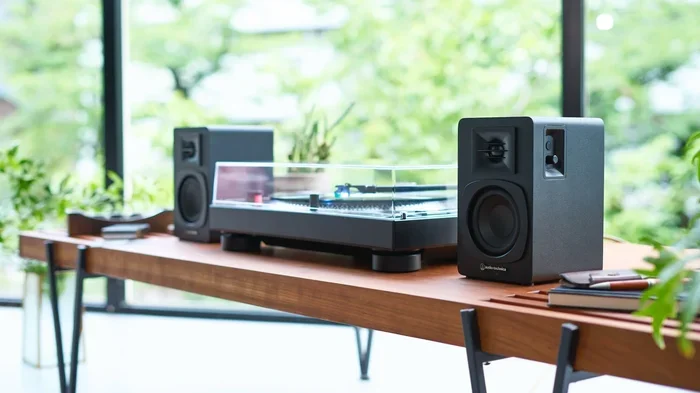
Can You Use Any Speaker For Audio Technica Turntable
You can use many different speakers with an Audio Technica turntable, but the right choice depends on your setup. Whether you choose powered speakers, passive speakers, or a stereo system, understanding turntable compatibility is key. This guide walks you through every option so you can enjoy your vinyl records with great audio quality.
Key Takeaways
- Not all speakers work directly: Audio Technica turntables may need a phono preamp depending on your speaker setup.
- Powered speakers are the easiest option: They connect with RCA cables and don’t need a separate amplifier.
- Passive speakers require an external amplifier: Make sure your amp matches the speaker impedance and turntable output.
- Check your connection types: RCA, 3.5mm, and Bluetooth are common ways to link your turntable to speakers.
- Speaker placement matters: Proper positioning can dramatically improve your listening experience.
- Budget options exist: You don’t need to spend a fortune to get great sound from your turntable.
📑 Table of Contents
- Can You Use Any Speaker For Audio Technica Turntable?
- Understanding Your Audio Technica Turntable Output
- Types of Speakers You Can Use
- How to Connect Your Turntable to Speakers
- Common Mistakes to Avoid
- Best Speakers for Audio Technica Turntables
- Tips for Getting the Best Sound
- Can You Use Any Speaker For Audio Technica Turntable? The Final Word
Can You Use Any Speaker For Audio Technica Turntable?
If you own an Audio Technica turntable, you might be wondering whether you can plug in any speaker and start spinning records. The short answer is yes, but with some important caveats. Not every speaker will work perfectly with every turntable setup. The connection type, power requirements, and signal quality all play a role.
In this guide, we break down exactly what you need to know. We cover turntable compatibility, the different types of speakers you can use, and how to set everything up for the best possible sound. Whether you are a vinyl beginner or a seasoned collector, this article will help you make the right choice.
Audio Technica makes excellent turntables at various price points. From the entry-level Audio Technica AT-LP60X to the more advanced AT-LP120X, these players deliver warm, rich vinyl sound. But your turntable is only half the equation. The speaker you choose shapes the final sound you hear. Let us dive into the details.
Understanding Your Audio Technica Turntable Output
Phono Output vs. Line Output
Before you pick a speaker, you need to understand what kind of signal your turntable sends. Most Audio Technica turntables have a phono output. This is a weak signal that needs amplification before it reaches your speakers.
Some Audio Technica models come with a built-in preamp. This means they can send a line-level signal directly to powered speakers or a stereo system. Other models require an external phono preamp to boost the signal properly.
Here is how to tell which one you have:
- Check the back of your turntable: Look for a switch labeled “Phono/Line.” If it has one, your turntable has a switchable preamp.
- Look at the manual: The product manual will tell you if a built-in preamp is included.
- Check the model number online: Audio Technica lists this information on their website for every model.
If your turntable does not have a built-in preamp, you will need to add one. A phono preamp sits between the turntable and the speaker. It boosts the signal to a level that speakers can handle. Without it, the sound will be very quiet and distorted.
Why Signal Type Matters for Speaker Choice
The signal type directly affects which speakers you can use. A line-level output gives you more flexibility. You can connect it to powered speakers, active monitors, or even a home stereo system. A phono output is more limited and requires the right setup.
Think of it like this. Your turntable is the source of the music. The preamp is the translator. And the speaker is the voice that plays it out. If any part of this chain is mismatched, the sound suffers.
Types of Speakers You Can Use
Powered Speakers (Active Speakers)
Powered speakers are the most popular choice for turntable setups. They have a built-in amplifier, so you do not need a separate amp or receiver. You simply connect the turntable to the speaker using an RCA cable, and you are ready to go.
Here are some reasons powered speakers are a great option:
- Easy setup: No extra equipment needed. Just plug and play.
- Compact design: They take up less space than a full stereo system.
- Good sound quality: Many powered speakers deliver excellent audio for the price.
- Built-in volume control: You can adjust the volume right on the speaker.
Brands like Edifier, M-Audio, and Presonus make popular powered speakers that work well with Audio Technica turntables. When shopping, look for speakers with RCA inputs. This ensures a direct and clean connection.
Passive Speakers
Passive speakers do not have a built-in amplifier. They need an external amplifier or receiver to power them. This gives you more control over the sound, but it also adds complexity to your setup.
If you go with passive speakers, here is what you need to consider:
- Impedance matching: Make sure the speaker impedance matches the amplifier output. Common ratings are 4, 8, or 16 ohms.
- Power handling: Choose speakers that can handle the wattage your amplifier delivers.
- Connection cables: You will need speaker wire to connect the amp to the speakers, plus RCA cables from the turntable to the amp.
Passive speakers are great if you want to build a more customized audio system. They let you mix and match components. But for beginners, powered speakers are usually the simpler path.
Bluetooth Speakers
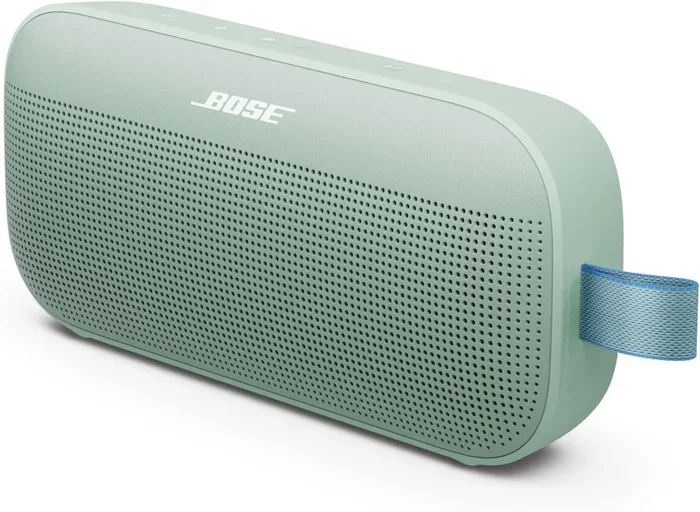
Some people wonder if they can use a Bluetooth speaker with their turntable. The answer depends on your setup. If your turntable has a built-in preamp and a 3.5mm output, you can connect it to a Bluetooth speaker using an adapter. However, Bluetooth adds a small delay and may reduce audio quality slightly.
For the best results, use a wired connection whenever possible. Bluetooth works in a pinch, but it is not ideal for serious listening.
How to Connect Your Turntable to Speakers
Step-by-Step Connection Guide
Setting up your Audio Technica turntable with speakers is straightforward. Follow these steps for a clean and reliable connection.
- Place your turntable on a flat, stable surface. Vibrations can affect sound quality, so avoid placing it near speakers or subwoofers.
- Connect the turntable to a phono preamp if your model does not have a built-in one. Use RCA cables for this connection.
- Run RCA cables from the preamp (or turntable) to your speakers. Match the red plug to the red input and white to the white input.
- Power on your speakers first, then turn on the turntable.
- Set the volume to a low level before playing a record. This protects your speakers from sudden loud sounds.
If you are using powered speakers, the process is even simpler. You skip the preamp step (if your turntable has a built-in one) and go straight from the turntable to the speaker.
Common Connection Types
There are a few different cables and connectors you might encounter. Here is a quick look at each one:
- RCA cables: The standard connection for turntables. Red and white (or red and black) plugs for left and right audio channels.
- 3.5mm aux cable: Some turntables include a 3.5mm output. You can use this to connect to powered speakers or headphones.
- USB connection: Some Audio Technica models allow digital recording to a computer. This is great for archiving your record collection.
- Speaker wire: Used with passive speakers and amplifiers. Bare wire or banana plug connections are common.
Just like when you plug speakers into a laptop, the connection type determines compatibility and sound quality. Always match your cables to the correct inputs on both devices.
Common Mistakes to Avoid
Skipping the Phono Preamp
The most common mistake is connecting a turntable directly to speakers without a preamp. This results in very low volume and poor sound quality. The turntable signal is too weak to drive speakers on its own. Always use a preamp if your turntable does not have one built in.
Mismatching Impedance
If you are using passive speakers with an amplifier, make sure the impedance ratings match. Connecting an 8-ohm speaker to a 4-ohm output can damage your equipment. Check the labels on both the speaker and the amplifier before connecting them.
Using Cheap Cables
It might be tempting to grab the cheapest cables you can find. But poor-quality cables can introduce static, interference, and signal loss. Invest in decent RCA cables and speaker wire. Your ears will thank you.
Ignoring Speaker Placement
Where you place your speakers matters more than you might think. Speakers placed too close to walls can sound muddy. Placing them in corners can create bass buildup. For the best audio quality, position your speakers at ear level and angle them slightly toward your listening spot.
Best Speakers for Audio Technica Turntables
While you can use many different speakers, some work better than others. Here are a few recommendations based on different budgets and needs.
Budget-Friendly Options
- Edifier R1280T: Powered bookshelf speakers with RCA input. Great sound for the price. A popular choice for turntable setups.
- M-Audio BX5 D3: Active studio monitors that deliver accurate sound. Good for critical listening and vinyl playback.
- Presonus Eris E3.5: Compact powered speakers. Perfect for small rooms and starter setups.
Mid-Range Options
- Klipsch R-51M: Powered speakers with dynamic sound. They bring vinyl records to life with rich detail.
- Audioengine A5+: Premium powered speakers with built-in DAC. Excellent for audiophiles on a budget.
High-End Options
- KEF LSX II: Wireless powered speakers with stunning sound quality. A premium choice for serious vinyl fans.
- Wharfedale Evo 4.0: Passive speakers that pair beautifully with a quality amplifier. They deliver warm, natural sound.
Tips for Getting the Best Sound
Keep Your Equipment Clean
Dust on your stylus and records affects sound quality. Clean your records before each play and replace your stylus when it wears out. A dirty needle can damage your records and produce poor sound.
Upgrade Your Cables Over Time
You do not need the most expensive cables right away. Start with decent ones and upgrade as your system grows. Better cables reduce interference and improve signal clarity.
Experiment with Placement
Move your speakers around and listen carefully. Small changes in position can make a big difference. Try placing them on stands or decoupling pads to reduce vibrations.
Use a Quality Record Cleaning Kit
Clean records play better and last longer. A basic cleaning kit includes a carbon fiber brush, a cleaning solution, and a microfiber cloth. Some people also invest in a record cleaning machine for deeper cleaning.
Consider Room Acoustics
The room you listen in affects the sound. Hard surfaces cause echo, while soft surfaces absorb sound. Add rugs, curtains, or acoustic panels to improve the listening environment. Even simple changes can make a noticeable difference.
Can You Use Any Speaker For Audio Technica Turntable? The Final Word
So, can you use any speaker for Audio Technica turntable? The answer is mostly yes, but with the right setup. You need to match your speaker type to your turntable’s output. Use a preamp if needed. Choose the right cables. And place your speakers thoughtfully.
Whether you go with powered speakers, passive speakers, or a full stereo system, the goal is the same. You want to hear your vinyl records the way the artist intended. With the right speaker setup, you will enjoy warm, rich, and detailed sound every time you drop the needle.
Start simple. A pair of powered speakers with RCA input is the easiest and most reliable way to begin. As you grow more experienced, you can explore passive setups, amplifiers, and more advanced configurations. The beauty of vinyl is in the journey. And your speaker choice is a big part of that journey.
Take your time, do a little research, and enjoy the process. Your Audio Technica turntable deserves the right speakers to bring it to life. Happy listening!
Frequently Asked Questions
Do I need a phono preamp for my Audio Technica turntable?
It depends on your turntable model. Some Audio Technica turntables have a built-in preamp, while others do not. Check your model’s manual or look for a Phono/Line switch on the back. If your turntable lacks a built-in preamp, you will need an external one to connect to most speakers.
Can I connect my turntable to a Bluetooth speaker?
Yes, but it requires an adapter if your turntable does not support Bluetooth natively. You can use a Bluetooth transmitter that plugs into the RCA or 3.5mm output. Keep in mind that Bluetooth may introduce a slight delay and reduce audio quality compared to a wired connection.
What is the difference between powered and passive speakers?
Powered speakers have a built-in amplifier and plug directly into a wall outlet. Passive speakers do not have a built-in amp and need an external amplifier or receiver to work. Powered speakers are easier to set up, while passive speakers offer more customization options.
Can I use computer speakers with my Audio Technica turntable?
Yes, you can use computer speakers if they have an RCA or 3.5mm input. Many powered computer speakers work well with turntables. Just make sure the speaker input matches your turntable’s output type for the best connection.
How do I know if my speaker impedance is compatible?
Check the impedance rating on the back of your speaker and your amplifier. Common ratings are 4, 8, or 16 ohms. Your amplifier should be rated to handle the speaker impedance. Mismatching can cause poor sound quality or damage to your equipment.
What cables do I need to connect a turntable to speakers?
You typically need RCA cables to connect the turntable to the speakers or amplifier. If your turntable has a 3.5mm output, you can use a 3.5mm-to-RCA adapter cable. For passive speakers, you will also need speaker wire to connect the amplifier to the speakers.
=== CONCLUSION ===
Can you use any speaker for Audio Technica turntable? Yes, but choosing the right one makes all the difference. From powered speakers to passive setups, the options are flexible and varied. Focus on turntable compatibility, use the right cables, and include a phono preamp if needed. With the right speaker setup, your vinyl records will sound amazing every time you play them.