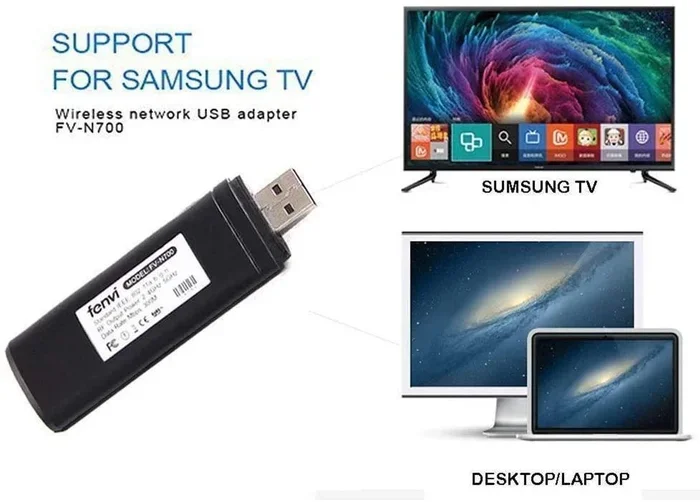
Can I Use A USB WiFi Adapter On My Non Smart TV Now
Yes, you can use a USB WiFi adapter on most non smart TVs to get wireless internet access. A USB WiFi adapter is a simple and affordable way to connect your non smart TV to WiFi and start streaming your favorite shows. This guide walks you through everything you need to know about compatibility, setup, and best adapter picks for your TV.
Key Takeaways
- USB WiFi adapters work on many non smart TVs: Most TVs with USB ports can support a WiFi adapter, but compatibility varies by model and brand.
- Not all adapters are equal: You need the right type of adapter that matches your TV’s USB port and power output.
- Setup is usually simple: Plug in the adapter, follow on-screen prompts, and connect to your WiFi network in minutes.
- Wireless streaming opens up new possibilities: You can access Netflix, YouTube, and other apps without a smart TV or extra streaming box.
- Common issues are fixable: Driver problems, weak signals, and power issues can be resolved with a few troubleshooting steps.
- Consider alternatives too: Streaming sticks, HDMI dongles, and Ethernet adapters are other great options for non smart TVs.
📑 Table of Contents
- Can I Use a USB WiFi Adapter on My Non Smart TV Now?
- What Is a USB WiFi Adapter and How Does It Work?
- Can You Really Connect a Non Smart TV to WiFi?
- Types of USB WiFi Adapters You Can Use
- How to Set Up a USB WiFi Adapter on Your TV
- Benefits of Making Your Non Smart TV WiFi-Enabled
- Common Problems and How to Fix Them
- Expert Tips for Getting the Best Performance
- Alternatives to USB WiFi Adapters for Non Smart TVs
- Final Thoughts
Can I Use a USB WiFi Adapter on My Non Smart TV Now?
If you own a non smart TV and want to cut the cord on cable, you have probably wondered about wireless internet options. The good news is that using a USB WiFi adapter on a non smart TV is possible in many cases. It is one of the simplest and most affordable ways to bring wireless connectivity to your television set.
But before you rush out and buy one, there are a few things you need to know. Not every USB WiFi adapter will work with every TV. Compatibility matters a lot. And the setup process can differ depending on your TV brand and model. This guide covers everything you need to make an informed decision.
In this article, we will explore how USB WiFi adapters work, which ones are compatible with non smart TVs, how to set them up, and what alternatives you have. Whether you want to stream movies, browse the web, or cast content from your phone, this guide has you covered. Let us dive in.
What Is a USB WiFi Adapter and How Does It Work?
A USB WiFi adapter is a small device that plugs into the USB port on your TV. It allows your TV to connect to your home wireless network without needing a wired Ethernet connection. Think of it as a tiny radio receiver that picks up WiFi signals from your router.
These adapters come in different shapes and sizes. Some look like tiny flash drives. Others are slightly larger with external antennas for better signal strength. The basic idea is the same, though. The adapter sends and receives wireless signals, turning your non smart TV into a WiFi-capable device.
Here is how it works in simple terms:
- You plug the adapter into a USB port on your TV.
- The TV recognizes the adapter and may prompt you to install drivers.
- You go to your TV network settings and scan for available WiFi networks.
- You select your network, enter the password, and connect.
- Your TV now has wireless internet access.
Some TVs have built-in support for USB WiFi adapters. Others may not recognize the device at all. This is why checking compatibility before buying is so important.
How Wireless Connectivity Works on TVs
Most smart TVs have a WiFi chip built right into the motherboard. Non smart TVs do not have this chip. A USB WiFi adapter essentially adds that missing chip. It gives your TV the ability to communicate with your wireless router and access the internet.
The adapter uses the same WiFi standards that your router does. This includes WiFi 4 (802.11n), WiFi 5 (802.11ac), and WiFi 6 (802.11ax). The newer the standard, the faster and more reliable the connection. For smooth streaming, a WiFi 5 or WiFi 6 adapter is ideal.
Can You Really Connect a Non Smart TV to WiFi?
The short answer is yes, in most cases. But the longer answer depends on a few factors. Let us break down what determines whether a USB WiFi adapter will work on your specific TV.
TV Brand and Model Compatibility
Different TV brands handle USB devices differently. Samsung, LG, Sony, Toshiba, and Vizio all have their own approaches. Some brands have specific requirements for USB WiFi adapters. Others are more flexible.
For example, many Samsung TVs from the mid-2010s onward support USB WiFi adapters. They have a built-in network settings menu that can detect and configure compatible adapters. LG TVs are similar. Sony TVs tend to be pickier about which adapters they support.
Here are some general compatibility guidelines:
- Samsung TVs: Most models from 2012 and newer support USB WiFi adapters. Look for models that list “WiFi adapter” in the manual.
- LG TVs: Many LG models work with USB WiFi adapters, especially those with the “Simple Share” or “NetCast” platform.
- Sony TVs: Sony TVs often require specific adapter models. Check the Sony compatibility list before buying.
- Toshiba and Vizio TVs: These brands tend to be more flexible with USB WiFi adapters but may still have limitations.
USB Port Type and Power Output
Not all USB ports are created equal. Your TV may have USB 2.0 or USB 3.0 ports. USB 2.0 ports provide less power, which can be a problem for some adapters. If the adapter needs more power than the USB port can supply, it may not work properly.
Look at the back of your TV and check the USB port specifications. If the port is USB 2.0, choose a low-power adapter. Some adapters even come with a USB Y-cable that draws power from two USB ports at once. This ensures the adapter gets enough power to function.
Also, consider the physical size of the USB port. Some TVs have recessed or tightly spaced ports. Make sure the adapter can fit and stay plugged in securely.
Types of USB WiFi Adapters You Can Use
Not all WiFi adapters are the same. There are several types available on the market, and each has its own strengths. Let us look at the most common types you will find.
Standard USB WiFi Dongles
These are the most basic type of adapter. They are small, plug-and-play devices that connect to your WiFi network. They are affordable and widely available. However, they may not offer the best signal strength or speed.
Standard dongles work well for basic streaming in HD. If you only watch YouTube or browse the web, a basic dongle is fine. For 4K streaming or online gaming, you may need something more powerful.
WiFi Adapters with External Antennas
These adapters have one or more external antennas that boost signal reception. They are better at picking up weak WiFi signals from far away. If your TV is in a different room from your router, this type of adapter is a great choice.
The external antennas make the adapter slightly larger. But the trade-off is a stronger and more stable connection. Brands like TP-Link, Netgear, and ASUS make excellent adapters with external antennas.
Dual-Band vs. Single-Band Adapters
WiFi adapters operate on different frequency bands. A single-band adapter uses the 2.4GHz band. A dual-band adapter uses both 2.4GHz and 5GHz bands.
Here is a quick comparison:
- 2.4GHz band: Longer range, slower speeds, more prone to interference from other devices.
- 5GHz band: Shorter range, faster speeds, less interference from other devices.
For the best streaming experience, a dual-band adapter is recommended. The 5GHz band provides faster speeds and a more stable connection for HD and 4K content.
WiFi Adapters with Ethernet Ports
Some USB WiFi adapters also include an Ethernet port. This gives you the option to switch between wireless and wired connections. These adapters are versatile and useful if you want the flexibility of both options.
They tend to be a bit more expensive. But the added flexibility can be worth it, especially if your WiFi signal is weak in the TV room.
How to Set Up a USB WiFi Adapter on Your TV
Setting up a USB WiFi adapter on a non smart TV is usually straightforward. But the exact steps can vary depending on your TV brand and the adapter you choose. Here is a general guide that works for most setups.
Step-by-Step Setup Process
- Check compatibility: Make sure your TV supports USB WiFi adapters. Check your TV manual or the manufacturer website for a list of compatible adapters.
- Purchase the right adapter: Choose a dual-band adapter from a reputable brand. Make sure it matches your TV’s USB port type and power requirements.
- Plug in the adapter: Insert the USB WiFi adapter into an available USB port on your TV. If the port does not provide enough power, use the Y-cable or a powered USB hub.
- Wait for recognition: Your TV should recognize the adapter within a few seconds. Some TVs will display a notification. Others may require you to go into the settings menu.
- Install drivers if needed: Some TVs auto-install the necessary drivers. Others may prompt you to install them from a USB drive or download them from the manufacturer website.
- Go to network settings: Navigate to your TV settings and find the network or WiFi section.
- Scan for networks: Your TV should now detect available WiFi networks. Select your network from the list.
- Enter the password: Type in your WiFi password carefully. Make sure there are no typos.
- Connect and test: Once connected, open a streaming app or browser to test the connection. Check the signal strength in your network settings.
Common Setup Issues and Quick Fixes
Sometimes things do not go smoothly during setup. Here are common issues and how to fix them:
- TV does not recognize the adapter: Try a different USB port. Make sure the adapter is fully inserted. Check if the adapter is compatible with your TV model.
- Adapter recognized but no networks found: Move the adapter closer to your router. Interference from other USB devices can sometimes cause this issue.
- Connection drops frequently: Switch to the 5GHz band if your adapter supports it. Update the adapter drivers if available.
- Slow speeds: Restart your router and TV. Check if other devices on the network are using heavy bandwidth.
Quick Tips for a Smooth Setup
- Always update your TV firmware before setting up a new adapter.
- Keep the adapter away from other USB devices that might cause interference.
- Place your router close to the TV for the best signal strength.
- Use a USB extension cable if the adapter does not fit snugly in the port.
- Restart both the adapter and router if you experience connectivity issues.
Benefits of Making Your Non Smart TV WiFi-Enabled
Adding a USB WiFi adapter to your non smart TV opens up a world of possibilities. Here are the biggest benefits you will enjoy.
Access to Streaming Services
With a WiFi connection, you can access popular streaming services directly on your TV. Netflix, YouTube, Hulu, Disney+, and Amazon Prime Video are all available. You no longer need a smart TV or a separate streaming device to watch your favorite shows.
Some non smart TVs have a built-in web browser or app store. A WiFi adapter unlocks these features. You can download and install apps right on your TV.
Screen Mirroring and Casting
A WiFi adapter enables screen mirroring from your phone, tablet, or laptop. You can cast photos, videos, and presentations to your TV screen wirelessly. This is great for sharing memories with family or giving presentations at home.
Both Android and iOS devices support screen mirroring to WiFi-enabled TVs. The process is simple and does not require any extra cables or equipment.
Cost Savings
Buying a USB WiFi adapter is much cheaper than purchasing a new smart TV or a streaming box. A good adapter costs between 15 and 50 dollars. That is a fraction of the price of a new 55-inch smart TV.
You also save on monthly subscription costs. Instead of paying for cable TV, you can use free and low-cost streaming services. Over time, the savings add up significantly.
Flexibility and Portability
A USB WiFi adapter is small and portable. You can take it with you when you travel or move to a new home. It works with any TV that has a compatible USB port and supports WiFi adapters.
This makes it a great option for renters, college students, or anyone who does not want to invest in a permanent setup.
Common Problems and How to Fix Them
While using a USB WiFi adapter on a non smart TV is generally reliable, you may run into some issues. Here are the most common problems and their solutions.
Driver Compatibility Issues
Some TVs require specific drivers to recognize a USB WiFi adapter. If your TV does not detect the adapter, the drivers may be missing or outdated. Check the adapter manufacturer website for TV-specific drivers.
Download the latest drivers to a USB flash drive. Plug the flash drive into your TV and install the drivers through the TV settings menu. Restart the TV after installation and try connecting again.
Weak WiFi Signal
A weak WiFi signal can cause buffering, slow loading, and connection drops. This is especially common if your TV is far from your router.
Here are some ways to improve your signal:
- Move your router closer to the TV.
- Use a WiFi adapter with external antennas for better reception.
- Switch to the 5GHz band for a faster and more stable connection.
- Remove physical obstacles between the router and the TV.
- Avoid placing the router near microwaves or other electronic devices.
Power Supply Problems
Some USB WiFi adapters draw more power than a TV USB port can provide. This can cause the adapter to disconnect or not work at all.
The fix is simple. Use a USB Y-cable to draw power from two USB ports. Or use a powered USB hub to supply enough power to the adapter. This ensures a stable and consistent connection.
Firmware and Software Updates
Keeping your adapter and TV firmware up to date is important. Updates often include bug fixes and performance improvements. Check the adapter manufacturer website regularly for the latest firmware.
Similarly, update your TV software whenever a new update is available. This ensures the best compatibility with your WiFi adapter and other connected devices.
Expert Tips for Getting the Best Performance
To get the most out of your USB WiFi adapter and non smart TV, follow these expert tips.
Choose the Right Adapter for Your Needs
Not all adapters are created equal. If you only watch SD content, a basic adapter is fine. But if you want to stream in HD or 4K, invest in a high-quality dual-band adapter. Look for adapters that support WiFi 5 or WiFi 6 for the best speeds.
Brands like TP-Link, Netgear, and ASUS are trusted and reliable. They offer adapters specifically designed for TV use. These adapters often come with TV compatibility lists on their product pages.
Optimize Your Home Network
The performance of your WiFi adapter depends heavily on your home network. Make sure your router is up to date and placed in a central location. Use a WiFi analyzer app to find the least congested channel for your router.
If you have a large home, consider adding a WiFi extender or mesh network system. This boosts the signal in rooms where the TV is located and ensures a consistent connection.
Use a Wired Connection When Possible
While WiFi is convenient, a wired Ethernet connection is always faster and more stable. If your TV is near your router, consider using an Ethernet adapter instead of a WiFi adapter. Some USB adapters even include an Ethernet port for this purpose.
A wired connection eliminates signal interference and provides the best streaming experience. It is especially useful for 4K content and online gaming.
Keep Your Adapter Clean and Secure
Dust and debris can accumulate in the USB port and affect the adapter’s performance. Periodically clean the port with compressed air. Make sure the adapter is firmly seated in the port to avoid loose connections.
Also, protect your network by using a strong WiFi password. This prevents unauthorized users from accessing your network and slowing down your connection.
Alternatives to USB WiFi Adapters for Non Smart TVs
A USB WiFi adapter is not the only way to connect a non smart TV to the internet. Here are some alternatives worth considering.
Streaming Sticks and Devices
Devices like Roku, Amazon Fire TV Stick, and Google Chromecast are popular alternatives. They plug into the HDMI port on your TV and provide smart TV features including WiFi connectivity. These devices often offer a better user experience than a USB WiFi adapter alone.
Streaming sticks come with their own app stores, remotes, and interfaces. They turn any TV with an HDMI port into a smart TV. They are easy to set up and use, even for people who are not tech-savvy.
HDMI WiFi Dongles
HDMI WiFi dongles are similar to streaming sticks but more compact. They plug directly into the HDMI port and provide wireless internet access. Some models also support screen mirroring and casting from mobile devices.
These dongles are great for people who want a minimal and clutter-free setup. They are small enough to stay plugged in behind the TV without being noticed.
Ethernet Adapters
If you prefer a wired connection, an Ethernet adapter is a solid choice. These adapters plug into the USB port and provide an Ethernet port for a wired internet connection. They offer the fastest and most stable connection available.
Ethernet adapters are ideal for 4K streaming and online gaming. They eliminate the variability of wireless signals and provide consistent performance.
Comparison of Alternatives
| Option | Connection Type | Ease of Setup | Cost Range | Best For |
|---|---|---|---|---|
| USB WiFi Adapter | Wireless | Easy | $15-$50 | Basic WiFi connectivity |
| Streaming Stick | Wireless | Very Easy | $30-$80 | Full smart TV experience |
| HDMI WiFi Dongle | Wireless | Easy | $20-$60 | Minimalist setup |
| Ethernet Adapter | Wired | Easy | $15-$40 | Maximum stability and speed |
Each option has its own advantages. The best choice depends on your specific needs, budget, and TV setup. A USB WiFi adapter is a great starting point for basic wireless connectivity. Streaming sticks offer a more complete smart TV experience. Ethernet adapters provide the best performance for demanding applications.
Final Thoughts
Using a USB WiFi adapter on a non smart TV is a practical and affordable solution for bringing wireless internet to your television. It is simple to set up, works with most TV brands, and opens up a world of streaming possibilities.
Before buying an adapter, check your TV’s compatibility. Choose a dual-band adapter from a reputable brand. Follow the setup steps carefully, and troubleshoot any issues that come up. With the right adapter and a little patience, you can transform your non smart TV into a WiFi-connected entertainment hub.
Remember, a USB WiFi adapter is just one of several options available. Streaming sticks, HDMI dongles, and Ethernet adapters are all worth considering depending on your needs. The key is to find the solution that fits your TV, your budget, and your streaming habits.
Now that you know the answer to the question “Can I use a USB WiFi adapter on my non smart TV,” you are ready to take the next step. Pick the right adapter, follow the setup guide, and start enjoying wireless streaming on your TV today.
Frequently Asked Questions
Can any USB WiFi adapter work on a non smart TV?
Not all USB WiFi adapters are compatible with every TV. You need to check your TV manual or the manufacturer website for a list of supported adapters. Choose a dual-band adapter from a reputable brand to increase the chances of compatibility.
Do I need to install drivers for a USB WiFi adapter on my TV?
Some TVs automatically install the necessary drivers when you plug in the adapter. Others may require you to install drivers manually. Check the adapter manufacturer website for TV-specific drivers and installation instructions.
Can I use a USB WiFi adapter for 4K streaming on a non smart TV?
Yes, but you need a high-quality dual-band adapter that supports WiFi 5 or WiFi 6. A basic single-band adapter may not provide enough speed for smooth 4K streaming. Make sure your internet plan also supports the required bandwidth.
What is the difference between a USB WiFi adapter and a streaming stick?
A USB WiFi adapter only provides wireless internet connectivity to your TV. A streaming stick plugs into the HDMI port and provides a full smart TV experience with apps, interfaces, and remotes. They serve different purposes but can complement each other.
Will a USB WiFi adapter slow down my internet speed?
A good quality WiFi adapter should not significantly slow down your internet speed. However, a cheap or outdated adapter may not support the latest WiFi standards, which can limit your speeds. Choose an adapter that matches or exceeds your internet plan speeds.
Can I use a powered USB hub with a WiFi adapter on my TV?
Yes, using a powered USB hub is a great way to ensure your WiFi adapter gets enough power. This is especially helpful if your TV USB port does not provide sufficient power output. A powered hub can stabilize the connection and prevent disconnections.