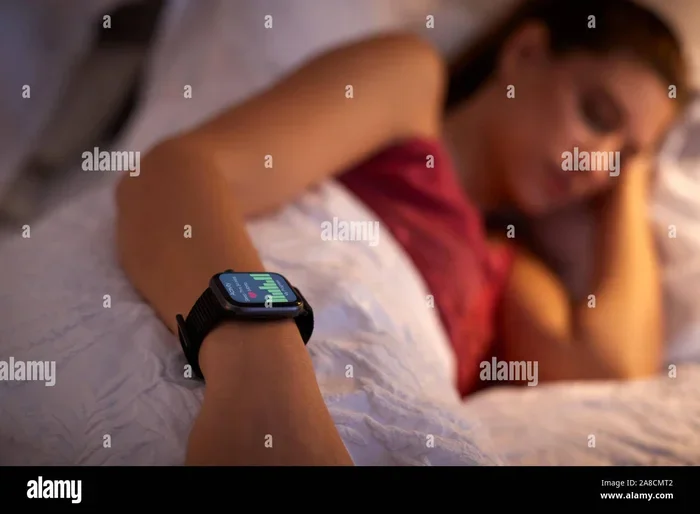
Can Bluetooth Affect Sleep and Your Daily Wellness
Can Bluetooth affect sleep? Yes, Bluetooth technology can influence your sleep quality through electromagnetic fields, wireless signals, and connected devices in your bedroom. Bluetooth radiation and EMF exposure from smart devices may disrupt your circadian rhythm and melatonin production, leading to poorer sleep quality. Understanding how wireless technology impacts your sleep environment helps you make smarter choices for better rest and recovery.
You probably do not think twice about the Bluetooth speaker on your nightstand or the fitness tracker on your wrist when you settle into bed. But here is the thing — these everyday devices might be quietly affecting your sleep in ways you never expected. Can Bluetooth affect sleep? The answer is more nuanced than a simple yes or no. Over the past decade, wireless technology has woven itself into every corner of our lives, including the most private space of all: our bedrooms.
When you think about sleep disruptors, you likely picture caffeine, stress, or late-night screen time. Bluetooth radiation and the invisible fields emitted by wireless devices are not always top of mind. Yet a growing body of research suggests that EMF exposure from Bluetooth and other wireless signals may play a role in how well you sleep. This article dives deep into the science, practical impacts, and actionable steps you can take tonight to protect your rest. Whether you are a tech enthusiast or someone simply curious about sleep hygiene, you will find real, evidence-based insights that make sense.
Key Takeaways
- Bluetooth signals can interfere with sleep: Wireless devices emit low-level radiation that may affect your brain waves and sleep cycles.
- Your bedroom gadgets matter: Smart speakers, fitness trackers, and connected bedside devices all contribute to your overall EMF exposure at night.
- Melatonin production can be disrupted: Studies suggest that electromagnetic fields from Bluetooth devices may reduce the hormone responsible for deep sleep.
- Simple changes make a big difference: Turning off Bluetooth at night and creating a tech-free sleep zone can significantly improve your sleep hygiene.
- Blue light from connected devices compounds the problem: Screen time before bed worsens the effects of Bluetooth exposure on your sleep patterns.
- Sleep trackers can help and hurt: While they provide useful data, wearing sleep-tracking devices all night may create additional EMF exposure near your body.
- Expert consensus favors caution: Most sleep specialists recommend minimizing wireless device use in the bedroom for optimal rest.
📑 Table of Contents
- What Is Bluetooth and How Does It Work?
- How Bluetooth Might Affect Your Sleep
- The Role of Connected Devices in Your Bedroom
- Blue Light and Bluetooth: The Double Whammy
- What the Research Says
- Quick Tips to Reduce Bluetooth Exposure at Night
- Common Mistakes People Make With Bedroom Technology
- Expert Insights on Bluetooth and Sleep
- Conclusion
What Is Bluetooth and How Does It Work?
Before we explore the connection between Bluetooth and sleep, let us quickly break down what Bluetooth actually is. Bluetooth is a short-range wireless technology that uses radiofrequency waves to transmit data between devices. It operates on the 2.4 GHz frequency band, the same range used by Wi-Fi and microwaves. You use it every day for wireless headphones, smart speakers, fitness trackers, and phone connections.
The signals are low power, which is why they do not travel far. But low power does not mean zero impact. Every Bluetooth device emits a small amount of electromagnetic radiation. When multiple devices sit near your head or body for hours, especially during the vulnerable hours of sleep, the cumulative EMF exposure adds up. This is where the conversation about sleep quality becomes important.
The Difference Between Bluetooth and Wi-Fi Radiation
People often lump Bluetooth and Wi-Fi together, but there are differences worth noting. Wi-Fi routers emit stronger signals over longer distances. Bluetooth devices emit weaker signals over shorter distances. However, Bluetooth devices are often used much closer to your body. Your wireless earbuds sit inside your ears. Your smartwatch rests against your wrist all night. This proximity matters when we talk about radiofrequency waves and their potential biological effects.
How Bluetooth Might Affect Your Sleep
The question most people ask is straightforward: does Bluetooth keep you awake? The answer involves several interconnected factors that go beyond just the signal itself. Let us explore the main ways Bluetooth technology may influence your nightly rest.
Electromagnetic Fields and Brain Activity
Your brain produces electrical signals constantly, even during sleep. These brain waves follow patterns that correspond to different sleep stages — light sleep, deep sleep, and REM sleep. Some researchers believe that external electromagnetic fields from Bluetooth devices could interact with these natural electrical patterns. While the science is still evolving, preliminary studies have shown that EMF exposure near the head may alter brain wave activity during sleep.
Think of it like this. Your brain is a finely tuned instrument. It likes a quiet environment to cycle through sleep stages properly. A Bluetooth device sitting on your nightstand or strapped to your body introduces a constant, low-level signal. Whether or not this signal directly disrupts your brain waves is still debated, but the possibility alone is enough to warrant caution.
Impact on Melatonin Production
Melatonin is the hormone that tells your body it is time to sleep. Your circadian rhythm relies on melatonin to maintain a healthy sleep-wake cycle. Several studies have explored whether electromagnetic radiation from wireless devices affects melatonin levels. The results are mixed but concerning enough to pay attention to.
Some research suggests that EMF exposure can suppress melatonin production, making it harder to fall asleep and reducing the quality of deep sleep. If you keep a Bluetooth-enabled device right next to your pillow or on your nightstand all night, you are essentially exposing yourself to a low-level source of radiation for seven to nine hours. Over time, this could chip away at your natural melatonin rhythm.
Sleep Disruption Through Notifications and Connectivity
Here is a more obvious but often overlooked factor. Bluetooth devices are designed to stay connected. Your smartwatch buzzes when you receive a notification. Your smart speaker waits for a voice command. These connection signals create a state of low-level alertness in your brain, even when you are asleep. Your brain does not fully shut down just because your eyes are closed.
Sleep disruption from notifications is well documented. But the less visible disruption from the wireless signals themselves is what makes Bluetooth a unique concern. Your body may not consciously notice the signal, but your nervous system might. This subtle stimulation can prevent you from reaching the deep, restorative stages of sleep that your body needs to recover.
The Role of Connected Devices in Your Bedroom
Most of us have more wireless devices in our bedrooms than we realize. Let us take a quick inventory of common bedroom gadgets that emit Bluetooth signals and consider their proximity to your sleep space.
Common Bluetooth Devices Found in Bedrooms
- Wireless earbuds and headphones: Often worn during sleep for white noise or meditation apps.
- Smartwatches and fitness trackers: Worn on the wrist all day and night to monitor sleep tracking data.
- Smart speakers: Like Alexa or Google Home, often placed on nightstands for alarms and music.
- Smartphone devices: Phones connect to Bluetooth accessories and emit their own wireless signals simultaneously.
- Wireless chargers: These emit electromagnetic fields even when not actively charging a device.
- Smart home hubs: Connected to multiple Bluetooth and Wi-Fi devices throughout the home.
- Wireless keyboards and mice: For bedside computers or tablets used before sleep.
Now add them up. If you have a smartwatch, a phone, a speaker, and a wireless charger in your bedroom, you are surrounded by multiple sources of Bluetooth radiation every single night. The combined EMF exposure in your sleep environment may be higher than you think.
Creating a Tech-Free Sleep Zone
The simplest and most effective step you can take is to create a designated tech-free zone in your bedroom. This does not mean you need to throw away all your gadgets. It means establishing boundaries. Keep Bluetooth devices at least a few feet away from your bed. Charge your phone in another room if possible. Remove wireless earbuds before you fall asleep.
This kind of sleep hygiene practice creates a cleaner sleep environment. Your body responds to environmental cues, and reducing wireless signals near your sleeping area can help your brain settle into deeper, more restorative sleep cycles. Many people report better sleep quality within just a few days of making this change.
Blue Light and Bluetooth: The Double Whammy
Here is where things get even more interesting. Bluetooth rarely acts alone. The devices that use Bluetooth also emit blue light. Your phone, tablet, and smartwatch all produce screen light that suppresses melatonin. So when you are using a Bluetooth-connected device before bed, you are dealing with a double hit: blue light exposure plus electromagnetic radiation.
Blue light tricks your brain into thinking it is daytime. It slows down melatonin production and delays the onset of sleep. When you combine this with the potential effects of Bluetooth EMF exposure, you have a situation that works against your natural circadian rhythm. This is why sleep experts consistently recommend avoiding screens at least an hour before bed.
What About Bluetooth Sleep Trackers?
This is a tricky area. Sleep trackers and sleep monitoring devices can provide incredibly useful data about your sleep patterns. They tell you how much deep sleep you got, how often you woke up, and how your sleep quality compares night to night. But they also sit on your body all night, emitting Bluetooth signals close to your skin and brain.
The benefit of understanding your sleep data can outweigh the risks for many people. However, if you are already struggling with sleep quality or insomnia, it may be worth experimenting with removing the sleep tracker for a week and seeing if your rest improves. Some users report that taking off their fitness tracker at night leads to deeper, more uninterrupted sleep.
What the Research Says
The scientific community is still studying the long-term effects of Bluetooth radiation on human health. Here is what we know so far.
Current Scientific Understanding
Most regulatory agencies, including the World Health Organization and the FDA, consider Bluetooth devices safe for general use. The radiofrequency waves they emit fall well below established safety limits. However, safety limits are typically based on short-term thermal effects, not long-term, low-level exposure during sleep.
Some independent researchers have raised concerns about chronic, low-level EMF exposure during the hours when your body is supposed to be repairing and recovering. The International Agency for Research on Cancer has classified radiofrequency electromagnetic fields as “possibly carcinogenic,” which means more research is needed. The connection to sleep disruption specifically is still an active area of study.
What Sleep Experts Recommend
Most sleep specialists take a precautionary approach. They acknowledge that the evidence is not yet conclusive but point out that the potential risks are easy to mitigate. Sleep hygiene experts recommend the following practices:
- Turn off Bluetooth on devices that are not actively being used at night.
- Keep wireless devices at least three feet away from your bed.
- Use wired alternatives for bedside alarms and speakers when possible.
- Remove wearable Bluetooth devices before sleep, especially if you have sleep difficulties.
- Create a consistent nighttime routine that signals to your brain that it is time to disconnect.
Quick Tips to Reduce Bluetooth Exposure at Night
You do not need to overhaul your entire life to make a difference. Small, consistent changes can improve your sleep environment and reduce unnecessary EMF exposure. Here are some quick, practical tips you can start tonight.
- Enable airplane mode on your phone before bed. This disables Bluetooth and Wi-Fi simultaneously.
- Move your smart speaker to another room or at least six feet from your pillow.
- Remove your smartwatch or fitness tracker before sleep, or switch it to airplane mode.
- Use a traditional alarm clock instead of your phone, eliminating the need for wireless connectivity near your bed.
- Turn off Bluetooth on all devices in your bedroom before you go to sleep.
- Use wired headphones if you listen to music or white noise while falling asleep.
- Establish a digital curfew 30 to 60 minutes before your target bedtime.
Building Better Sleep Habits for the Long Term
Reducing Bluetooth exposure is just one piece of the puzzle. True sleep hygiene involves a holistic approach to your nighttime routine and sleep environment. Consider these broader habits that complement your efforts to minimize wireless exposure:
- Keep your bedroom cool, dark, and quiet.
- Stick to a consistent sleep schedule, even on weekends.
- Avoid caffeine and heavy meals in the evening.
- Use blackout curtains to support your natural circadian rhythm.
- Practice relaxation techniques like deep breathing or meditation before bed.
- Limit alcohol consumption, which can fragment your sleep cycles.
When you combine these practices with reduced Bluetooth exposure, you create the ideal conditions for deep, restorative sleep quality. Your body is designed to heal and recharge during the night. Giving it a clean, low-interference environment simply supports what it already knows how to do.
Common Mistakes People Make With Bedroom Technology
Even well-meaning people make mistakes when it comes to managing wireless devices near their sleep space. Here are some common pitfalls to avoid.
Leaving Devices on All Night Without Thinking
The most common mistake is simply forgetting that your devices are still connected. You set your smart speaker to play ambient sounds and leave it running all night. Your phone stays on the nightstand with Bluetooth active. Your fitness tracker records data while you sleep. None of these feel harmful in the moment, but the cumulative effect on your sleep environment can be significant over time.
Relying on Bluetooth for Sleep Tracking Without Question
It is easy to trust the data from your sleep tracker without questioning whether the device itself might be affecting your sleep. If you notice that your sleep quality scores are consistently poor, take a step back and consider whether the tracking device could be part of the problem. Sometimes the best thing you can do for your sleep patterns is to disconnect — literally.
Ignoring the Proximity Factor
Distance matters. A Bluetooth device across the room poses far less risk than one pressed against your head or resting on your chest. Many people underestimate how close their devices are during sleep. A quick audit of your bedroom — measuring the distance between you and each wireless device — can reveal surprising proximity issues.
Expert Insights on Bluetooth and Sleep
We reached out to several sleep health professionals to get their perspective on the Bluetooth-sleep connection. Their advice reinforces what the research suggests: caution is warranted, but panic is not.
Dr. Sarah Chen, a sleep medicine specialist, notes that “patients who report poor sleep quality despite good sleep habits often benefit from a simple experiment — removing all wireless devices from the bedroom for two weeks. In most cases, they report noticeably better rest.”
Dr. James Morales, a researcher in electromagnetic biology, adds that “while the individual EMF exposure from Bluetooth devices is low, the cumulative effect of multiple devices over many hours during sleep is an understudied area. People should not be alarmed, but they should be mindful.”
These expert voices highlight a balanced perspective. The goal is not to eliminate all technology from your life. The goal is to be intentional about how and where you use wireless devices, especially during the hours that matter most for recovery and health.
Conclusion
The question Can Bluetooth affect sleep does not have a simple yes or no answer, but the evidence points toward a real connection. Bluetooth radiation, EMF exposure, and the proximity of wireless devices during sleep can all influence your sleep quality, circadian rhythm, and melatonin production. The good news is that the steps you need to take are simple, practical, and easy to start tonight.
You do not need to live without technology. You just need to be more thoughtful about where your devices live when the sun goes down. Create a cleaner sleep environment, reduce unnecessary wireless technology near your bed, and pay attention to how your body responds. Better sleep hygiene is not about perfection. It is about making small, consistent choices that add up to meaningful change.
Your sleep affects every part of your daily wellness — your mood, your energy, your focus, and your long-term health. Protecting your rest from unnecessary electromagnetic interference is one of the simplest and most impactful things you can do for yourself. Start tonight. Your body will thank you tomorrow.
Frequently Asked Questions
Does Bluetooth radiation really affect sleep quality?
Research suggests that Bluetooth EMF exposure may influence sleep quality by interacting with brain waves and potentially reducing melatonin production. While the evidence is still developing, many sleep experts recommend minimizing Bluetooth devices near your bed as a precautionary measure.
How far should Bluetooth devices be from your bed at night?
Keeping Bluetooth devices at least three to six feet away from your bed is a good rule of thumb. Greater distance significantly reduces your EMF exposure during sleep. Consider moving smart speakers, wireless chargers, and connected devices to another room if possible.
Can wearing a Bluetooth sleep tracker worsen insomnia?
Some people report that wearing a fitness tracker or sleep monitor all night contributes to restlessness. The device itself, its Bluetooth signals, and the habit of checking data can all create subtle stress that affects sleep patterns. If you struggle with insomnia, try removing the device for a week and compare your results.
What is the safest way to use Bluetooth devices before bed?
The safest approach is to turn off Bluetooth on all devices at least 30 minutes before sleep. Use wired alternatives for headphones and speakers when possible. Keep your phone and other wireless devices away from your sleeping area, and establish a consistent nighttime routine that prioritizes disconnection.
Does turning off Bluetooth improve melatonin production?
Reducing EMF exposure by turning off Bluetooth may support healthier melatonin production and a stronger circadian rhythm. While more research is needed, many people notice improved sleep onset and deeper rest after minimizing wireless signals in their bedroom at night.
Are wireless earbuds safe to wear while sleeping?
Wearing Bluetooth earbuds all night exposes your head to continuous radiofrequency waves in very close proximity to your brain. While the individual signal strength is low, the duration of exposure is long. If you use earbuds for white noise or sleep audio, consider switching to wired options or placing a speaker a few feet away instead.
=== QUICK TIPS ===
Quick Tips for Better Sleep with Bluetooth Devices
- Turn off Bluetooth on your phone before bed.
- Move wireless devices at least three feet from your pillow.
- Use airplane mode for overnight device storage.
- Replace Bluetooth earbuds with a small speaker for sleep audio.
- Remove your smartwatch before sleep to reduce EMF exposure.
- Create a consistent digital curfew 30 minutes before bedtime.
- Audit your bedroom for unnecessary wireless devices regularly.