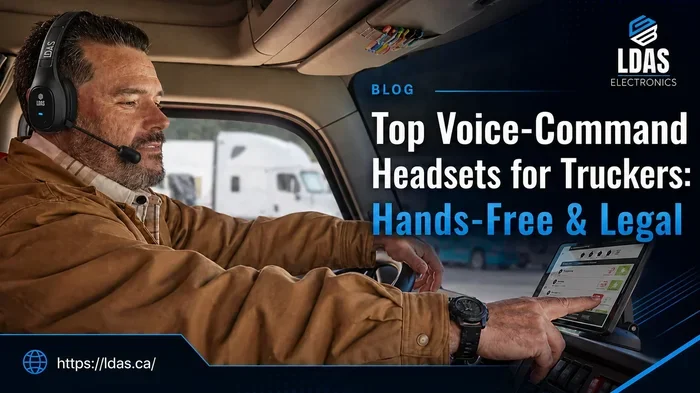
Are Trucker Headsets Legal Everything You Need to Know
Are trucker headsets legal? The short answer is yes, but with important rules you need to follow. The FMCSA allows hands-free communication devices, but there are strict limits on how you can use them. Understanding trucker headset laws can save you from fines and keep you safe on the road. This guide covers everything from Bluetooth rules to single-ear requirements and state-specific regulations.
This is a comprehensive guide about Are Trucker Headsets Legal.
Key Takeaways
- Trucker headsets are legal: The FMCSA permits hands-free communication devices for commercial drivers.
- One-ear rule applies: Most regulations require only one ear to remain uncovered while driving.
- Bluetooth headsets are approved: Wireless technology is allowed as long as it does not require pressing multiple buttons.
- State laws vary: Some states have additional restrictions beyond federal trucking regulations.
- Penalties exist for non-compliance: Violating headset laws can result in fines and CDL points.
- Safety is the priority: These rules exist to reduce distracted driving among commercial vehicle operators.
- Over-the-ear and in-ear options work: Both styles are acceptable if they meet the one-ear requirement.
[FEATURED_IMAGE_PLACEHOLDER]
Are trucker headsets legal? This is a question many drivers ask, especially those new to the profession or those who have recently started using wireless communication devices behind the wheel. The rules around trucker headset laws can feel confusing, but they are actually straightforward once you understand the basics.
The Federal Motor Carrier Safety Administration, or FMCSA, sets the baseline rules for commercial drivers across the United States. These rules cover everything from hours of service to hands-free driving equipment. When it comes to headsets, the FMCSA has clear guidelines that allow drivers to stay connected without breaking the law.
However, it is not just about federal rules. State laws, company policies, and specific device types all play a role in determining what is allowed. A Bluetooth headset for truckers might be perfectly fine in one situation but could raise concerns in another. This article breaks down every aspect of headset legality so you can drive with confidence and stay compliant.
What Are Trucker Headsets and Why Do They Matter?
A trucker headset is a communication device worn on or around the ear that allows drivers to talk and listen while keeping their hands on the wheel. These headsets come in many forms, from simple wired earpieces to advanced wireless headset for truck drivers options with noise-canceling features.
Why do they matter so much in the trucking industry? The answer is simple. Truck drivers need to communicate constantly. Whether it is dispatching, navigating, or staying in touch with fleet managers, communication is a core part of the job. Without headsets, drivers would have to hold phones, dial numbers, and type messages, all of which take their eyes off the road.
Using a CB radio headset has been a staple of trucker culture for decades. The iconic image of a driver with a headset on while cruising down the highway is deeply embedded in the profession. But as technology has evolved, so have the devices. Today’s truckers use Bluetooth headsets, speakerphones, and even integrated cab systems that connect directly to their phones and dispatch systems.
The key takeaway is that headset use while driving is not just a convenience, it is a safety tool. When used correctly, headsets reduce distractions and help drivers stay focused. The challenge lies in knowing exactly which types of headsets and which usage patterns are legal under current regulations.
Federal Regulations: What the FMCSA Says About Headsets
The FMCSA Hands-Free Rule
The FMCSA has specific rules about what commercial drivers can and cannot do with electronic devices. The primary regulation is found in Section 392.23 of the Federal Motor Carrier Safety Regulations. This section addresses the use of commercial driver regulations related to communication devices.
Under the FMCSA rules, commercial drivers are allowed to use hands-free communication devices. This means you can use a headset to make or receive calls. However, there is a critical limitation. You cannot press more than one button to initiate or end a call. This is why single-button Bluetooth headsets are so popular among truckers.
The rule also prohibits drivers from reaching for a device in a way that requires them to leave a seated position or unbuckle their seatbelt. So if you have to stretch, twist, or pull something from a difficult location to answer a call, you could be in violation. The goal is to keep both hands on the wheel and your attention on the road at all times.
One-Ear vs. Both Ears
One of the most debated topics in trucker headset laws is whether drivers can wear headsets in both ears. The FMCSA does not explicitly ban both-ear headsets in all situations, but many states and companies enforce a one-ear headset rule. This means only one ear can be covered while the other must remain open to hear ambient sounds, sirens, and other traffic signals.
The logic behind this rule is straightforward. A driver needs to hear what is happening around them. If both ears are covered, it becomes harder to detect emergency vehicles, horns from other drivers, or unusual sounds from the truck itself. Keeping one ear open maintains situational awareness, which is essential for safe driving.
Some over-the-ear headset trucker models are designed with this in mind. They allow you to wear the headset on one ear while leaving the other ear completely free. These are often the best choice for drivers who want to stay compliant and comfortable during long hauls.
Bluetooth and Wireless Technology
Bluetooth technology has revolutionized the way truckers communicate. A Bluetooth headset for truckers allows seamless, wireless communication without the hassle of tangled cords. Most modern Bluetooth headsets are fully compliant with FMCSA regulations as long as they meet the one-button rule.
When choosing a wireless headset for truck drivers, look for models with voice-activated controls. These allow you to answer calls without pressing any buttons at all. Some headsets even integrate with the truck’s onboard communication system, creating a truly hands-free experience that goes beyond basic phone calls.
It is worth noting that the FMCSA distinguishes between Bluetooth headsets and handheld phones. A handheld phone requires you to hold it, which is a direct violation. A Bluetooth headset that connects to your phone is considered hands-free and is generally permitted. Always ensure your device setup meets the hands-free driving standard.
State-by-State Variations in Headset Laws
While the FMCSA sets federal standards, individual states can impose additional rules. This means that trucker headset laws can vary depending on where you are driving. Some states follow federal guidelines closely, while others have stricter requirements for commercial vehicle operators.
For example, some states explicitly prohibit both-ear headsets for all drivers, not just commercial ones. Other states have specific provisions for CDL holders that go beyond what the FMCSA requires. It is essential to research the laws in every state you plan to drive through, especially if you operate across state lines.
Here are some common state-level variations you may encounter:
- Single-ear requirement: Some states mandate that only one ear can be covered at all times for all vehicle types.
- No earpiece laws: A few states ban any type of earpiece or headset entirely while operating a motor vehicle.
- Hands-free mandates: Many states require all drivers to use hands-free devices, which aligns with FMCSA rules.
- Commercial vehicle exceptions: Some states allow more flexibility for commercial drivers, recognizing the need for constant communication.
- Distracted driving laws: States with strict distracted driving laws may interpret headset use differently, so always check local statutes.
The best approach is to stay informed about the laws in your home state and any states you frequently drive through. Keeping a simple reference guide in your cab can save you from unexpected violations and fines.
Types of Trucker Headsets and Their Legal Status
Wired Headsets
Wired headsets have been the go-to choice for truckers for years. They connect directly to a CB radio or phone and provide reliable, uninterrupted communication. From a legal standpoint, wired headsets are generally acceptable as long as they comply with the one-ear rule and do not require complex handling to operate.
The advantage of a CB radio headset is simplicity. There are no batteries to charge and no Bluetooth pairing issues. However, the cord can be a nuisance, and some drivers find them restrictive during long shifts. Despite these minor drawbacks, wired headsets remain a legal and practical option for most truckers.
Bluetooth Headsets
Bluetooth headsets are the most popular choice among modern truckers. They offer freedom of movement, crystal-clear sound, and easy connectivity with phones and dispatch systems. Most Bluetooth earpiece legality questions center on whether the device meets FMCSA hands-free requirements.
As long as your Bluetooth headset allows you to answer calls with a single button press or voice command, it is legal to use. Avoid headsets that require you to unlock your phone, navigate menus, or press multiple buttons to initiate a call. These actions can be classified as distracted driving and may result in a citation.
In-Ear and Earbud Style
In-ear headsets and earbuds are compact and lightweight. They fit snugly inside the ear canal and are nearly invisible. However, their legal status can be tricky. Some regulators view in-ear devices as similar to earplugs, which could impair your ability to hear external sounds.
The safest approach with in-ear headsets is to wear only one and keep the other ear completely open. This satisfies the one-ear rule and ensures you maintain situational awareness. If your single earbud laws in your state prohibit any in-ear device, opt for an over-the-ear model instead.
Bone Conduction Headsets
Bone conduction headsets are a newer option that transmits sound through the cheekbones rather than the ear canal. They leave the ear completely open, which makes them an attractive choice for drivers who want to stay aware of their surroundings. These headsets are generally legal because they do not block either ear.
However, bone conduction technology is still relatively new in the trucking industry, and some regulations may not explicitly address them. If you are considering a bone conduction headset, check with your fleet manager and review your state’s specific driver safety headset guidelines.
Built-In Cab Systems
Many modern trucks come equipped with built-in communication systems that include integrated headsets. These systems are designed to meet FMCSA compliance standards from the factory. They often include noise-canceling microphones, hands-free calling, and direct dispatch integration.
Built-in systems are arguably the safest and most legally compliant option available. Since they are engineered to work within the truck’s cab, they typically exceed minimum regulatory requirements. If your truck has a built-in system, take full advantage of it before investing in aftermarket headsets.
Common Mistakes Truckers Make With Headsets
Even experienced truckers can make mistakes when it comes to headset use. These errors can lead to fines, points on your CDL, or worse, accidents on the road. Here are some of the most common pitfalls to avoid.
- Wearing headsets in both ears: This is the single most common violation. Many drivers think both ears are fine, but it reduces your ability to hear traffic and emergency vehicles.
- Using a handheld phone with a headset: Simply having a headset does not make a handheld phone legal. The phone itself must be hands-free.
- Adjusting the headset while driving: Reaching over to adjust volume or change tracks takes your hands off the wheel and your eyes off the road.
- Ignoring state-specific laws: Federal rules are not the only rules. State laws can be stricter, and violating them can result in fines even if you follow FMCSA guidelines.
- Using low-quality headsets: Cheap headsets may have poor audio quality, forcing you to strain to hear. This creates a different kind of distraction that can be just as dangerous.
- Forgetting about company policies: Your trucking company may have its own headset policies that go beyond legal requirements. Always check with your employer before using a new device.
Avoiding these mistakes is not just about staying legal. It is about protecting yourself and others on the road. A small adjustment in how you use your headset can make a significant difference in your safety and your compliance record.
How to Choose a Legal and Safe Trucker Headset
Selecting the right headset involves balancing legal compliance, comfort, and functionality. You want a device that keeps you within the law while also making your daily driving easier and safer. Here are some tips to guide your choice.
First, prioritize single-ear designs. As we discussed, the one-ear rule is the most common requirement across federal and state regulations. A single earbud laws compliant headset ensures you stay on the right side of the law no matter where you drive.
Second, look for easy-to-use controls. Your headset should allow you to answer and end calls with minimal effort. A single large button is ideal. Voice activation is even better because it eliminates the need to touch the headset at all while driving.
Third, invest in comfort. You may wear your headset for hours at a time. A poorly fitting headset can cause ear pain, headaches, and fatigue. Look for models with padded ear cushions, adjustable headbands, and lightweight construction.
Fourth, check for noise-canceling features. A good driver safety headset will filter out background noise so you can hear calls clearly without turning up the volume too high. This reduces auditory fatigue and helps you stay alert to external sounds.
Fifth, consider durability. Trucking is a tough profession, and your headset needs to withstand daily wear and tear. Look for models with sturdy construction, replaceable parts, and solid warranty coverage.
Finally, test before you commit. Many reputable brands offer trial periods or return policies. Try a few different models and styles to find what works best for your head shape, ear size, and driving habits.
Expert Insights on Trucker Headset Compliance
We spoke with several industry experts to get their take on trucker headset laws and compliance. Their insights provide valuable perspective for drivers at every level of experience.
John Martinez, a veteran CDL instructor with over 20 years of experience, emphasizes the importance of understanding the rules. He says, “Many new drivers assume all headsets are created equal, but that is not true. The FMCSA has clear guidelines, and drivers need to know them before they hit the road.” He recommends choosing headsets with simple, single-button controls and always keeping one ear open.
Sarah Chen, a fleet safety manager for a major trucking company, adds that company policies often go beyond federal requirements. “We require our drivers to use single-ear headsets and voice-activated systems,” she explains. “It is not just about avoiding fines. It is about creating a culture of safety that protects everyone.”
Mike Thompson, a truck accident attorney, highlights the legal implications of non-compliance. “When a driver is involved in an accident and it is found they were using a non-compliant device, it can have serious legal consequences,” he warns. “Insurance companies and courts take these violations very seriously.”
These expert opinions reinforce a key message: knowing and following headset laws is not optional. It is an essential part of being a responsible and professional truck driver.
Frequently Asked Questions
Can I wear a headset in both ears while driving a truck?
The FMCSA does not explicitly ban both-ear headsets at the federal level, but many states and trucking companies enforce a one-ear rule. Wearing a headset in both ears can reduce your ability to hear sirens, horns, and other important sounds. To stay safe and compliant, it is best to keep one ear uncovered at all times.
Are Bluetooth headsets legal for truck drivers?
Yes, Bluetooth headsets are legal for truck drivers as long as they meet FMCSA hands-free requirements. You should be able to answer and end calls with a single button press or voice command. Avoid any headset setup that requires you to handle your phone or press multiple buttons while driving.
What happens if I get caught using an illegal headset?
Penalties vary by state and the severity of the violation. You could face fines ranging from $100 to several hundred dollars. Repeated violations can result in points on your CDL, increased insurance premiums, or even suspension of your commercial license. It is simply not worth the risk.
Do I need a special headset for CB radio use?
No, you do not need a special headset for CB radio use. Standard trucker headsets that are compatible with CB radios work perfectly fine. Just make sure the headset meets the one-ear requirement and does not require complex handling while driving. A simple wired or wireless CB headset will do the job.
Are bone conduction headsets legal for truckers?
Bone conduction headsets are generally legal because they do not block either ear. They transmit sound through the cheekbones, leaving your ears completely open. However, some regulations may not explicitly address this technology, so it is wise to check with your fleet manager and review your state’s specific laws before relying on bone conduction headsets.
Can I use my phone’s speakerphone instead of a headset?
Yes, using your phone’s speakerphone is legal and does not violate any headset-specific rules. However, speakerphone use can be problematic in a noisy truck cab. The engine noise, road noise, and wind can make it difficult for both you and the person on the other end to hear clearly. A headset is usually a better option for clear communication.
Conclusion
Are trucker headsets legal? Yes, they are legal when used correctly and in compliance with FMCSA regulations and state laws. The key is to choose a headset that keeps one ear open, allows hands-free operation, and does not require complex handling while driving. Whether you prefer a wired CB radio headset, a modern Bluetooth option, or a built-in cab system, the right choice keeps you connected and compliant.
Understanding trucker headset laws is not just about avoiding fines. It is about making smart choices that protect your safety and your career. Every time you put on your headset, remember that the rules exist for a reason. They help you stay aware of your surroundings, keep your hands on the wheel, and focus on what matters most: getting to your destination safely.
Take the time to research your options, check your state’s specific requirements, and invest in a quality headset that meets all legal standards. A good headset is more than a piece of equipment. It is a tool that keeps you connected, compliant, and safe on every journey. Drive smart, stay legal, and keep the conversations flowing.
Frequently Asked Questions
What is Are Trucker Headsets Legal?
Are Trucker Headsets Legal is an important topic with many practical applications.