Are Printers Dying Out Or Is Print Still Here To Stay
Are printers dying out? The short answer is no. Print technology has evolved dramatically, and printers remain essential in homes, offices, and creative industries. From wireless printing to eco-friendly designs, modern printers do far more than ever before. Digital printing innovations are keeping physical documents relevant in an increasingly paperless world.
We live in a world that moves fast. Screens are everywhere. We tap, swipe, and scroll through our days. So it is easy to assume that printers are becoming obsolete. But look closer. Printers are still everywhere. They sit on desks in homes and offices. They hum quietly in schools and hospitals. They produce everything from wedding invitations to engineering blueprints. The question is not really whether printers will disappear. The real question is how they are changing. And the answer to that is fascinating.
The idea that print is dead has been around for decades. People predicted the death of paper with every new digital tool. Email killed mail. Tablets replaced books. Cloud storage made filing cabinets useless. Yet here we are. Printers are still on store shelves. People still buy them. Still use them. Still depend on them. Are printers dying out? Absolutely not. They are adapting, evolving, and finding new purposes every single day.
Key Takeaways
- Printers are not obsolete: They continue to evolve with new features like wireless connectivity, mobile printing, and cloud integration.
- Print quality has improved massively: Modern inkjet and laser printers deliver stunning results for photos, documents, and creative projects.
- Home offices still need printers: Remote work has actually increased demand for reliable home printing solutions.
- 3D printing is booming: This technology is expanding what “printing” means far beyond paper.
- Eco-friendly printing is growing: Manufacturers are focusing on sustainability with refillable ink systems and energy-efficient designs.
- Print has unique advantages: Physical documents offer security, tangibility, and a reading experience screens can’t match.
📑 Table of Contents
- The Rise of the Paperless Office Myth
- How Modern Printers Have Evolved
- Printers in Different Industries
- 3D Printing: The Future of Print Technology
- Common Printer Mistakes That Shorten Lifespan
- The Environmental Side of Printing
- Comparison: Inkjet vs Laser Printers for Home Use
- Expert Insights on the Future of Printing
- Key Takeaways
- Conclusion
The Rise of the Paperless Office Myth
For years, experts promised us the paperless office. They said digital tools would eliminate the need for printed documents. And yes, we do use less paper than before. But the reality is more complicated. Many industries still rely heavily on physical documents. Legal contracts need wet signatures. Medical records often require hard copies. Schools still print worksheets and exams. Government offices process paper forms daily. The dream of a completely paperless world has not come true. And it might never fully arrive.
Why Paper Refuses to Disappear
There are several reasons people still print things. First, physical documents feel more official. A signed paper carries weight that a digital signature sometimes lacks. Second, not everyone trusts digital storage. Hard drives crash. Cloud services go down. Paper does not need Wi-Fi. Third, reading on paper has cognitive benefits. Studies show that people remember information better when they read it on physical pages. Fourth, some documents simply must be physical. Think about blueprints, architectural drawings, and medical imaging. These cannot be replaced by a screen alone.
The paperless office myth made people think printers would fade away. Instead, printers found new roles. They became multifunctional tools. They started scanning, copying, and faxing. They connected to networks. They joined the wireless revolution. Printers did not die. They grew up.
How Modern Printers Have Evolved
If you have not looked at a printer in a few years, you might be surprised. Today’s devices look nothing like the clunky machines from the early 2000s. Printer technology has advanced in remarkable ways. Let us explore what modern printers can do now.
Wireless and Mobile Printing
Gone are the days of tangled USB cables. Most modern printers offer wireless connectivity. You can print from your phone, tablet, or laptop without plugging anything in. Apple AirPrint and Google Cloud Print make this seamless. Many printers now support mobile printing apps. You can send a print job from anywhere in your home. This convenience has made printers more useful, not less.
All-in-One Functionality
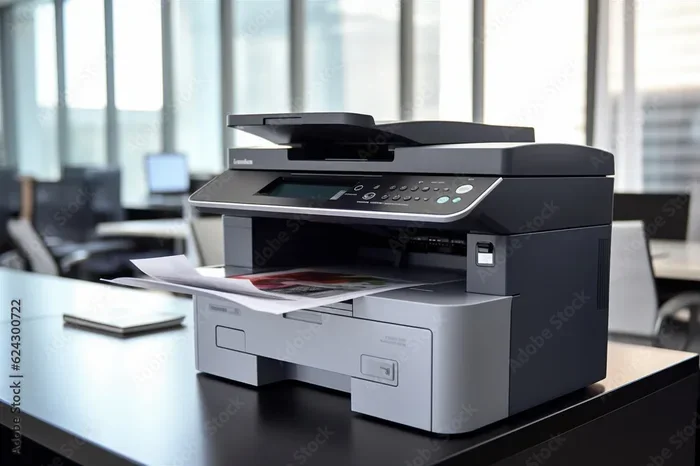
The modern multifunction printer combines printing, scanning, copying, and sometimes faxing in one device. These all-in-one printers save space and money. A small home office might only need one machine instead of three or four separate devices. The print quality on these machines has also improved dramatically. Color output is vibrant. Black text is razor sharp. Even budget models produce professional-looking results.
Ink and Toner Innovations
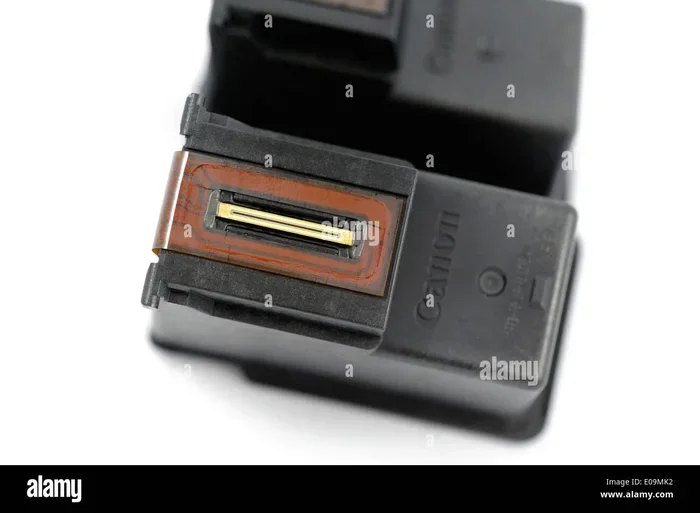
One of the biggest complaints about printers has always been cost. Ink cartridges used to be outrageously expensive. Today, manufacturers are responding. Eco-friendly printing options include refillable ink tank systems. These printers use large bottles of ink instead of small cartridges. The cost per page drops dramatically. Some models cost pennies per page instead of dollars. Laser printers also continue to improve. Toner cartridges last longer and produce cleaner text. Print costs are more manageable now than they were a decade ago.
Printers in Different Industries
Printers serve a wide range of industries. Each sector uses printing technology in unique ways. Let us look at where printers are thriving today.
Home Offices and Remote Work
The shift to remote work actually boosted printer sales. When people work from home, they still need to print documents. Contracts, tax forms, school assignments, and recipes all need paper. A reliable home office printer became an essential tool during the pandemic. Many workers discovered they preferred having physical copies of important documents. Remote work did not kill printers. It gave them a new purpose.
Creative and Design Industries
Graphic designers, photographers, and artists depend on high-quality printers. Large format printing produces posters, banners, and canvas prints. Sublimation printing creates vibrant custom products like mugs, phone cases, and apparel. Fine art photographers use specialized printers to produce gallery-quality prints. In creative fields, printers are not dying out. They are becoming more specialized and more important.
Education Sector
Schools and universities still use printers extensively. Students print essays, research papers, and study materials. Teachers print worksheets and handouts. Many educational institutions have invested in high-volume printers to handle heavy demand. While digital learning has grown, the need for physical materials has not disappeared. Print durability matters in educational settings. Textbooks, workbooks, and reference materials are all printed on paper.
Healthcare and Legal Fields
Hospitals, clinics, and legal offices remain heavy users of printers. Patient records, legal briefs, and court documents often require physical copies. Security concerns also play a role. Some sensitive documents are safer on paper than on servers. Document scanning technology in modern printers helps these industries digitize records while still maintaining paper backups. The print lifespan of these documents matters for compliance and record-keeping.
3D Printing: The Future of Print Technology
When people ask if printers are dying, they usually mean paper printers. But 3D printing is a whole different story. This technology has exploded in recent years. 3D printers build objects layer by layer using plastic, metal, resin, and other materials. The possibilities are incredible.
Manufacturers use 3D printers to create prototypes quickly. Dentists print custom dental crowns. Surgeons practice on 3D-printed organ models. Architects build scale models of their designs. Hobbyists create custom gadgets and toys at home. The 3D printing market is growing fast. Some experts predict it will be worth billions of dollars within the next decade.
This shows that printing technology is not dying. It is expanding into entirely new dimensions. When we talk about are printers dying out, we need to think beyond paper. The concept of printing is more alive than ever.
Common Printer Mistakes That Shorten Lifespan
Even the best printers can fail prematurely if you do not take care of them. Here are some common mistakes to avoid.
Skipping Regular Maintenance
Printers need regular cleaning and maintenance. Print heads can clog if you do not use the printer often. Dust builds up inside the machine. Paper jams happen more frequently when rollers are dirty. Setting a reminder to run a cleaning cycle once a month can save you from expensive repairs. Printer maintenance is simple but often overlooked.
Using Cheap or Incompatible Ink
It is tempting to buy the cheapest ink cartridges available. But cheap ink can damage your printer over time. Low-quality ink dries out faster and clogs print heads. It also produces inferior print quality. Stick with manufacturer-recommended cartridges or trusted compatible brands. Your printer will last longer and produce better results.
Ignoring Software Updates
Printer manufacturers release firmware updates regularly. These updates fix bugs, improve performance, and add new features. Ignoring updates means you miss out on improvements. Some updates also address security vulnerabilities. Keep your printer software up to date for the best experience.
Quick Tips for Extending Printer Life
- Turn off your printer when not in use to save energy and reduce wear.
- Use quality paper to prevent dust buildup inside the machine.
- Keep your printer in a cool, dry place away from direct sunlight.
- Run a nozzle check and cleaning cycle every few weeks.
- Replace cartridges before they completely run dry to avoid dried ink in the system.
The Environmental Side of Printing
Environmentally conscious consumers often wonder about the impact of printing. Paper production does affect forests. Ink cartridges create plastic waste. But the industry is responding. Many manufacturers now offer eco-friendly printing solutions. Refillable ink systems reduce plastic waste significantly. Some companies offer cartridge recycling programs. Energy-efficient printers use less electricity during operation and standby mode.
Double-sided printing reduces paper use by half. Digital proofing before printing saves wasted pages. Choosing recycled paper makes a difference too. Sustainable printing is not just a trend. It is becoming a standard practice. The print industry is working hard to reduce its environmental footprint while keeping the benefits of physical documents.
Comparison: Inkjet vs Laser Printers for Home Use
| Feature | Inkjet Printers | Laser Printers |
|---|---|---|
| Best For | Photos and color documents | Text-heavy documents and high volume |
| Print Speed | Slower, especially for color | Faster, especially for black and white |
| Upfront Cost | Lower, typically $50-$200 | Higher, typically $100-$400 |
| Cost Per Page | Higher, especially for color | Lower over time |
| Maintenance | Print heads may clog if unused | Minimal maintenance needed |
| Lifespan | 3-5 years typical | 5-10 years typical |
| Wireless Options | Common in modern models | Standard in most new models |
Both types have their strengths. Inkjet printers excel at photo printing and color accuracy. They are great for creative projects and school assignments. Laser printers shine in speed and text quality. They are ideal for offices and heavy users. The right choice depends on your specific needs and printing habits.
Expert Insights on the Future of Printing
Industry experts generally agree that printers are not going anywhere. Technology analyst Sarah Chen notes that “printing technology continues to innovate at a remarkable pace. The idea that printers are dying ignores the real-world demand for physical output.” Manufacturing expert James Rodriguez adds that “3D printing alone is creating entirely new markets that did not exist a decade ago. The printing industry is expanding, not shrinking.”
Market research supports this view. Global printer shipments have stabilized after a dip during the pandemic. Sales of multifunction printers remain strong. The home office printer market continues to grow as remote work becomes permanent for many companies. Print industry trends show consistent innovation and steady demand.
Expert Insight: The printing industry is shifting from selling hardware to offering solutions. Subscription-based printing services, managed print services, and integrated document workflows are the new growth areas. Printers are becoming part of larger digital ecosystems rather than standalone devices.
Key Takeaways
- Printers are evolving, not dying: Modern printers offer wireless connectivity, mobile printing, and multifunction capabilities that make them more useful than ever.
- Multiple industries depend on printing: From healthcare and law to creative design and education, physical documents remain essential across sectors.
- 3D printing is expanding the definition of print: This technology is creating entirely new markets and applications that did not exist before.
- Eco-friendly options are improving: Refillable ink systems, recycled materials, and energy-efficient designs are making printers more sustainable.
- Maintenance matters: Regular care and proper use can significantly extend your printer’s lifespan and performance.
- Print offers unique benefits: Tangibility, security, and cognitive advantages give physical documents qualities that digital files cannot match.
- The future is integrated: Printers are becoming part of smart home and office ecosystems, connecting seamlessly with other devices and cloud services.
Conclusion
So, are printers dying out? The evidence says no. Print is still here to stay. The technology has not stagnated. It is moving forward in exciting new directions. Paper printers are smarter, faster, and more affordable than ever. 3D printers are opening up entirely new possibilities. Print technology continues to serve essential needs in every sector of society.
The digital age has changed how we use printers. But it has not eliminated the need for them. Physical documents still matter. Tangible output still has value. And printing technology keeps finding new reasons to exist. Whether you need a simple home printer for occasional use or a high-end device for professional work, there has never been a better time to invest in printing solutions.
The next time someone tells you printers are obsolete, remind them of what you have learned here. Are printers dying out? Not even close. They are just getting started with their next chapter. Embrace the evolution. Keep printing smart. And enjoy the fact that this timeless technology continues to serve us in ways we are only beginning to discover.
Frequently Asked Questions
Do people still buy printers in 2024?
Yes, printer sales remain strong. While the market has shifted from explosive growth to steady demand, people continue to purchase printers for home offices, schools, and businesses. The rise of remote work has actually increased the need for reliable home printing.
Is printing bad for the environment?
Printing does have an environmental impact, but the industry is making significant improvements. Eco-friendly printers, refillable ink systems, and recycled paper options help reduce the footprint. Responsible printing practices can minimize waste while still enjoying the benefits of physical documents.
Can I print from my phone without a computer?
Absolutely. Most modern printers support wireless and mobile printing. You can print directly from your smartphone using apps like Apple AirPrint, Google Cloud Print, or manufacturer-specific mobile apps. No computer is needed for most print jobs.
How long does a printer typically last?
A well-maintained printer can last anywhere from 3 to 10 years depending on the type and usage. Inkjet printers typically last 3 to 5 years, while laser printers often last 5 to 10 years or more with proper care and regular use.
Are 3D printers considered real printers?
Yes, 3D printers are a legitimate and rapidly growing category of printing technology. They build three-dimensional objects layer by layer and are used in manufacturing, healthcare, education, and hobbyist communities around the world.
Will digital documents completely replace printed ones?
It is unlikely that digital documents will fully replace printed ones. Many industries require physical copies for legal, security, and practical reasons. Research also shows that people retain information better when reading on paper. A complete shift to digital seems improbable in the foreseeable future.