Advantages And Disadvantages Of Normalizing A Database
Normalizing a database is a crucial step in organizing data efficiently. It reduces data redundancy and improves data integrity, making your system faster and more reliable. However, over-normalizing can lead to complex queries and slower performance, so understanding the trade-offs is essential.
When you build a relational database, how you organize your data matters a lot. One of the most important steps is normalizing a database. This process helps you structure your data to avoid problems later on. But like any technical choice, it comes with trade-offs. In this guide, we will look at the advantages and disadvantages of normalizing a database. You will learn why it helps and when it might hold you back.
Think of database normalization like organizing a messy closet. You take out all your clothes and sort them into neat piles. You put shirts in one place and pants in another. This makes it easy to find what you need. But it also takes time and effort to set up. Normalizing a database works the same way. It splits your data into separate, related tables. This keeps things tidy. However, putting it all back together can get tricky.
Whether you are a database administrator or a beginner learning structured query language, understanding this concept is key. Good database design saves you from headaches down the road. It stops your data from becoming a tangled mess. Let us dive into what normalization really means and why you should care.
Key Takeaways
- Reduces Data Redundancy: Normalizing a database eliminates duplicate data, saving storage space.
- Improves Data Integrity: It ensures consistency and accuracy across your entire system.
- Simplifies Maintenance: Updating data becomes much easier when it is stored in one place.
- Can Slow Down Queries: Too many joins from over-normalization may hurt read performance.
- Requires More Design Time: Setting up a normalized database takes careful upfront planning.
📑 Table of Contents
What Is Normalizing A Database?
Understanding Database Design
Database design is the blueprint for how you store information. When you first create a database, you might put everything into one big table. This is easy at first. But as your app grows, that one table becomes a nightmare. You end up with tons of repeated information. This is where normalizing a database saves the day. It is the process of organizing fields and tables to reduce data redundancy. You break down your data into smaller, logical pieces.
Imagine a table that stores customer orders. Instead of repeating the customer name and address for every single item, you split the data. You put the customer info in one table. You put the order details in another table. You link them using a primary key and a foreign key. This is the core idea behind database normalization. It makes your relational database clean and efficient. A good database schema reflects these clear boundaries.
The Normal Forms Explained
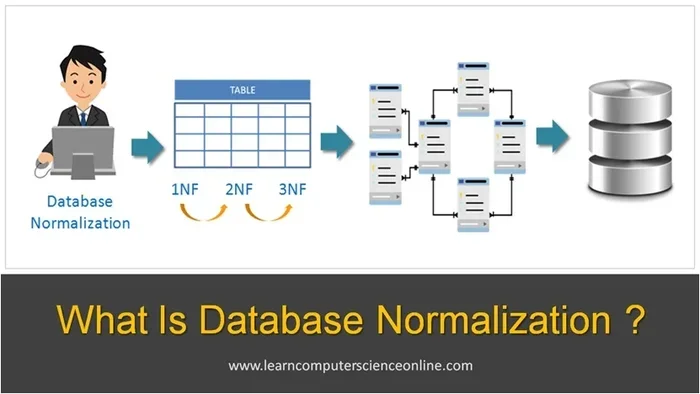
Normalization happens in stages called normal forms. Each form has specific rules. The most common ones are the first normal form, the second normal form, and the third normal form. You do not need to be an expert in all of them. But knowing the basics helps you understand the advantages and disadvantages of normalizing a database.
The first normal form means you remove duplicate columns. Each column holds a single value. You cannot store a list of phone numbers in one cell. The second normal form builds on this. It removes subsets of data that apply to multiple rows. You move them to separate tables. The third normal form goes further. It removes columns that do not depend on the primary key. Following these steps ensures your data integrity stays strong. Your normalized tables will be much easier to manage. The third normal form is often the sweet spot for most applications.
The Advantages Of Normalizing A Database
Eliminates Data Redundancy
The biggest win from normalizing a database is removing duplicate data. In a flat file system, you might store the same customer address fifty times. This wastes space and causes confusion. With a normalized database, you store each piece of data only once. You save disk space and keep things lean. This makes your database schema much cleaner.
Less redundancy also means fewer chances for mistakes. If a customer moves, you only update their address in one place. You do not have to hunt through fifty rows to change it. This is a huge time saver. Data redundancy is the enemy of a well-run system. Normalization fights it directly. You keep your storage costs low and your system lean. It also makes data modeling much simpler for your team.
Enhances Data Integrity
Data integrity means your data is accurate and consistent. When you normalize a database, you enforce strict rules. Every piece of data has one clear home. This prevents update anomalies. An update anomaly happens when you change data in one row but forget to change it in another. The database becomes unreliable and confusing.
Normalization also stops insert anomalies and delete anomalies. An insert anomaly stops you from adding data because other related data is missing. A delete anomaly accidentally wipes out important data when you remove a record. By using normalized tables, you avoid these traps. Your relational database stays trustworthy and accurate. You can trust the numbers you see in your reports. This is vital for any business that relies on data modeling for decisions.
Makes Updates Easier
When your data is organized well, daily tasks become much simpler. You spend less time searching for information. You spend more time using it. A well-structured database allows you to write faster structured query language commands. You can find what you need without scanning endless rows of repeated text.
For a database administrator, this is a dream come true. Maintenance becomes routine instead of a chore. You can add new features to your app without worrying about breaking the data model. Database normalization gives you a solid foundation. It makes your system ready to grow. Simple updates mean less stress for the whole team. Your developers will thank you for the clean structure.
Improves Scalability
As your business grows, your data grows too. A messy database will slow down and crash under pressure. A normalized database scales much better. Because data is split logically, you can add new tables easily. You do not have to restructure your entire system. This database performance advantage is critical for web applications. Users expect fast load times. They do not want to wait for a slow database to respond.
Normalization helps keep things running smoothly, even when traffic spikes. It is a smart investment for the long term. You build a system that can handle more customers and more orders without breaking a sweat. Good database design practices pay off big time here. You can scale up without rewriting your entire system.
Quick Tip
Always plan your database schema before you start coding. Sketch out your tables and their relationships. This saves you from major rework later. Good planning makes normalizing a database much easier and less stressful for everyone involved.
The Disadvantages Of Normalizing A Database
Complex Queries And Joins
The biggest downside to normalizing a database is complexity. Because you split data into many tables, you need joins to put it back together. A join combines rows from two or more tables based on a related column. While joins are powerful, they can slow things down. Writing complex structured query language joins takes skill and time.
For simple reports, you might need to join five or six tables. This makes your queries long and hard to read. New developers might struggle to understand the logic. Debugging errors in a highly normalized relational database can be frustrating. You need a strong grasp of foreign keys and relationships. Sometimes, finding the right data takes many steps. Junior developers often find this steep learning curve challenging.
Slower Read Performance
When you read data from a highly normalized database, it takes more steps. The system must fetch data from multiple tables and stitch it together. This process uses more CPU and memory. In high-traffic situations, this can hurt your database performance. Users might experience lag or slow load times.
If your app is read-heavy, like a social media feed, this is a real problem. You want to fetch data as fast as possible. Too many joins can become a bottleneck. You have to balance data integrity with speed. This is the main trade-off you face when you normalize a database. Read performance is not always the top priority, but it matters a lot to users.
Requires More Upfront Planning
You cannot just slap data into tables and call it normalized. Normalizing a database requires careful thought and design. You must understand how your data relates to itself. You must predict how users will access the data. This upfront planning takes time and expertise. If you make a mistake early on, fixing it later is painful. You might have to rebuild large parts of your database schema.
This is why many beginners skip normalization. They want quick results. But skipping this step often leads to a messy, broken system later. Database design is a marathon, not a sprint. You need to think about the future before you start writing code. Rushing this phase always causes problems down the road.
Increased Storage Overhead
Wait, did we say normalization saves space? Yes, it reduces redundancy. But splitting data into many tables adds overhead. Each table needs its own structure and indexes. You also need foreign keys to link them. These links take up extra storage space. For tiny applications, this overhead might not matter. But for massive systems, it adds up quickly.
Also, keeping track of all these relationships requires more processing power. The database engine works harder to maintain the links between tables. This is a hidden cost of database normalization that many people overlook. You trade raw storage space for logical structure. It is a trade-off you must consider carefully before you commit.
Normalizing A Database vs Denormalization
So, what is the alternative? The opposite of normalization is called denormalization. Denormalization adds redundancy back into your database on purpose. It combines tables to speed up reads. Many modern web applications use a mix of both. They normalize for safety and denormalize for speed. Choosing between them depends on your needs. Do you need perfect data accuracy? Or do you need blazing fast reads?
Most database administrators start with a normalized design. They then selectively denormalize for critical paths. This gives you the best of both worlds. Let us look at the main differences in the table below.
| Feature | Normalization | Denormalization |
|---|---|---|
| Data Redundancy | Low | High |
| Data Integrity | High | Lower |
| Query Speed (Reads) | Slower (more joins) | Faster (fewer joins) |
| Write Speed | Faster | Slower (more updates) |
| Complexity | Higher | Lower |
As you can see, neither approach is perfect. Normalizing a database gives you a clean, safe structure. Denormalization gives you speed. The trick is knowing when to use which one. You must test your specific workload to find the sweet spot for your app.
Common Mistakes When Normalizing A Database
Over-Normalizing Your Data
One common mistake is taking normalization too far. Some developers split data into so many tiny tables that reading it becomes impossible. This is called over-normalization. You end up with a database schema that has fifty tables for one simple report. The joins become a tangled web of confusion.
To avoid this, know your read patterns. If a report needs data from ten tables, maybe you should stop at the second normal form. Balance is key. You do not need to reach the third normal form for every single piece of data. Use your judgment and test the results. Ask yourself if the extra joins are worth the cleaner data.
Ignoring Data Anomalies
Another mistake is ignoring the signs of bad data design. If you see the same data repeated everywhere, you have redundancy. If deleting a row accidentally removes important info, you have a delete anomaly. Do not ignore these warnings. They mean your relational database is not properly normalized. Fix them early before they cause big problems.
Watch out for update anomalies and insert anomalies as well. These are clear signs that your data modeling needs work. Catching them early saves you from a massive rewrite later. Always validate your data rules before you go live. A little prevention saves a lot of pain.
Forgetting To Index Foreign Keys
When you link tables with foreign keys, you must index them. Indexes make joins fast. Without indexes, your database performance will tank. Many people forget this step. They create the links but leave them unoptimized. Always add indexes to your foreign keys to keep reads smooth.
Indexing is a small step that makes a huge difference. It speeds up your query speed dramatically. A slow query can ruin the user experience. Take the extra few minutes to add the right indexes. Your future self will thank you when traffic spikes hit your server.
Expert Insight
According to experienced database administrators, the best database design is the one that fits your app’s needs. There is no one-size-fits-all rule. Test your query speed with real data. Adjust your normalization level based on actual performance metrics, not just theory.
When Should You Normalize A Database?
Normalizing a database is almost always a good idea for transactional systems. Think of banking apps, e-commerce stores, and inventory management. In these systems, data accuracy is everything. You cannot afford update anomalies. A mistake in a bank balance is a huge problem. Normalization keeps your financial data safe and sound.
On the other hand, read-heavy analytics systems might benefit more from denormalization. Data warehouses often store pre-computed, redundant data. This lets analysts run reports in seconds instead of minutes. The key is to understand your use case. Match your database schema to your workload. Know what your users need most. A gaming leaderboard needs fast reads, while an accounting system needs perfect accuracy.
Quick Tips For Success
- Start normalized: Always begin with a fully normalized design. It is easier to denormalize later than to fix a messy database.
- Monitor performance: Use tools to track query speed and CPU usage. If joins are too slow, consider denormalizing that specific table.
- Document your schema: Keep a clear map of your tables and relationships. This helps your team understand the database structure.
- Use structured query language views: Views can hide the complexity of joins. They make reading normalized data much easier for developers.
Conclusion
Normalizing a database is a powerful technique for organizing your data. It offers clear benefits like reducing redundancy and ensuring accuracy. It keeps your relational database clean and easy to maintain. However, it is not without its downsides. Complex joins and slower reads can challenge your database performance.
The secret is to find the right balance for your project. Understand the advantages and disadvantages of normalizing a database. Plan your database design carefully. Test it under real conditions. With the right approach, you will build a system that is both reliable and fast. Start applying these principles today and watch your data quality improve. A well-normalized database is a solid foundation for any successful software application.
Frequently Asked Questions
What are the main goals of normalizing a database?
The main goals are to eliminate redundant data and ensure data integrity. By splitting your data into logical tables, you avoid storing the same information multiple times. This keeps your relational database clean and efficient.
Does normalizing a database make inserts and deletes faster?
Yes, it often does. Because you update data in only one place, inserts and deletes become much simpler. You do not have to worry about accidentally duplicating or missing records across multiple rows.
What is denormalization and why do people use it?
Denormalization is the process of intentionally adding redundancy back into your tables. People use it to speed up read performance and avoid complex joins. It is a common trade-off for read-heavy applications like analytics dashboards.
Can normalizing a database hurt my application’s speed?
Yes, it can if you over-normalize. Fetching data from many separate tables requires multiple joins, which slows down read queries. You must balance data integrity with the query speed your users need.
What is a data anomaly and how does normalization fix it?
A data anomaly is an error caused by data redundancy, like an update anomaly where you forget to change one row. Normalization fixes this by ensuring each fact is stored only once. This keeps your database schema consistent and accurate.
Is it necessary to normalize a database for small projects?
It is still a good habit, even for small projects. It teaches you good database design practices and prevents future headaches. While a tiny app might run fine without it, normalizing early saves you from messy data later.