Does It Really Matter What Internet Provider You Use
Your internet provider shapes your online experience in big ways. From speeds and reliability to pricing and customer service, the provider you choose truly impacts how you browse, stream, and work. Let’s explore what really matters and what doesn’t when picking an internet provider.
You’ve probably wondered whether it really matters which internet provider you pick. After all, the internet is the internet, right? Wrong. The provider you choose shapes nearly every part of your online life. From how fast your pages load to how much you pay each month, the difference between a good and bad provider can be huge.
In this guide, we’ll walk through everything you need to know about choosing an internet provider. We’ll cover speed, pricing, reliability, customer service, and more. By the end, you’ll know exactly what to look for and what red flags to avoid. Let’s dive in.
Key Takeaways
- Your provider affects speed and reliability: Not all internet providers deliver the same performance, and your choice directly impacts your daily online experience.
- Price varies wildly between providers: Comparing plans and hidden fees can save you significant money each month.
- Customer service quality differs a lot: A good provider makes troubleshooting painless, while a bad one can ruin your day.
- Technology type matters: Fiber, cable, DSL, and satellite each have different strengths that affect your connection quality.
- You can sometimes bring your own equipment: Buying your own router can cut costs and improve performance over time.
- Contract terms are important to read: Hidden fees and early termination penalties can add up fast if you’re not careful.
📑 Table of Contents
Why Your Internet Provider Choice Matters
Your internet provider is the gateway to everything you do online. Whether you’re streaming movies, working from home, or just browsing social media, the provider behind your connection plays a starring role. A bad choice can mean slow downloads, constant buffering, and frustrating outages.
Think of it like choosing a water supplier. The quality of the water, the pressure at your tap, and how reliable the delivery is all depend on the company you pick. The same logic applies to your broadband speed and overall connection quality. Here are the main reasons your provider choice matters.
Speed and Performance
Not all providers offer the same download speed or upload speed. Some deliver blazing fast fiber connections while others rely on older infrastructure that bottlenecks your experience. When you run an internet speed test, the results tell a story about your provider’s network quality.
Your bandwidth determines how many devices can connect at once without slowing down. If you have a family of five streaming, gaming, and video calling simultaneously, you need a provider that can handle that load. Cheap providers often throttle speeds during peak hours, which means your Wi-Fi coverage drops right when you need it most.
Pricing and Hidden Fees
The sticker price of an internet plan is only part of the story. Many providers bury extra fees in the fine print. Equipment rental charges, installation fees, and early termination penalties can add hundreds of dollars to your annual cost. Always read the full breakdown before signing up.
Some providers also lock you into long-term contracts with price hikes after the first year. What looks like a cheap deal in month one can become an expensive burden by month thirteen. Comparing total costs across providers gives you a much clearer picture of what you’re actually paying.
Reliability and Uptime
Downtime is the enemy of productivity. A reliable internet provider keeps your connection stable day and night. Some providers have better infrastructure and redundancy, which means fewer outages during storms or peak usage times.
Check outage reports and customer reviews before committing. A provider with a history of frequent disconnections will cost you more in frustration than any savings they offer. Look for providers with strong local infrastructure and responsive technical support teams.
Types of Internet Connections and How They Differ
Not all internet connections are created equal. The type of technology your provider uses affects everything from speed to availability. Let’s break down the main types so you can understand what’s available in your area.
Fiber Optic Internet
Fiber optic connections are the gold standard of home internet. They use light signals through glass fibers to deliver incredibly fast speeds with low latency. Fiber offers symmetrical upload and download speeds, which is perfect for video conferencing, cloud backups, and large file transfers.
The downside is availability. Fiber networks are still expanding and aren’t available everywhere yet. If fiber is an option in your area, it’s almost always the best choice for a home network.
Cable Internet
Cable internet uses the same coaxial cables that deliver television. It’s widely available and offers solid speeds for most households. Cable connections share bandwidth among neighbors, which means speeds can dip during peak evening hours.
Most cable providers offer competitive pricing and bundle options with TV and phone services. If fiber isn’t available, cable is usually the next best option for reliable home connectivity.
DSL Connections
DSL (Digital Subscriber Line) uses existing phone lines to deliver internet. It’s slower than fiber and cable but more widely available in rural and suburban areas. DSL speeds are adequate for basic browsing and streaming but may struggle with heavy usage.
If you’re in an area without cable or fiber, DSL can still get the job done for light internet use. Just don’t expect blazing fast performance or the low latency that modern applications demand.
Satellite Internet
Satellite internet beams a connection from space to a dish on your property. It’s available almost anywhere, making it a lifeline for rural areas. However, satellite connections suffer from high latency and weather-dependent performance.
If you live in a remote area and have no other options, satellite can work. But for streaming, gaming, or video calls, the experience can be noticeably worse than terrestrial connections.
How to Compare Internet Providers Effectively
Choosing the right provider takes a bit of homework. You need to compare more than just the monthly price tag. Here’s a step-by-step approach to making a smart decision.
Check Availability in Your Area
Not every provider serves every zip code. Start by checking which internet providers are available at your address. This immediately narrows your options and prevents wasted time researching providers you can’t actually get.
Use the FCC broadband map or individual provider websites to confirm coverage. Sometimes providers advertise availability but don’t service your specific street, so always double-check.
Compare Speed Tiers
Providers usually offer multiple speed tiers. A basic plan might give you 50 Mbps while a premium plan pushes 1 Gbps. Match your speed needs to your actual usage patterns. A household with heavy streaming and gaming needs more bandwidth than one with casual browsing.
Run an internet speed test during different times of day to understand peak performance in your area. This helps you set realistic expectations for the speeds you need from your provider.
Read the Fine Print on Contracts
Before you sign anything, read the contract carefully. Look for early termination fees, price increase clauses, and equipment rental charges. Some providers offer no-contract plans that give you flexibility without penalties.
Remember that you can cancel your Wi-Fi plan if the service doesn’t meet expectations. Understanding your rights before signing prevents unpleasant surprises down the road.
Evaluate Customer Service Quality
Customer service can make or break your experience with an internet provider. When your connection goes down at 10 PM on a Sunday, you want help that’s fast and effective. Check online reviews for response times, resolution rates, and overall satisfaction scores.
Look for providers with multiple support channels including phone, chat, and in-home service options. A provider that offers self-service troubleshooting tools and online account management saves you time and frustration.
Can You Save Money With Your Own Equipment?
Many providers charge a monthly fee to rent their modem and router. Over a year or two, these rental fees add up significantly. Buying your own equipment can save you real money in the long run.
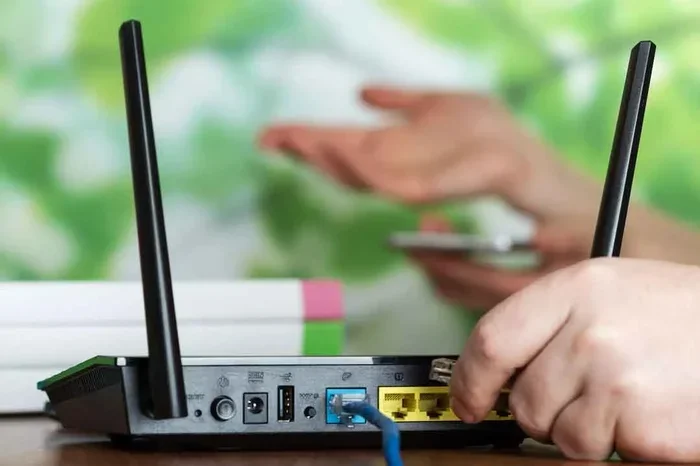
You can buy your own router for internet and connect it directly to your provider’s modem. This gives you more control over your network settings and often delivers better performance. Just make sure your equipment is compatible with your provider’s network specifications.
Some providers also let you connect straight to modem without renting their gateway device. This approach simplifies your setup and eliminates monthly rental charges. Check with your provider about their equipment policies before making a purchase.
Keep in mind that some providers like Optimum offer free router promotions for new customers. These deals can be a great way to get quality equipment without upfront costs. Just be sure to understand any terms or conditions attached to these offers.
What About Internet Without a Phone Line?
You might wonder if you can get online without a traditional phone line. The good news is that modern internet options have made phone lines largely unnecessary for home connectivity. Several technologies deliver internet without requiring a landline connection.
Cable, fiber, and fixed wireless internet all work independently of phone service. Even satellite internet doesn’t need any ground-based phone infrastructure. If you’re trying to cut the cord on traditional phone service, you have plenty of options for staying connected.
In fact, you can get internet in your home without a phone line in most areas today. The key is choosing the right technology type for your location and usage needs. Fiber and cable options typically offer the best performance without requiring any phone service whatsoever.
Common Mistakes People Make When Choosing a Provider
Avoiding common pitfalls saves you time, money, and frustration. Here are the mistakes most people make when selecting an internet provider and how to dodge them.
- Choosing based on price alone: The cheapest plan isn’t always the best value. Slow speeds and poor reliability cost you more in the long run.
- Ignoring data caps: Some providers limit your monthly data usage. Exceeding these caps triggers overage charges or speed throttling that kills your connection quality.
- Skipping the contract review: Hidden fees and automatic renewals trap you in expensive agreements. Always read the full terms before signing.
- Not checking equipment compatibility: Bringing your own router requires compatibility checks. Make sure your gear works with the provider’s network before you buy.
- Overlooking Wi-Fi coverage: Even the fastest internet plan won’t help if your router can’t reach every room. Consider mesh systems or range extenders for larger homes.
Taking a few extra minutes to research your options pays off big time. A well-informed choice leads to better speeds, lower costs, and fewer headaches for years to come.
The Bottom Line
So, does it really matter what internet provider you use? Absolutely yes. Your provider affects your speed, reliability, pricing, and daily online experience in ways that are hard to undo after you’ve signed a contract. Taking the time to compare options, read reviews, and understand the terms pays dividends for years.
The right provider delivers consistent speeds, affordable pricing, and responsive support when you need it most. The wrong one leaves you frustrated, overpaying, and stuck in a contract you can’t escape. Do your homework, ask the right questions, and don’t be afraid to switch if your current provider isn’t delivering.
Whether you’re setting up a new home or switching from a current provider, the effort you put into choosing wisely pays off immediately. Your online life depends on that connection, so make it count.
Frequently Asked Questions
Does my internet provider really affect my Wi-Fi speed?
Yes, your provider directly affects your Wi-Fi speed. They control the infrastructure, the bandwidth allocation, and the network quality that reaches your home. A better provider with modern infrastructure delivers faster and more consistent speeds than an older provider with outdated equipment.
Can I switch internet providers without penalty?
It depends on your contract terms. Many providers lock you into 12-24 month agreements with early termination fees. However, some providers offer no-contract plans that let you switch freely. Always check for cancellation penalties before you commit to a new service.
What should I look for in an internet plan?
Focus on download speed, upload speed, data caps, contract length, and hidden fees. Match these to your household’s usage patterns. A family that streams and games needs different specs than someone who mainly browses and checks email.
Is fiber internet worth the extra cost?
For most users, yes. Fiber offers the fastest speeds, lowest latency, and most reliable performance. If fiber is available in your area and the price fits your budget, it’s usually the best choice for a home network.
Can I use my own router with any internet provider?
Most providers allow you to use your own router, but you need to ensure compatibility. Check with your provider for supported models and setup requirements. Using your own router can save money on rental fees and give you more control over your network.
How often should I review my internet plan?
Review your plan at least once a year. Providers often change pricing, introduce new tiers, or offer better deals to retain customers. You might find that switching providers or renegotiating your plan saves you significant money each month.