Can I Plug Thunderbolt Into Usb C And What You Need To Know
Can I Plug Thunderbolt Into Usb C? The short answer is yes, but there are important details you need to understand. Thunderbolt uses the same connector as USB-C, which means the two technologies share a physical port. However, not every USB-C port supports Thunderbolt, and plugging a Thunderbolt device into a standard USB-C port will limit its capabilities. In this guide, we will walk you through everything you need to know about compatibility, speeds, cables, and how to get the best performance from your setup.
Key Takeaways
- Thunderbolt and USB-C share the same connector: The physical plug looks identical, but the technology inside differs.
- Not all USB-C ports support Thunderbolt: You need to check your device specs to confirm Thunderbolt compatibility.
- Thunderbolt offers much faster data transfer speeds: Up to 40 Gbps with Thunderbolt 3 and 4, compared to 10 Gbps for standard USB-C.
- Power delivery works in both directions: Thunderbolt and USB-C both support charging, but Thunderbolt delivers more power.
- Display support is better with Thunderbolt: You can connect multiple monitors and higher resolutions with Thunderbolt.
- Using the right cable matters: A certified Thunderbolt cable ensures you get the full speed and power benefits.
- Backward compatibility is built in: Thunderbolt devices work with USB-C ports, but at reduced speeds.
📑 Table of Contents
- Can I Plug Thunderbolt Into Usb C And What You Need To Know
- What Is Thunderbolt and How Does It Work with USB-C
- Can I Plug Thunderbolt Into Usb C
- Thunderbolt 3 vs Thunderbolt 4 vs USB-C
- What Happens When You Plug Thunderbolt Into Usb C
- How to Tell If Your Device Supports Thunderbolt
- Tips for Getting the Most Out of Your Thunderbolt and USB-C Setup
- Common Mistakes People Make with Thunderbolt and USB-C
- Final Thoughts on Can I Plug Thunderbolt Into Usb C
Can I Plug Thunderbolt Into Usb C And What You Need To Know
You have a Thunderbolt device in your hand. You look at the port on your laptop or desktop. It looks like a USB-C port. So you wonder, can I plug Thunderbolt into USB C? The answer is yes. But the full story is a bit more nuanced than that. Plugging a Thunderbolt cable into a USB-C port works, but the experience depends on what your device supports. You might get full Thunderbolt speeds, or you might get basic USB-C speeds. It all comes down to the port and the cable you use.
This guide breaks everything down for you. We will explain how Thunderbolt and USB-C relate to each other. We will cover speeds, power delivery, display support, and common mistakes. By the end, you will know exactly what to expect when you connect a Thunderbolt device to a USB-C port. You will also learn how to get the most out of your setup.
What Is Thunderbolt and How Does It Work with USB-C
Before we dive deeper into the question of whether you can plug Thunderbolt into USB C, let us understand what each technology is. Thunderbolt is a hardware interface developed by Intel in partnership with Apple. It was first introduced in 2011. Over the years, it has evolved into a powerful connectivity standard. Thunderbolt combines data, video, and power into a single cable. That is why it has become so popular for professionals and everyday users alike.
Understanding Thunderbolt Technology
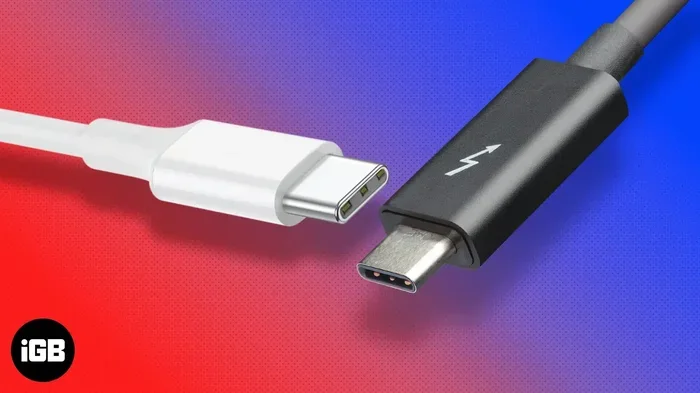
Thunderbolt uses the same physical connector as USB-C. This is one of the reasons people get confused. The connector is small, reversible, and oval-shaped. Thunderbolt 1 and 2 used the Mini DisplayPort connector, but Thunderbolt 3 and 4 switched to USB-C. This change made Thunderbolt much more accessible. Now, you can use Thunderbolt cables with any USB-C port, and vice versa.
The key difference is what happens inside the cable and the port. Thunderbolt supports a higher bandwidth protocol. It also supports more protocols at the same time. For example, Thunderbolt can carry USB data, DisplayPort video, and PCIe signals all at once. USB-C alone cannot do all of that at the same speed.
What Is USB-C
USB-C is a connector type, not a protocol. It is a small, reversible plug that can carry USB data, power, and video. USB-C is an industry standard. It is used in millions of devices, from smartphones to laptops to tablets. USB-C supports different speeds depending on the version. USB 3.2 Gen 1 offers 5 Gbps. USB 3.2 Gen 2 offers 10 Gbps. USB4 offers up to 40 Gbps. But USB-C itself is just the shape of the connector.
The important thing to remember is that USB-C is a universal connector. Thunderbolt 3 and Thunderbolt 4 use the USB-C connector. But not every USB-C port is a Thunderbolt port. This is where the confusion starts for most people.
Can I Plug Thunderbolt Into Usb C
So, can I plug Thunderbolt into USB C? Yes, you absolutely can. The physical connector is the same. A Thunderbolt cable will fit into a USB-C port. A Thunderbolt device will plug into a USB-C port. But here is the catch. The experience depends on what the port supports.
The Short Answer
If you plug a Thunderbolt device into a standard USB-C port, it will work. But it will only operate at USB-C speeds. You will not get the full Thunderbolt bandwidth. You will not get the extra display outputs. You will not get the Thunderbolt networking features. You will simply get standard USB-C functionality. This is called backward compatibility, and it works in both directions.
On the other hand, if you plug a USB-C device into a Thunderbolt port, it will also work. The Thunderbolt port supports USB-C devices natively. This is one of the biggest advantages of the Thunderbolt standard. It is designed to be fully compatible with USB-C.
How Thunderbolt and USB-C Compatibility Works
When you plug a Thunderbolt cable into a Thunderbolt port, the devices negotiate the connection. They agree on the highest common speed and features. If both sides support Thunderbolt 4, you get 40 Gbps. If one side is Thunderbolt 3 and the other is Thunderbolt 4, you get Thunderbolt 3 speeds of 40 Gbps. If one side is just USB-C, the connection drops to USB-C speeds.
This negotiation happens automatically. You do not need to do anything special. The devices figure it out on their own. But it is important to know what your port supports so you can set the right expectations.
Thunderbolt 3 vs Thunderbolt 4 vs USB-C
Not all Thunderbolt and USB-C connections are the same. There are different versions with different capabilities. Understanding these differences helps you make better decisions about your setup.
Key Differences Explained
Thunderbolt 3 was introduced in 2015. It offers 40 Gbps bandwidth. It supports one 4K display or two 1080p displays. It delivers up to 100 watts of power. Thunderbolt 4 was introduced in 2020. It also offers 40 Gbps bandwidth. But it adds stricter requirements. Thunderbolt 4 must support two 4K displays or one 8K display. It also requires wake-from-sleep support and better security features.
Standard USB-C ports vary widely. A basic USB-C port might only support USB 2.0 at 480 Mbps. A better USB-C port might support USB 3.2 at 10 Gbps. The best USB-C ports support USB4, which also offers 40 Gbps. But USB4 is not the same as Thunderbolt 4, even though they share the same connector.
Comparison Table
| Feature | Thunderbolt 3 | Thunderbolt 4 | USB-C (Standard) |
|---|---|---|---|
| Max Data Speed | 40 Gbps | 40 Gbps | Up to 40 Gbps (USB4) or 10 Gbps (USB 3.2) |
| Display Support | 1 x 4K or 2 x 1080p | 2 x 4K or 1 x 8K | Varies by device |
| Power Delivery | Up to 100W | Up to 100W | Up to 100W (USB PD) |
| PCIe Support | Yes | Yes | No |
| Backward Compatible with USB-C | Yes | Yes | N/A |
| Minimum Requirements | 40 Gbps, 1 display | 40 Gbps, 2 displays, wake from sleep | Varies |
What Happens When You Plug Thunderbolt Into Usb C
Now let us get into the practical side of things. What actually happens when you plug a Thunderbolt device into a USB-C port? The answer depends on the port and the device. Let us break it down by category.
Data Transfer Speeds
If you plug a Thunderbolt external drive into a standard USB-C port, the speed drops. You will not get the full 40 Gbps Thunderbolt speed. Instead, you get the speed of the USB-C port. If the port supports USB 3.2, you get up to 10 Gbps. If it only supports USB 2.0, you get 480 Mbps. That is a huge difference. A 1 TB file that takes 30 seconds over Thunderbolt might take 5 minutes over USB 3.2 and over an hour over USB 2.0.
This is why it matters to know what your USB-C port supports. Check your device manual or look up the specs online. A quick search for your laptop model plus USB-C specs will tell you everything you need to know.
Charging and Power Delivery
Both Thunderbolt and USB-C support USB Power Delivery. This means charging works in both directions. You can charge your laptop through a Thunderbolt cable or a standard USB-C cable. The power delivery depends on the charger and the device, not the cable type. A 65W USB-C charger will charge a compatible laptop whether you use a Thunderbolt cable or a standard USB-C cable.
However, Thunderbolt docks and hubs often provide better power delivery. Many Thunderbolt docking stations offer 85W or even 100W of charging power. This is useful if you need to charge your laptop while using multiple peripherals.
Display and Video Output
This is where the biggest difference shows up. Thunderbolt supports DisplayPort protocol natively. This means you can connect external monitors directly through a Thunderbolt port. A Thunderbolt 3 port can drive one 4K display at 60Hz. A Thunderbolt 4 port can drive two 4K displays or one 8K display. Standard USB-C ports may or may not support video output. It depends on whether the port implements DisplayPort Alt Mode.
If you want to connect multiple monitors, Thunderbolt is the way to go. A Thunderbolt docking station can drive several displays at once. A standard USB-C port might only support one display, or none at all. Always check your port specs before buying a dock or hub.
How to Tell If Your Device Supports Thunderbolt
One of the most common questions is how to find out if your USB-C port supports Thunderbolt. The answer is simpler than you might think.
First, look at the port itself. Thunderbolt ports have a lightning bolt icon next to them. This small symbol is the easiest way to identify a Thunderbolt port. If you see the lightning bolt, your port supports Thunderbolt. If you do not see it, your port is likely a standard USB-C port.
Second, check your device specifications. Go to the manufacturer website or look up your model number. The specs will clearly state whether the USB-C port supports Thunderbolt. Third, check your operating system. On macOS, you can click the Apple menu and choose About This Mac. On Windows, go to Device Manager and look for Thunderbolt controllers. If you see one listed, your device supports Thunderbolt.
Quick tip: Do not rely on the shape of the port alone. Thunderbolt and USB-C use the same connector shape. Always look for the lightning bolt symbol or check the specs.
Tips for Getting the Most Out of Your Thunderbolt and USB-C Setup
Now that you know the answer to can I plug Thunderbolt into USB C, let us talk about how to get the best experience. Here are some practical tips that will help you.
Use Certified Thunderbolt Cables
Not all USB-C cables are created equal. A standard USB-C cable might not handle Thunderbolt speeds. Thunderbolt cables are specially designed to support the higher bandwidth. Look for cables that are Thunderbolt certified. These cables have a Thunderbolt logo on the connector. Using a certified cable ensures you get the full 40 Gbps speed when connecting Thunderbolt devices.
Buy Thunderbolt Docks and Hubs From Reputable Brands
Thunderbolt docking stations are a great way to expand your connectivity. They let you connect multiple monitors, external drives, and peripherals through a single cable. But not all docks are equal. Buy from reputable brands like CalDigit, OWC, Belkin, or Anker. Cheaper docks might not deliver the full Thunderbolt performance. They might overheat or drop connections under heavy load.
Keep Your Firmware and Drivers Updated
Thunderbolt performance depends on firmware and drivers. Intel regularly releases Thunderbolt firmware updates that improve compatibility and stability. Make sure your laptop and Thunderbolt devices have the latest firmware. On Windows, use Windows Update to get the latest drivers. On macOS, system updates include Thunderbolt firmware updates.
Match Your Cable Length to Your Needs
Thunderbolt cables come in different lengths. Shorter cables tend to perform better. A 0.5 meter Thunderbolt cable will easily support 40 Gbps. A 2 meter cable might only support 20 Gbps or less. If you need a long cable, consider using an active Thunderbolt cable. Active cables have built-in chips that boost the signal. They maintain full speed over longer distances.
Common Mistakes People Make with Thunderbolt and USB-C
Even though plugging Thunderbolt into USB C is straightforward, people still make mistakes. Here are the most common ones to avoid.
Assuming All USB-C Ports Are Thunderbolt Ports
This is the number one mistake. Many people buy a Thunderbolt device and plug it into a USB-C port, expecting full Thunderbolt speeds. They get disappointed when the speed is much lower. Always check your port specs before buying Thunderbolt equipment. A quick look for the lightning bolt symbol saves a lot of frustration.
Using Cheap, Non-Certified Cables
Cheap USB-C cables might work for charging. But they might not support Thunderbolt speeds. They might also overheat or fail under heavy data loads. Always use certified Thunderbolt cables for Thunderbolt connections. The small extra cost is worth the reliability and performance.
Ignoring Thermal Throttling
Thunderbolt devices can generate heat, especially during heavy data transfers. Some docking stations and external drives get warm. This is normal. But if a device gets too hot, it might slow down to protect itself. This is called thermal throttling. Keep your Thunderbolt devices in well-ventilated areas. Do not stack them on top of each other or cover them with papers or cloth.
Not Using the Right Adapter
Sometimes you need an adapter to connect Thunderbolt to other types of ports. For example, you might need a Thunderbolt to DisplayPort adapter to connect a monitor. Using the wrong adapter can limit your speeds or prevent certain features from working. Always buy adapters that are Thunderbolt certified. Generic adapters might work, but they often lack the bandwidth to support Thunderbolt features.
Final Thoughts on Can I Plug Thunderbolt Into Usb C
So, can I plug Thunderbolt into USB C? Yes, you can. The connector is the same, and the devices are backward compatible. But the full Thunderbolt experience depends on your port supporting Thunderbolt technology. When both sides support Thunderbolt, you get incredible speeds, multiple display support, and versatile connectivity. When one side is just USB-C, you still get a working connection, but at reduced speeds and features.
The key takeaway is to know your equipment. Check your ports. Use the right cables. Buy certified accessories. With the right setup, Thunderbolt and USB-C work together beautifully. They give you a fast, flexible, and future-proof connectivity solution for your laptop, desktop, and all your peripherals.
Now that you know what to expect, you can plug in with confidence. Whether you are connecting an external drive, a docking station, or a monitor, Thunderbolt and USB-C have you covered. Just remember to check your specs, use quality cables, and enjoy the seamless connectivity that these technologies offer.
Frequently Asked Questions
Do Thunderbolt Cables Work with USB-C Ports?
Yes, Thunderbolt cables work with USB-C ports. The connector is the same. However, when you plug a Thunderbolt cable into a standard USB-C port, the connection will operate at USB-C speeds only. You will not get Thunderbolt bandwidth or features. The cable will still charge your device and transfer data, just at slower speeds.
Is Thunderbolt the Same as USB-C?
No, Thunderbolt and USB-C are not the same. USB-C is a connector type. Thunderbolt is a protocol that can use the USB-C connector. Thunderbolt adds extra capabilities like higher bandwidth, multiple display support, and PCIe data transfer. Think of USB-C as the shape of the plug and Thunderbolt as the technology inside.
Can I Use a Thunderbolt Dock with a Non-Thunderbolt USB-C Laptop?
You can plug a Thunderbolt dock into a non-Thunderbolt USB-C laptop, but the dock will not work at full Thunderbolt speed. You will get standard USB-C functionality. Some features like multiple displays or high-speed data transfers might be limited. Check your laptop specs to see what your USB-C port supports before buying a Thunderbolt dock.
How Can I Tell If My USB-C Port Supports Thunderbolt?
Look for a lightning bolt icon next to the USB-C port on your device. This symbol indicates Thunderbolt support. You can also check your device specifications on the manufacturer website. On Windows, open Device Manager and look for Thunderbolt controllers. On macOS, click the Apple menu and check the system information.
What Speed Do I Get When Plugging Thunderbolt Into USB-C?
The speed depends on the port. If you plug a Thunderbolt device into a Thunderbolt port, you get up to 40 Gbps with Thunderbolt 3 or 4. If you plug it into a standard USB-C port, you get USB-C speeds. This could be 10 Gbps for USB 3.2 or as low as 480 Mbps for USB 2.0. Always check your port specs to know what to expect.
Do I Need a Special Cable for Thunderbolt?
Yes, for the best performance, use a Thunderbolt-certified cable. Standard USB-C cables might work for basic tasks like charging and slow data transfers. But they may not handle the full 40 Gbps Thunderbolt speed. Thunderbolt cables are clearly labeled with the Thunderbolt logo on the connector. Using a certified cable ensures you get the full performance your devices are capable of.