How Do I Choose Motorcycle Speakers for the Best Sound
Choosing the right motorcycle speakers means balancing sound quality, durability, and ease of installation. Whether you ride daily or on weekends, the best motorcycle speakers will transform your rides with clear, powerful audio. This guide walks you through every factor you need to consider before buying.
Riding a motorcycle is about freedom, open roads, and the wind in your face. But let us be honest — adding a great sound system takes the experience to a whole new level. motorcycle speakers have come a long way over the past few years. They are louder, clearer, and more durable than ever before.
If you have been searching for the best motorcycle speakers, you already know the options can feel overwhelming. There are Bluetooth models, wired setups, waterproof designs, and brands that promise the loudest sound on the road. So how do you actually choose the right ones?
This guide breaks down everything you need to know. We will cover what to look for, which features matter most, and how to avoid common buying mistakes. By the end, you will feel confident picking the perfect motorcycle audio setup for your ride.
Key Takeaways
- Match wattage to your bike: Higher wattage means louder sound, but your motorcycle’s electrical system must support it.
- Bluetooth is a game-changer: Wireless connectivity lets you stream music directly from your phone without messy wires.
- Weatherproofing matters: Riders need speakers that handle rain, wind, and road debris without failing.
- Installation ease varies: Some kits bolt on in minutes, while others require professional help.
- Brand reputation counts: Established brands like Bose and Harley-Davidson offer proven quality and support.
- Frequency response affects sound: Wider range means richer, more balanced audio across bass and treble.
📑 Table of Contents
- Why Motorcycle Speakers Make Every Ride Better
- Key Features to Consider When Choosing Motorcycle Speakers
- Top Motorcycle Speaker Brands to Consider
- Common Mistakes to Avoid When Buying Motorcycle Speakers
- Quick Tips for Getting the Best Sound from Your Motorcycle Speakers
- Final Thoughts on Choosing Motorcycle Speakers
Why Motorcycle Speakers Make Every Ride Better
Let us start with the basics. Why should you even bother adding speakers to your motorcycle? For many riders, music simply makes the ride more enjoyable. It sets the mood, keeps you alert on long trips, and turns a boring commute into something fun.
But there is more to it than just entertainment. A quality motorcycle sound system can improve your situational awareness. Some riders use speakers to hear navigation prompts without staring at their phone screen. Others rely on audio alerts for safety gear that connects to their audio setup.
The right motorcycle speakers also add resale value to your bike. Many buyers look for bikes that already have a solid audio system installed. So your investment pays off in more ways than one.
Types of Motorcycle Speakers
Not all motorcycle speakers are created equal. Before diving into specs and features, it helps to understand the main types available on the market today.
Hard-mounted speakers are the most common type. They attach directly to your motorcycle using brackets, screws, or adhesive mounts. These speakers stay in place and deliver consistent sound. They are ideal for riders who want a permanent setup.
Helmet speakers fit inside or over your helmet. They provide a more personal listening experience. You can hear your music clearly even in noisy conditions. However, they may block ambient sounds, which some riders prefer and others do not.
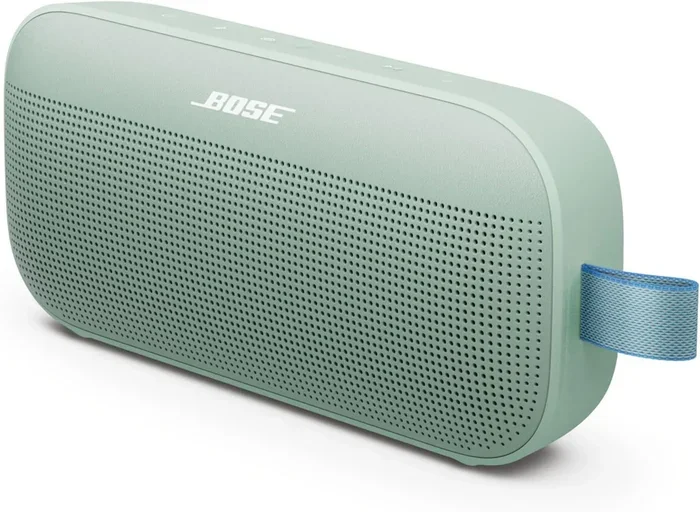
Portable Bluetooth speakers are the most flexible option. You can place them anywhere on your bike or even carry them off the bike. Brands like Bose have made weatherproof speakers that handle rough conditions well. If you want something you can use at the campsite too, a portable model makes a lot of sense.
Key Features to Consider When Choosing Motorcycle Speakers
Now that you know the types, let us talk about what really matters when picking motorcycle speakers. Each feature plays a role in your overall listening experience.
Wattage and Power Output
Wattage determines how loud your speakers can get. Higher wattage means more volume and stronger sound. Most motorcycle speakers range from 5 watts to 100 watts per pair.
For casual riders, 10 to 30 watts is usually plenty. You will get clear sound at moderate volumes without draining your battery. If you ride a larger bike with a bigger electrical system, you can go higher.
Here is a quick comparison to help you decide:
- Low wattage (5-15W): Best for short rides and quiet neighborhoods. Lightweight and energy-efficient.
- Medium wattage (15-50W): Great balance of volume and power use. Works well for most riders.
- High wattage (50W+): Loud and powerful. Best for long highway rides and larger motorcycles.
Keep in mind that speaker wattage is not the only factor. Speaker sensitivity also plays a big role. Sensitivity measures how efficiently a speaker converts power into sound. A speaker with high sensitivity can sound louder even at lower wattage.
Bluetooth Connectivity
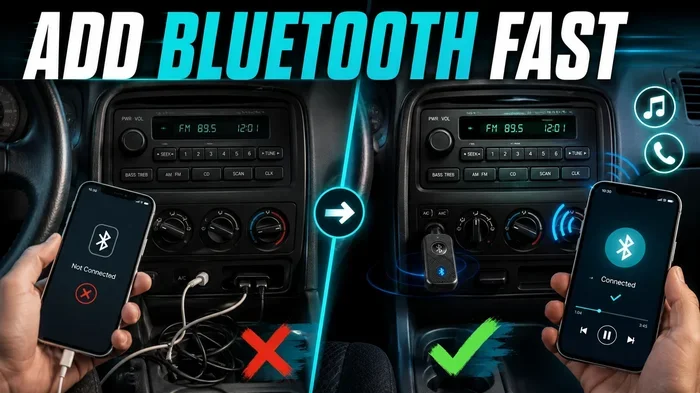
Almost every modern rider wants Bluetooth motorcycle speakers. Wireless connectivity eliminates the hassle of tangled wires. You simply pair your phone and start streaming music.
When shopping for Bluetooth motorcycle audio, look for speakers with at least Bluetooth 4.0 or higher. Newer versions offer better range and more stable connections. Some speakers also support multipoint pairing, which lets you connect two devices at once.
One thing to keep in mind: Bluetooth range matters on a motorcycle. Most speakers work well within 30 feet. If your phone stays in your jacket pocket, that is usually enough. But if your phone is in a top case far from the speakers, you might experience dropouts.
If you are also looking at other Bluetooth audio devices, you might find it helpful to compare how different setups handle wireless connections. For example, some riders explore how Bluetooth headphones connect to various devices, which gives insight into wireless audio performance across different platforms.
Water and Weather Resistance
This is where motorcycle speakers really earn their keep. You ride in rain, face high winds, and deal with dust and road spray. Your speakers need to handle all of that.
Look for speakers with an IP rating (Ingress Protection). This rating tells you how well a speaker resists water and dust. An IPX4 rating means the speaker can handle splashes from any direction. IPX6 or higher means it can survive heavy rain and even direct water jets.
Some riders also ask whether they can use speakers in wet conditions. While most weatherproof speakers handle rain well, it is best to remove them or cover them during heavy storms. No speaker is truly invincible, and prolonged exposure to standing water can cause damage over time.
If you are curious about how well certain speaker brands handle moisture, consider looking at how durable Bose speakers are in challenging environments like showers and outdoor settings. This gives you a real-world sense of their weather resistance capabilities.
Sound Quality and Frequency Response
Let us talk about what actually matters most: how the speakers sound. Frequency response is the range of sounds a speaker can produce, measured in Hertz (Hz). A wider frequency response means better sound across bass, midrange, and treble.
Most quality motorcycle speakers cover a range between 60 Hz and 20,000 Hz. This range covers the full spectrum of human hearing. Bass frequencies sit below 250 Hz, midrange from 250 Hz to 4,000 Hz, and treble above 4,000 Hz.
For motorcycle riding, midrange clarity is especially important. Road noise tends to drown out high frequencies. Speakers that emphasize the midrange deliver vocals and instruments more clearly. This makes your music more enjoyable even at higher speeds.
Speaker Impedance
Speaker impedance measures how much electrical resistance a speaker presents. It is measured in ohms (Ω). Most motorcycle speakers have an impedance of 4 ohms or 8 ohms.
Lower impedance speakers draw more power from your motorcycle’s electrical system. They tend to be louder but can strain smaller electrical systems. Higher impedance speakers are more efficient and easier on your bike’s power supply.
If you are unsure about your motorcycle’s electrical capacity, stick with 8-ohm speakers. They are safer for most bikes and still deliver excellent sound quality.
Installation and Compatibility
Not everyone is a mechanic. That is why easy installation is one of the most important factors when choosing motorcycle speakers. Some kits come with everything you need and can be installed in under 30 minutes.
Before buying, check whether the speakers fit your motorcycle model. Many brands list compatible bike models on their product pages. Universal mounting kits work for most standard configurations, but custom bikes may need special adapters.
Consider whether you want a wired or wireless setup. Wired speakers connect directly to your motorcycle’s audio system or battery. They provide more consistent power and do not rely on a phone connection. Wireless speakers offer convenience but need regular charging.
For riders who already use connected devices, it is worth noting that connecting audio equipment to different devices can vary in complexity. Understanding how simple plug-and-play setups work, such as connecting external speakers to a laptop, can give you a good baseline for what to expect with motorcycle speaker installations.
Top Motorcycle Speaker Brands to Consider
The market is full of options, but a few brands stand out for quality and reliability. Here are some of the most popular names in motorcycle audio.
Bose
Bose is a household name in audio technology. Their speakers are known for clear, balanced sound and excellent build quality. Bose weatherproof speakers are popular among riders who want durability without sacrificing sound quality.
Harley-Davidson
If you ride a Harley, Harley-Davidson OEM speakers are a natural choice. They are designed specifically for Harley models and integrate seamlessly with the bike’s existing audio system. Aftermarket options are also available for riders who want an upgrade.
JBL
JBL offers a wide range of motorcycle speakers at various price points. They are known for powerful bass and vibrant sound. JBL also makes portable Bluetooth speakers that work well for outdoor adventures beyond just riding.
Sena
Sena specializes in motorcycle communication and audio gear. Their speakers are built specifically for riders and often include integrated intercom features. If you want music and communication in one package, Sena is worth considering.
Common Mistakes to Avoid When Buying Motorcycle Speakers
Even experienced riders sometimes make poor choices when buying motorcycle speakers. Here are the most common mistakes and how to avoid them.
Mistake 1: Ignoring weather resistance. It is tempting to buy the cheapest speakers you find. But if they are not weatherproof, they will fail quickly. Always check the IP rating before purchasing.
Mistake 2: Overestimating wattage needs. More watts do not always mean better sound. A 100-watt speaker on a small bike can actually distort the audio. Match the wattage to your bike’s electrical system and your riding style.
Mistake 3: Forgetting about impedance. Mismatched impedance can damage your motorcycle’s audio system. Always check compatibility before wiring in new speakers.
Mistake 4: Skipping the mount. Poor mounting leads to vibration and poor sound quality. Invest in good mounts or brackets that keep the speakers secure and stable.
Mistake 5: Not testing before installing permanently. If possible, test the speakers before you mount them. This saves time and frustration if there are any issues with sound quality or connectivity.
Quick Tips for Getting the Best Sound from Your Motorcycle Speakers
Once you have chosen and installed your motorcycle speakers, a few simple tips can help you get the most out of them.
- Position speakers for optimal sound. Mount them at ear level or slightly above for the best listening experience.
- Use a quality audio source. Streaming services with high-quality audio files sound much better than compressed MP3s.
- Keep your phone close. If using Bluetooth, keep your phone within range to avoid connection drops.
- Check connections regularly. Vibration from riding can loosen wires over time. Inspect them before every ride.
- Store speakers properly. When not riding, store your speakers in a dry, cool place to extend their lifespan.
Following these tips will help your motorcycle audio setup sound great for years to come. A small investment in maintenance goes a long way.
Final Thoughts on Choosing Motorcycle Speakers
Choosing the right motorcycle speakers comes down to understanding your needs and matching them to the right features. Think about how you ride, where you ride, and what kind of sound experience you want.
For the best overall experience, prioritize weatherproof Bluetooth speakers with solid wattage and clear midrange performance. Brands like Bose, JBL, and Sena offer excellent options across different budgets.
Remember that the best motorcycle speakers are the ones that fit your bike, your riding style, and your wallet. Take your time, compare options, and do not rush the decision. A great audio setup turns every ride into a concert on wheels.
Whether you are a weekend cruiser or a daily commuter, upgrading your motorcycle sound system is one of the most rewarding upgrades you can make. So grab your tools, pick your speakers, and get ready to enjoy the open road with your favorite soundtrack playing loud.
Frequently Asked Questions
What wattage is best for motorcycle speakers?
For most riders, 15 to 50 watts strikes the right balance between volume and power efficiency. Lower wattage works fine for casual rides, while higher wattage suits long highway trips. Always match the wattage to your motorcycle’s electrical capacity to avoid draining your battery.
Are Bluetooth motorcycle speakers worth it?
Absolutely. Bluetooth motorcycle speakers offer wireless convenience and easy pairing with your phone. You can stream music, take calls, and use navigation audio without dealing with messy cables. Most modern Bluetooth speakers also have improved range and battery life compared to older models.
Can motorcycle speakers handle rain and weather?
Many motorcycle speakers are designed to be weatherproof, but not all of them. Look for speakers with an IPX4 rating or higher to ensure they can handle rain and road spray. It is still a good idea to cover or remove them during heavy storms to extend their lifespan.
How long do motorcycle speakers last?
With proper care, quality motorcycle speakers can last anywhere from 3 to 7 years. Weather exposure, vibration, and how often you use them all affect longevity. Storing speakers properly when not in use and checking connections regularly will help them last longer.
Do I need professional help to install motorcycle speakers?
Many motorcycle speaker kits are designed for DIY installation and can be set up in under an hour. Basic tools and a little patience are all you need. However, if your bike has a complex audio system or you are uncomfortable with wiring, a professional installer can ensure everything works perfectly.
Can I use portable Bluetooth speakers on my motorcycle?
Yes, portable Bluetooth speakers are a popular and flexible option. You can place them on your motorcycle or carry them off the bike. Just make sure the speaker is rated for outdoor use and has adequate weather resistance. Keep in mind that portable speakers may not be as securely mounted as hard-wired options.
=== CONCLUSION ===
Choosing motorcycle speakers does not have to be complicated. Focus on the features that matter most to you: sound quality, weather resistance, wireless connectivity, and ease of installation. With the right speakers, every ride becomes more enjoyable and memorable.
Take what you have learned from this guide, compare your options, and make a confident choice. Your next ride is going to sound amazing.