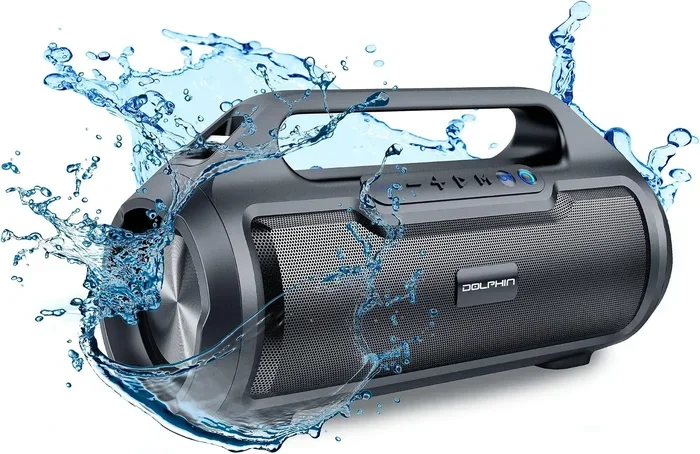
How Can I Make My Speakers Waterproof with Simple Tricks
You can make your speakers waterproof using simple DIY methods like waterproof sprays, silicone coatings, and protective covers. Waterproofing your speakers helps them survive outdoor parties, beach trips, and rainy days. With the right speaker waterproofing techniques, you can extend the life of your audio gear and keep the music playing anywhere.
There is nothing worse than watching your favorite speaker take an unexpected swim. Whether it is a splash from the pool or a sudden rainstorm, water and electronics do not mix well. If you have ever wondered how to protect your audio gear, you can make your speakers waterproof with a few simple tricks. These methods work for most speaker types and do not require expensive equipment. Let us walk through everything you need to know.
Water damage is one of the biggest enemies of audio equipment. Even small amounts of moisture can corrode internal components and ruin the sound quality. Waterproofing your speakers is not just about surviving accidents. It also opens up new ways to enjoy music outdoors, in the bathroom, or at the beach. With the right speaker waterproofing approach, you can keep your gear safe and sounding great for years.
This guide covers every practical method you can use at home. We will look at sprays, coatings, covers, and even some simple DIY projects. You will also learn which speakers are already waterproof and how to choose the right one for your needs. By the end, you will feel confident protecting your speakers from water damage.
Key Takeaways
- DIY Waterproofing Works: Simple sprays and coatings can make most speakers water-resistant at home.
- Multiple Methods Available: From nano-coatings to waterproof enclosures, you have several options to choose from.
- Prevention Is Key: Regular maintenance and proper storage help keep your speakers safe from water damage.
- Buy vs. DIY: Some speakers come already waterproof, saving you time and effort.
- Outdoor Use Is Safer: Properly waterproofed speakers let you enjoy music at the beach, pool, or backyard.
- Avoid Common Mistakes: Don’t use household products that can damage speaker components.
📑 Table of Contents
Why Waterproofing Your Speakers Matters
Water and speakers are a bad combination. Even speakers labeled as water-resistant have limits. Understanding why protection matters helps you take the right steps. Here are the main reasons to waterproof your audio gear.
Water Damage Destroys Internal Components
Speakers contain delicate parts like magnets, coils, and cones. When water gets inside, it causes short circuits and corrosion. Over time, this leads to muffled sound, crackling, or complete failure. Waterproofing speakers creates a barrier that keeps moisture out and preserves these components.
Outdoor Use Exposes Speakers to the Elements
If you like listening to music outside, your speakers face real risks. Rain, humidity, sprinklers, and even morning dew can cause damage. Protecting speakers from water lets you set up your outdoor speakers without worry. You can host pool parties, backyard barbecues, and camping trips with confidence.
Waterproofing Saves Money
Replacing a damaged speaker can be expensive. A simple speaker waterproofing solution costs a fraction of the price. Investing a little time and money now can save you from costly replacements later. This is especially true for high-quality speakers that deliver great sound.
Methods to Make Speakers Waterproof
Several methods exist for making speakers waterproof. Each approach has its pros and cons. Let us explore the most effective techniques you can try at home.
Method 1: Use a Waterproof Speaker Spray
Waterproof speaker sprays are the easiest and most popular option. These nano-coating products create an invisible barrier on the speaker surface. The spray fills in tiny pores and gaps where water could enter.
Here is how to apply a waterproof spray:
- Clean the speaker thoroughly with a dry cloth.
- Shake the spray can well before use.
- Spray evenly across the entire speaker surface.
- Let it dry for at least 24 hours before use.
- Apply a second coat for extra protection.
Popular brands like Never Wet and Scotchgard work well for this purpose. These sprays are affordable and easy to find online or at hardware stores. They work best on plastic and metal speakers but may not be ideal for fabric-covered ones.
Method 2: Apply a Silicone Coating
Silicone coatings provide a thicker layer of protection than sprays. They create a flexible, rubber-like barrier that seals out moisture. This method works well for speakers that will face heavy water exposure.
To apply a silicone coating:
- Remove any loose dirt or debris from the speaker.
- Apply a thin, even layer of clear silicone sealant.
- Use a brush or cloth to spread it smoothly.
- Let it cure completely according to the product instructions.
- Check for any missed spots and apply a second layer if needed.
Silicone coatings are great for waterproofing electronics because they are flexible and durable. They do not affect the sound quality much either. Just make sure to use a clear silicone product so it does not change the look of your speaker.
Method 3: Use a Waterproof Speaker Cover or Case
Sometimes the best approach is to simply cover the speaker. Waterproof speaker covers and cases come in many shapes and sizes. They work especially well for portable Bluetooth speakers.
You can also make your own cover using a waterproof pouch. These zippered bags are designed for phones and electronics but work great for speakers too. They let the sound come through while keeping water out. This is a simple and effective DIY waterproof speaker solution.
Method 4: Build a Waterproof Enclosure
For a more permanent solution, you can build a waterproof speaker enclosure. This involves placing the speaker inside a sealed container that keeps water out while allowing sound to pass through. This method is popular for outdoor and marine setups.
Here is what you need for a basic waterproof enclosure:
- A plastic or waterproof container with a tight lid.
- A small speaker driver that fits inside.
- Marine-grade sealant for sealing seams.
- Small holes or mesh for sound to pass through.
This method takes more time but offers excellent protection. It is ideal for speakers that stay near pools, docks, or other wet environments. Many people use this approach for outdoor speakers and boat audio systems.
Best Waterproof Speakers You Can Buy
Not everyone wants to waterproof their own speakers. Luckily, many great options already come with built-in water resistance. Buying a waterproof speaker saves you time and gives you peace of mind.
JBL Clip Series
The JBL Clip 4 is a popular choice for waterproof audio. It is small, lightweight, and designed to handle water exposure. If you are curious about how it holds up in wet conditions, check out Can I Take My JBL Clip 4 in the Shower for a detailed look at its waterproof capabilities.
Ultimate Ears Wonderboom
The UE Wonderboom series offers great sound and solid waterproofing. These speakers are rated IP67, meaning they can survive full submersion in water. They are perfect for poolside and beach use.
Bose SoundLink Micro
The Bose SoundLink Micro is a compact speaker with excellent waterproof performance. It is built tough and delivers surprisingly rich sound for its size. It is a great option for those who want durability without compromising audio quality.
| Speaker Model | Waterproof Rating | Battery Life | Price Range |
|---|---|---|---|
| JBL Clip 4 | IP67 | 10 hours | $50-$70 |
| UE Wonderboom 3 | IP67 | 16 hours | $80-$100 |
| Bose SoundLink Micro | IP67 | 6 hours | $100-$120 |
| JBL Charge 5 | IP67 | 20 hours | $150-$180 |
When choosing a waterproof speaker, look for the IP rating. The higher the number, the better the protection. IP67 and IP68 ratings mean the speaker can handle full submersion. These are your best bets for worry-free use around water.
Tips for Using Speakers Outdoors
Once your speakers are protected, you can enjoy them in many outdoor settings. Here are some practical tips to get the most out of your waterproof speakers outside.
Place Speakers on Elevated Surfaces
Even waterproof speakers benefit from being placed off the ground. Use a table, shelf, or hanging hook to keep them away from puddles and standing water. This simple step adds an extra layer of water damage prevention.
Keep Speakers Away from Direct Water Sources
Waterproof does not mean indestructible. Try to keep your speakers away from direct sprinklers and hose sprays. While they can handle splashes and rain, constant direct pressure from water can still cause issues over time.
Use a Bluetooth Connection for Convenience
Wireless connections make outdoor speaker setups much easier. If you use a Bluetooth speaker for outdoor events, you can place it anywhere without worrying about cables. For ideas on using speakers with other devices, check out Can I Use Alexa as a Bluetooth Speaker for My TV for helpful tips on Bluetooth speaker versatility.
Store Speakers Properly After Use
After outdoor use, always dry your speakers before storing them. Wipe off any moisture and let them air dry in a well-ventilated area. Proper storage extends the life of your waterproofed speakers and keeps them sounding great.
Common Mistakes to Avoid When Waterproofing Speakers
Not all speaker waterproofing methods are created equal. Some common mistakes can actually cause more harm than good. Here is what you should avoid.
Using Household Products Not Meant for Electronics
Products like WD-40 or cooking sprays might seem like a quick fix. They are not designed for electronics and can damage speaker components. Always use products specifically made for waterproofing electronics.
Applying Too Much Coating
Thick coatings can block speaker grilles and reduce sound quality. Apply thin, even layers and let each coat dry completely. Less is more when it comes to speaker waterproof coating techniques.
Ignoring the Charging Port and Buttons
Water often enters through small openings like charging ports and buttons. Make sure to seal these areas with silicone or tape. Neglecting these spots is a common reason for water damage prevention failures.
Assuming Waterproof Means Permanent
Waterproof coatings and sprays wear off over time. They need to be reapplied periodically to maintain protection. Do not assume one application will last forever. Regular maintenance keeps your waterproof speakers performing at their best.
Expert Tips for Long-Lasting Speaker Protection
Professional audio engineers use several tricks to keep speakers safe from water. You can apply many of these same techniques at home. Here are some expert-backed tips.
Use a Water-Repellent Nanocoating
Nanocoatings are the gold standard for speaker waterproofing. They create an ultra-thin barrier that repels water at the molecular level. These coatings are used in professional audio settings and work incredibly well for home speakers too.
Combine Methods for Maximum Protection
The best approach often involves layering multiple methods. Start with a nano-spray, add a silicone coating, and finish with a waterproof cover. This layered approach provides excellent waterproof speaker DIY results.
Test Your Waterproofing Before Trusting It
Before taking your treated speakers to a pool party, test them first. Spray them lightly with water and check for any issues. This simple test gives you confidence that your waterproofing methods actually work.
For more ideas on protecting and using speakers in different settings, you might enjoy Can I Put a Speaker on My Car for creative speaker placement tips.
Conclusion
Making your speakers waterproof is easier than you might think. Whether you choose a simple spray, a silicone coating, or a full waterproof enclosure, the results speak for themselves. These methods protect your investment and let you enjoy music in any environment. Start with one of the methods we covered and see the difference it makes.
Remember that even the best waterproof speakers need proper care. Regular cleaning, smart storage, and periodic reapplication of coatings keep them in top shape. With the right speaker waterproofing strategy, you can take your music anywhere the day leads you. So go ahead, protect your gear, and never let water ruin a good playlist again.
Frequently Asked Questions
Can I Make Any Speaker Fully Waterproof?
Most speakers can be made water-resistant with the right methods, but they may not survive full submersion. Waterproof sprays and coatings work best for light water exposure. For complete submersion protection, a sealed waterproof enclosure is your best option.
How Long Does a Waterproof Spray Last on Speakers?
A quality waterproof spray typically lasts between 6 months and 1 year with regular use. Exposure to sun, heat, and frequent handling can reduce the lifespan. Reapplying every few months helps maintain strong water damage prevention.
Will Waterproofing Affect the Sound Quality of My Speakers?
When applied correctly, waterproof coatings should not noticeably affect sound quality. Thick coatings or blocked grilles are the main culprits for any sound changes. Always apply thin layers and keep speaker openings clear for the best audio performance.
What Is the Best DIY Method to Waterproof Speakers?
The best DIY method combines a nano-spray coating with a waterproof cover. This layered approach provides excellent protection without much effort. It is affordable, easy to do at home, and works well for most portable speakers.
Are There Speakers That Come Already Waterproof?
Yes, many speakers come with built-in waterproof ratings like IP67 or IP68. Brands like JBL, Ultimate Ears, and Bose offer models designed for water use. These waterproof speakers save you time and often perform better than DIY-treated options.
Can I Use My Waterproofed Speakers at the Beach?
Absolutely! Waterproofed speakers are perfect for beach use. Just make sure to rinse them with fresh water after exposure to salt water. Salt can be corrosive, so a quick rinse and dry will keep your waterproofed speakers in great shape for many trips.