Does Your Amazon Thermostat Need a C Wire to Function
Yes, the Amazon Smart Thermostat works best with a C wire, but it can also run on battery power or use an adapter if your setup lacks one. A C wire provides continuous 24V power to keep your thermostat connected and responsive. Understanding your wiring options ensures a smooth Amazon thermostat installation and prevents common setup headaches.
This is a comprehensive guide about Does Amazon Thermostat Need C Wire.
Key Takeaways
- The Amazon Smart Thermostat can function without a C wire: It offers battery-powered operation as an alternative to traditional wiring setups.
- A C wire delivers continuous power: This common wire keeps your thermostat always connected and eliminates battery replacements.
- You can check for a C wire using a simple multimeter test: No electrician needed for basic verification.
- A C wire adapter solves most missing wire problems: Amazon offers an official adapter for non-standard setups.
- Wrong wiring can damage your HVAC system: Always double-check connections before powering on your system.
[FEATURED_IMAGE_PLACEHOLDER]
Installing a smart thermostat is one of the easiest ways to cut energy costs and boost home comfort. But when you open up the wall plate and see a tangle of wires, confusion sets in fast. One question homeowners ask constantly is whether the Amazon thermostat really needs that thin blue wire behind the wall.
The short answer is no, not always. The Amazon Smart Thermostat is designed to be flexible. It can run on batteries, use a C wire adapter, or connect directly to your existing wiring. But the long answer depends on your specific setup. This guide walks you through every scenario so you know exactly what to do before you lift a single screwdriver.
Whether you are replacing an old thermostat or installing a smart one for the first time, understanding the role of the C wire saves you time, money, and frustration. Let us break it all down step by step.
What Exactly Is a C Wire and Why Does It Matter
A C wire, also called the common wire, carries 24V power from your HVAC system to your thermostat. Think of it as the constant power line that keeps your thermostat alive around the clock. Without it, many smart thermostats struggle to stay connected to Wi-Fi and keep their displays active.
Not all homes have a C wire. Older houses were built with simple two-wire setups that only controlled heating and cooling. The C wire became standard in newer construction because smart thermostats demand more power than basic models ever did.
How the C Wire Powers Your Thermostat
Your HVAC system uses a transformer to step down voltage for the thermostat. The R wire carries power from the transformer. The C wire completes the circuit, creating a continuous loop of electricity. This loop is what keeps your smart thermostat running 24/7.
Here is why this matters for the Amazon thermostat specifically:
- Continuous Wi-Fi connectivity: A C wire keeps the thermostat online so you can adjust temperatures from your phone.
- No battery swaps: The thermostat never dies mid-winter because it draws power constantly.
- Faster response times: Your HVAC system receives commands instantly without delay.
- Stable display: The touchscreen stays bright and responsive at all times.
If your home has a C wire, you are in great shape. The Amazon Smart Thermostat will work exactly as designed. But what if your wall only has two or three wires? That is where things get interesting.
Does the Amazon Smart Thermostat Need a C Wire to Work
The Amazon Smart Thermostat does not strictly require a C wire to function. Amazon designed this product with flexibility in mind. It includes a built-in rechargeable battery that can power the thermostat for extended periods. However, going without a C wire comes with trade-offs you should understand before you commit.
Battery-Powered Mode
When your thermostat runs on battery power, it charges itself by drawing small amounts of power from your HVAC system through the existing wires. This works well in many cases. But here is the catch: if your HVAC system does not provide enough power draw, the battery can drain faster than it charges.
In battery mode, you may notice:
- The display dims or turns off to save power.
- Wi-Fi disconnects intermittently, making remote control unreliable.
- The thermostat sends low-battery alerts more frequently.
- Temperature adjustments take longer to reach your HVAC system.
For most users, these issues are manageable. But if you rely heavily on smart features like scheduling, geofencing, or voice control through Alexa, a weak power connection can be frustrating. This is why the C wire matters so much for a premium smart thermostat experience.
When a C Wire Makes All the Difference
If you want your Amazon thermostat to work flawlessly, a C wire is the best path. It provides steady power so every feature works without compromise. You get uninterrupted Wi-Fi, instant response times, and a display that is always on. The thermostat also stays connected to the Alexa app so you can adjust your home temperature from anywhere.
Think of it this way. A C wire turns your thermostat from a gadget that sometimes works into a fully integrated part of your home automation system. If you already use other smart devices, you know how annoying it is when something drops offline. The C wire prevents that problem entirely.
How to Check if Your Home Has a C Wire
Before you buy any thermostat, check your current wiring. This takes about five minutes and requires no special tools in most cases. You will need to remove your existing thermostat from the wall plate and look at the wires connected to the terminals.
Step-by-Step Wire Check
Follow these simple steps to identify your wiring setup:
- Turn off your HVAC system at the breaker for safety.
- Remove the thermostat faceplate from the wall mount.
- Look at the wires connected to the terminal letters (R, W, Y, G, C, etc.).
- Check for a blue wire connected to the C terminal.
- Take a photo of the wiring before disconnecting anything.
If you see a blue wire attached to the C terminal, congratulations, you have a C wire. If you do not see a blue wire or the C terminal is empty, you do not have a C wire in your current setup.
Using a Multimeter for Confirmation
For a more definitive check, use a multimeter set to AC voltage. Touch the probes to the R and C wires with the HVAC system running. You should read approximately 24 volts. If you get a reading, your system can support a C wire connection even if you do not see a dedicated C wire.
Some homeowners find that their C wire is tucked away inside the wall and not connected to the thermostat. This happens often in homes where the previous thermostat was a basic model that did not use the C wire. In these cases, you may simply need to pull the wire through to the new thermostat base.
What Happens If You Do Not Have a C Wire
No C wire does not mean no smart thermostat. The Amazon Smart Thermostat is designed to handle this situation. But your options and experience change depending on your HVAC system and wiring configuration.
The G Wire Workaround
One common alternative is using the G wire, which controls the fan, as a makeshift C wire. This works because the G wire can sometimes carry enough power to keep the thermostat running. However, this trick has downsides. It can interfere with fan operation and may not provide enough power for all smart features.
Use this workaround only if you understand the risks. It works best in homes with simple HVAC setups where the fan runs intermittently. In more complex systems, this can cause unexpected behavior.
Power Extender Kit Solution
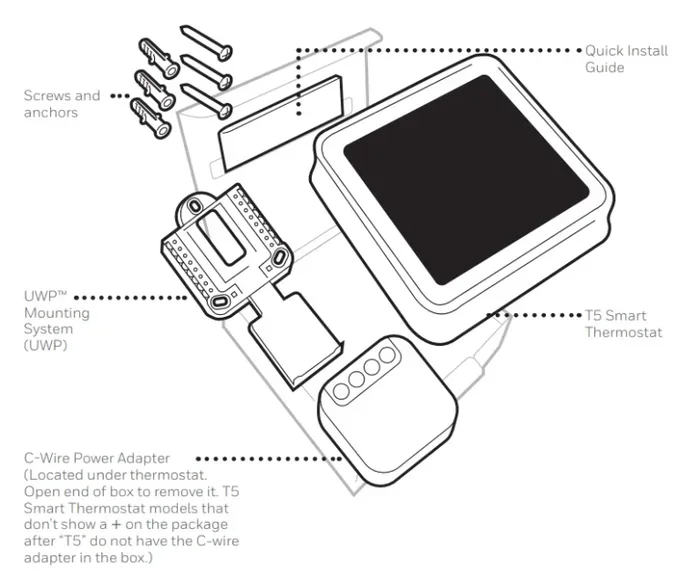
Amazon sells a power extender kit specifically designed for the Amazon Smart Thermostat. This small device installs in your HVAC system and creates a C wire path even when one does not exist. It is an elegant solution that avoids the need to run new wiring through your walls.
The power extender kit works by tricking your HVAC system into providing continuous power through the existing wires. It is a popular choice for homeowners who do not want to hire an electrician. The kit includes clear instructions and takes about 15 minutes to install.
When to Call a Professional
Sometimes the best option is to have an electrician install a C wire. This is especially true if your HVAC system has limited wiring capacity or if you are uncomfortable working with electrical components. A professional can run a new C wire quickly and ensure everything is safe and code-compliant.
The cost of hiring an electrician to install a C wire typically ranges from $100 to $300 depending on your location and the complexity of the job. Compare that to the cost of a smart thermostat and the convenience it provides, and it is often worth the investment.
Installing the Amazon Thermostat Without a C Wire
If you decide to proceed without a C wire, the Amazon Smart Thermostat makes the process straightforward. The thermostat includes a built-in battery and clear on-screen instructions that guide you through setup step by step.
Setting Up Battery Power
When you first mount the thermostat, it will detect the available wires and prompt you through configuration. If no C wire is detected, the thermostat will switch to battery mode automatically. You simply follow the on-screen prompts and connect to your Wi-Fi network.
Here are a few tips for battery-mode setup:
- Place the thermostat away from direct sunlight to reduce power drain.
- Keep the Wi-Fi signal strong near the thermostat location.
- Check the battery level regularly through the Alexa app.
- Charge the thermostat using the included USB cable if the battery drops too low.
Using the Power Extender Kit
If you prefer a wired solution without a traditional C wire, the power extender kit is your best bet. Install it according to the instructions included in the box. Once set up, the thermostat will recognize the extended power source and operate as if a C wire were present.
This setup gives you the full smart thermostat experience without running new wires through your walls. It is a clean, professional-looking solution that works reliably day after day.
Connecting to Alexa and Your Smart Home
Once your thermostat is installed and powered, connecting it to Alexa is simple. Open the Alexa app, go to devices, and follow the prompts to add your new thermostat. The thermostat will appear in your Alexa app dashboard where you can set schedules, adjust temperatures, and create routines.
For the best experience, make sure your Wi-Fi connection is stable. If you have been having Wi-Fi issues, you might want to check whether your router setup is optimal. Some users find that their does Alexa need Wi-Fi password setup affects how well the thermostat connects to the network. A strong, consistent Wi-Fi signal makes all the difference for smart home devices.
Common Wiring Mistakes and How to Avoid Them
Thermostat wiring mistakes can lead to poor performance, system damage, or complete failure. Even experienced DIYers sometimes run into trouble when wiring a smart thermostat. Here are the most common errors and how to prevent them.
Mixing Up the R and C Wires
The R wire carries power from the transformer while the C wire completes the circuit. Swapping these can cause short circuits or prevent the thermostat from powering on. Always double-check which wire goes to which terminal before securing the connections.
Forcing Wires Into the Wrong Terminals
Every thermostat base has specific terminals labeled with letters. Forcing a wire into the wrong terminal can damage both the thermostat and your HVAC system. If a wire does not fit easily, stop and double-check the manual. The Amazon thermostat base has clearly labeled terminals to prevent this mistake.
Ignoring Wire Labels
Your existing thermostat likely has wires labeled with tape or markers. Do not ignore these labels. They tell you which wire connects to which system component. Taking a photo before disconnecting anything saves hours of confusion later.
Not Securing Connections Properly
Loose wire connections are a leading cause of thermostat malfunction. Make sure each wire is firmly inserted into its terminal and the screw is tightened. A wire that is only half-connected can cause intermittent issues that are hard to diagnose.
Comparing Amazon Thermostat Wiring Options
Understanding your wiring options helps you choose the best setup for your home. The table below compares the three main approaches to powering the Amazon Smart Thermostat.
- C wire installation: Most reliable, full feature access, requires existing wire or professional installation.
- Battery power: No wiring needed, flexible placement, but limited smart features and frequent charging.
- Power extender kit: No new wires needed, full feature access, simple installation with included instructions.
Each option has its place depending on your home, budget, and comfort level with DIY projects. The C wire is the gold standard, but the Amazon thermostat gives you alternatives that work well for most households.
Expert Tips for a Smooth Amazon Thermostat Setup
Before you start any installation, read through these expert tips gathered from real-world Amazon thermostat setups. These small steps save big headaches down the road.
- Turn off the breaker: Always shut down your HVAC system before touching any wires. Safety comes first.
- Label every wire: Use small pieces of tape to label each wire as you disconnect it from the old thermostat.
- Take your time: Rushing through installation leads to mistakes. Set aside 30 minutes for a careful, thorough setup.
- Test before closing up: Once wired, power on the system and verify the thermostat turns on before you mount it on the wall.
- Keep the manual handy: The Amazon thermostat manual has a wiring diagram for every possible setup. Refer to it often.
One thing many users overlook is the importance of a stable Wi-Fi connection for their smart devices. Your thermostat needs reliable internet to sync schedules and respond to voice commands. If your home Wi-Fi has dead zones, consider whether your router placement or mesh network setup needs adjustment. Some users report that checking whether does Google still support Google WiFi helped them decide on a better mesh system for whole-home coverage.
Another consideration is device compatibility across your smart home ecosystem. The Amazon thermostat works seamlessly with Alexa, but if you also have other smart devices, make sure they all communicate well together. Compatibility between devices like does Homewerks work with Google Home and similar setups can affect how smoothly your entire system runs.
Final Thoughts on Amazon Thermostat C Wire Requirements
The Amazon thermostat C wire question comes down to your home wiring and your patience level. If you have a C wire, installation is simple and your thermostat will perform at its best. If you do not, the Amazon Smart Thermostat gives you multiple paths to get it working.
The battery-powered option works for basic needs, while the power extender kit brings you closer to the full smart experience without new wiring. And if you are comfortable with a bit of DIY or willing to hire a pro, running a C wire is the ultimate solution.
Whatever route you choose, the Amazon Smart Thermostat is a solid product that delivers real energy savings and comfort improvements. Take your time with the setup, follow the instructions carefully, and enjoy the benefits of a smarter, more efficient home.
Remember, the goal is not just to install a thermostat but to create a home environment that works for you automatically. A properly powered thermostat is the foundation of that experience. So check your wires, pick your setup method, and get ready to enjoy a more comfortable home.
Frequently Asked Questions
Can I use the Amazon thermostat without any C wire at all?
Yes, the Amazon Smart Thermostat includes a built-in battery that allows it to operate without a C wire. You will need to charge it periodically via USB, and some smart features like instant Wi-Fi sync may work less reliably compared to a C wire setup.
How do I know if my home has a C wire behind the wall?
Remove your existing thermostat from the wall plate and look for a blue wire connected to the C terminal. If you do not see one, you can use a multimeter to check for 24V voltage between the R and C wires. Some C wires may also be tucked inside the wall and not connected at the old thermostat.
What is the Amazon power extender kit and how does it work?
The power extender kit is a small device included with some Amazon thermostat packages. It installs in your HVAC system and creates a continuous power path using your existing wires. This tricks the system into providing steady power even without a traditional C wire.
Will my Amazon thermostat work with a G wire instead of a C wire?
It can work temporarily using the G wire as a common wire, but this is not recommended for long-term use. The G wire controls your HVAC fan, and repurposing it can interfere with fan operation and cause inconsistent thermostat behavior.
Can I install the Amazon thermostat myself if I have no wiring experience?
Yes, the Amazon Smart Thermostat is designed for DIY installation with clear instructions and labeled terminals. However, if you are uncomfortable working with electrical wiring, it is always best to hire a licensed electrician to ensure a safe and proper installation.
Does the Amazon thermostat need Wi-Fi to function as a thermostat?
No, the thermostat will still control your heating and cooling system without Wi-Fi. However, you will lose access to remote control, smart scheduling, voice commands through Alexa, and energy reports. A stable Wi-Fi connection makes the thermostat much more useful and responsive.
=== CONCLUSION ===
The Amazon thermostat C wire requirement is more flexible than many people expect. With battery power, a power extender kit, or a traditional C wire installation, this thermostat adapts to your home. The key is understanding your current wiring and choosing the option that fits your needs and comfort level.
Take the time to check your wires before you buy. Follow the installation steps carefully. And enjoy the energy savings and comfort that a smart thermostat brings to your home. The Amazon Smart Thermostat is a great choice for anyone looking to upgrade their home climate control without a complicated installation process.