Do Teachers Still Use Overhead Projectors in Classrooms
Overhead projectors were once a staple in every classroom, but today most teachers have moved on to digital tools like smart boards and document cameras. While some educators still use overhead projectors, the trend is clearly shifting toward interactive technology. This article explores why teachers are ditching the old school projectors and what they use instead.
This is a comprehensive guide about Do Teachers Still Use Overhead Projectors.
Key Takeaways
- Declining Use: Overhead projectors are becoming rare in modern classrooms as schools adopt digital tools.
- Better Alternatives: Smart boards, document cameras, and digital projectors offer more flexibility and interactivity.
- Nostalgia Factor: Some teachers still love overhead projectors and use them for specific lessons or in older schools.
- Cost and Maintenance: Digital tools may cost more upfront but save money long term by eliminating transparency film and bulb replacements.
- Engagement Boost: Modern projection tools help teachers create more engaging and interactive lessons for students.
- Not Completely Gone: You can still find overhead projectors in some schools, especially in budget-conscious or rural districts.
[FEATURED_IMAGE_PLACEHOLDER]
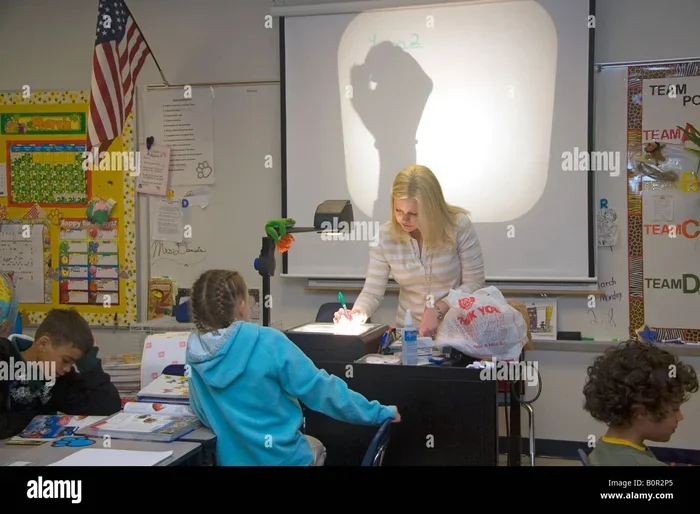
Do teachers still use overhead projectors? The short answer is yes, but not nearly as much as they used to. The overhead projector was once the backbone of classroom teaching. You know the ones, the big glass screens mounted on carts with the bright light shining through transparent sheets. For decades, every teacher relied on this tool to share notes, diagrams, and illustrations with students.
But times have changed. Classrooms today look very different from what they did twenty or thirty years ago. Teachers now have access to smart boards, digital projectors, tablets, and a whole range of interactive tools. So what happened to the trusty overhead projector? Is it a thing of the past, or do some teachers still swear by it? Let us dive into this topic and find out.
The overhead projector, often called an OHP, played a huge role in education for many years. Teachers loved it because it was simple to use. You could write on a transparency sheet with special markers, place it on the glass, and project it onto a screen for the whole class to see. It was a reliable visual aid that made lessons more engaging and easier to follow.
Fast forward to today, and the landscape of classroom technology has shifted dramatically. Schools are investing in interactive displays, wireless presentation systems, and digital learning tools. The overhead projector still has its fans, but it is no longer the go-to choice for most educators. In this article, we will explore the current state of overhead projectors in classrooms, why teachers are moving away from them, what replaces them, and whether there is still a place for this classic tool in modern education.
The Rise of the Overhead Projector in Education
The overhead projector became popular in classrooms during the mid-20th century. Before that, teachers relied on chalkboards and hand-drawn diagrams to deliver lessons. The OHP changed everything by allowing teachers to prepare visual materials in advance and share them with the entire class instantly.
How Overhead Projectors Changed Teaching
Before overhead projectors, teachers spent a lot of time writing on chalkboards during class. This meant they faced away from students while writing. The OHP solved this problem. Teachers could prepare transparencies at home and simply place them on the projector when needed. This freed up more time for actual teaching and interaction with students.
The transparency sheets also made it easy to reuse materials. A teacher could write on a sheet, use it for a lesson, wipe it clean, and use it again the next day. Some teachers built entire collections of transparencies for different topics and subjects. These collections became valuable teaching resources that lasted for years.
The simplicity of the overhead projector made it accessible to teachers of all tech skill levels. You did not need to know anything about computers or software. You just needed a marker and a transparency sheet. This ease of use helped the OHP become one of the most widely used teaching tools in the world.
The Golden Age of Classroom Projection
By the 1980s and 1990s, the overhead projector was everywhere. Nearly every classroom had one mounted on a rolling cart or built into a ceiling mount. Teachers used them for math problems, spelling lists, science diagrams, and even storytelling. The OHP became such a familiar sight that it was hard to imagine a classroom without one.
Schools also loved the overhead projector because it was affordable compared to other options. A basic projector and a set of transparency markers cost much less than early computer setups. For schools working with tight budgets, the OHP was the best way to bring visual learning into the classroom.
During this golden age, teachers got creative with how they used the projector. Some used it to display maps and photographs. Others used it for collaborative activities where students could write on transparencies and share their work with the class. The overhead projector became more than just a display tool, it became a central part of the teaching experience.
Why Teachers Are Moving Away from Overhead Projectors
Despite its long history in education, the overhead projector has been losing ground for years. More and more teachers are making the switch to digital tools. But why? What is driving this change?
Limitations of the Overhead Projector
The overhead projector has some clear limitations that make it less appealing in today’s classrooms. First, the image quality is limited. Transparencies can look faded or blurry, especially in bright classrooms. The projected image is also fixed in size and position, which means teachers cannot easily adjust it to fit different screens or surfaces.
Another issue is the need for physical materials. Teachers have to buy transparency sheets and special markers, which adds up in cost over time. These materials also wear out and need to be replaced regularly. In contrast, digital tools allow teachers to create, save, and reuse materials without any physical supplies.
The overhead projector also limits interactivity. Once a transparency is placed on the glass, the teacher is basically stuck with whatever is on it. There is no way to zoom in on a specific part, change colors, or add animations. Modern digital tools offer all of these capabilities and more.
The Shift to Digital Classroom Tools
Schools around the world are investing heavily in digital classroom technology. Smart boards, also known as interactive whiteboards, have become the new standard in many classrooms. These large touch-sensitive displays let teachers show videos, run interactive lessons, and even let students come up to the board to participate directly.
Document cameras are another popular replacement for overhead projectors. These devices sit on a desk and capture real-time images of documents, objects, or handwritten notes. They project them onto a screen for the whole class to see. A document camera offers much more flexibility than an overhead projector because it can display three-dimensional objects and live demonstrations.
Many schools have also adopted tablet and laptop programs for students. Teachers can now share digital content directly with each student’s device. This personalized approach to learning is something the overhead projector simply cannot do. The shift to one-to-one device programs has accelerated the move away from traditional projection tools.
Budget and Maintenance Concerns
While overhead projectors were cheap to buy, they can be expensive to maintain over time. The projector bulbs burn out and need replacement, which can cost a significant amount. The glass surface can crack or get scratched, and the rolling carts often break or become wobbly. Schools have to keep spending money to keep old projectors working.
Digital tools, on the other hand, often come with warranties and software updates that keep them running smoothly for years. Many districts find that the long-term cost of digital tools is actually lower than maintaining a fleet of old overhead projectors. This financial reality has pushed many schools to retire their OHPs for good.
What Replaces the Overhead Projector in Modern Classrooms
If the overhead projector is fading out, what are teachers using instead? The answer is a variety of digital and interactive tools that offer more features and better engagement for students.
Smart Boards and Interactive Displays
Smart boards are now one of the most common replacements for overhead projectors. These large interactive screens let teachers display digital content and interact with it directly. Teachers can write on the board with digital pens, pull up websites, show videos, and run educational software all in real time.
Smart boards also support student interaction. Multiple students can work on the board at the same time, making lessons more collaborative and fun. This level of engagement is something that an overhead projector simply cannot provide. The ability to save and share notes digitally is another major advantage.
Digital Projectors and Their Benefits
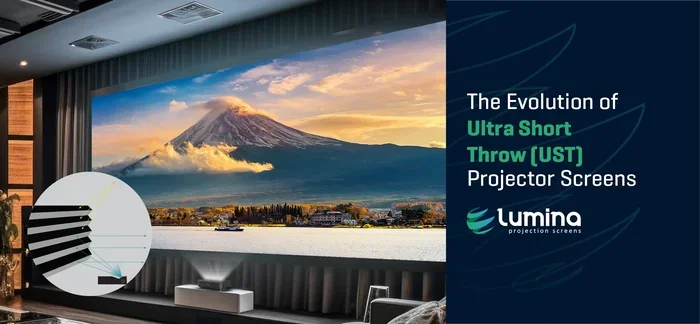
Digital projectors have taken over the role that overhead projectors once held. These devices connect to computers or tablets and display high-resolution images and videos on any surface. Many teachers use a digital projector along with a wall as a projection surface, which is a simple and cost-effective setup.
Digital projectors offer much better image quality than overhead projectors. They can display full-color videos, animations, and interactive presentations. Teachers can also switch between different types of content seamlessly, going from a slide show to a video to a live webcam feed in seconds.
One thing to keep in mind is that digital projectors work best with the right screen or surface. Some teachers use a dedicated projector screen, while others use a white wall or even a sheet as a projector screen. The key is finding a surface that gives a clear, bright image in the classroom lighting conditions.
Document Cameras as Visual Aids
Document cameras have become a favorite replacement for overhead projectors in many classrooms. These devices look like small webcams mounted on a stand. They capture images of documents, books, or objects and project them in real time onto a screen.
Document cameras are incredibly versatile. A science teacher can show a live dissection under the camera. A math teacher can display a student’s handwritten work for the class to see. An English teacher can project a book page and annotate it in real time. The possibilities are much broader than what an overhead projector can offer.
Another benefit is that document cameras work with existing classroom technology. You can connect them to a smart board, a digital projector, or even a simple display. This makes them a flexible and practical choice for schools that are upgrading their classroom equipment.
Are There Still Teachers Who Use Overhead Projectors?
Yes, some teachers still use overhead projectors. While they are becoming less common, they have not disappeared entirely. In some cases, teachers actively choose to use them, and in other cases, they simply have not replaced the old equipment yet.
Schools with Limited Budgets
Schools with tight budgets are more likely to still have overhead projectors in their classrooms. Replacing old equipment with new digital tools costs money, and not all schools have the funding to make the switch. In some districts, especially in rural or low-income areas, overhead projectors may still be the primary projection tool available.
Some teachers in these situations have learned to work creatively with what they have. They use overhead projectors alongside other tools to make lessons effective, even without access to the latest technology. This resourcefulness is something that educators in underfunded schools do very well.
Teachers Who Prefer the Simplicity
There are also teachers who genuinely prefer the overhead projector. Some veteran educators have been using OHPs for decades and are very comfortable with them. They appreciate the simplicity and reliability of the tool. For these teachers, learning an entirely new system can feel overwhelming or unnecessary.
Some teachers also find that overhead projectors work well for certain types of lessons. For example, when teaching handwriting or basic math steps, the transparency sheet allows students to see each step clearly. The simplicity of the tool can actually be an advantage in these situations.
Using Overheads for Special Activities
Even teachers who primarily use digital tools sometimes bring out the overhead projector for special activities. Some use it for transparency-based games or collaborative drawing exercises. Others use it to display large-format images or posters that work better on a transparency than on a digital screen.
In some cases, teachers use overhead projectors as a backup when digital tools fail. Technology can be unreliable, and having a simple, low-tech backup plan is always a good idea. The overhead projector serves this role well because it requires no software, no internet connection, and very little setup.
Comparing Overhead Projectors to Modern Classroom Tools
To understand where overhead projectors stand today, it helps to compare them directly with the tools that have replaced them. Here is a simple comparison of the key features.
| Feature | Overhead Projector | Smart Board | Digital Projector | Document Camera |
|---|---|---|---|---|
| Image Quality | Basic, limited color | High resolution | High resolution | Real-time, high quality |
| Interactivity | None | Touch-based, high | Low (requires external input) | Live display, moderate |
| Cost | Low upfront | High upfront | Medium to high | Medium |
| Maintenance | Bulb and transparency costs | Software updates | Bulb replacement | Minimal |
| Ease of Use | Very simple | Moderate learning curve | Moderate | Very simple |
| Content Flexibility | Limited to transparencies | Unlimited digital content | Unlimited digital content | Real-world objects and documents |
This table shows that modern tools offer far more flexibility and functionality than overhead projectors. However, the overhead projector still has the advantage of simplicity and low initial cost. For some classrooms, especially those with limited resources, this simplicity still holds real value.
The Role of Overhead Projectors in Today’s Teaching Methods
Even as digital tools become more common, the basic teaching methods that overhead projectors supported are still relevant. Visual learning, collaborative activities, and step-by-step demonstrations remain important parts of effective instruction. The question is not whether these methods matter, but what tools best support them today.
Some educators argue that the overhead projector still has a place in a balanced classroom toolkit. They suggest that using a mix of old and new tools can cater to different learning styles and lesson types. For example, a teacher might use a smart board for an interactive lesson and then switch to an overhead projector for a quiet, focused activity like guided note-taking.
The key is to use whatever tool best serves the learning goal. Technology should always be in service of teaching, not the other way around. Whether that tool is a high-tech smart board or a simple overhead projector, the most important thing is that students can see, understand, and engage with the material.
Quick Tips for Teachers Still Using Overhead Projectors
If you are a teacher who still uses an overhead projector, here are some tips to get the most out of it:
- Use color-coded transparencies: Different colors help students organize information and stay engaged.
- Prepare transparencies in advance: This saves time during class and ensures a smooth lesson flow.
- Keep spare markers on hand: Transparency markers can dry out quickly, so always have backups ready.
- Clean the glass regularly: Dust and smudges can reduce image quality, so wipe the surface before each use.
- Combine with other tools: Use the OHP alongside a whiteboard or digital tools for a more dynamic lesson.
- Consider a blackout curtain as a projector screen: This can improve image clarity in bright classrooms.
Common Mistakes When Using Overhead Projectors
Even experienced teachers can make mistakes when using overhead projectors. Here are some common ones to avoid:
- Using regular markers instead of transparency markers: Regular markers will not work on transparency sheets and can damage the glass.
- Overcrowding the transparency: Too much text or too many details make the projected image hard to read from the back of the room.
- Ignoring the projector bulb: A weak bulb produces a dim image. Check the bulb regularly and replace it when needed.
- Forgetting to align the projector: A crooked projector creates a distorted image. Take a moment to align it properly before each class.
- Not having a backup plan: If the projector fails mid-lesson, having a simple alternative like a whiteboard can save the day.
Expert Insights on Classroom Projection Technology
Educational technology experts generally agree that the shift from overhead projectors to digital tools has been a positive development for classrooms. Interactive displays and digital projectors offer capabilities that simply were not possible with OHPs. However, experts also caution against dismissing the overhead projector entirely.
“The overhead projector taught us an important lesson about visual learning,” says Dr. Sarah Mitchell, an education technology researcher. “The principles it used, like displaying information clearly and letting students follow along step by step, are still valid today. The tools have changed, but the underlying teaching strategy remains effective.”
Many experts also point out that the best classroom technology is the kind that supports the teacher’s natural style. Some teachers thrive with the simplicity of an overhead projector, while others prefer the versatility of a smart board. The key is matching the tool to the teacher and the students.
Schools that have successfully made the transition to digital tools often do so gradually. They start by introducing one new technology at a time and give teachers time to learn and adapt. This approach helps prevent overwhelm and ensures that the new tools are actually used effectively.
Key Takeaways
- Declining Use: Overhead projectors are becoming rare in modern classrooms as schools adopt digital tools.
- Better Alternatives: Smart boards, document cameras, and digital projectors offer more flexibility and interactivity.
- Nostalgia Factor: Some teachers still love overhead projectors and use them for specific lessons or in older schools.
- Cost and Maintenance: Digital tools may cost more upfront but save money long term by eliminating transparency film and bulb replacements.
- Engagement Boost: Modern projection tools help teachers create more engaging and interactive lessons for students.
- Not Completely Gone: You can still find overhead projectors in some schools, especially in budget-conscious or rural districts.
Frequently Asked Questions
Do any teachers still use overhead projectors in 2024?
Yes, some teachers still use overhead projectors in 2024, especially in schools with limited budgets or in areas where new technology has not yet been fully adopted. Veteran teachers who are comfortable with the tool may also continue to use it alongside newer devices.
Why did schools stop using overhead projectors?
Schools stopped using overhead projectors because better digital alternatives became available. Smart boards, digital projectors, and document cameras offer higher image quality, more interactivity, and greater flexibility. These modern tools also support a wider range of teaching methods and student engagement strategies.
Can you still buy overhead projectors for classroom use?
Yes, you can still buy overhead projectors, though they are much harder to find than they used to be. Many educational supply stores have phased them out in favor of digital equipment. However, some online retailers and specialty suppliers still carry new and refurbished models.
What is the biggest advantage of an overhead projector over a digital projector?
The biggest advantage of an overhead projector is its simplicity. It requires no software, no internet connection, and no technical training. Teachers can pick it up and use it immediately, which makes it a reliable backup tool and a great option for classrooms with limited tech support.
Are overhead projectors better for certain types of lessons?
Yes, overhead projectors can be better for certain types of lessons, especially those that involve step-by-step demonstrations, handwriting practice, or guided note-taking. The transparency format allows students to follow along clearly, and some teachers find that the simplicity helps students stay focused.
How does the cost of an overhead projector compare to a smart board?
An overhead projector costs significantly less than a smart board. A basic overhead projector can be purchased for a fraction of the price of an interactive display. However, the long-term value of a smart board, with its interactive features and digital content capabilities, often justifies the higher upfront cost for schools that can afford it.
Conclusion
The overhead projector has been a trusted teaching companion for decades, and while its role in the classroom has diminished, it has not disappeared entirely. Most teachers have moved on to digital tools like smart boards, digital projectors, and document cameras that offer more features and better engagement for students. These modern tools have transformed the way lessons are delivered and experienced in classrooms around the world.
However, the overhead projector still holds a special place in the hearts of many educators. Its simplicity, reliability, and ease of use make it a valuable tool, especially in schools that are still building their technology infrastructure. Some teachers continue to use it by choice, while others rely on it simply because they have not yet had the chance to upgrade.
The bigger picture is clear: classroom technology is evolving rapidly, and the tools available to teachers today are more powerful and versatile than ever before. Whether a teacher uses a high-tech smart board or a classic overhead projector, the goal remains the same, to create a learning environment where students can see, understand, and engage with the material. The overhead projector may be a relic of the past, but the lessons it taught about visual learning and clear communication will continue to influence education for years to come.
So do teachers still use overhead projectors? The answer is yes, but they are becoming a rarity rather than the norm. If you are a teacher considering whether to keep or replace your OHP, think about your teaching style, your students, and the resources available to you. The best tool is always the one that helps you connect with your students and bring your lessons to life.
Frequently Asked Questions
What is Do Teachers Still Use Overhead Projectors?
Do Teachers Still Use Overhead Projectors is an important topic with many practical applications.