Do All Trail Cameras Require A Subscription Worth It
Not all trail cameras require a subscription. Many affordable models store footage locally on SD cards, while others offer free cloud storage. Cellular trail cameras sometimes include subscription plans, but you can also find wireless trail cameras with no monthly fees. This guide helps you decide what fits your budget and needs.
Trail cameras have become a go-to tool for hunters, wildlife enthusiasts, and homeowners who want to keep an eye on their property. But one question keeps coming up: do all trail cameras require a subscription? The short answer is no. Many solid options let you capture photos and videos without paying a dime each month. However, the world of trail cameras has evolved a lot, and the choices can feel overwhelming.
In this guide, we break down everything you need to know. From basic wildlife cameras that store images on an SD card to cellular trail cameras that send photos straight to your phone. You will learn about the different types, what features actually matter, and how to save money without sacrificing quality. Let us dive in.
Key Takeaways
- SD card storage: Most trail cameras save footage directly to an SD card with no subscription needed.
- Cellular models: Some cellular trail cameras offer subscription plans for remote viewing, but free options exist too.
- Wi-Fi and Bluetooth: Wireless trail cameras can transfer photos without a data plan.
- Battery life matters: Subscription-free cameras often last longer on a single charge or set of batteries.
- Cloud storage alternatives: Free tiers and local storage keep costs down without sacrificing functionality.
📑 Table of Contents
- What Is a Trail Camera and How Does It Work?
- Do All Trail Cameras Require a Subscription?
- Why People Choose Subscription-Based Trail Cameras
- How to Use a Trail Camera Without a Subscription
- Subscription Plans: What Do You Actually Get?
- Common Mistakes to Avoid
- Expert Insights: What the Pros Recommend
- Frequently Asked Questions
- Final Thoughts
What Is a Trail Camera and How Does It Work?
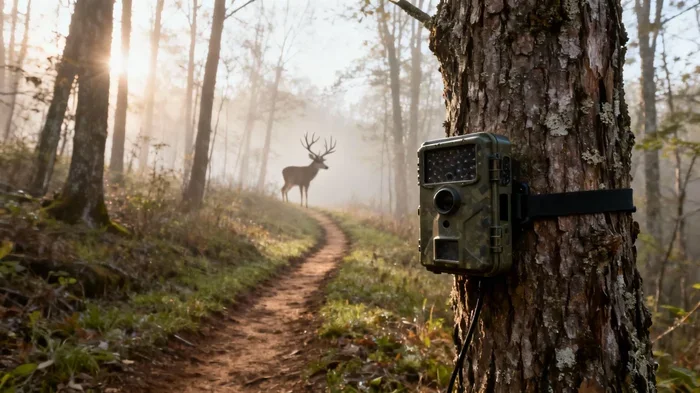
A trail camera is a rugged, weatherproof camera designed to capture images or videos when motion is detected. People also call them game cameras or security cameras. They sit quietly in the woods or on your property and do their job without any human intervention.
Here is how most of them work. A motion sensor detects movement within a certain range. When something triggers the sensor, the camera takes a photo or starts recording a short video. The footage gets stored on an SD card inside the camera. That is it. No internet required. No monthly fee. Just simple, reliable wildlife photography.
The Core Components
Every trail camera has a few key parts that make it work. Understanding these helps you choose the right one.
- Motion sensor: This is the trigger. It detects heat and movement, usually from animals or people passing by.
- Infrared flash: Many game cameras use invisible infrared light to capture images at night without scaring animals away.
- SD card slot: This is where all your photos and videos live until you take the card out and review them.
- Batteries: Most trail cameras run on AA batteries or rechargeable lithium packs. Battery life varies widely depending on usage.
- Lens: The lens determines image quality, range, and field of view.
These basic components work together to give you reliable property surveillance without any subscription whatsoever. You just set it up, walk away, and come back later to collect your data.
Do All Trail Cameras Require a Subscription?
This is the big question, and the answer is a clear no. Not all trail cameras require a subscription. In fact, the majority of trail cameras on the market work entirely without any monthly fee. You buy the camera, insert an SD card, and start capturing. That is the whole deal.
However, some cellular trail cameras do offer subscription plans. These cameras use a cellular network to send photos directly to your phone or email. The subscription covers the data plan that allows this wireless transmission. But here is the thing: you are never forced to pay for it. You can always use these cameras in offline mode and store footage locally.
Types of Trail Cameras by Connectivity
Trail cameras fall into three main categories based on how they connect and transmit data. Let us look at each one.
- Standalone trail cameras: These store everything on an SD card. No Wi-Fi. No Bluetooth. No subscription. You physically go to the camera and retrieve the card. Simple and reliable.
- Wi-Fi trail cameras: These connect to your phone or a home network within a short range. You can pull photos off without a subscription. They are great for backyard monitoring or short-range remote monitoring.
- Cellular trail cameras: These use a mobile data network to send images to the cloud or your phone. Some require a subscription, but many offer free cloud storage tiers or let you use the camera without a plan.
Each type has its place. Your choice depends on what you want to achieve and how much you are willing to spend.
Why People Choose Subscription-Based Trail Cameras
Even though subscriptions are optional, a lot of people still choose cellular trail cameras with monthly plans. Why? Because the convenience is hard to beat. Imagine getting photos of a buck walking through your property right on your phone, in real time. That is the magic of a wireless trail camera with a data plan.
Real-Time Alerts and Remote Monitoring
The biggest advantage of a cellular game camera is instant notifications. When the sensor triggers, the camera sends an image to your phone within seconds. You do not have to hike into the woods to check the camera. This is especially useful for hunters who want to track animal movement patterns without disturbing the area.
Homeowners also love this feature for property surveillance. If something triggers your camera at 2 AM, you know about it immediately. You can check the footage and decide if you need to take action.
Cloud Storage and Video Clips
Subscription plans often come with cloud storage. Instead of relying on an SD card that can get lost or damaged, your photos upload to a secure server. Some plans also allow you to save short video clips, not just still images. This is a big plus for wildlife photographers who want to capture full moments, not just snapshots.
That said, you should know that many cellular trail cameras now offer free basic plans. These give you a limited number of photo uploads per month at no cost. You can always upgrade if you need more, but the free tier covers a lot of basic use cases.
How to Use a Trail Camera Without a Subscription
Going subscription-free is entirely doable, and plenty of people do it every day. Here is how to get the most out of a trail camera without paying a monthly fee.
Use a High-Capacity SD Card
The backbone of any subscription-free trail camera setup is a good SD card. Look for cards with at least 32GB of storage, and ideally 64GB or more. This gives you plenty of room for hundreds or even thousands of photos and videos. Make sure the card is rated for high-speed writing so it keeps up with rapid photo bursts.
One thing to keep in mind: you will need to physically visit the camera regularly to swap or download the SD card. For some people, this is part of the fun. For others, it is a drawback. But it costs nothing extra.
Optimize Battery Life
Since you will not be paying for a data plan, your camera runs entirely on batteries. That means battery life becomes even more important. Look for trail cameras that advertise long battery life, often 6 to 12 months on a set of lithium batteries.
Pro tip: turn off the video recording feature if you only need photos. Video eats through batteries fast. Stick to still images and your game camera will last much longer between visits.
Set Up Smart Camera Placement
Good placement makes a huge difference. Position your wildlife camera facing north to avoid direct sunlight triggering false detections. Mount it at about waist height for the best angle. Make sure the camera is angled away from roads or other areas with constant false triggers like blowing leaves.
Also, keep the camera away from areas where you plug a USB camera into my phone or use other electronic devices that might cause interference. A clean signal means better detection and fewer missed shots.
Review Footage Regularly
Without a subscription, you are your own data manager. Set a schedule to visit your camera every week or two. Pull the SD card, upload the photos to your computer, and clear the card for the next round. This keeps your storage fresh and ensures you never lose important footage.
Subscription Plans: What Do You Actually Get?
If you are considering a cellular trail camera with a subscription, it helps to know what you are paying for. Let us break down what typical plans include.
| Feature | Free Plan | Basic Paid Plan | Premium Paid Plan |
|---|---|---|---|
| Photo uploads per month | Limited (50-100) | Unlimited or high cap | Unlimited |
| Video uploads | Not included | Short clips (5-15 sec) | Full-length videos |
| Real-time alerts | Yes | Yes | Yes |
| Cloud storage duration | 7-30 days | Up to 1 year | Unlimited or multi-year |
| Monthly cost | $0 | $3-$10 | $10-$25 |
As you can see, the free plans cover a lot of ground. Many people find that a free tier is all they need. The paid plans are really only worth it if you want unlimited uploads, longer video clips, or extended cloud storage.
Do You Really Need a Data Plan?
Here is the honest answer: most people do not need a subscription. If you are using your trail camera for hunting or backyard wildlife watching, an SD card and periodic visits work perfectly fine. Subscriptions shine when you need real-time alerts and cannot visit the camera regularly.
Also consider that some wireless trail cameras use Bluetooth or short-range Wi-Fi to transfer images. These do not need a data plan at all. You simply walk within range with your phone and pull the files. No subscription, no data fees, no hassle.
Common Mistakes to Avoid
Before you buy a trail camera, keep these common pitfalls in mind.
- Assuming all cellular cameras need a subscription: Many do not. Always check the specs before you buy.
- Ignoring battery life: A camera that drains batteries in two weeks will cost you more in replacements than any subscription ever would.
- Skipping the SD card quality: Cheap, low-speed cards can corrupt your footage. Invest in a reliable brand.
- Placing the camera too high or too low: Wrong height means missed shots or blurry images from animals passing by.
- Forgetting about weatherproofing: Not all game cameras handle rain, snow, or extreme heat equally. Check the IP rating.
Avoiding these mistakes saves you time, money, and frustration. It also ensures your wildlife photography setup works exactly as intended.
Expert Insights: What the Pros Recommend
Experienced hunters and wildlife photographers often stick with simple, subscription-free setups. They prefer cameras that store everything on an SD card and let them review footage at their own pace. There is something to be said for the hands-on approach. It gets you outside and closer to nature.
That said, the pros who use cellular trail cameras with subscriptions swear by the convenience. They say the ability to check a camera from hundreds of miles away is a game-changer for scouting. The key is matching the camera to your actual needs, not buying features you will never use.
One thing many experts agree on: battery life and sensor quality matter more than connectivity features. A great game camera with a basic SD card setup will outperform a fancy cellular model with a bad sensor every time.
Frequently Asked Questions
Can I use a trail camera without any Wi-Fi or cellular connection?
Yes, absolutely. Most trail cameras work completely offline. They store all photos and videos on an SD card inside the camera. You simply visit the camera periodically, remove the card, and review your footage on a computer or phone. No internet connection is required at all.
How much does a trail camera subscription typically cost?
Subscriptions for cellular trail cameras usually range from $3 to $25 per month, depending on the plan. Free tiers are also available from many brands, offering limited photo uploads at no cost. You are never locked into a contract, so you can start free and upgrade later if needed.
Do Wi-Fi trail cameras require a subscription?
Most Wi-Fi trail cameras do not require a subscription. They connect to your phone or home network within a short range and let you pull photos directly. Some brands offer optional cloud storage plans, but these are completely optional and not required for basic use.
How long do trail camera batteries last without a subscription?
Without a data plan, trail cameras actually last longer on batteries because they are not constantly transmitting data. Many models run 6 to 12 months on a set of lithium AA batteries. Video recording and frequent triggering will shorten that lifespan, so adjust your settings based on your needs.
Can I turn my old phone into a trail camera to avoid subscriptions?
Yes, you can repurpose an old phone as a security camera using free apps. You will need a way to power it outdoors and a mount to hold it in place. Some people even leave a USB hub plugged in all the time to keep the phone charged. This approach avoids any subscription fees entirely.
What is the best budget trail camera with no subscription?
Many solid budget trail cameras cost between $50 and $150 and include SD card storage with no subscription required. Look for models with good motion detection range, decent night vision, and reliable battery life. You do not need to spend more to get great results without a monthly fee.
Final Thoughts
The truth is, do all trail cameras require a subscription is a question with a very clear answer. No, they do not. The trail camera market offers plenty of options that work perfectly well without any ongoing cost. Whether you choose a simple standalone model or a cellular game camera that you use offline, you can capture amazing wildlife footage and protect your property without breaking the bank.
Your best move is to assess what you actually need. If you want photos stored locally and do not mind visiting your camera now and then, skip the subscription entirely. If real-time alerts and remote access matter more, a cellular trail camera with a basic free plan might be the sweet spot.
Either way, you are in control. No hidden fees. No locked-in contracts. Just you, your camera, and the wildlife doing its thing. That is the beauty of trail cameras in their simplest form. So go out there, set one up, and enjoy the results. The woods are waiting.