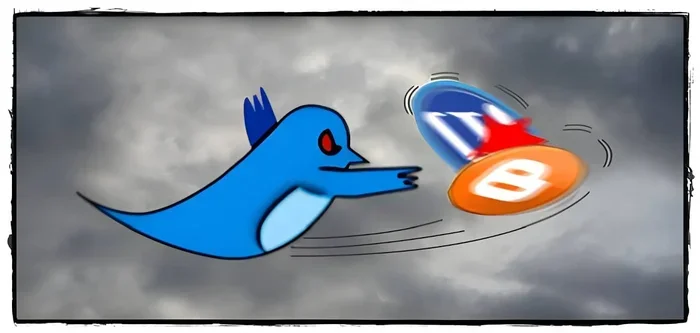
Differences Between Blogs And Twitter Explained Clearly
The differences between blogs and Twitter are significant and worth understanding. Blogs offer long-form content, deep SEO value, and evergreen reach, while Twitter delivers real-time updates, quick engagement, and viral potential. Choosing between them depends on your goals, audience, and content strategy.
Have you ever wondered how differences between blogs and Twitter actually affect your content strategy? It is a question many creators ask themselves. You might think social media and blogging are the same thing. They are not. Each platform has its own strengths, its own audience, and its own rules.
Understanding these differences matters a lot. If you pick the wrong platform, you waste time and energy. If you pick the right one, you reach the right people with the right message. This guide breaks everything down in plain language. You will learn what makes each platform unique, how they compare, and which one fits your goals best.
Whether you are a beginner or a seasoned creator, this article gives you clear answers. No fluff. No jargon. Just useful information you can apply right away. Let us dive into the world of content creation and see what each platform really offers.
Key Takeaways
- Blogs focus on long-form content: They allow in-depth articles that provide real value and rank well on search engines.
- Twitter thrives on short, real-time updates: The platform is built for quick posts, conversations, and trending topics.
- SEO performance differs greatly: Blogs have a major advantage when it comes to search engine optimization and organic traffic.
- Audience engagement styles vary: Blogs build loyal readers over time, while Twitter encourages fast, frequent interactions.
- Content formats are completely different: One is about depth, the other is about speed and brevity.
- Both platforms serve unique purposes: Smart creators use both as part of a broader content marketing strategy.
📑 Table of Contents
What Is a Blog?
A blog is a website where a person or a group publishes written articles. These articles are often called blog posts. They can cover almost any topic you can imagine. Think about travel, cooking, technology, personal stories, or business advice.
Blogs have been around for a long time. They started as online diaries in the late 1990s. Over the years, they grew into powerful content marketing tools. Today, millions of people run blogs for fun, for business, or to share knowledge.
Key Features of a Blog
- Long-form content: Blog posts can be 500 words or 5,000 words. There is no strict limit.
- Written articles: Most blogs focus on text, though many include images and videos too.
- Evergreen content: A good blog post stays relevant for months or even years after you publish it.
- SEO-friendly structure: Blogs are built to rank well on search engines like Google.
- Owned platform: You control your blog. No algorithm changes can suddenly remove your audience.
Blogs give you full control over your digital publishing presence. You decide the design, the topics, and the tone. You own the data, the email list, and the relationship with your readers. That kind of ownership is rare in the online world.
What Is Twitter?
Twitter is a social media platform where users share short messages called tweets. It launched in 2006 and quickly became one of the most popular social media microblogging platforms in the world. Today, it is part of X, but many people still call it Twitter.
Twitter is all about real-time updates. People use it to share news, opinions, jokes, and links. It is fast-paced and always changing. What is trending today might be forgotten tomorrow.
Key Features of Twitter
- Character limit: Tweets used to be limited to 140 characters. Now they allow up to 280 characters for most users.
- Real-time conversations: Twitter moves fast. People reply, retweet, and engage within minutes.
- Hashtags and trends: These help people find content about specific topics instantly.
- Short-form content: The platform is designed for quick, bite-sized messages.
- Follower-based reach: Your audience sees your tweets in their feed based on who you follow and what they engage with.
Twitter is perfect for people who want to share quick thoughts and stay connected with what is happening right now. It is a great tool for brand awareness and joining larger conversations. But it is not built for deep, detailed storytelling.
Content Format and Length
This is one of the biggest areas where differences between blogs and Twitter show up clearly. The format of each platform shapes everything about how people create and consume content.
Blog Content Format
Blog posts are long and detailed. A typical blog article includes a title, an introduction, several sections with headings, images, and a conclusion. Writers use this format to explore topics thoroughly.
For example, a blog post about “How to Start a Garden” might include a list of tools, step-by-step instructions, tips for different seasons, and common mistakes to avoid. The reader gets a complete guide in one place.
Long-form content like this builds trust. Readers see that you put in real effort. They are more likely to come back and share your work. This is why blogs remain a strong choice for online publishing and education.
Twitter Content Format
Twitter is all about brevity. Each tweet is short and to the point. You have limited space to make your point. Some users write threads, which are connected tweets that tell a longer story one piece at a time.
For example, someone might tweet a quick tip about productivity. Then they reply to their own tweet with another tip. They keep going until they have shared a full list. These tweet threads can be helpful, but they still feel different from a full blog post.
The character limit on Twitter forces you to be concise. This is great for quick updates. But it is not ideal for detailed explanations or tutorials.
Quick Comparison: Blog Posts vs Tweets
- Blog posts: 500 to 5,000+ words, detailed, structured, evergreen
- Tweets: 1 to 280 characters, quick, timely, often temporary
- Blog posts: Include images, videos, links, and formatting
- Tweets: Include short text, images, GIFs, or links
- Blog posts: Built for depth and value
- Tweets: Built for speed and engagement
The content format difference is huge. It affects how readers interact with your work and how search engines treat your content. Keep this in mind when planning your strategy.
Audience and Engagement
Who reads blogs, and who uses Twitter? The audiences are different, and the way they engage with content is different too.
Blog Audiences
Blog readers tend to be intentional. They come to your site because they want to learn something specific. They read your article from start to finish. They might leave a comment or subscribe to your email list.
Audience engagement on blogs is slower but deeper. Readers form a relationship with your brand over time. They trust your expertise. They return for more written articles because they know they will find value.
Blogs also attract people through search engines. Someone might Google a question, find your blog post, and become a loyal reader. This is the power of search engine optimization at work.
Twitter Audiences
Twitter users scroll fast. They see dozens of tweets every hour. Engagement happens quickly. Someone likes your tweet, retweets it, or replies within seconds.
Follower engagement on Twitter is fast and frequent. People interact with many accounts throughout the day. But these interactions are often shallow. A like or retweet does not always mean a deep connection.
Twitter is also great for joining trending conversations. If something big happens in the world, people turn to Twitter first. This makes it a powerful tool for real-time updates and news sharing.
How Engagement Differs
- Blogs: Deep reading, longer time on page, loyal returning visitors
- Twitter: Quick scrolling, fast reactions, broad but shallow reach
- Blogs: Comments are thoughtful and detailed
- Twitter: Replies are short and often casual
- Blogs: Build trust over months and years
- Twitter: Builds visibility in days or weeks
Both platforms have value. But the type of engagement you get is very different. Think about what kind of relationship you want to build with your audience.
SEO and Discoverability
If you want people to find your content through Google, blogs win by a wide margin. This is one of the most important differences between blogs and Twitter.
How Blogs Rank on Google
Search engines love blogs. A well-written blog post with the right keywords can rank on the first page of Google for years. This means free, consistent traffic without paying for ads.
Blog posts can target specific search queries. For example, if someone searches “best budget cameras for beginners,” a blog post answering that question can show up at the top. That is SEO ranking power in action.
Good blogs also use internal linking, meta descriptions, headers, and image alt text. These search engine optimization tactics help search engines understand and rank your content.
How Twitter Ranks on Google
Twitter does have some SEO value. Google sometimes indexes tweets, especially from popular accounts or trending topics. But tweets do not rank as well as blog posts for most search queries.
Tweets are temporary by nature. A tweet from last year is unlikely to show up in search results today. Blog posts, on the other hand, can drive traffic for years. This is why many people call blog content evergreen content.
Which Platform Helps You Rank Better?
| Factor | Blog | |
|---|---|---|
| Search engine ranking potential | High | Low to moderate |
| Long-term organic traffic | Strong | Weak |
| Keyword targeting ability | Excellent | Limited |
| Evergreen content value | High | Low |
| Real-time visibility | Low | High |
| Backlink generation | Strong | Moderate |
If SEO and discoverability matter to you, a blog is the clear winner. Twitter can support your SEO efforts by driving traffic and building brand awareness, but it cannot replace a solid blog strategy.
Which Platform Should You Choose?
Now that you understand the differences between blogs and Twitter, you might be wondering which one to use. The answer depends on your goals, your audience, and your content style.
Choose a Blog If…
- You want to create detailed, in-depth content
- You care about long-term search engine traffic
- You want to build a loyal reader base
- You are selling products or services through content
- You enjoy writing and want to establish authority
Blogs work best for people who want to build something lasting. A well-optimized blog post can bring readers to your site for years. This makes blogs a smart choice for content marketing and business growth.
Choose Twitter If…
- You want to share quick updates and thoughts
- You care about real-time conversations and trends
- You want to build brand awareness quickly
- You enjoy short-form writing and fast interactions
- You want to connect with influencers and news
Twitter works best for people who want to stay visible and engaged in the moment. It is a great companion to a blog. You can share links to your blog posts on Twitter to drive traffic and grow your audience.
Use Both Together
Here is a secret many successful creators know. You do not have to pick just one. The best social media strategy often uses both platforms together.
Write a blog post. Then share a summary or key takeaway on Twitter. This drives your Twitter followers to your blog. It also helps your blog post get noticed by more people. The two platforms work together to amplify your message.
This approach is part of a broader content marketing strategy. It helps you reach different audiences in different ways. Some people prefer to read long articles. Others prefer quick updates. By using both, you cover all your bases.
Common Mistakes to Avoid
Whether you choose blogs, Twitter, or both, there are some mistakes you should watch out for.
Mistake 1: Ignoring SEO on Your Blog
Many people write great blog posts but forget to optimize them for search engines. They skip keywords, ignore meta descriptions, and do not use headers. As a result, their posts never get found.
Take the time to learn basic SEO ranking practices. It makes a huge difference in how much traffic your blog receives.
Mistake 2: Treating Twitter Like a Blog
Some people try to write long, detailed thoughts in tweets. This does not work well. Twitter is for short, engaging messages. If you want to share something long, write a blog post and link to it from Twitter.
Mistake 3: Posting Without a Strategy
Random posting leads to random results. Whether you are blogging or tweeting, have a plan. Know who your audience is. Know what value you are providing. Post consistently and with purpose.
Mistake 4: Forgetting to Engage
Both blogs and Twitter require engagement. On a blog, respond to comments and build community. On Twitter, reply to replies, join conversations, and retweet valuable content. Engagement builds relationships and grows your reach.
Expert Insights
Experienced content creators agree on a few key points about blogs and Twitter.
Long-form content builds authority. When you write detailed blog posts, you show your expertise. Readers trust you more. Search engines reward you with better rankings.
Short-form content builds visibility. Twitter helps you get noticed quickly. It puts your name in front of thousands of people every day. This visibility can lead to blog readers, customers, and collaborators.
The best strategy combines both. Use Twitter to promote your blog. Use your blog to provide deep value. This combination creates a powerful content creation system that works for you over time.
Many top bloggers started by sharing their posts on Twitter. They grew a small audience on the platform first. Then they used that audience to drive traffic to their blog. Over time, the blog became their main source of income and influence.
Final Thoughts
The differences between blogs and Twitter are clear and important. Blogs give you depth, SEO power, and long-term value. Twitter gives you speed, visibility, and real-time engagement. Each platform has its place in a smart content strategy.
Do not think of it as blogs versus Twitter. Think of it as blogs and Twitter. Use each one for what it does best. Write detailed blog posts that rank on Google and help your readers. Share quick updates on Twitter that keep you visible and connected.
Start with one platform if you feel overwhelmed. Master it first. Then add the other platform to your workflow. Over time, you will build a strong online presence that serves your goals and your audience.
Take action today. Write your first blog post. Send your first tweet. See what works for you. The world of digital publishing is waiting for you.
Frequently Asked Questions
Can I use both a blog and Twitter at the same time?
Absolutely. Many successful creators use both platforms together. You can write blog posts and share links to them on Twitter. This helps you reach different audiences and drives traffic to your blog.
Which platform is better for SEO, a blog or Twitter?
A blog is much better for SEO. Blog posts can rank on Google and bring consistent organic traffic for years. Twitter has some SEO value but is not built for long-term search engine visibility.
How long should a blog post be compared to a tweet?
A blog post can range from 500 to 5,000 words or more. A tweet is limited to 280 characters. This is one of the biggest differences between blogs and Twitter when it comes to content length.
Is Twitter better for building an audience quickly?
Yes, Twitter can help you build visibility fast. The platform is designed for quick sharing and real-time conversations. However, blog audiences tend to be more loyal and engaged over the long term.
Do I need to be a great writer to use either platform?
Not at all. Blogs reward clear, helpful writing. Twitter rewards concise, engaging messages. You do not need to be perfect. You just need to provide value and be consistent.
Can Twitter help drive traffic to my blog?
Yes, it can. Sharing your blog posts on Twitter is one of the best ways to get more eyes on your content. Use relevant hashtags and engage with your followers to maximize your reach.
=== CONCLUSION ===
The differences between blogs and Twitter are clear, and each platform has its own strengths. Blogs offer depth, SEO value, and long-term growth. Twitter offers speed, visibility, and real-time connection. Understanding these differences helps you make smarter choices about where to spend your time and energy.
Start with the platform that matches your goals. Build from there. And remember, using both together can give you the best of both worlds. Create valuable blog content. Share it on Twitter. Watch your online presence grow.